27 results found
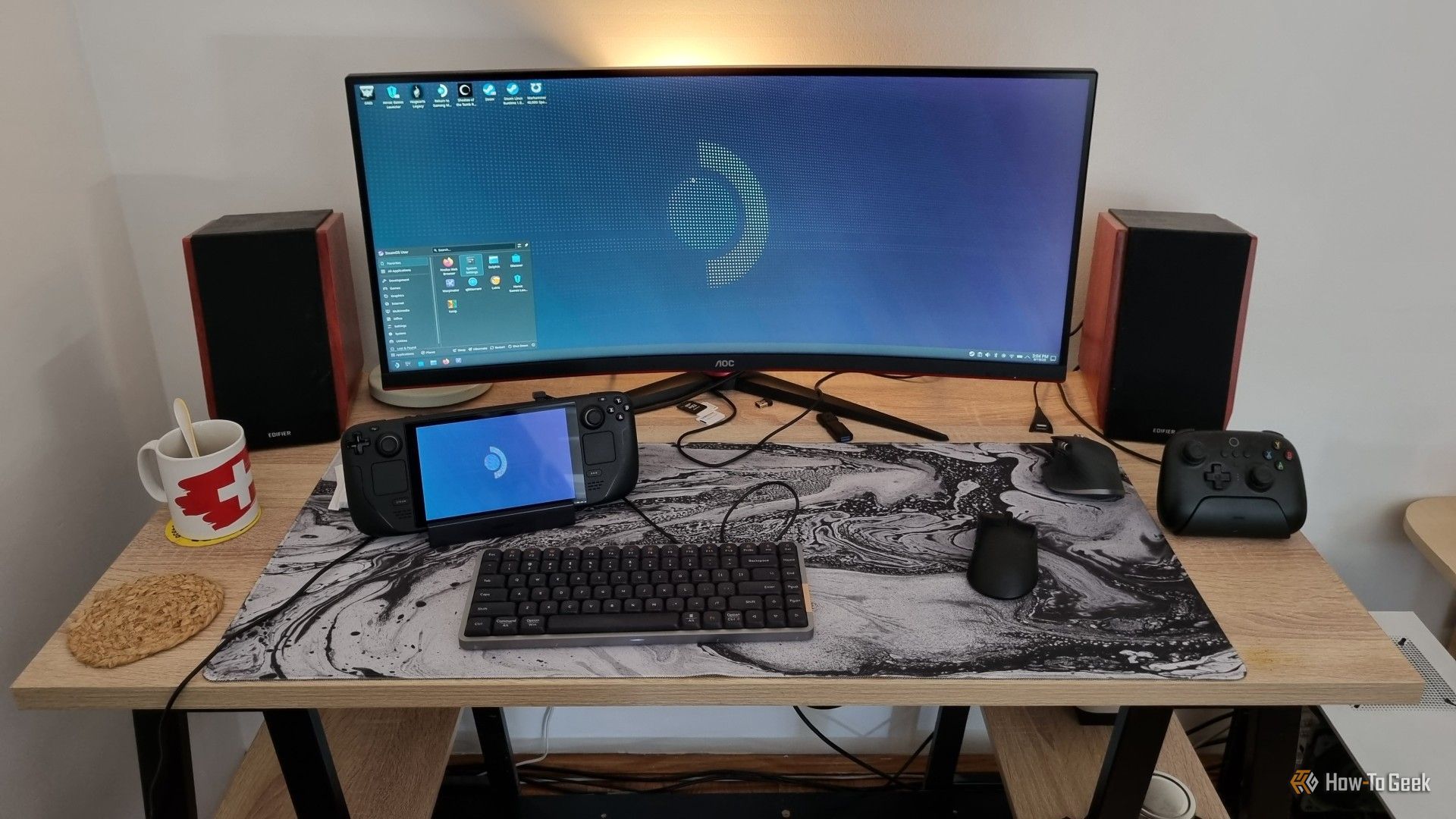
The Valve Steam Deck revolutionized portable PC gaming, bringing a vast library of games to your hands. However, technology moves fast, and even great designs can show their age. This guide will help you understand why

Nvidia has reportedly halted production of the GeForce RTX 5090, with leaked factory notices suggesting its core chip will be repurposed for AI and data center cards. This move positions the RTX 5080 24GB as the new flagship gaming GPU in the 50-series. The decision is linked to an industry-wide memory shortage, heavily influenced by surging AI demand, impacting consumer tech across the board.
Explore how to build and train a 25-million parameter LLM directly on your CPU, stripping away the need for expensive GPU clusters. This hands-on approach reveals core LLM architecture, pre-training with cross-entropy loss, and post-training with Reinforcement Learning, allowing rapid iteration and direct observation of model behavior changes.
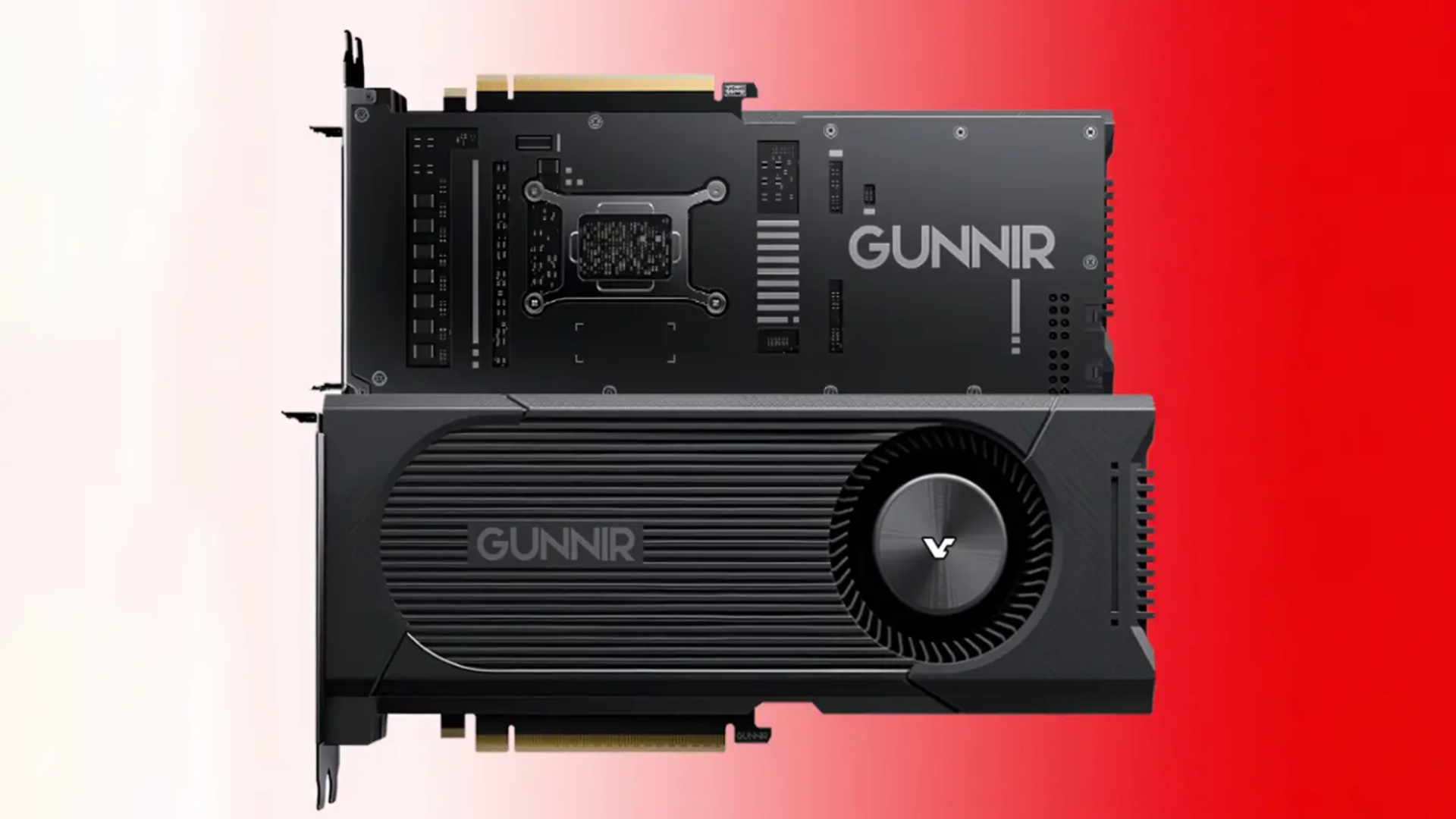
Quick Verdict The Gunnir B70 workstation is an intriguing and powerful system, packing two Intel Arc Pro B70 GPUs and 64GB of ECC GDDR6 VRAM, all powered by Intel's Ultra 200HX processor and cooled by an advanced liquid
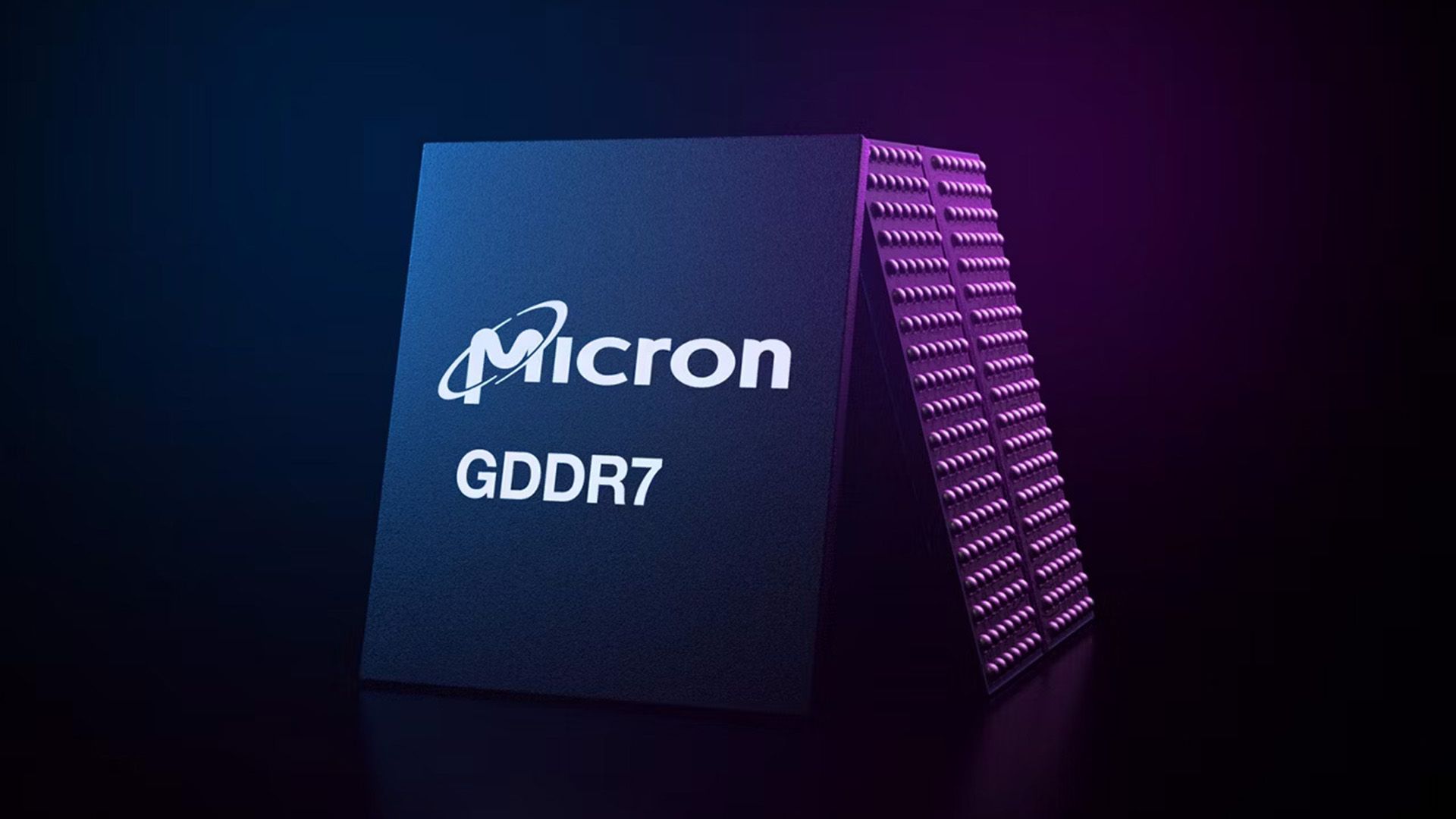
Micron's recent decision to discontinue its 2GB (16Gb) GDDR7 memory chips for gaming GPUs marks a significant pivot, underscoring a broader industry trend where semiconductor giants are increasingly prioritizing the
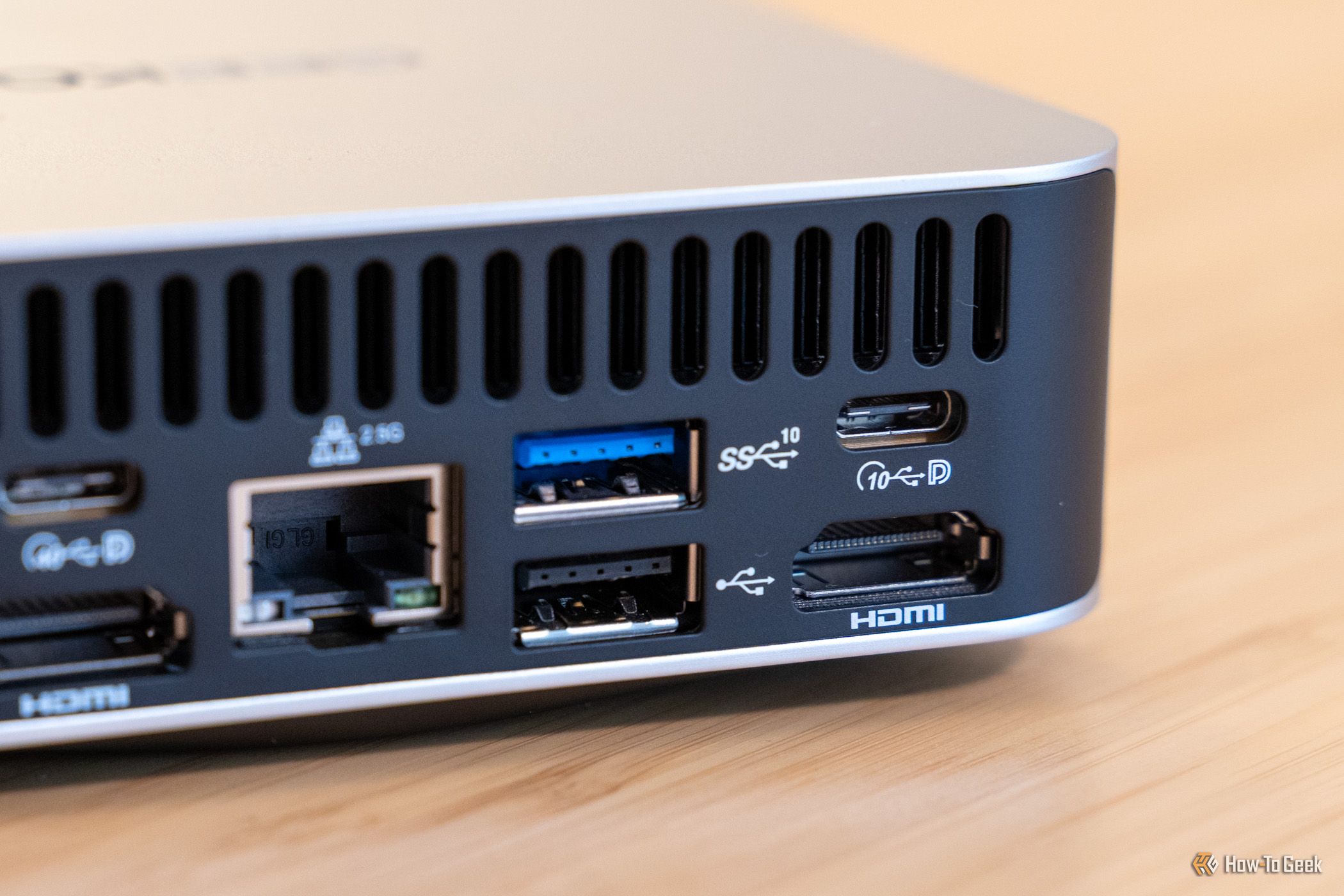
In the world of display connections, DisplayPort (DP) has long been the go-to recommendation, especially for PC monitors, thanks to its superior bandwidth. However, raw speed isn't the whole story. Depending on your

Nvidia is extending its AI dominance beyond GPUs, focusing on system-level data orchestration within massive data centers. Post-earnings, the company's Vera Rubin architecture, including the Vera CPU, is proving crucial for efficient data management, optimizing performance and energy use. This shift towards smarter data traffic control marks a new competitive front in AI infrastructure, where Nvidia currently holds a commanding lead.
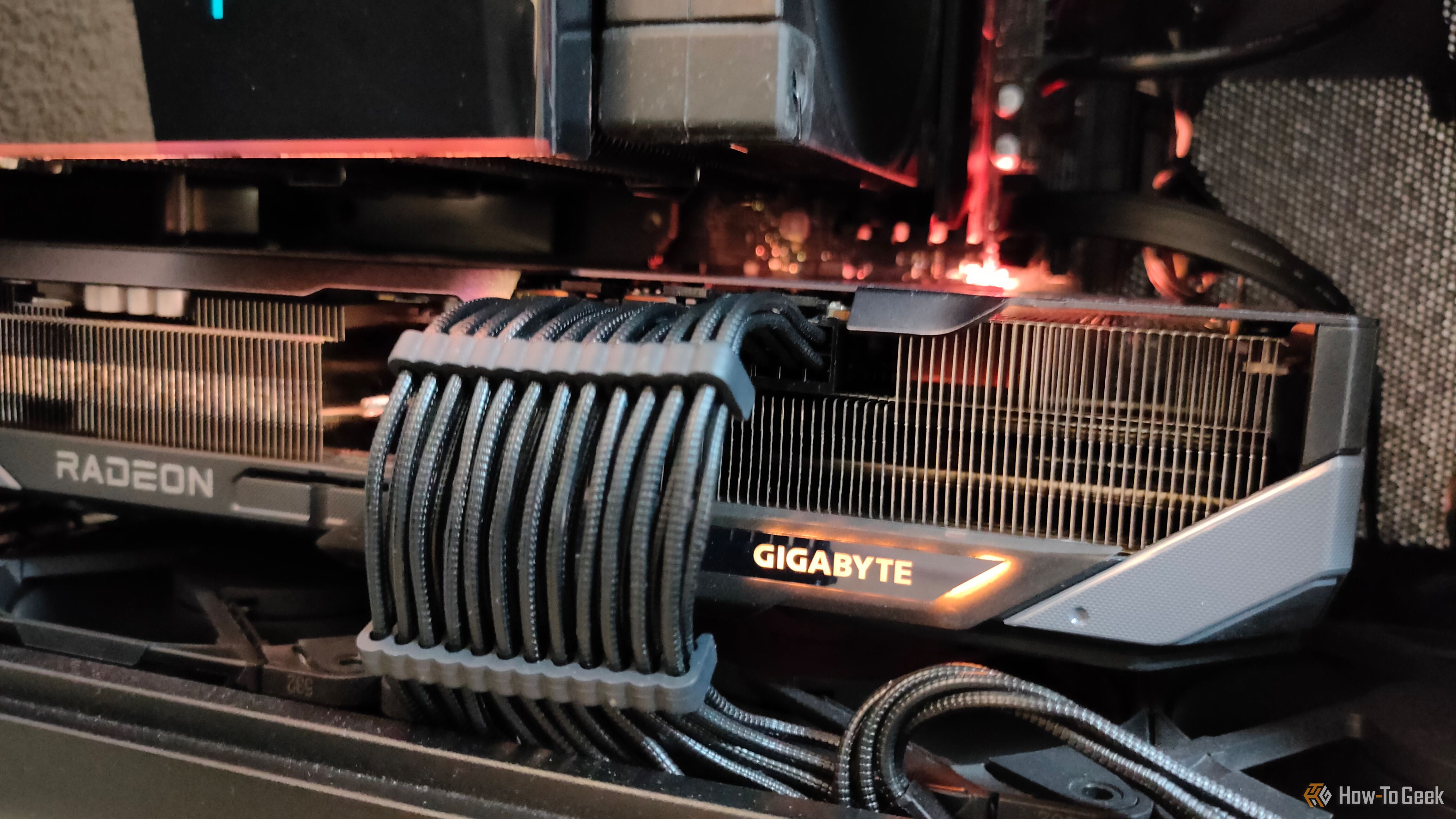
Your Graphics Processing Unit (GPU) is a powerhouse, but it often generates considerable heat and noise in its quest for maximum performance. While chasing the absolute highest frame rates, GPUs can become inefficient,

NVIDIA Nemotron 3.5 Lightning is an open-weights, hybrid MoE (Mamba-2 + MoE + Attention) LLM designed for efficient AI agent development. It supports 1M token context, offers speculative decoding methods like DSpark, and is optimized for NVIDIA Blackwell, Hopper, and Ampere GPUs. Developers can deploy it via vLLM, TensorRT-LLM, or SGLang, leveraging its advanced features like reasoning control and tool-calling through an OpenAI-compatible API.
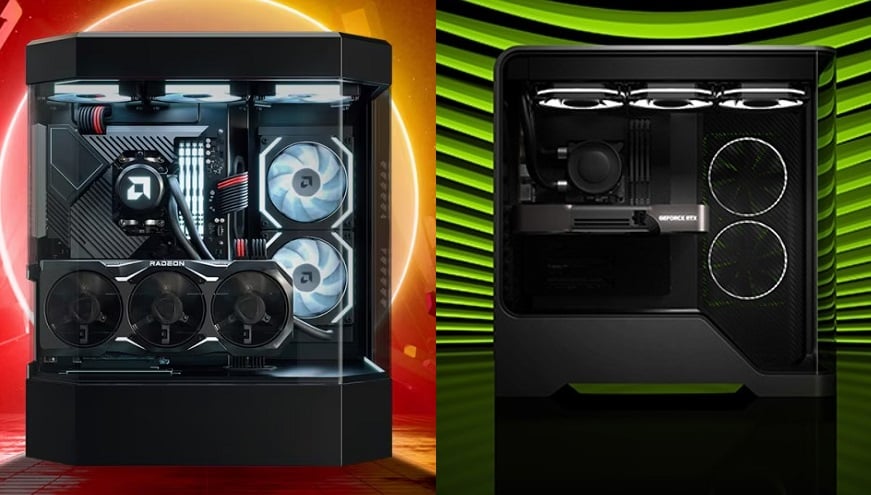
Rumors suggest both Nvidia and AMD are set to raise GPU prices, driven by the AI arms race. Nvidia may hike prices by up to 30%, with AMD following at 10%, pushing consumer costs even higher. This bleak outlook means budget cards are also struggling, with the return of 4GB VRAM.
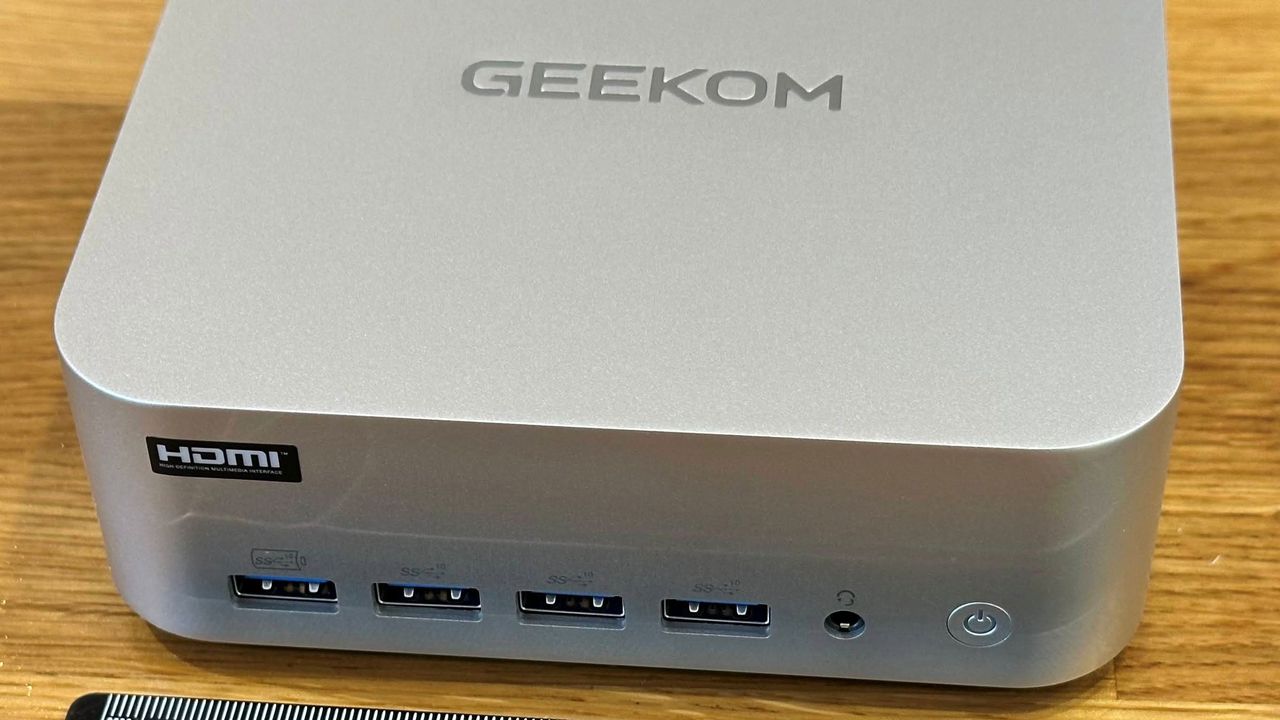
Geekom's A9 Max 2026 packs AMD's Ryzen AI 9 HX 470 into a premium, compact chassis with abundant ports. Its low idle power and solid build impress, but single-channel RAM bottlenecks iGPU performance, and its fans get loud under load.
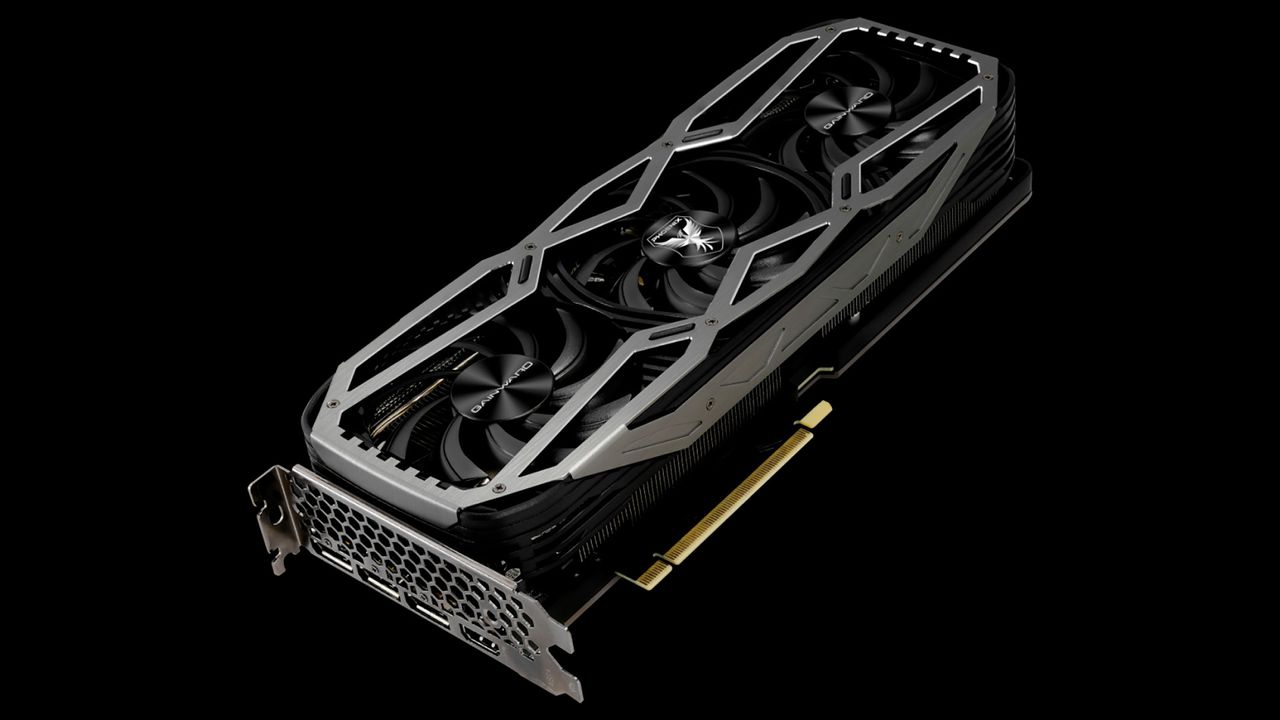
Quick Verdict: A Resourceful 4K Refresh For gamers holding onto a high-end Nvidia Ampere GPU like the RTX 3090 and who happen to have a spare, lower-tier card such as an RTX 3050, this dual-GPU setup leveraging Lossless

Pixel Watch 5 review: Leaked specs suggest minimal upgrades, primarily increased RAM, while reusing older CPU/GPU hardware. This raises concerns about performance, especially for future AI features, and its competitiveness against rivals like the Galaxy Watch 9.

Quick Verdict: The Data Center's New Powerhouses The server market is undergoing a seismic transformation, with Arm-based processors and GPU-accelerated systems rapidly rewriting the rules. Our latest analysis from
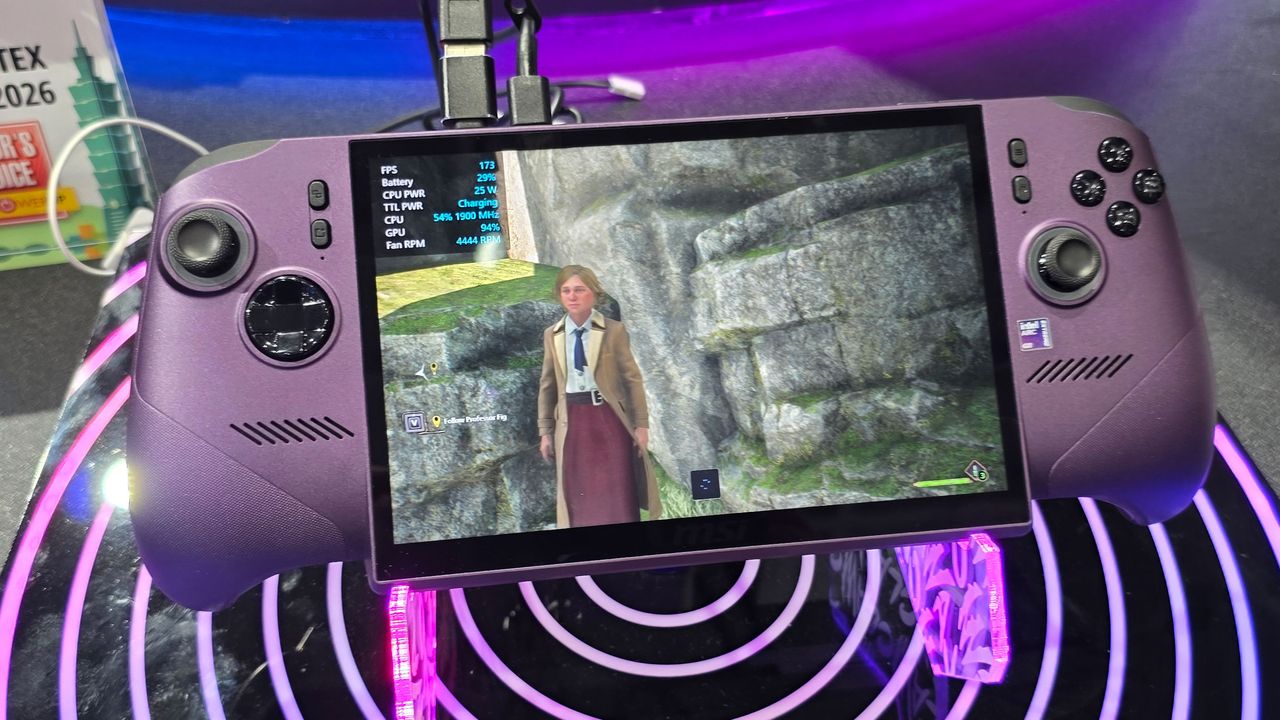
Quick Verdict: A Premium Handheld with a Premium Price The MSI Claw 8 EX AI+ enters the handheld gaming market with an ambitious proposition: top-tier Intel Arc G3 Extreme graphics, a flagship Arc B390 iGPU, and a
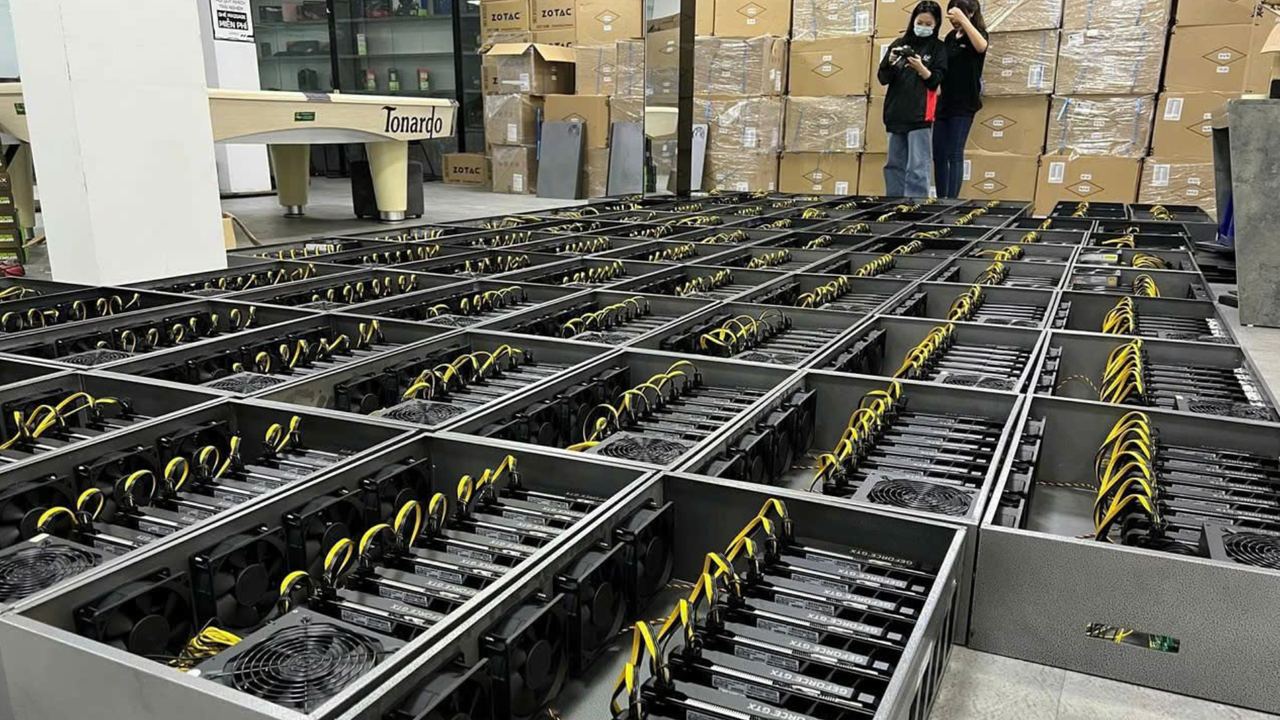
Pearl, a Layer-1 blockchain, claims to merge crypto mining with useful AI computation, but new research suggests its 320,000-GPU network burns 112MW on "zero useful AI computation," driving up GPU rental prices.
This article explores how a 10-year-old Intel Xeon E5-2620 v4 server with 128 GB DDR3 RAM and no GPU can run a modern LLM like Gemma 4 26B-A4B at reading speed. It highlights that LLM inference is often memory-bound and showcases deep optimization techniques using `ik_llama.cpp`, including speculative decoding, CPU-aware MoE routing, advanced memory management, and specialized attention kernels. The success demonstrates that granular software control can unlock significant performance on older, abundant-RAM hardware.

At Computex 2026, AMD announced a strategy focusing on longevity and value, promising AM5 motherboard support until 2029. The company is also relaunching the Ryzen 7 5800X3D for AM4 users and introducing a Ryzen 7 7700X3D for AM5, alongside a global release of the Radeon RX 9070 GRE GPU. This move signals a pivot towards more affordable, long-term upgrade paths amidst rising tech costs.

NVIDIA has committed over $40 billion to AI equity investments in the first four months of 2026, including a $30 billion stake in OpenAI. This strategy, which also includes significant investments in companies like CoreWeave, IREN, and Corning, aims to ensure compute capacity is built around NVIDIA's GPUs, influencing the entire AI value chain. While bolstering NVIDIA's data-center revenue, the aggressive approach raises questions about "circular financing" and potential regulatory scrutiny.

As AI models continue their exponential growth, memory capacity, bandwidth, and latency consistently present the most formidable challenges for hardware engineers. The need for larger models often forces developers into

Many of us developers dream of building a groundbreaking product, perhaps even a startup. The conventional wisdom often points to seeking venture capital (VC) funding as a prerequisite for scale. But what if there was

Intel and SambaNova's new heterogeneous AI inference platform combines GPUs/AI accelerators, SambaNova RDUs, and Intel Xeon 6 processors. Targeting a broad range of agentic workloads for H2 2026, it promises easy data center integration and competitive performance, aiming to challenge market leaders.
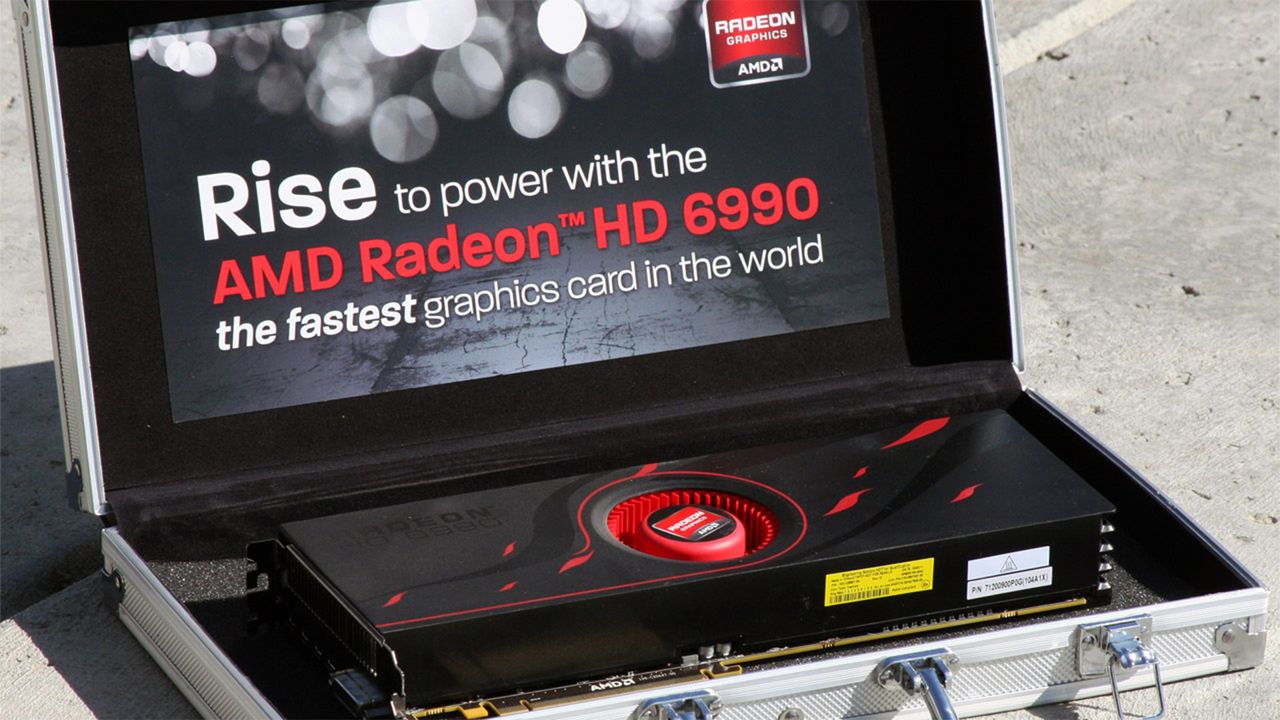
Quick Verdict 15 years ago, AMD's Radeon HD 6990 stormed onto the scene as the undisputed speed king of graphics cards. A marvel of its era, this dual-GPU beast delivered unparalleled performance, reigning as the

Apple's new M5 MacBook Pro delivers immense speed, significantly outperforming the M1 generation with up to 161% faster multi-threaded CPU and double the GPU performance. While offering a powerful upgrade for top-tier users, many M1 owners may not need to upgrade, as their current machines still perform capably for most professional tasks. New models also feature Wi-Fi 7 and Thunderbolt 5, with prices starting at $2,699 for the M5 Pro and $3,899 for the M5 Max.

Quick Verdict Epic Games' new Fortnite 'Showdown' season, featuring the 'Rivalry' competition, presents an extraordinary opportunity for top-tier players to win high-end hardware like the RTX 5080 GPU and PlayStation 5
