
Micron GDDR7 Pivot: A Shift Away from Gaming, Towards AI
Micron's recent decision to discontinue its 2GB (16Gb) GDDR7 memory chips for gaming GPUs marks a significant pivot, underscoring a broader industry trend where semiconductor giants are increasingly prioritizing the
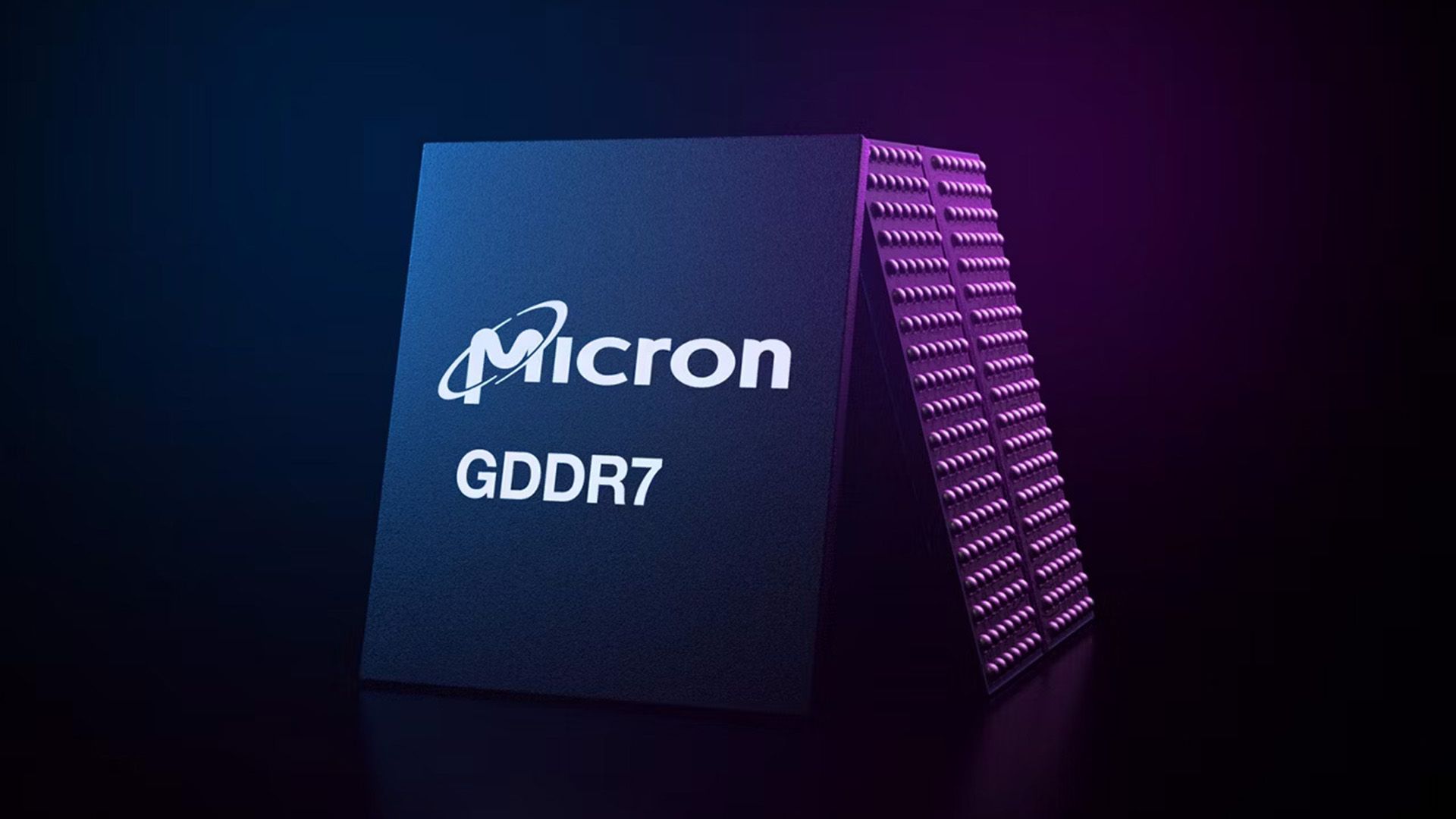
Micron's recent decision to discontinue its 2GB (16Gb) GDDR7 memory chips for gaming GPUs marks a significant pivot, underscoring a broader industry trend where semiconductor giants are increasingly prioritizing the booming Artificial Intelligence (AI) sector over traditional consumer markets. While seemingly a niche announcement, this strategic shift by one of the world's leading memory manufacturers has notable implications for the future of graphics cards and the gaming hardware landscape.
The Verdict: AI Wins, Gaming Adapts
Micron is officially ceasing production and sales of its 2GB GDDR7 memory, including both 28 Gbps and 32 Gbps variants, effectively marking these chips as "End of Life" on its official channels. This move isn't a sudden whim but a calculated strategic realignment towards higher-density 3GB (24Gb) GDDR7 modules, which offer substantially higher profit margins and cater directly to the insatiable demand from AI workloads, particularly for high-end GPUs like Nvidia's RTX PRO Blackwell series. For gamers, this means a slight consolidation in the 2GB GDDR7 market, but with minimal immediate impact thanks to the strong presence of Samsung and SK Hynix. However, it’s a clear signal of where Micron's priorities lie, suggesting a future where consumer GPU memory might become less of a focus for some key suppliers.
Diving into the Details: What's Changing?
Micron's 2GB GDDR7 chips, which were only recently supplied to Nvidia and found their way onto a select few GeForce RTX 50 graphics card models, such as specific retail variants of the RTX 5060, are now being phased out. This comes as Samsung and SK Hynix have already established themselves as the dominant suppliers for the majority of 2GB GDDR7 modules destined for the standard RTX 50 retail lineup. Micron's reportedly "uncompetitive position" in this 2GB segment likely facilitated a swift exit, allowing the company to reallocate valuable fabrication capacity.
The future for Micron's GDDR7 efforts lies squarely in the higher-density 3GB modules. While these larger packages are deemed "impractical" for the current Nvidia RTX 50 consumer lineup due to their significantly higher cost and the "less conventional consumer memory capacities" they would entail, they are a goldmine for AI applications. The 3GB GDDR7 chips yield higher profit margins and are actively sought after for Nvidia's high-end RTX PRO Blackwell GPUs, which are designed for demanding generative and agentic AI workloads. These 3GB modules also offer impressive speeds, with Micron introducing 36 Gbps variants, though still reportedly lagging behind some of the speeds offered by Samsung and SK Hynix in this higher-density space.
This shift isn't an isolated incident for Micron. The company previously exited its Crucial consumer memory and SSD business, explicitly stating that soaring AI data-center demand necessitated a focus on "larger strategic customers in faster-growing segments." This consistent strategy underscores a broader industry pivot, where memory suppliers are increasingly prioritizing lucrative AI-facing technologies over their consumer and retail counterparts. The allure of higher profit margins and consistent demand from AI chip developers is simply too strong to ignore.
The Impact: Pros and Cons for the Consumer
Pros:
- Minimal Immediate Disruption: For gamers anticipating upcoming RTX 50 series GPUs, the immediate impact of Micron's withdrawal from the 2GB GDDR7 market is expected to be minimal. Samsung and SK Hynix already supply the vast majority of these chips, ensuring supply for the consumer market.
- Innovation in AI Accelerates: Micron's focus on higher-density, higher-margin 3GB GDDR7 will undoubtedly accelerate advancements in AI memory solutions, potentially leading to more powerful and efficient AI systems. This indirectly benefits consumers as AI integrates into more aspects of daily life, from productivity tools to creative applications.
Cons:
- Reduced Competition: With Micron stepping back, the 2GB GDDR7 market for gaming GPUs becomes slightly less competitive. This could, in theory, lead to less aggressive pricing or slower innovation among the remaining suppliers (Samsung and SK Hynix) for consumer-grade memory, although the overall memory market dynamics are complex.
- Potential for "Less Conventional" Memory Configurations: The pivot towards 3GB GDDR7 for AI means that if these higher-density modules ever become more widespread in consumer GPUs (perhaps for very high-end cards), we might see non-standard memory capacities (e.g., 9GB, 18GB, 27GB on a 288-bit bus, instead of 8GB, 12GB, 16GB, 24GB with 2GB modules). This could affect memory bandwidth and overall GPU design choices for performance.
- Symbolic Shift: This move reinforces the growing trend of AI commanding a disproportionate share of high-tech manufacturing resources. Consumer hardware, while still important, may increasingly find itself competing for resources with more profitable enterprise and AI segments, potentially affecting pricing and supply in the long run.
Alternative Landscape: Samsung and SK Hynix Step Up
While Micron steps out of the 2GB GDDR7 game for consumers, Samsung and SK Hynix remain formidable players. Both companies not only already dominate the 2GB GDDR7 market for Nvidia's RTX 50 series but are also actively developing and supplying higher-density 3GB GDDR7 chips. Samsung, for instance, has been a leader in GDDR7 development, and SK Hynix is a key supplier as well. Their continued presence ensures that the market for next-generation graphics memory, both for gaming and AI, remains robust, even if Micron's particular strategy is to focus on the most lucrative segments.
This isn't a direct product comparison, but rather an observation of the competitive landscape. Micron's exit from the 2GB GDDR7 space for gaming GPUs means that system builders and GPU manufacturers will primarily look to Samsung and SK Hynix for their 2GB GDDR7 needs. For high-end AI cards, all three major memory makers – Micron, Samsung, and SK Hynix – are contending with higher-density (3GB and beyond) and higher-speed GDDR7, as well as more advanced High Bandwidth Memory (HBM) solutions.
Buying Recommendation: Stay Informed, Don't Panic
For PC builders and gamers, Micron's discontinuation of 2GB GDDR7 is not a cause for immediate alarm. The transition to the RTX 50 series, when it fully arrives, will still largely rely on GDDR7 from Samsung and SK Hynix. This announcement primarily reflects a strategic business decision by Micron rather than a widespread memory shortage for consumer GPUs. However, it's a stark reminder of the shifting priorities in the tech industry. When evaluating future GPU purchases, especially mid-range cards, pay attention to the memory configuration and the specific suppliers used, although this information isn't always readily available to the end-consumer. The broader trend indicates that memory prices, driven by AI demand, could remain elevated, impacting GPU costs overall.
FAQ
Q: Will this discontinuation cause a shortage of GDDR7 memory for upcoming gaming GPUs? A: No, immediate shortages are unlikely. Samsung and SK Hynix are already the primary suppliers of 2GB GDDR7 for gaming GPUs, covering the vast majority of anticipated demand for the Nvidia RTX 50 series. Micron's presence in this specific segment was reportedly uncompetitive.
Q: Why is Micron discontinuing 2GB GDDR7 for gaming if it's a new standard? A: Micron is pivoting towards higher-density 3GB GDDR7 chips, which are significantly more profitable and in high demand for AI accelerators like Nvidia's RTX PRO Blackwell GPUs. This strategic shift prioritizes higher-margin business segments over the competitive consumer gaming market, a trend seen previously with Micron's exit from consumer Crucial memory.
Q: How will this affect the pricing or memory configurations of future gaming GPUs? A: While not an immediate direct impact on pricing due to other suppliers, a reduction in competition could theoretically give remaining suppliers more leverage. The shift towards 3GB GDDR7 for AI also means that if consumer GPUs were to adopt these modules in the future, it could lead to "less conventional" memory capacities on graphics cards, potentially altering how GPUs are designed and priced.
Related articles

TCG Pocket Responds: A Much-Needed Pace Shift for Pokémon Fans
Pokémon TCG Pocket is rolling out a major update for its second anniversary, primarily addressing player concerns about overwhelming content releases by shifting to a six-week set schedule. This aims to curb player decline and improve overall engagement by giving trainers more time to collect and strategize. The update also adds new collection methods, improved deck-building features, and enhanced trading functionality.

Ars Technica's Rocket Report: Your Essential Space Industry Briefing
Quick Verdict Ars Technica's Rocket Report, presented by veteran space reporter Stephen Clark, offers an invaluable and meticulously organized weekly (or similar frequency, implied by "Edition 9.15") digest of the most

Apple iPhone Duo: A Daring Debut with Notable Compromises
Apple's highly anticipated iPhone Duo, priced at $2,000, has gone on pre-order. While hailed as "Apple's most exciting device in a decade" for its innovative foldable design and immersive display, it comes with significant drawbacks like the absence of FaceID and a premium camera.

KDE Plasma 6.8: A Future-Focused 30th Anniversary Update
Quick Verdict KDE Plasma 6.8, arriving as the "30th Anniversary Edition," is a pivotal release that decisively pushes the desktop environment into the future. With a definitive farewell to native X11 sessions and a

Kojima Compares Divisive New Film 'Digger' to MGS2's Prescient Vision
Gaming icon Hideo Kojima has praised the divisive 2026 film *Digger*, drawing intriguing parallels to his own prophetic game, *Metal Gear Solid 2*. Both works, he explains, uniquely explore the dangers of misinformation and a fragmented digital reality, anxieties he shares with *Digger*'s director, Alejandro González Iñárritu.
Galaxy Watch One UI 9 Beta: Promising Progress, But Patience Needed
Galaxy Watch 8, Watch Ultra, and Watch 7 are receiving a new One UI 9 Watch beta build with bug fixes and a security patch. Active development signals progress, but a stable release date remains elusive.