110 results found

Mercedes-Benz has launched large-scale production of its electric axial flux motors in Berlin-Marienfelde, marking a major technological leap for EVs. These compact, high-performance motors are critical for the new Mercedes-AMG GT 4-door Coupé, demonstrating exceptional power density and efficiency. The manufacturing process showcases advanced precision engineering, integrating AI for quality control and complex automation to overcome intricate production challenges.

LLM-based Multi-Agent (LLM-MA) systems automate complex software tasks, but their token consumption, and thus costs, are poorly understood. New research analyzing the ChatDev framework with GPT-5 reveals that the iterative Code Review stage consumes a striking 59.4% of tokens, with input tokens making up 53.9% of total consumption. This indicates that the primary cost in agentic software engineering lies in refinement and verification, not initial generation, offering crucial insights for cost prediction and workflow optimization.

China is moving beyond super-apps to embrace AI agents from Alibaba (Qwen) and Tencent (WeChat). These agents promise unparalleled convenience by automating complex tasks through conversational requests, but their success hinges on establishing user trust through accuracy and reliability.

The international AI landscape presents unique challenges and opportunities, requiring developers to think beyond traditional tech hubs. Key aspects include adapting AI models to local languages and cultures, navigating the complex global supply chain for critical hardware like semiconductors, and understanding how venture capital assesses these international ventures. Success hinges on deep local market understanding, robust technical solutions for localization, and resilience against logistical hurdles.
As developers, we're constantly tasked with solving complex problems, whether it's optimizing a database query or architecting a distributed system. But what if the 'bug' we're trying to fix is biological, with global

Mark Zuckerberg's superyacht arrived in Seattle the same day Meta disclosed nearly 1,400 local layoffs, signaling a complex period for the tech giant. Meanwhile, robot pizza startup Picnic shut down, and corporate America grapples with the rising costs of AI, including practices like "tokenmaxxing" that inflate expenses. These events highlight a tech industry facing both opulence and economic realities.
The Ferrari Luce represents a significant engineering paradigm shift, blending traditional Ferrari performance with spaciousness and an electric power source. It features a radically new architecture, a sophisticated digital-physical UI/UX co-designed with LoveFrom, and advanced aerodynamics. Key innovations include a functional sound system that translates axle vibrations into driver feedback and long-term support for its high-voltage components, offering valuable lessons for complex system design in software development.

Roger Linn, the legendary innovator behind instruments like the MPC, maintains a remarkably focused digital life, often operating with just a single browser tab open. His minimalist tech habits, including avoiding social media, underline his philosophy of simplicity in a complex world, all while he explores new frontiers in VR.

This guide helps developers master GitHub search, covering basic global and scoped searches, then diving into advanced functionality. It details various search qualifiers for repositories, code, issues, and users, demonstrating how to combine them for precise results. The article also explains how to save and manage complex searches, highlighting their utility for finding contribution opportunities and efficient research.

Google unveiled a sprawling, albeit complex, ecosystem of AI agents at its I/O developer conference on Tuesday, intending to transform how consumers interact with the web and manage their digital lives. However, the
This article details learnings from building a 100K-line Rust multi-Paxos consensus engine with AI, modernizing Azure's RSL. It highlights massive productivity boosts, leveraging AI for code contracts to ensure correctness, adopting lightweight spec-driven development, and achieving aggressive performance optimization. Key takeaways include AI's role in complex system development and a wish list for future AI capabilities.

Manus AI introduces a paradigm shift from basic chatbots to intelligent agents capable of autonomously executing complex, multi-step tasks within an isolated cloud environment. This guide explores its capabilities, including web browsing, code execution, and real-site interaction, empowering developers to build sophisticated automated workflows.

Cleaning real-world time series data is complex due to its inherent temporal ordering. This guide provides a Python pipeline covering essential steps like auditing, reindexing, strategic missing value imputation, context-aware outlier detection, duplicate handling, frequency alignment, noise smoothing, and automated validation. It emphasizes domain-specific decisions and practical techniques for building robust data processing workflows.

As software developers, we're constantly tackling complex problems, often iterating through solutions to find the most effective and stable ones. Imagine a 'bug' in a human system—Post-Traumatic Stress Disorder

Learn to choose the best LLM for debugging JavaScript by understanding how Claude, ChatGPT, and Gemini perform on complex bugs, emphasizing accuracy over speed to fix root causes efficiently.

iPhone Shortcuts: Unlock Hidden Productivity Power Verdict: iPhone Shortcuts are a game-changer for daily productivity. While they can initially seem daunting, the ability to automate mundane tasks, streamline complex
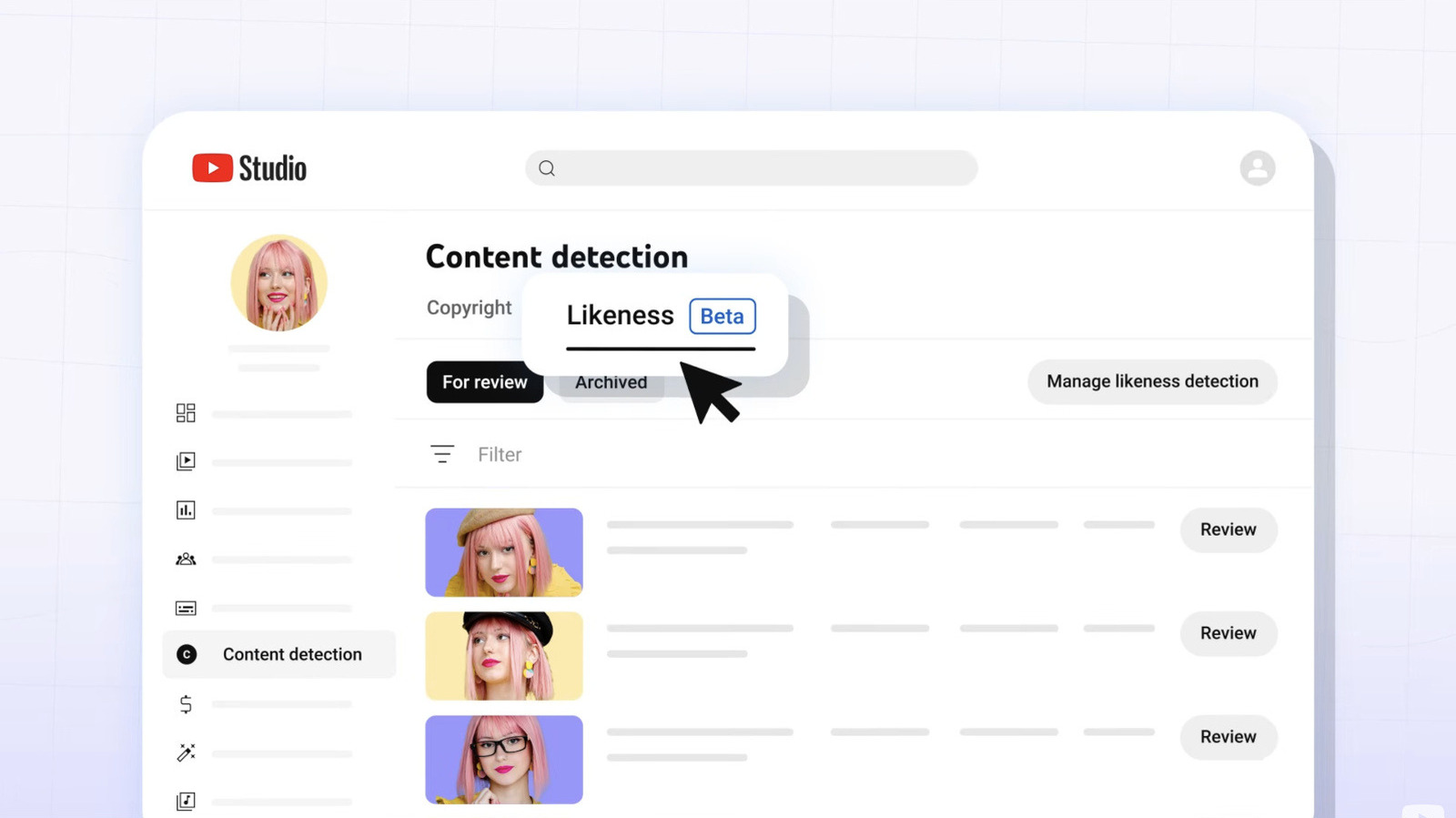
In an increasingly complex digital landscape, where the line between reality and artificial intelligence blurs with alarming speed, YouTube is stepping up its game to protect its users. The platform is rolling out an AI
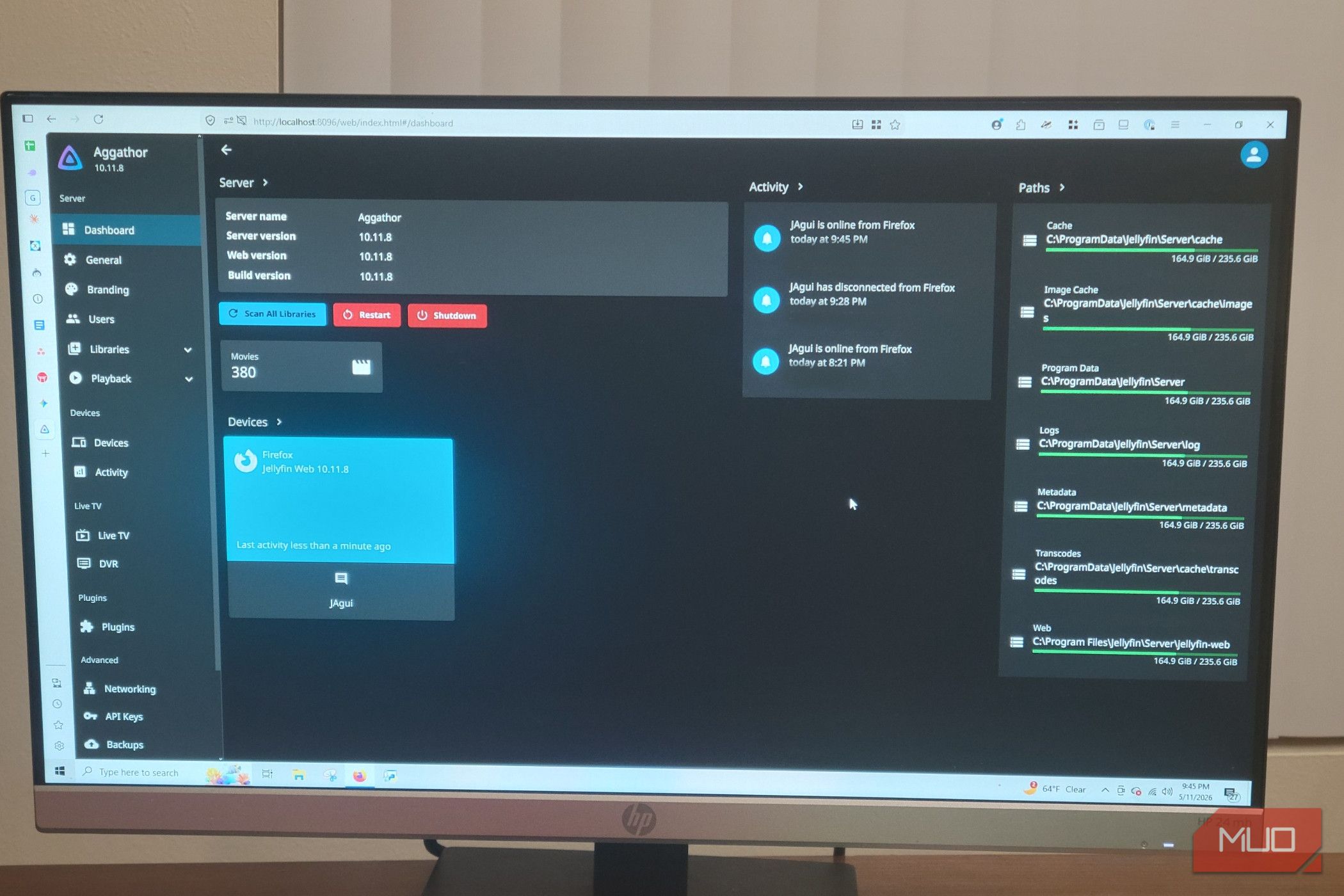
Transition from Plex to Jellyfin and set up a free, private, self-hosted media server. Learn the benefits of Jellyfin's open-source model, enhance your privacy, and easily configure remote access using tools like Tailscale.

Quick Verdict The Dreame X50 Ultra robot vacuum and mop is a premium cleaning powerhouse designed for homes with unique challenges. Its standout features are the auxiliary climbing arms and tangle-free roller, making it

As autonomous AI systems become prevalent, intent-based chaos testing emerges as a critical method to prevent catastrophic failures caused by AI agents acting confidently but incorrectly. This approach addresses the limitations of traditional testing, which fails to account for AI's probabilistic nature and complex interactions. By measuring deviation from an agent's intended behavioral boundaries, this testing methodology helps ensure AI systems operate safely in unpredictable production environments.
React2Shell (CVE-2025-55182) was a critical RCE vulnerability in React's Flight protocol, discovered by unpicking its undocumented internal workings. It leveraged how Flight deserializes complex objects and how `await` leniently handles "thenables," ultimately allowing attackers to execute arbitrary code by manipulating React's internal promise resolution logic.

MCP (Model Context Protocol) is a new standard that acts as a standardized bridge, enabling secure and efficient connections between large language models (LLMs) and external, private enterprise data sources. It addresses the complexity of traditional API integrations by standardizing data formats for AI, making agentic workflows more scalable and effective. MCP ensures LLMs have the crucial internal context needed for practical enterprise applications.

Perplexity's Personal Computer, its local AI agent, is now available to all Mac users via a new desktop app. It securely accesses local files, apps, and the web to automate complex workflows, with full features requiring a Pro or Max subscription.

xAI has launched Grok 4.3, its new large language model, featuring "always-on reasoning" and advanced agentic capabilities. The model arrives with an aggressively low API pricing strategy ($1.25/$2.50 per million input/output tokens) and a sophisticated voice cloning suite called Custom Voices. While excelling in specialized legal and financial tasks, Grok 4.3 presents a complex trade-off between cost efficiency, deep reasoning, and general consistency for enterprise users.

ChatGPT Images 2.0 is more than an upgrade, focusing on reasoning, accuracy, and practical applications. It excels at complex prompts, text generation, and consistency, marking a significant step for AI visuals.
