
The Man Behind MPC, Roger Linn, Stays Focused With a Single Browser
Roger Linn, the legendary innovator behind instruments like the MPC, maintains a remarkably focused digital life, often operating with just a single browser tab open. His minimalist tech habits, including avoiding social media, underline his philosophy of simplicity in a complex world, all while he explores new frontiers in VR.

Roger Linn, the undisputed visionary whose innovations shaped modern music production, operates with a surprisingly minimalist approach to technology. The mind behind legendary instruments like the MPC and LinnDrum, Linn, despite his decades at the cutting edge, reveals he often works with a mere single browser tab open. This stark simplicity offers a glimpse into how he maintains the focus required for continuous ground-breaking creativity.
Linn's Enduring Legacy in Music Tech
Linn's impact on music technology is profound and extensive. He revolutionized rhythm machines with the LM-1, the first drum machine to incorporate samples, followed by the iconic LinnDrum, a staple on 1980s hits for artists like Prince, Tom Petty, and Queen. These innovations laid the groundwork for future advancements in digital music.
His greatest contribution, however, is widely considered to be the MPC series. Partnering with Akai, Linn engineered the MPC60 and its successors into essential tools for hip-hop and house producers worldwide. The cultural significance of the MPC is undeniable, with J Dilla's MPC3000 even enshrined in the Smithsonian, a testament to its pivotal role in shaping genres.
Beyond drum machines and samplers, Linn was also an early proponent of MIDI Polyphonic Expression (MPE). His expressive 3D controller, the LinnStrument, launched in 2014, predating the official MPE standard by three years. This commitment to intuitive and powerful musical interaction highlights his foresight and dedication to enhancing creative expression.
The Power of Simplicity and Focus
Linn’s operational philosophy champions focus and simplicity, a direct counterpoint to the increasingly cluttered digital landscape. When asked about his current browser tab count, he simply states "One. This document." This deliberate reduction of digital distractions is key to his ability to innovate.
His disciplined approach extends to social media, which he largely eschews, using platforms only to announce his monthly "All Things LinnStrument" email newsletter. This curated interaction allows him to stay connected without succumbing to the noise of constant feeds. When facing creative blocks, Linn advises shifting perspective, while his primary tools for regaining focus involve deep breathing and calming down.
The underlying principle guiding his work and life is encapsulated in the best advice he ever received: "Keep it simple." This ethos is clearly reflected in his digital habits, proving that advanced innovation doesn't necessarily require complex digital environments.
Essential Tools and Digital Preferences
For a pioneer of Linn's stature, his choice of indispensable tools is surprisingly accessible. His MacBook Pro serves as his primary workstation, while Rhino3D is the first application he installs on any new computer. He keeps the New York Times pinned to his tab bar, suggesting a preference for curated information over broad digital exploration.
While he values functional technology, Linn expresses disappointment with products designed by engineers who assume their customers share the same technical background. He also wishes for improvements in everyday tools, specifically citing persistent bugs in Apple Mail as a personal frustration.
Embracing the Virtual Frontier
Despite his lean digital footprint, Linn is deeply enthusiastic about the potential of virtual reality. VR headsets, including the Meta Quest 3 and Apple Vision Pro, are his current favorite gadgets and his ongoing obsession. He views the Apple Vision Pro, despite its underappreciated status, as "the most amazing product I rarely use," highlighting its potential.
His digital "happy place" is a VR app called Walkabout Mini Golf on the Meta Quest. He frequents its artistically designed open virtual worlds for relaxation, meeting friends, or simply flying around. Linn even expresses a willingness to splurge on a future VR headset offering retina resolution, high power, and extensive beautiful open worlds, underscoring his belief in the medium's future.
Reflections and Future Vision
Linn’s most cherished creation remains the LinnStrument, an embodiment of his commitment to expressive musical tools. His proposed biopic tagline, "He created tools that allowed musicians to make better music," perfectly encapsulates his life's mission.
In an increasingly digital world, Linn has long embraced digital media, stating he stopped buying physical media years ago, preferring digital forms for books, music, and films. His fondest gaming memories are of Myst, a classic known for its immersive environments, perhaps foreshadowing his current fascination with VR. The only tech trend he wishes would vanish is spam, a common sentiment in the digital age.
FAQ
Q: What is Roger Linn's most significant contribution to music technology? A: Roger Linn's most significant contribution is widely considered to be the MPC series, which he created in partnership with Akai. These samplers became foundational tools for countless hip-hop and house producers, revolutionizing music production.
Q: How does Roger Linn maintain focus despite being a technology innovator? A: Linn maintains focus through minimalist digital habits, such as keeping only one browser tab open at a time and largely avoiding social media. He also practices breathing and calming down to concentrate, and shifts his perspective when feeling stuck, adhering to his personal mantra to "keep it simple."
Q: What is Roger Linn's current technological obsession? A: Roger Linn's current technological obsession is virtual reality (VR). He frequently uses headsets like the Meta Quest 3 and Apple Vision Pro, and enjoys VR apps like Walkabout Mini Golf, expressing a willingness to invest in future high-resolution VR technology.
Related articles

Apple Unveils iPhone Duo: Pricey Foldable Sees Soaring Demand
Apple has officially entered the foldable smartphone arena with the long-anticipated launch of the iPhone Duo. Priced starting at a hefty $1,999, the device features a 5.4-inch outer display and a larger 7.6-inch inner

in-depth: Chicago-Area Cops Helped HSI Spy on Minnesota Anti-ICE
Chicago-area law enforcement, including local police and HSI agents, conducted undercover surveillance on Minnesota anti-ICE activists at an April 2, 2022, talk in Chicago. This operation was part of a federal conspiracy probe into 15 Minnesota activists facing felony charges related to immigration enforcement resistance. Civil liberties advocates have condemned the surveillance as a troubling intrusion into protected political activity.

Mark Wahlberg on using AI in film ‘the right way’ and being open to
Actor Mark Wahlberg believes AI has a place in filmmaking if used responsibly for enhancement, not script generation or actor replacement. At TechCrunch Disrupt, he expressed openness to an AI likeness carrying on his legacy, managed by his family, and emphasized storytelling.

Tesla Unveils Thruster-Equipped Roadster, 2028 Production Targeted
Tesla has unveiled its second-generation Roadster, featuring cold-gas thrusters co-developed with SpaceX, enabling it to jump and flip. The electric sports car demonstrated 0-60mph in an astonishing 0.81 seconds, with production targeted for 2028. This highly anticipated reveal also serves as a key recruitment tool for Tesla's ambitious AI and robotics initiatives.

Amazon Prime Video Launches AI-Powered Prime 360 for NBA Coverage
Amazon Prime Video is elevating its NBA coverage with the introduction of Prime 360, an AI-powered replay system offering immersive, 'fly through' views of the action. Kicking off its second season, Prime Video also adds Yahoo fantasy integration and gains exclusive Eastern Conference Finals rights, expanding its tech-driven sports broadcast. The new features aim to deliver a unique and interactive viewing experience for basketball fans.
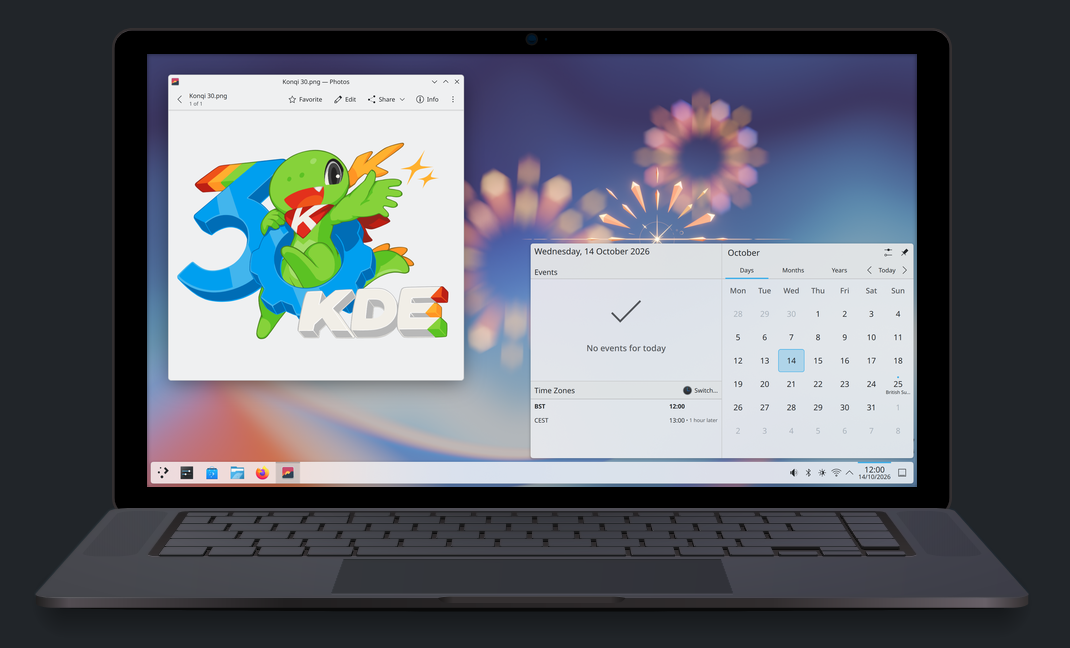
KDE Plasma 6.8: A Future-Focused 30th Anniversary Update
Quick Verdict KDE Plasma 6.8, arriving as the "30th Anniversary Edition," is a pivotal release that decisively pushes the desktop environment into the future. With a definitive farewell to native X11 sessions and a