
regional: Zuckerberg’s yacht, Meta’s layoffs, a robot pizza flameout
Mark Zuckerberg's superyacht arrived in Seattle the same day Meta disclosed nearly 1,400 local layoffs, signaling a complex period for the tech giant. Meanwhile, robot pizza startup Picnic shut down, and corporate America grapples with the rising costs of AI, including practices like "tokenmaxxing" that inflate expenses. These events highlight a tech industry facing both opulence and economic realities.

A stark contrast between lavish wealth and corporate belt-tightening unfolded in Seattle this week as Mark Zuckerberg’s 387-foot superyacht, Launchpad, arrived on Lake Union. Its docking coincided directly with Meta’s disclosure of nearly 1,400 layoffs in the region, impacting approximately 20% of its local workforce. This significant reduction near Meta’s own engineering center underscores a complex period for the tech giant.
The colossal yacht, which navigated through the Ballard Locks before mooring, became an instant spectacle, drawing onlookers curious about the vessel and its illustrious owner. Adding to the display, Zuckerberg's $100 million "Wingman" support vessel was also reportedly present in Seattle waters, accompanying the main superyacht. The timing of these high-profile arrivals amidst substantial job cuts has sparked considerable discussion within the tech community and beyond.
Meanwhile, the innovative vision of automated food preparation faced a significant setback as Seattle-based robot pizza startup Picnic announced its closure. The company, which developed a machine capable of enabling a single worker to produce up to 100 customized pizzas per hour, has shut down operations and sold its assets to an undisclosed buyer.
Picnic's flameout highlights the persistent challenges confronting hardware startups, even those with promising technology and enthusiastic early adopters. Despite one customer reportedly aiming to revive the concept, Picnic's demise serves as a potent reminder of the difficulties in scaling and sustaining ventures in the robotics and food tech sectors.
Beyond the immediate headlines, the broader corporate landscape is grappling with the escalating financial burden of artificial intelligence. Companies that initially encouraged widespread employee experimentation with AI tools are now confronting significantly higher "token bills," with expenses reportedly doubling and even tripling. This shift marks the end of what some have termed the "free AI" era, as the true costs of advanced AI adoption begin to materialize.
The rising expenditure is prompting a reevaluation of AI strategies and a closer look at internal usage. One problematic practice gaining attention is "tokenmaxxing," where employees generate unnecessary AI agents to inflate their standing in internal performance rankings. This trend recently led Amazon to remove its internal Kiro leaderboard, signaling a growing awareness and concern over inefficient or wasteful AI resource consumption.
These distinct events — from Meta's contrasting displays of opulence and austerity to the failure of a once-promising robotics startup and the increasing economic scrutiny of AI initiatives — collectively paint a picture of a tech industry undergoing a significant reality check. The era of unchecked growth and limitless experimentation is giving way to a more cost-conscious and strategically focused approach, even as innovation continues to drive development.
The presence of tech titans' megayachts, such as Zuckerberg's Launchpad and Paul Allen's historic Octopus (known for its role in finding shipwrecks), serves as a symbolic backdrop to these evolving dynamics. While personal wealth continues to ascend, the operational realities for many tech companies and their workforces are becoming increasingly challenging.
FAQ
Q: What led to Meta's recent layoffs in the Seattle area? A: Meta disclosed nearly 1,400 layoffs in the Seattle area, affecting about 20% of its local workforce, as part of a sweeping AI revamp.
Q: What happened to the robot pizza startup Picnic? A: Seattle-based Picnic shut down operations and sold its assets to an undisclosed buyer, marking the latest example of challenges faced by hardware startups.
Q: What is "tokenmaxxing" and why is it a concern for companies using AI? A: "Tokenmaxxing" is the practice of employees spinning up needless AI agents to boost their standings in internal rankings, leading to increased AI costs and inefficient resource use, prompting companies like Amazon to take action.
Related articles
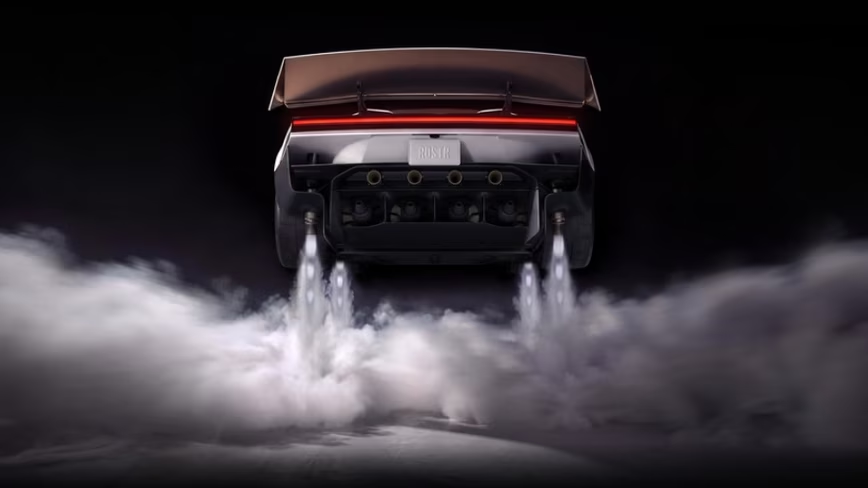
Tesla Unveils Thruster-Equipped Roadster, 2028 Production Targeted
Tesla has unveiled its second-generation Roadster, featuring cold-gas thrusters co-developed with SpaceX, enabling it to jump and flip. The electric sports car demonstrated 0-60mph in an astonishing 0.81 seconds, with production targeted for 2028. This highly anticipated reveal also serves as a key recruitment tool for Tesla's ambitious AI and robotics initiatives.
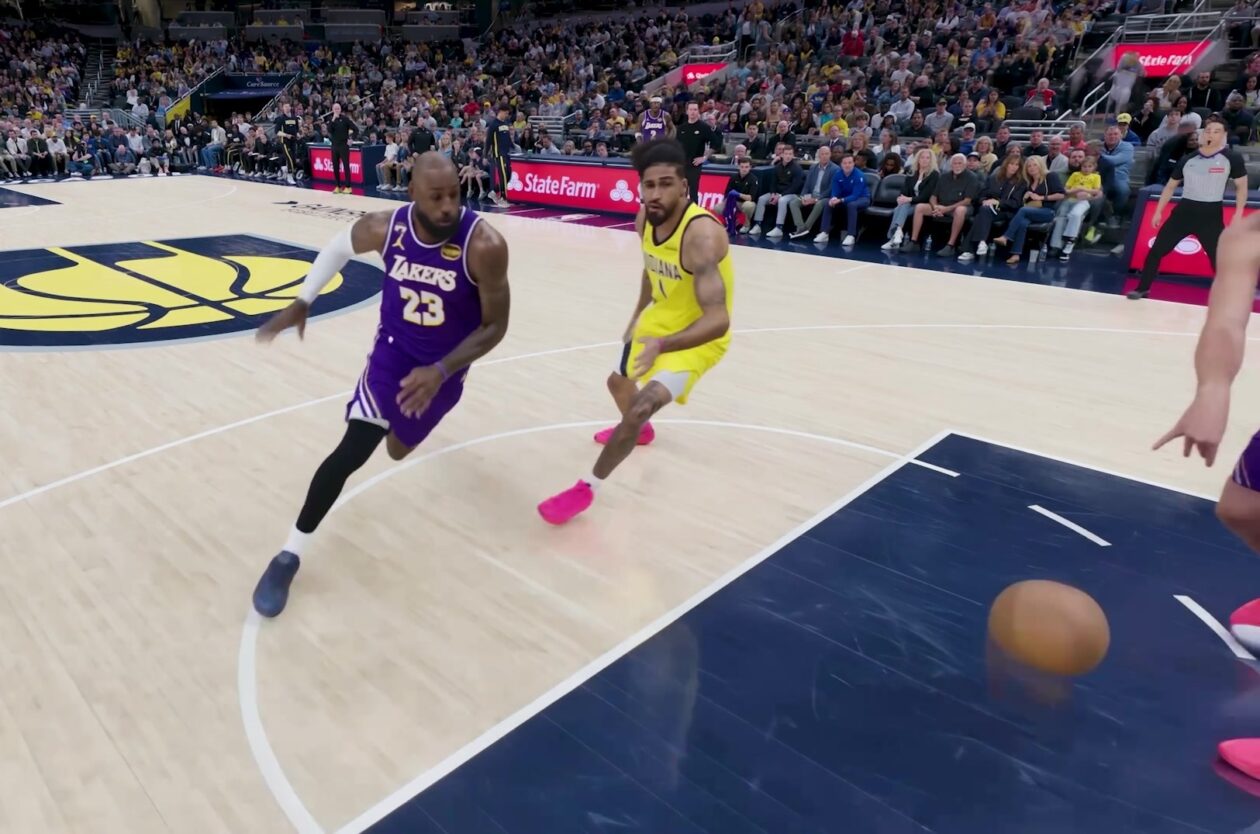
Amazon Prime Video Launches AI-Powered Prime 360 for NBA Coverage
Amazon Prime Video is elevating its NBA coverage with the introduction of Prime 360, an AI-powered replay system offering immersive, 'fly through' views of the action. Kicking off its second season, Prime Video also adds Yahoo fantasy integration and gains exclusive Eastern Conference Finals rights, expanding its tech-driven sports broadcast. The new features aim to deliver a unique and interactive viewing experience for basketball fans.
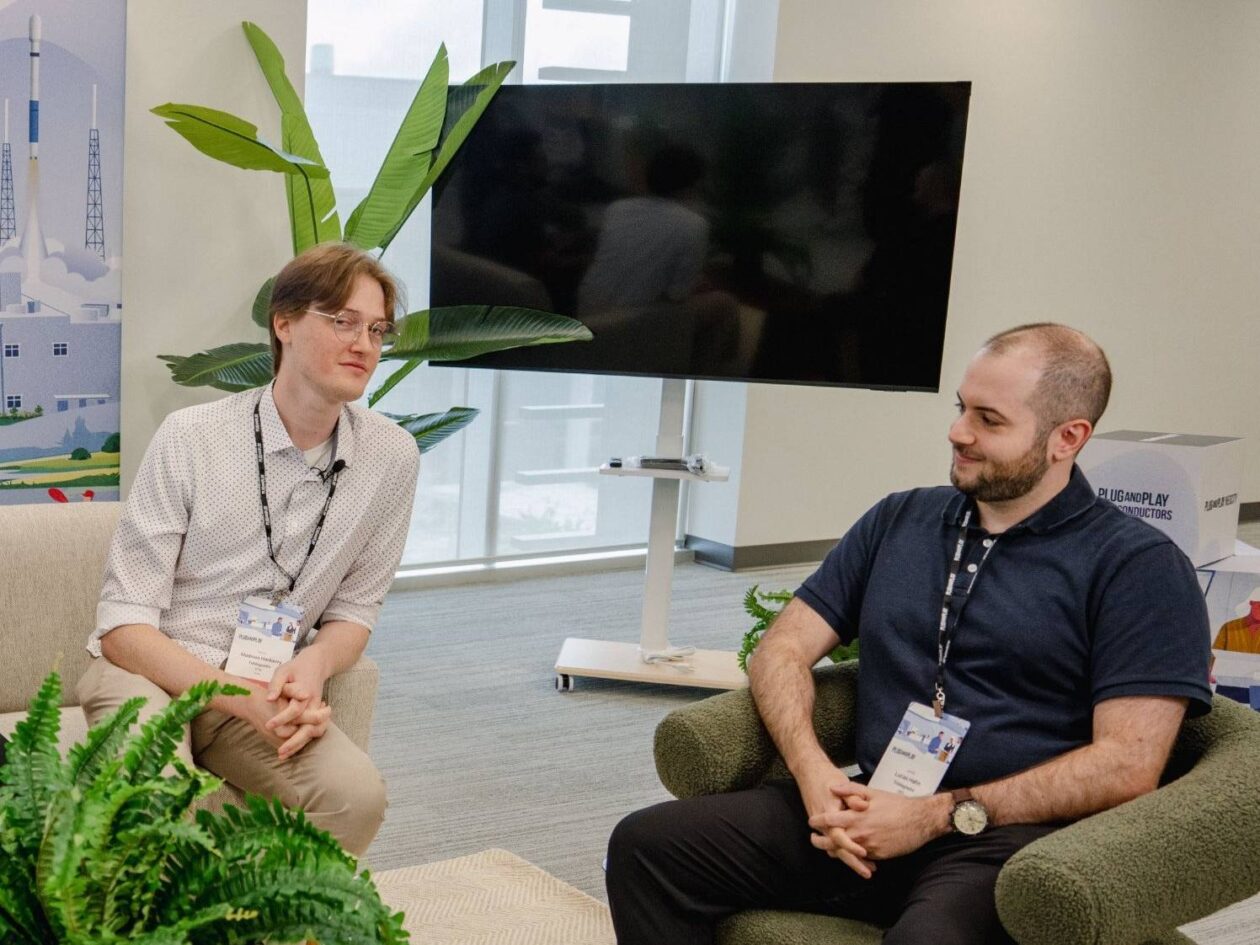
regional: A two-person Seattle startup lands $1M to reinvent
Seattle startup TriMagnetix has secured $1 million to develop semiconductor chips that consume 800 times less energy and are radiation-resistant. The two-person company, leveraging nanomagnetic technology, is targeting space applications and data centers. With new funding and key partnerships, TriMagnetix aims for commercial sales within a year.

Kojima Compares Divisive New Film 'Digger' to MGS2's Prescient Vision
Gaming icon Hideo Kojima has praised the divisive 2026 film *Digger*, drawing intriguing parallels to his own prophetic game, *Metal Gear Solid 2*. Both works, he explains, uniquely explore the dangers of misinformation and a fragmented digital reality, anxieties he shares with *Digger*'s director, Alejandro González Iñárritu.
%20102026%20top%20art%20SOURCE%20Govee.jpg)
in-depth: The Best Permanent Outdoor Lights (2026): Govee, Eufy
WIRED, a leading voice in technology journalism, has just released its updated guide for 2026 on the best permanent outdoor lights, spotlighting top contenders Govee, Eufy, and Cync. These innovative eave lights are

Ubisoft Proposes German Studio Workforce Reduction Amidst
Ubisoft is planning a voluntary departure program for about 100 employees across its Düsseldorf, Berlin, and Mainz studios in Germany. This move is part of a larger, ongoing cost-reduction and restructuring effort by the publisher, aiming to better position its studios for future projects.