
Ferrari Luce: Engineering a New Era of Integrated Automotive
The Ferrari Luce represents a significant engineering paradigm shift, blending traditional Ferrari performance with spaciousness and an electric power source. It features a radically new architecture, a sophisticated digital-physical UI/UX co-designed with LoveFrom, and advanced aerodynamics. Key innovations include a functional sound system that translates axle vibrations into driver feedback and long-term support for its high-voltage components, offering valuable lessons for complex system design in software development.
As software developers, we often tackle complex systems, balancing performance, user experience, and long-term maintainability. The Ferrari Luce, a new offering from Maranello, presents a fascinating parallel, showcasing how a brand synonymous with raw, uncompromising performance approaches a radical shift toward electrification, enhanced spaciousness, and an intricately integrated digital-physical experience.
The Engineering Challenge: Blending Heritage with Innovation
Ferrari's core identity revolves around performance and engagement. The Luce introduces a compelling paradox: an "uncompromising performance" vehicle that also boasts "spaciousness" and a "five-seat configuration" within a "four doors" framework. This isn't just about adding seats; it signifies a "radically new architecture" designed from the ground up. At its heart is an "electric power source" combined with "Ferrari-engineered engines and advanced drivetrain." This isn't a simple bolt-on; it's a fundamental reimagining, demanding innovative engineering to deliver the signature Ferrari driving dynamics alongside electric-car refinement and previously unmatched comfort.
Crafted entirely in Maranello, the Luce represents a bespoke technical platform where innovation permeates every component. The challenge for Ferrari, much like a software team refactoring a monolithic application, was to introduce substantial changes—like an electric powertrain and a more versatile form factor—without sacrificing the core values that define the product.
The Digital-Physical Interface: A Masterclass in UX
For developers focused on user experience, the Luce's interior design is particularly insightful. Collaborating with Sir Jony Ive and Marc Newson at LoveFrom, Ferrari pursued a singular design language emphasizing "clarity & coherence" and "refined simplicity." This translates into interior forms that are "simplified and rationalised in service of the driving experience."
Crucially, the interface design exemplifies a thoughtful convergence of tactile and digital interaction. The Luce features "deeply engaging tactile controls [that] employ the best characteristics of physical and digital, combining beautiful mechanical buttons, switches and dials with multifunctional digital displays." This approach echoes best practices in software design, where critical, frequently used functions benefit from immediate, physical feedback, while configurable or contextual information is best presented on dynamic digital displays. It avoids the common pitfall of over-digitization, maintaining a tangible connection for the driver.
Aerodynamics and Intelligent System Optimization
The pursuit of performance efficiency is evident in the Luce's aerodynamics. It achieves the "lowest drag coefficient in Ferrari history" through a holistic approach. This isn't merely about sleek body lines but involves "aero-styling convergence," "active air shutters," and "ride-height logic that lowers the front by 10 mm even while cruising." This interconnected system demonstrates how software-controlled elements (active shutters, ride-height logic) work in tandem with physical design to dynamically optimize performance. Surfaces are meticulously refined to be "smooth, continuous and uninterrupted," illustrating a dedication to incremental gains through integrated design.
Enhancing Engagement Through Simulated Feedback
One of the most innovative technical details lies in the Luce's sound system. Moving to an electric power source can mute the visceral experience often associated with high-performance vehicles. Ferrari addresses this by making sound "authentic and functional." The system doesn't just play recordings; "sound waves are captured from electro-mechanical vibration in the axles that are equalised, amplified and delivered alongside visual feedback to inform the driver." This creates a genuine, responsive audio experience that directly correlates with the car's physical state. Furthermore, this sound activates to "inform torque shifting in Manual and Performance modes," supporting a driver's ability to "build progression via paddles, sustaining involvement and control across acceleration and deceleration." This is a powerful example of using augmented reality – in this case, augmented sound – to enhance human-machine interaction based on real-time sensor data.
The Connected Ecosystem and Lifecycle Management
Like modern software, the Luce is part of a larger ecosystem. A dedicated "Ferrari Luce App" allows control over "climate, charging settings and displays car status." This connected functionality is critical for electric vehicles and extends the user experience beyond the physical vehicle. From a long-term perspective, Ferrari emphasizes "Long-term support for high-voltage components, including batteries and electric power systems, factory-backed servicing, updates, and lifecycle assistance." This commitment to durability and performance preservation mirrors the need for robust update mechanisms and ongoing support in complex software systems.
Practical Takeaways for Developers
The Ferrari Luce project offers several valuable lessons:
- Holistic System Design: Performance and user experience are deeply intertwined, requiring close collaboration between hardware and software engineering from conception.
- Thoughtful UI/UX: The blend of physical and digital controls highlights the importance of choosing the right interface for the right task, prioritizing tactile feedback for critical operations.
- Data-Driven Feedback: Leveraging sensor data to create rich, meaningful user feedback (like the functional sound system) can significantly enhance engagement and control.
- Lifecycle Considerations: Designing for long-term support, updates, and maintainability is crucial, especially for systems with complex, high-value components.
- Innovation within Constraints: Successfully introducing radical changes while preserving core brand identity requires a deep understanding of what defines the product and a willingness to reinvent its underlying architecture.
FAQ
Q: How does Luce balance traditional Ferrari performance with its new attributes (spaciousness, electric power)?
A: The Luce achieves this balance through a "radically new architecture" developed in Maranello. It features an "electric power source, Ferrari-engineered engines and advanced drivetrain" combined with an all-wheel-drive, four-door, five-seat configuration. Performance is maintained through a "lowest drag coefficient in Ferrari history" achieved via active aerodynamics and an "advanced dynamic management" system, ensuring engagement without compromise.
Q: What's unique about the UI/UX design in the Ferrari Luce?
A: The UI/UX, designed with Sir Jony Ive and Marc Newson at LoveFrom, focuses on "clarity & coherence" and "refined simplicity." Its uniqueness lies in combining "beautiful mechanical buttons, switches and dials with multifunctional digital displays," effectively merging the best characteristics of physical tactile controls with the flexibility and information density of digital interfaces.
Q: Can you elaborate on how the Luce's sound system is 'functional'?
A: The sound system is functional because it provides authentic, informative feedback to the driver. It captures and equalizes "electro-mechanical vibration in the axles," amplifying these sound waves and delivering them alongside visual feedback. This system activates to "inform torque shifting in Manual and Performance modes," enabling the driver to feel and control progression through paddles, thus maintaining involvement during acceleration and deceleration.
Related articles

DJI Solo Video Setups: Smart Choices for Lone Creators
This review delves into DJI's recommended solo video setups, highlighting the Osmo Pocket 3 Creator Combo as a top pick for its integrated camera, gimbal, and mic. It also covers stabilizers like the Osmo Mobile 8 and RS 4, and the DJI Mic Mini series for enhanced audio, providing honest pros, cons, and clear buying advice.

AI's Confidence vs. Formal Methods' Rigor: Design Flaws & Verification
While AI accelerates code generation, formal methods remain critical for ensuring system correctness. Languages like TLA+ and tools like Quint enable developers to model and verify system designs before coding, catching subtle flaws. Quint makes formal methods more accessible with developer-friendly syntax and executability. This approach is vital for verifying AI-generated code through trace validation and model-based testing, ensuring reliability against real-world data.

Ephemeral PR Preview Environments on GKE: A Deep Dive
Every development team eventually grapples with the limitations of shared staging environments. The familiar scenario: multiple features deployed simultaneously, database migrations clashing, and the phrase "it works on
Secure Internal API Access for AI Agents with MCP
AI agents accessing internal APIs directly pose significant risks, including identity loss, unrestricted queries, and security bypasses. The Model Context Protocol (MCP) offers a solution by defining explicit tools. A secure architecture involves an MCP server wrapping the API with strict input validation, coupled with a gateway that handles authentication, rate limiting, and audit logging, ensuring safe and accountable access.
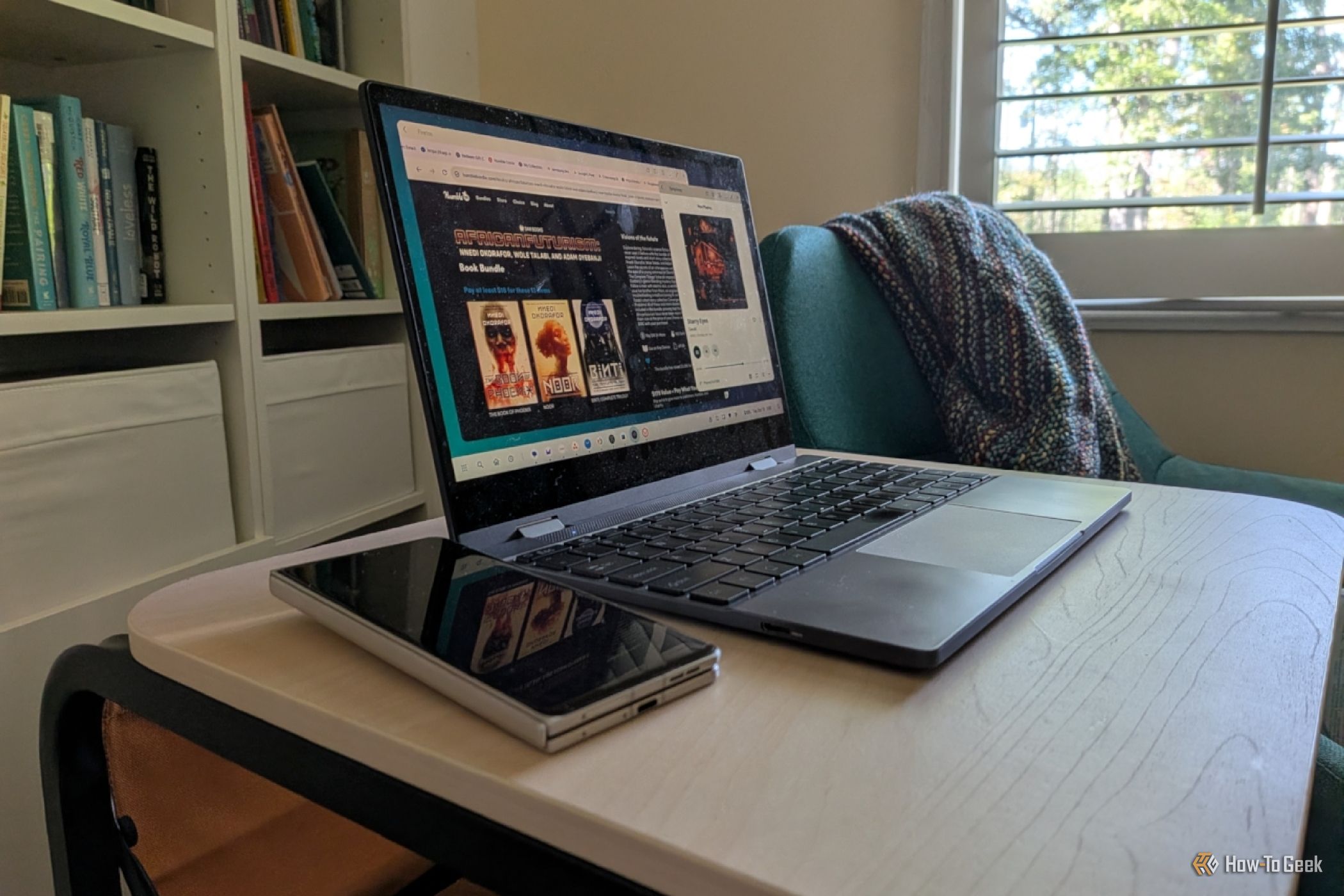
Turn Your Android Phone into a Powerful Desktop Replacement
Learn how to transform your Android phone into a full-fledged desktop computer using external displays and accessories, providing a cost-effective and integrated alternative to new Googlebooks.
Beyond the Resume Noise: Developer Story Rethinks Tech Hiring
Stack Overflow is addressing the growing challenges in tech hiring, exacerbated by AI's influence leading to untrustworthy and generic resumes. Their solution, the re-introduced Developer Story, offers a platform for developers to authentically showcase their work, expertise, and impact through verifiable contributions and personal projects. This aims to provide hiring teams with more objective insights and help genuine talent stand out in a crowded market.