31 results found

OpenAI has reportedly told investors its annualized revenue is nearing $50 billion, a significant $20 billion less than previous projections. This update highlights pressures on the AI giant to justify massive investments and comes amidst a delayed IPO.

A Newzoo report challenges the 'F2P is dying' narrative, showing absolute playtime is flat despite a share dip. Gacha RPGs are driving massive growth on PC, adding billions of hours. Yet, engagement isn't proportionally boosting revenue, signaling a crucial industry challenge.

Activision reports that cheating in games is an $8.5 billion industry, encompassing cheat sales, account services, and spoofing. A survey reveals that 69% of online multiplayer studios consider cheating a "significant problem," impacting player retention and revenue. Developers are increasingly investing in sophisticated anti-cheat measures, forming dedicated teams, and adopting multi-layered security approaches to combat this evolving threat.
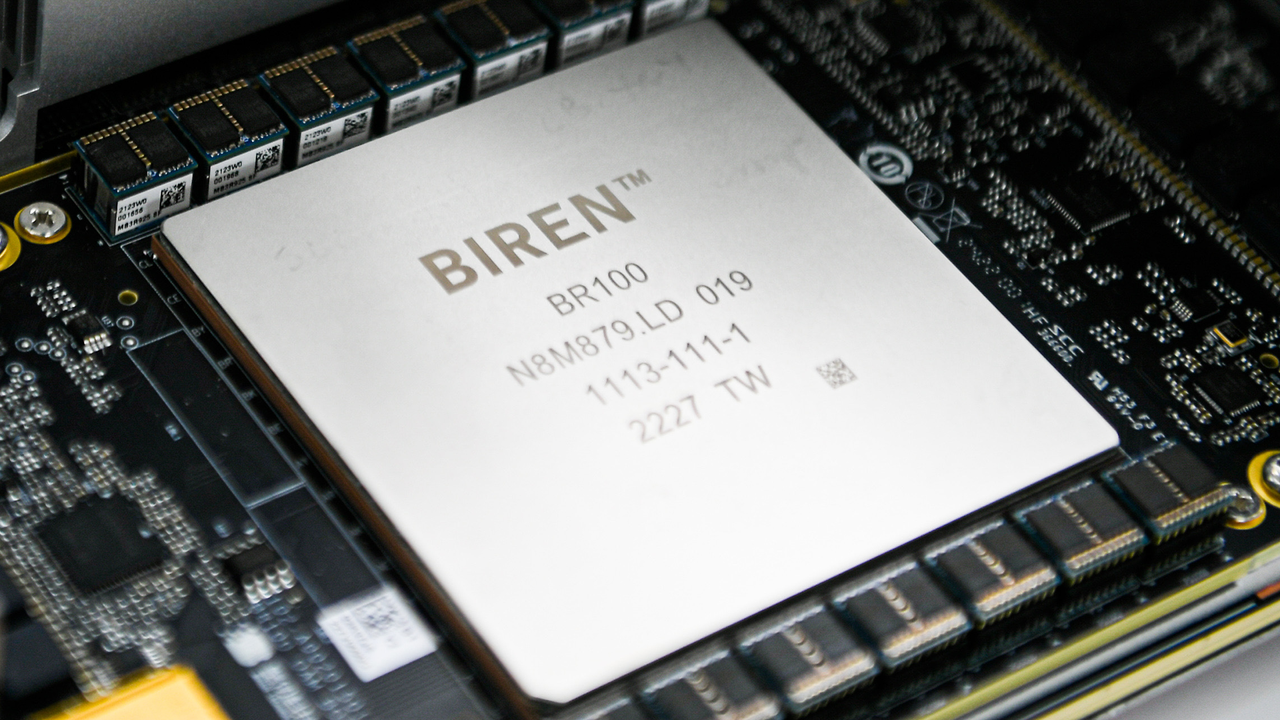
Biren Technology shows explosive 2,000% revenue growth in China's AI accelerator market, benefiting from US export controls. Despite impressive gains from a small base, challenges in manufacturing and software remain.
The Seattle Times and Newsday have initiated a copyright infringement lawsuit against OpenAI and Microsoft, alleging systematic scraping of articles, paywall circumvention, and the creation of AI alternatives that impact revenue. This action expands the growing legal challenge from news organizations against AI developers and raises critical questions about AI training practices.
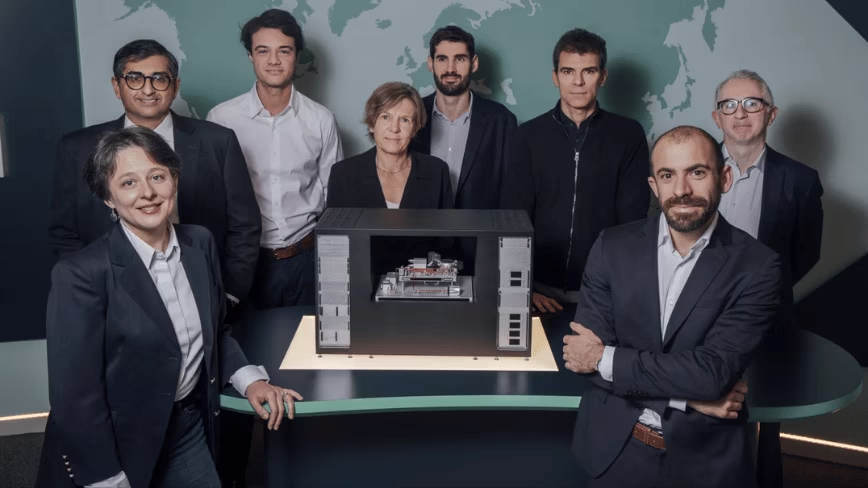
French quantum computing pioneer Pasqal has successfully debuted on the Nasdaq exchange under the ticker PSQL, concluding its merger with Bleichroeder Acquisition Corp. II. The company secured approximately $360 million

X's Legal Gambit: A High-Stakes Battle for Advertising Revenue Verdict: X, under Elon Musk, is pursuing an aggressive and highly unconventional legal strategy against advertisers, attempting to revive a lawsuit alleging

AMD's Q2 2026 earnings reveal a booming data center business, with revenue soaring to $6.7 billion, more than doubling year-over-year due to intense AI demand. While overall company revenue hit a record $11.5 billion, the gaming segment faced a 31 percent decline, impacted by increased component costs and higher graphics card prices.
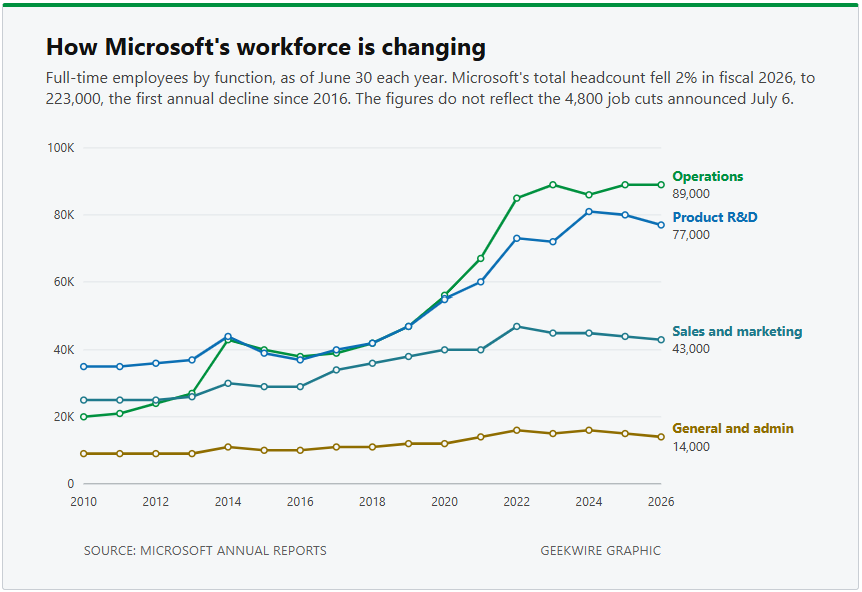
Microsoft's total headcount dropped for the first time in a decade, fueled by a second consecutive decline in R&D roles, despite record revenue growth. This strategic shift reflects the company's adaptation to the AI era, including significant investments in AI infrastructure and a reallocation of engineering talent to customer-facing roles.

Station F is intensifying its focus on the European AI ecosystem with the upcoming second batch of its F/ai accelerator program. Aiming for rapid commercialization, the program helps startups achieve significant revenue, backed by major tech partners and VCs. This initiative reinforces Station F's role as a critical hub for nurturing AI talent and innovation on the continent.
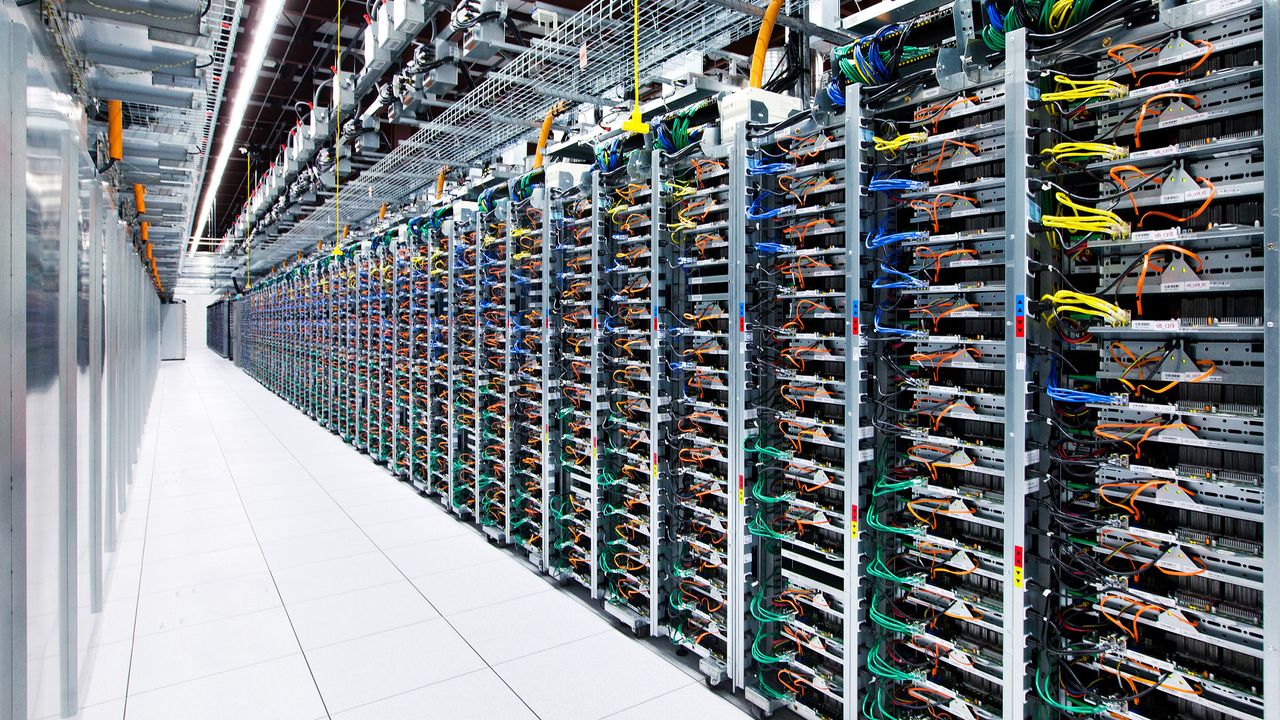
Quick Verdict: The Data Center's New Powerhouses The server market is undergoing a seismic transformation, with Arm-based processors and GPU-accelerated systems rapidly rewriting the rules. Our latest analysis from

Most financial models rely on a single consensus estimate for forward-looking inputs like revenue or EPS. While convenient, this approach flattens crucial data, reducing complex expectations to just an average. The

CoreWeave, the AI cloud provider, is set to join the Nasdaq-100 Index on June 22, 2026, a mere 15 months post-IPO. Transitioning from crypto mining, the company boasts rapid revenue growth and a massive backlog but faces significant debt and concentration risks. This inclusion validates its position as a core tech player.

Amazon has officially become the No. 1 company on the Fortune 500 list for the first time in 13 years, dethroning Walmart. Reporting over $700 billion in 2025 revenue, this marks a historic shift for the tech giant. Other leaders like Microsoft, Alphabet, and Nvidia also achieved notable milestones.

Meta is projected to surpass Google as the world's largest digital advertising company by the end of 2026, with Emarketer forecasting Meta's global net ad revenues to reach $243.46 billion. This historic shift is driven by Meta's AI-powered Advantage+ ad suite and the expansion of new ad surfaces across WhatsApp and Threads, significantly outpacing Google's ad growth.
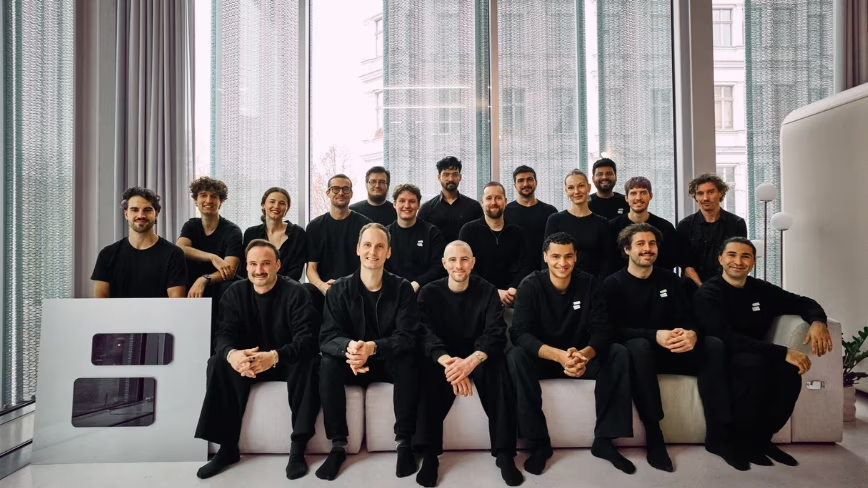
Berlin-based startup Peec AI has achieved a remarkable milestone, more than doubling its annual recurring revenue (ARR) to $10 million in just six months. The company's rapid ascent is attributed to its innovative

Palantir Technologies faces a dual challenge: retail investors are selling off shares to rotate into semiconductors, while the German military has formally rejected the company for defense contracts. Despite strong Q1 revenue growth of 85% to $1.63 billion and raised full-year guidance, Palantir's stock is down 20% year-to-date, indicating a failure of its long-standing market narrative.
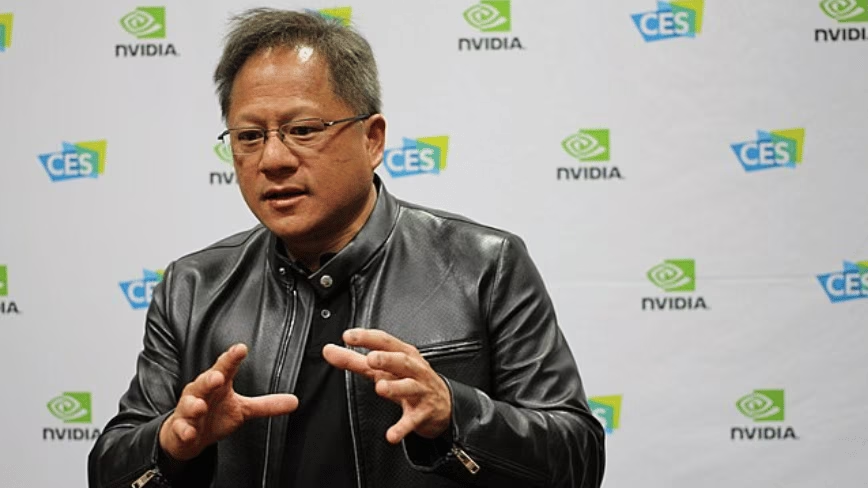
NVIDIA has committed over $40 billion to AI equity investments in the first four months of 2026, including a $30 billion stake in OpenAI. This strategy, which also includes significant investments in companies like CoreWeave, IREN, and Corning, aims to ensure compute capacity is built around NVIDIA's GPUs, influencing the entire AI value chain. While bolstering NVIDIA's data-center revenue, the aggressive approach raises questions about "circular financing" and potential regulatory scrutiny.

Indie games have quietly sparked a revolution, transforming from a niche sideshow into a major force in the industry. Driven by accessible tools like the Godot engine and developer independence, indies are revitalizing abandoned genres and creating new ones. They now account for nearly half of Steam's full-game revenue, building a thriving, self-sufficient economy outside traditional publishing.
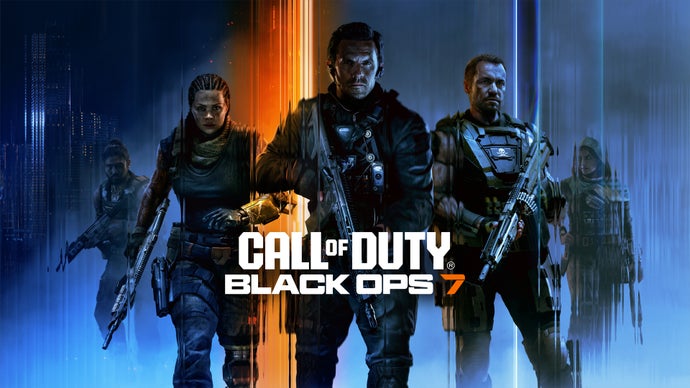
Xbox pulled Call of Duty from day-one Game Pass launches, moving them to roughly a year later. This came with Game Pass price cuts. Data shows CoD wasn't driving new subscriptions but cannibalizing premium sales, and the franchise itself faces declining engagement and revenue, prompting Xbox's strategic pivot.

Daniel Shapero, LinkedIn's COO since 2021, has been appointed CEO, succeeding Ryan Roslansky. Roslansky will now serve as Executive Vice President, overseeing both LinkedIn and Microsoft Office, emphasizing Microsoft's AI strategy. This leadership shift aims to bolster AI integration and comes as LinkedIn reports record quarterly revenue exceeding $5 billion, part of a $20 billion annual run rate.

Quick Verdict Steam stands as an undeniable powerhouse in PC gaming, commanding an overwhelming 70 to 80% of the digital distribution market. While it operates with the same 30% revenue cut that draws fire for other
AI chip maker Cerebras has refiled for an initial public offering (IPO), revealing a 75% revenue surge to $510 million and a $238 million profit last year. The move positions Cerebras amid a burgeoning wave of tech IPOs, including anticipated listings from SpaceX, OpenAI, and Anthropic.

The Epic Games Store, nearly a decade old, still struggles to compete with Steam despite its favorable revenue share for developers and weekly free games. Its slow performance, lack of user-centric features, and absent community elements leave it far behind Steam's robust ecosystem, failing to retain users beyond the allure of freebies.
Star Wars Eclipse, Quantic Dream's High Republic title, faces an uncertain future. Reports indicate very slow development and a lack of new hires. Its fate hinges on the commercial success of Quantic Dream's new free-to-play game, Spellcasters Chronicles, whose revenue is needed to fund Eclipse.
