
Indie Games: The Quiet Revolution Redrawing Gaming's Map
Indie games have quietly sparked a revolution, transforming from a niche sideshow into a major force in the industry. Driven by accessible tools like the Godot engine and developer independence, indies are revitalizing abandoned genres and creating new ones. They now account for nearly half of Steam's full-game revenue, building a thriving, self-sufficient economy outside traditional publishing.
We often look for the next big bang in gaming – that one monumental release or tech breakthrough that changes everything. But sometimes, the most profound shifts happen quietly, incrementally, almost under the radar. What starts as a curious sideshow slowly, surely, becomes a central pillar. That’s precisely what’s happened with indie games over the past decade, culminating in a vibrant, self-sustaining economy that’s now impossible to ignore. It’s a slow-burning revolution that has completely redrawn the map of our beloved industry.
The Engine of Change: Godot's Unstoppable Rise
A fantastic peek behind this curtain comes from the open-source Godot engine. While it powers some AAA projects, Godot is primarily a favorite among indie creators, and its growth figures are staggering. We're talking about Steam releases roughly doubling year-on-year, with projections hitting nearly 2,900 titles by 2025-26. Google search interest is up 45% annually, and its adoption at game jams is so consistent its creators believe it could soon account for half of all entries. This surge got a major boost in 2023, of course, when Unity's ill-fated runtime fee policy sent a wave of developers, including the hugely successful Mega Crit (Slay the Spire), straight into Godot's welcoming arms. Slay the Spire 2, rebuilt entirely in Godot, recently became the 20th biggest launch in Steam history by concurrent players, definitively silencing any doubts about the engine's commercial viability.
Carving Out New Worlds: Indie's Thriving Niches
This isn't just about engine rivalries, though. Unity is still thriving. Instead, Godot is carving out its own identity within a creative ecosystem that often operates entirely outside the traditional publisher mindset. This is where 2D games, roguelikes, auto-battlers, cozy management sims, and horror walking simulators flourish. Indies have fearlessly occupied and revitalized entire genres that the mainstream left for dead – think isometric RPGs, city builders, tactical wargames, or metroidvanias. They've used new media channels like streaming to connect directly with passionate, underserved audiences, proving there's a huge appetite for these experiences.
Half the Steam, All the Soul: Indie's Economic Power
By 2024, indie games were bringing in nearly half of all full-game revenue on Steam. Let that sink in for a moment. While consoles, mobile, and in-app purchases certainly tip the overall scales towards major publishers, grabbing almost 50% of the dominant PC distribution platform's revenue is no small feat. Traditional publishers often scratch their heads when an unknown indie developer lands on the Steam charts right next to their blockbuster release. The simple truth is, while the giants were looking elsewhere, indies were busy building a whole alternative gaming universe.
Why Stay Independent? The Indie Mindset
Unlike film or music, where indie success often acts as a pipeline to mainstream blockbusters, the walls between indie and AAA in gaming remain unusually high. There are exceptions, like Evil Empire taking on Castlevania, but they are rare. Part of this is a perceived difference in skillset or mindset, but a huge factor is that many indie developers simply aren't interested in crossing over. The promise of independence – creative freedom, agility, avoiding corporate interference, and the grinding pressure for commercial certainty – is a powerful draw. When small, nimble teams like Innersloth (Among Us) or Landfall can reach millions of players and achieve massive commercial success on their own terms, often with shorter development cycles than a single AAA DLC pack, the allure of a publisher's big check significantly diminishes. The economics of game development at the entry level are more forgiving than ever: tools like Godot are free, distribution is accessible via platforms like Steam, and promotion through streamers is chaotic but effective. Why trade that for a multi-year development cycle overseen by committees?
A New Map of Gaming
This isn't about indie games "killing" AAA; the spectacle and budgets of traditional publishing still command colossal audiences that indies haven't matched. But the landscape has undeniably changed. The vast, empty territory between small hobby projects and big-budget AA titles has been settled. It's now a thriving, self-sufficient space with its own infrastructure, its own rising stars, and a robust economy. Indies didn't ask for permission; they simply built it, piece by piece, and in doing so, they've shown us that the future of gaming is far more diverse and vibrant than many ever imagined.
FAQ
Q: Is Godot truly free for commercial use?
A: Yes, the Godot engine is open source and completely free to use for any project, including commercial ones, without any royalties or licensing fees. This accessibility is a major factor in its growing popularity among indie developers.
Q: Are indie games generally less expensive than AAA titles?
A: Often, yes. While some indies can have higher price points, the barrier to entry for developing and distributing indie games is lower, leading to a wide range of price points. Many indies are developed by smaller teams with smaller budgets, which can translate to more accessible pricing for players.
Q: Does this mean AAA gaming is in trouble?
A: Not necessarily. AAA publishing remains a massive business, creating spectacles that draw huge audiences. The rise of indie gaming is more of a challenge and a re-mapping of the industry, showing that there's a vast, successful market for diverse experiences that traditional publishers often overlook or abandon. It expands the overall gaming ecosystem rather than directly threatening the top tier.
Related articles
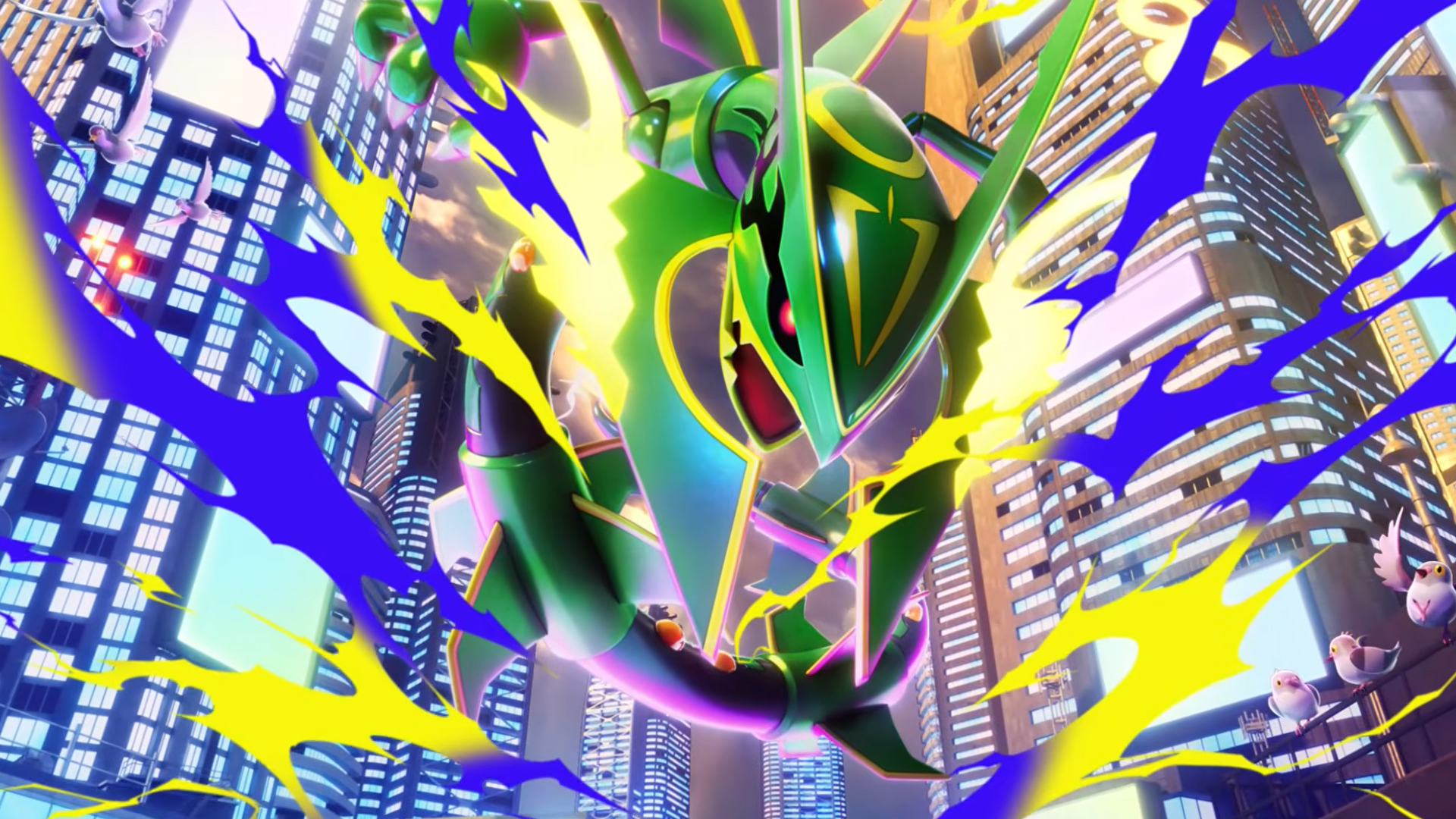
TCG Pocket Responds: A Much-Needed Pace Shift for Pokémon Fans
Pokémon TCG Pocket is rolling out a major update for its second anniversary, primarily addressing player concerns about overwhelming content releases by shifting to a six-week set schedule. This aims to curb player decline and improve overall engagement by giving trainers more time to collect and strategize. The update also adds new collection methods, improved deck-building features, and enhanced trading functionality.

Kojima Compares Divisive New Film 'Digger' to MGS2's Prescient Vision
Gaming icon Hideo Kojima has praised the divisive 2026 film *Digger*, drawing intriguing parallels to his own prophetic game, *Metal Gear Solid 2*. Both works, he explains, uniquely explore the dangers of misinformation and a fragmented digital reality, anxieties he shares with *Digger*'s director, Alejandro González Iñárritu.
Ubisoft Proposes German Studio Workforce Reduction Amidst
Ubisoft is planning a voluntary departure program for about 100 employees across its Düsseldorf, Berlin, and Mainz studios in Germany. This move is part of a larger, ongoing cost-reduction and restructuring effort by the publisher, aiming to better position its studios for future projects.

TGS 2026: These Forward-Looking Cosplays Are Already Living in the
Tokyo Game Show 2026 showcased incredible cosplay, with many fans embodying characters from unreleased games like *Blast Blade* and *Mononoke No Kuni*. This gallery highlights the community's foresight, alongside debut *Palworld* cosplay and refreshed takes on classics. It’s a testament to the passion that brings gaming's future to life.
Beyond the Bugs: Conquering Studio Headaches in Indie Dev
This guide, part three in a series on running an indie studio, tackles the crucial but often overlooked aspect of dealing with non-development related issues. It introduces creating a shared 'studio backlog' for collective problems and using the IDS (Identify, Discuss, Solve) framework to address them constructively. The core message is to build powerful habits that keep studios from getting quietly derailed by lingering challenges.
How to Understand Why the Steam Deck's GPU is Falling Behind
The Valve Steam Deck revolutionized portable PC gaming, bringing a vast library of games to your hands. However, technology moves fast, and even great designs can show their age. This guide will help you understand why