
X Platform's Legal Strategy: Risky Gambit or Necessary Fight
X's Legal Gambit: A High-Stakes Battle for Advertising Revenue Verdict: X, under Elon Musk, is pursuing an aggressive and highly unconventional legal strategy against advertisers, attempting to revive a lawsuit alleging
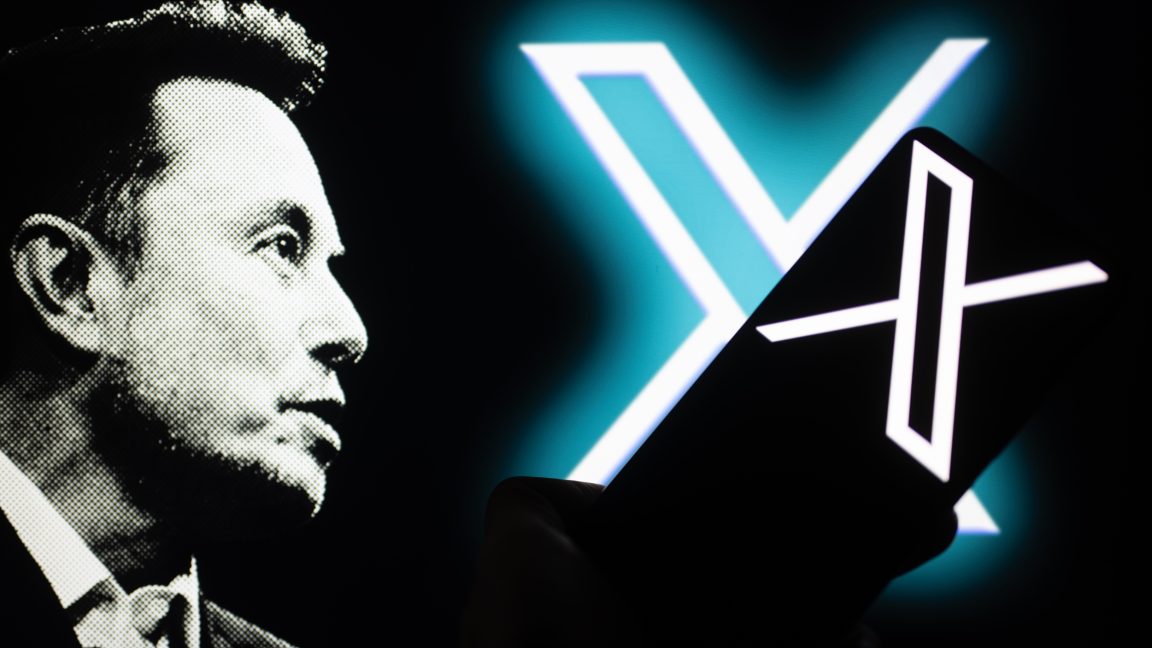
X's Legal Gambit: A High-Stakes Battle for Advertising Revenue
Verdict: X, under Elon Musk, is pursuing an aggressive and highly unconventional legal strategy against advertisers, attempting to revive a lawsuit alleging an illegal boycott despite a district court loss and a recent settlement with a key defendant. While framed as a fight for competitive fairness and economic recovery, this approach risks further alienating brands and highlights deep-seated issues within the platform's business model and content environment. For advertisers and users alike, X's future remains clouded by legal uncertainty and significant financial challenges.
Key Details: The Anatomy of a Lawsuit
The core of this "product" review isn't a new gadget but rather a legal offensive waged by X (formerly Twitter) against a significant portion of its potential advertising base. X has asked the US Court of Appeals for the 5th Circuit to overrule a district judge's decision that dismissed its lawsuit against several major advertisers. The platform contends that these advertisers engaged in an "unusually brazen group boycott," which X argues is an illegal restraint on trade.
The initial lawsuit, filed by Musk's X, named the World Federation of Advertisers as a defendant, alongside industry giants like Mars, Incorporated, CVS Health, Nestle, Abbott Laboratories, Colgate-Palmolive, Lego, Pinterest, Tyson Foods, Shell, and Ørsted A/S. Although X recently reached a settlement with the World Federation of Advertisers, it is determined to continue its legal pursuit against the remaining companies.
A US District Judge, Jane Boyle, previously threw out X's lawsuit in March, ruling that the advertisers did not commit any antitrust violation. Her decision underscored that a loss resulting from competition alone does not constitute an antitrust injury, meaning that even if a group boycott was alleged, no antitrust violation was found in this context. X, however, disagrees, claiming the advertisers' collective action "distorts competition in multiple markets in clear contravention of the antitrust laws."
Central to X's argument is the role of the Global Alliance for Responsible Media (GARM), an initiative by the World Federation of Advertisers. X alleges that GARM "exercised collective power through its rules for membership," requiring members to enforce "Brand Safety Standards" on social media platforms from which they purchased advertising. GARM itself was reportedly shut down after Musk initiated his lawsuit in 2024, though law professors had already labeled X's legal case as potentially weak.
Platform Health and User Experience Implications
When reviewing a social media platform, its health is intrinsically linked to its financial stability, its ability to attract advertisers, and its content moderation policies—all of which directly impact the user experience. X's current legal strategy and financial situation paint a concerning picture.
Advertiser Exodus and Revenue Decline: The backdrop to this lawsuit is a significant and ongoing decline in advertising revenue since Elon Musk acquired Twitter in October 2022. Advertisers have reportedly shied away due to concerns about their ads appearing alongside objectionable content, such as antisemitic posts and misinformation, following changes to content moderation. The financial figures underscore the severity: X's advertising revenue in Q2 2026 was $367 million, a notable decrease from $426 million in Q2 2025. This figure pales in comparison to Twitter's $1.08 billion in ad revenue in Q2 2022, before Musk's takeover. The platform is grappling with a substantial financial shortfall, which inevitably impacts its ability to innovate, maintain infrastructure, and support content creators.
Legal Strategy vs. Business Strategy: Pursuing a lawsuit against current or former advertisers is an aggressive and unusual tactic for a company seeking to rebuild its advertising base. While X portrays it as defending against anti-competitive practices, such litigation could further entrench advertiser skepticism and make it even harder to attract new brands. The perception of a platform that sues its revenue providers might create a hostile environment for potential business partners, regardless of the eventual legal outcome. This legal focus also risks diverting significant resources – financial and executive attention – that could otherwise be dedicated to improving the platform, enhancing content moderation, or developing new features to attract users and advertisers organically.
Content Environment and Brand Safety: The very premise of the advertisers' boycott—concerns over brand safety—remains a critical issue. If X continues to struggle with advertiser trust due the content environment, the platform's long-term viability as a mainstream advertising channel will be challenged. This has direct implications for users, as a platform with fewer advertisers might explore alternative monetization strategies, change content policies further, or experience a decline in service quality due to reduced investment.
Pros and Cons of X's Approach
Pros (from X's perspective):
- Challenging Perceived Collusion: X genuinely believes it is fighting against an illegal boycott that has unfairly harmed its business and distorted market competition. A successful appeal could set a precedent against collective advertiser action.
- Seeking Substantial Damages: The lawsuit aims to recover "massive economic losses," which, if awarded, could provide a much-needed financial injection for the struggling platform.
- Assertion of Rights: It demonstrates X's determination to fight for its business interests in the face of significant financial pressure.
Cons:
- Significant Legal Hurdles: The initial dismissal was a major setback, and overturning a district judge's ruling at the appellate level is a challenging and lengthy process. Legal experts have previously cast doubt on the strength of X's case.
- Further Advertiser Alienation: Continuing to litigate against major global brands, even after settling with one group, risks solidifying their reluctance to advertise on X. This creates a deeply hostile business environment that could make future ad revenue recovery even more difficult.
- Ongoing Financial Bleeding: The lawsuit itself is costly, and the advertising revenue continues to decline, suggesting that the underlying issues causing the exodus remain unaddressed or are being exacerbated by this combative strategy.
- Reputational Damage: The optics of suing business partners can be detrimental to a company's public image and its perceived stability, potentially impacting user trust and employee morale.
- Resource Misallocation: Legal battles divert management's focus and financial resources away from essential product development, platform improvements, and fostering a healthier content ecosystem.
Recommendation for Users and Advertisers
For advertisers, X's current stance represents a highly uncertain and potentially hostile environment. While the platform seeks to reassert its market position through legal means, the ongoing decline in revenue, combined with the risk of litigation, makes it a high-risk proposition for brand safety and return on investment. Until there is clear evidence of a stable, brand-safe content environment and a more collaborative approach to advertiser relationships, exercising extreme caution or seeking alternative platforms remains a prudent strategy.
For users, the platform's long-term health and stability are directly tied to its financial success. Continued legal battles and revenue challenges could impact the quality of service, the range of available features, and even the platform's overall longevity. Users should be aware that the platform's future trajectory is heavily influenced by these ongoing business and legal struggles.
FAQ
Q: What is X's primary argument in its lawsuit against advertisers?
A: X alleges that advertisers engaged in an "unusually brazen group boycott" through organizations like the Global Alliance for Responsible Media (GARM), thereby distorting competition and causing significant economic losses for the platform.
Q: What was the initial judicial ruling regarding X's lawsuit?
A: A US District Judge dismissed the lawsuit, ruling that advertisers did not commit an antitrust violation because simply losing to competitors, as X had claimed, does not constitute an antitrust injury.
Q: How has this situation impacted X's advertising revenue?
A: X has experienced a substantial decline in ad revenue. Its Q2 2026 ad revenue was $367 million, a significant drop from $426 million in Q2 2025, and a drastic reduction from Twitter's $1.08 billion in Q2 2022 before Elon Musk acquired the company.
Related articles
Android 17 QPR2 Beta 7.1: The Performance Relief You've Been Waiting
Android 17 QPR2 Beta 7.1: Finally Fixing the QPR1 Performance Woes Verdict: Android 17 QPR2 Beta 7.1 is a crucial and highly anticipated software update for Google Pixel users, specifically targeting and resolving the

DJI Solo Video Setups: Smart Choices for Lone Creators
This review delves into DJI's recommended solo video setups, highlighting the Osmo Pocket 3 Creator Combo as a top pick for its integrated camera, gimbal, and mic. It also covers stabilizers like the Osmo Mobile 8 and RS 4, and the DJI Mic Mini series for enhanced audio, providing honest pros, cons, and clear buying advice.

Ars Technica's Rocket Report: Your Essential Space Industry Briefing
Quick Verdict Ars Technica's Rocket Report, presented by veteran space reporter Stephen Clark, offers an invaluable and meticulously organized weekly (or similar frequency, implied by "Edition 9.15") digest of the most

Apple iPhone Duo: A Daring Debut with Notable Compromises
Apple's highly anticipated iPhone Duo, priced at $2,000, has gone on pre-order. While hailed as "Apple's most exciting device in a decade" for its innovative foldable design and immersive display, it comes with significant drawbacks like the absence of FaceID and a premium camera.

KDE Plasma 6.8: A Future-Focused 30th Anniversary Update
Quick Verdict KDE Plasma 6.8, arriving as the "30th Anniversary Edition," is a pivotal release that decisively pushes the desktop environment into the future. With a definitive farewell to native X11 sessions and a
Galaxy Watch One UI 9 Beta: Promising Progress, But Patience Needed
Galaxy Watch 8, Watch Ultra, and Watch 7 are receiving a new One UI 9 Watch beta build with bug fixes and a security patch. Active development signals progress, but a stable release date remains elusive.