
CoD Out of Day-One Game Pass: The Data Behind Xbox's Big Move
Xbox pulled Call of Duty from day-one Game Pass launches, moving them to roughly a year later. This came with Game Pass price cuts. Data shows CoD wasn't driving new subscriptions but cannibalizing premium sales, and the franchise itself faces declining engagement and revenue, prompting Xbox's strategic pivot.
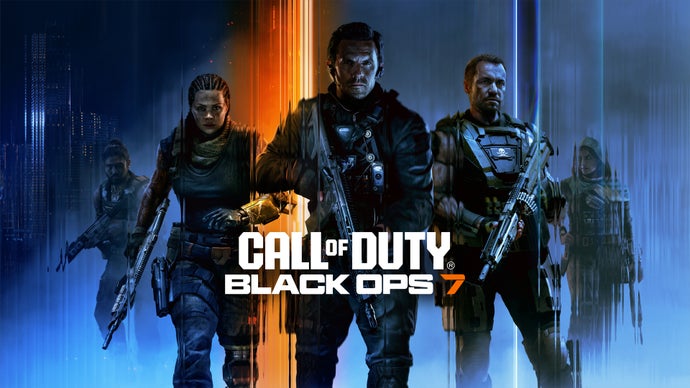
CoD Out of Day-One Game Pass: The Data Behind Xbox's Big Move
Alright, gamers, let's talk about the elephant in the room – or rather, the massive first-person shooter franchise that just packed its bags from Game Pass's day-one lineup. Xbox recently dropped a bombshell: Call of Duty games will no longer launch directly into Game Pass Ultimate. Instead, we'll see them appear on the service about a year after their initial release. Now, before you start mashing your keyboards in despair, this news did come with a silver lining: a sweet price reduction for Game Pass subscribers! Xbox Game Pass Ultimate is now down to $22.99 from $29.99, and PC Game Pass has seen its monthly cost cut from $16.49 to $13.99. So, what gives? Why the sudden shift for one of gaming's biggest franchises? Well, a deep dive into the data reveals some pretty compelling reasons behind this strategic pivot.
The Game Pass Shake-Up: CoD Steps Back from Day One
The announcement, made on April 24, 2026, confirmed that future Call of Duty titles would forgo their immediate Game Pass debut. This marks a significant change for Xbox's flagship subscription service, especially considering the hype around major first-party titles hitting Game Pass on day one. Industry analysts Mat Piscatella of Circana and Piers Harding-Rolls of Ampere Analysis weighed in, generally viewing it as a sensible move that could help boost Game Pass revenues. Harding-Rolls, in particular, believed Xbox was "leaving a substantial amount of revenue on the table through a loss in premium sales" by offering Call of Duty day one.
His sentiment, it turns out, is strongly supported by fresh data.
Unpacking the Data: Why Xbox Made the Call
To get a clearer picture, Newzoo, a market intelligence firm, provided some fascinating data focusing on Call of Duty's performance, particularly since the acquisition. It's important to note a few caveats: the data refers to the "Call of Duty HQ" app, which bundles all CoD releases including the free-to-play Warzone. It also tracks total Call of Duty revenue and player counts across six key markets (USA, UK, IT, FR, DE, ES) for the first five complete months post-launch for each title.
The core finding is stark: while the inclusion of 2024's well-received Black Ops 6 (BO6) in Game Pass did drive a significant jump in active users on Xbox, this engagement didn't translate into revenue.
Manu Rosier, Director of Market Intelligence at Newzoo, explained that "CoD's entry into Game Pass with BO6 drove a one-time step-change in Xbox engagement: MAU rose 71% versus the MW3 window and Xbox share of CoD MAU jumped from 23% to 34%." This sounds like a huge win, right? Here's the kicker: "Over the same window, Newzoo's digital revenue pull showed Xbox revenue flat-to-negative, while PlayStation maintained a positive revenue-to-MAU correlation." In plain English, while more people were playing CoD on Xbox thanks to Game Pass, those players weren't buying the game, nor were they evidently signing up for Game Pass specifically for CoD in a way that drove new revenue. This is direct evidence of Game Pass "substituting for full-game purchases."
Black Ops 6: A Boost That Didn't Pay Off
The numbers vividly illustrate this point. During the Modern Warfare 3 (MWIII) launch period (Nov 2023–Mar 2024), Xbox accounted for 25% of CoD revenue, trailing PlayStation's 46%. With BO6 in Game Pass (Oct 2024–Feb 2025), Xbox's share of monthly active users (MAU) surged to 34%, a huge increase from MWIII's 23%. Yet, Xbox's revenue share for BO6 fell to 18%, while PlayStation's climbed to 51%. This clearly indicates that for Xbox, the increased player base driven by Game Pass was largely comprised of existing subscribers playing the game "for free," rather than new sales or new subscriptions that would offset the lost premium revenue.
The Fading Echo: Black Ops 7's Muted Impact
If BO6 was a mixed bag, 2025's Black Ops 7 (BO7) was a clear disappointment. The Newzoo data shows a sharp decline, with Xbox MAU falling 52% from the BO6 peak. Xbox's platform share for BO7 reverted to 29%, much closer to the 23% seen with MWIII, suggesting that the BO6 Game Pass boost was a temporary, non-recurring phenomenon. When this engagement surge wasn't repeated for BO7, it became economically sensible for Microsoft to reconsider its strategy for the franchise on Game Pass.
Call of Duty's Bigger Picture: A Franchise Facing Challenges
Beyond Game Pass, the data paints a sobering picture for the Call of Duty franchise as a whole. Newzoo data highlights a steep decline in overall CoD players and revenue following the launch of Black Ops 7. Revenue for BO7 came in at less than a third of BO6's and half of MWIII's during the same post-launch period. This echoed earlier reports of significant player count drops and led Activision to announce changes to its release strategy, moving away from back-to-back annual CoD releases.
While player counts did tick up in March 2026, the pressure is immense for the upcoming Modern Warfare 4 to revitalize the brand. Removing CoD from day-one Game Pass could, ironically, contribute to a healthier balance sheet for the brand by ensuring Xbox sales revenue directly impacts its bottom line.
Xbox's New Playbook: Balancing Value and Revenue
This decision aligns with Xbox's broader strategic goals. Microsoft Gaming recently reverted to its Xbox branding and announced a renewed commitment to "maintain and grow in live games and long-term stewardship." Removing Call of Duty from day-one Game Pass is a clear move to improve the financial health of both Game Pass and the blockbuster franchises under Xbox's umbrella. The associated Game Pass price cuts serve as a gesture of goodwill, aiming to retain subscribers by offering better value, even if a major title like Call of Duty now comes with a waiting period.
What This Means for Your Controller and Your Wallet
So, what's the takeaway for us, the players? We lose day-one Call of Duty access on Game Pass, which stings for those who love to jump in immediately. However, we gain a cheaper Game Pass subscription, which is always welcome news for the wallet. More importantly, this strategic shift aims for the long-term sustainability of Game Pass and the Call of Duty franchise itself. It suggests Xbox is refining its approach, focusing Game Pass's day-one power on titles that genuinely drive new subscriptions and value, rather than cannibalizing sales of already-popular premium games. It's a calculated business move, yes, but one that could lead to a stronger, more sustainable gaming ecosystem in the long run.
FAQ
Q: Why did Xbox remove Call of Duty from Game Pass at launch?
A: Data from Newzoo indicated that while Call of Duty's inclusion boosted player engagement on Xbox, it did not translate into increased Game Pass subscriptions or revenue. Instead, Game Pass was largely substituting full-game purchases, meaning Xbox was losing out on substantial premium sales. The player boost for Black Ops 6 was also not sustainable, as seen with Black Ops 7.
Q: Will Call of Duty games ever come to Game Pass again?
A: Yes! Xbox has stated that Call of Duty titles will still be added to Game Pass Ultimate, but typically around a year after their initial launch, rather than on day one.
Q: How does this change affect the price of Game Pass?
A: Alongside the announcement, Xbox also reduced the monthly price of Game Pass Ultimate from $29.99 to $22.99, and PC Game Pass from $16.49 to $13.99, offering a bit of relief for subscribers.
Related articles
How to Use Kodi: The Simple, Server-Free Way to Watch Your Media
Learn to set up Kodi to watch your personal media library directly on your TV, bypassing complex servers and subscription fees, in just a few steps.

The Party's Back! Tales from '85 Unleashes Season 2 on Netflix
Stranger Things: Tales from '85, the animated spin-off, returns to Netflix on September 17th with 10 new episodes. Set between seasons 2 and 3 of the original live-action series, Season 2 sees The Party facing ghostly apparitions and strange creatures around Valentine's Day. While it received mixed reactions initially, it retains the 80s vibe and core characters.

StarCraft Returns in 2030 as Open-World Shooter
Blizzard Entertainment announced a new StarCraft game, an open-world shooter, set to release in 2030. Unveiled at BlizzCon by VP Dan Hay, this marks the series' return after over a decade and a significant genre shift from its real-time strategy roots. The cinematic trailer showcased a gritty human-Zerg conflict, with many fans hoping for a traditional RTS follow-up.

Seattle Warned on Big Tech Reliance; Microsoft/OpenAI Sued; Apple's
A new City of Seattle study warns of the city's risky economic over-reliance on a few dominant tech companies. Simultaneously, the Seattle Times and Newsday are suing Microsoft and OpenAI for alleged AI training data theft, while Apple's new foldable iPhone Duo evokes memories of Microsoft's defunct Surface Duo.

Understanding the Anti-Woke Right's Challenge with Grand Theft Auto VI
Welcome to this guide on understanding the current cultural conversation surrounding the highly anticipated game, Grand Theft Auto VI. This resource is designed to help you navigate the specific challenges and

Blood of The Dawnwalker’s True Foes Lurk in the Wilds
_Blood of The Dawnwalker_ from Rebel Wolves is an RPG that unexpectedly challenges players with fierce wildlife, drawing comparisons to _Dragon Age: Inquisition_'s early zones. Its unique directional combat system, while engaging, can lead to players being overwhelmed by animal ambushes. Despite the high difficulty, these encounters add a fun, dynamic layer to the game.