32 results found
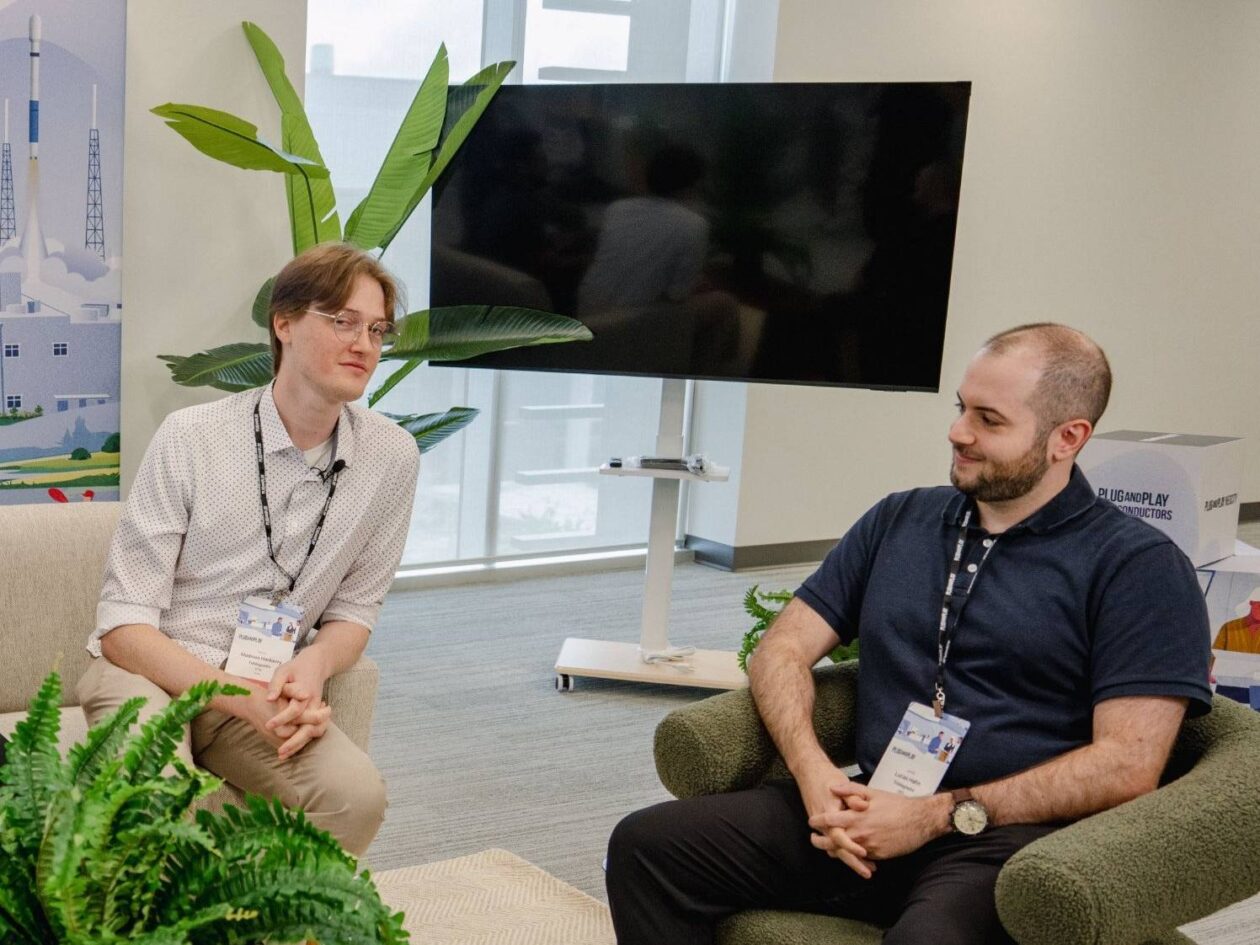
Seattle startup TriMagnetix has secured $1 million to develop semiconductor chips that consume 800 times less energy and are radiation-resistant. The two-person company, leveraging nanomagnetic technology, is targeting space applications and data centers. With new funding and key partnerships, TriMagnetix aims for commercial sales within a year.

Data center projects established in rural areas across the United States are set to receive significant federal tax benefits starting next year, under the provisions of the newly enacted One Big Beautiful Bill Act. This

Microsoft's "Good Neighbor" Promise: Under Scrutiny in Data Center Debate Verdict: Microsoft's ambitious claims of being a "good neighbor" in communities hosting its data centers are facing significant challenges, with
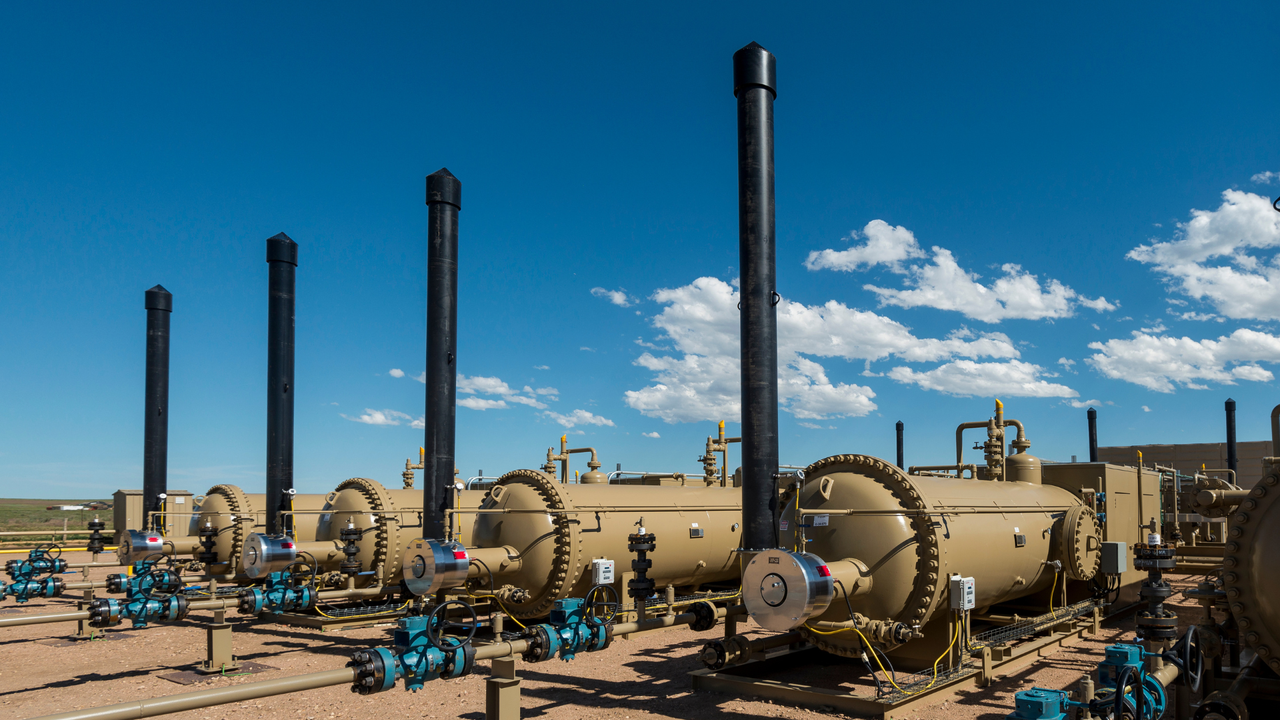
An in-depth analysis of US AI data centers' projected natural gas consumption, set to become the world's fifth-largest by 2035, highlighting environmental, economic, and infrastructure challenges.
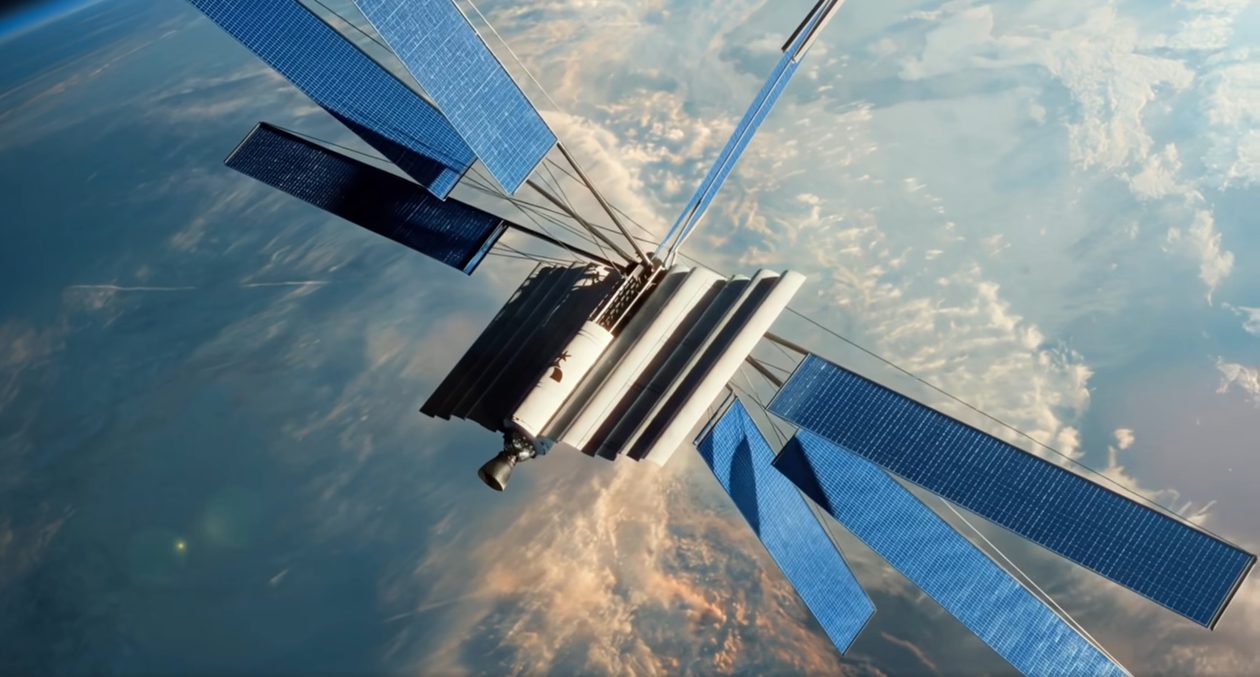
California-based Cowboy Space has leased a massive 291,035-square-foot facility in Kent, Washington, to produce hardware for its planned orbital AI data centers. This is the largest industrial lease in the Puget Sound region this year and is expected to create 300 jobs, advancing the company's goal of launching its Stampede constellation by 2028.
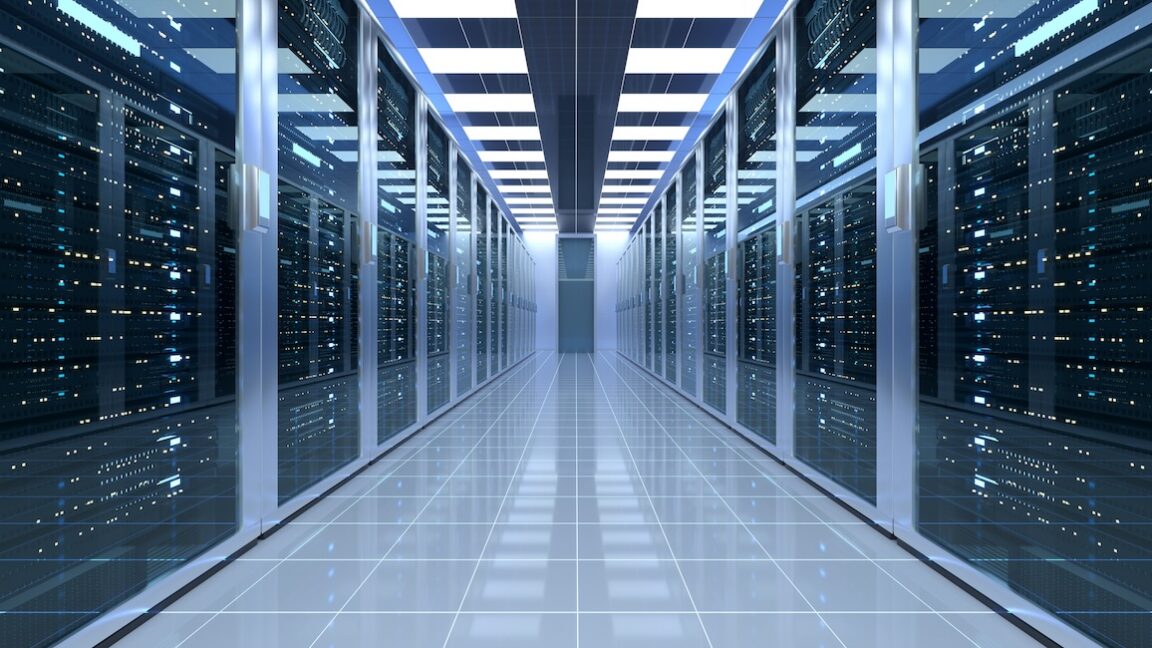
Verdict: A Transformative, Yet Troubling, Push Meta's ambitious move to integrate robots into its data centers marks a significant step towards automating the backbone of the digital world. While promising efficiencies,

Nvidia is extending its AI dominance beyond GPUs, focusing on system-level data orchestration within massive data centers. Post-earnings, the company's Vera Rubin architecture, including the Vera CPU, is proving crucial for efficient data management, optimizing performance and energy use. This shift towards smarter data traffic control marks a new competitive front in AI infrastructure, where Nvidia currently holds a commanding lead.

A Washington Post analysis reveals a dramatic shift as Republican politicians turned sharply negative on data centers in the past six months, moving from advocates to critics. This change aligns with growing public concerns over environmental impact, job creation, and political motivations, potentially reshaping the future of tech infrastructure development.

Amazon's new West Texas data center is set to be powered by the GW Ranch, a natural gas plant permitted to emit up to 33 million tons of CO2 annually. This could make it the country's worst polluting power plant, directly challenging Amazon's climate pledges amidst the skyrocketing energy demands of AI data centers.

A fallen power line in Northern Virginia exposed a critical flaw in the interaction between AI data centers and the electrical grid. Over 3 gigawatts of data center load disconnected simultaneously, causing a widespread voltage spike. Experts warn this is a growing problem that demands urgent solutions like intelligent power management and regulatory mandates to prevent future, more severe grid disruptions.

Data centers are sparking widespread, bipartisan anger across the US as communities unite against their expansion. Residents, like Kyle Schmidt in Oklahoma, cite a lack of transparency, environmental concerns, and fears over water supply and utility costs as key grievances. This "shared hatred" reflects a feeling of being ignored by powerful tech companies and political entities.

Microsoft has dramatically cut water consumption in its data centers by 90% since its earliest facilities, achieving a 0.27 liters per kilowatt-hour rate last year. The company also announced it is globally water positive for the first time, replenishing more water than it withdraws. These efforts come as public concern grows over data center environmental impacts, leading to similar initiatives from Amazon and Google.

Verdict: Amazon's Efficiency Drive Meets Local Realities Amazon is making significant strides in improving the water efficiency of its data centers, claiming innovations that reduce consumption and position it as a
Intel, Foxconn, and SambaNova Systems have partnered to build rackscale AI infrastructure, unveiled at Computex 2026. This collaboration targets the shift from AI training to inference, aiming to re-establish Intel Xeon CPUs at the core of data centers by pairing them with SambaNova's SN-50 RDUs for efficient, cost-effective performance. Foxconn will handle system integration and develop CPU-dense variants.

The narrative around AI capital expenditure (capex) often feels monolithic: NVIDIA, hyperscalers, data centers, power demand—all bundled into a single "AI infrastructure" idea. As fellow developers, we know real-world

When most people picture AI chatbots, they envision powerful systems housed in distant data centers, constantly pinging servers to process requests. While cloud-based AI like ChatGPT and Gemini dominate the narrative,

Eli Lilly is set to acquire Seattle-area biotech Curevo Vaccine for up to $1.5 billion to bolster its infectious disease portfolio. The deal centers on Curevo's Phase 3-ready shingles vaccine candidate, amezosvatein, which demonstrated a more than 50% reduction in side effects during Phase 2 studies, aiming to boost vaccination rates among older adults.

AI's explosive demand for high-bandwidth memory (HBM) is causing an unprecedented reallocation of DRAM production from consumer devices to data centers, leading to massive price surges for smartphone memory. This crisis is pushing affordable smartphones out of reach for millions, particularly in developing nations, and impacting premium brands as memory makers prioritize highly profitable AI chips.
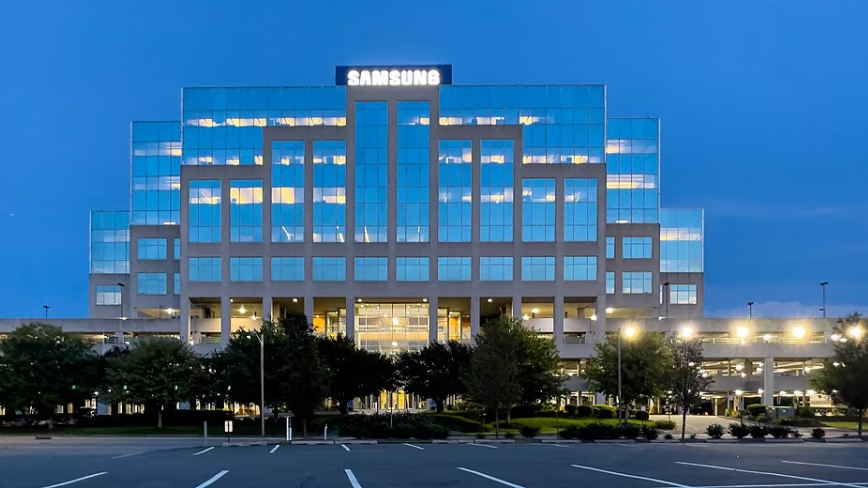
Samsung Electronics and its largest labor union are engaging in crucial negotiations Monday to prevent an 18-day strike. The dispute centers on profit sharing from the AI boom, with the Prime Minister warning of severe economic repercussions and hinting at emergency government intervention.

Osaurus, an open-source Mac application, has emerged to bridge the gap between local and cloud AI models, enabling users to choose their preferred AI while keeping data on their own hardware. Founded by Terence Pae, the app originated from a need to offer AI without continuous token costs, prioritizing user control and privacy. It supports numerous models and tools, offering a user-friendly interface and security through a virtual sandbox, aiming to shift AI reliance from data centers to local machines.

Newly appointed Disney CEO Josh D’Amaro faces an unexpected battle with the Trump administration as Disney-owned ABC accuses the FCC of violating its First Amendment rights. The dispute centers on an FCC investigation into “The View” over the “equal time” rule, despite the show's long-standing exemption. This confrontation marks a pivotal moment for D'Amaro, challenging Disney's past strategies of appeasement and forcing a direct stand against government pressure.
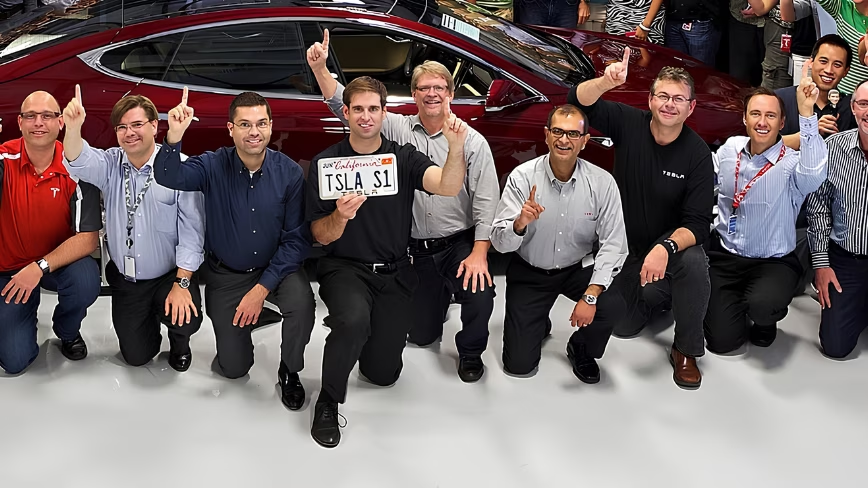
Former Tesla CFO Deepak Ahuja joins JB Straubel’s Redwood Materials as CFO, strongly signaling an IPO. The company is pivoting from battery recycling to providing energy infrastructure for AI data centers using repurposed EV batteries, linking two major tech revolutions.

A San Francisco-based startup, Armada, is significantly expanding its engineering footprint in Bellevue, Washington, growing its local team to approximately 120 people. The company specializes in developing rugged,
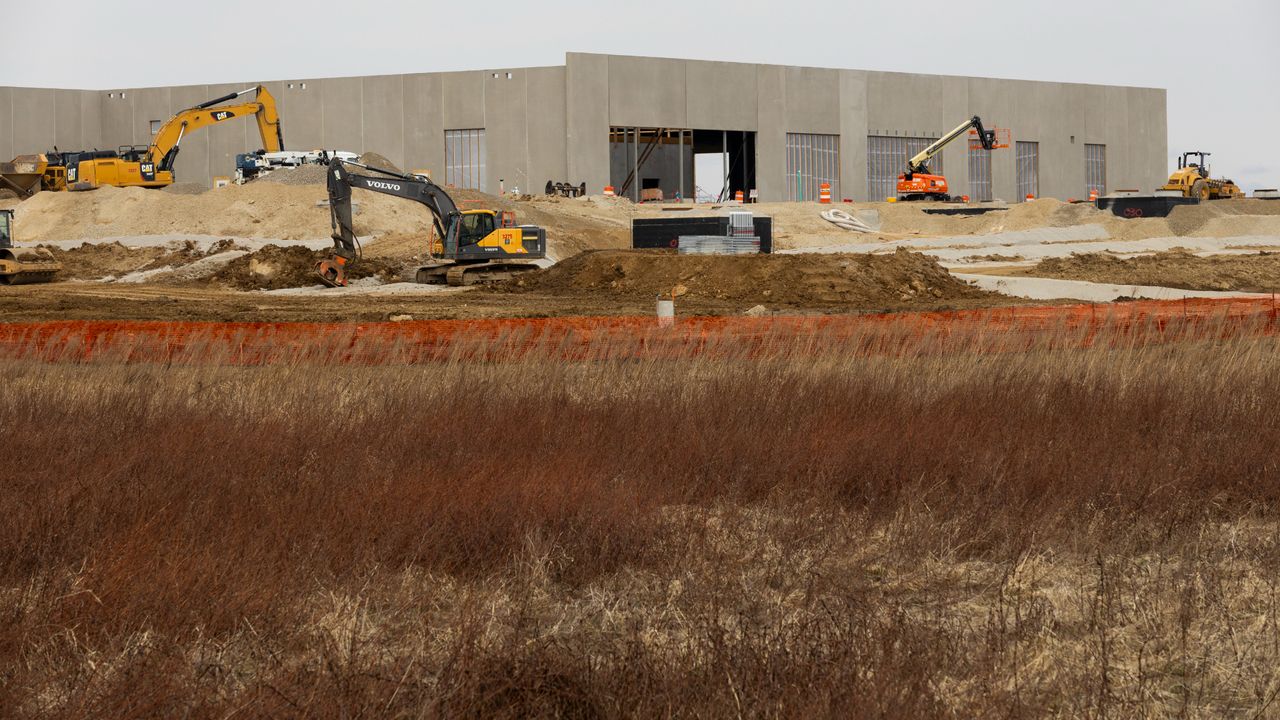
Quick Verdict: AI's Infrastructure Hit by Reality Checks Independent analysis, backed by satellite imagery and on-the-ground reports, suggests that nearly half of crucial AI data center projects in the U.S. are facing

Aetherflux, founded by Robinhood co-founder Baiju Bhatt, is reportedly raising a Series B round of $250M-$350M at a $2 billion valuation, with Index Ventures leading. The startup has strategically pivoted from space solar power to developing space data centers for AI, aiming to launch its first orbital data center by 2027. This move places Aetherflux in a competitive emerging market alongside other major space companies.
