
startups: AI is killing the cheap smartphone. The memory that powers
AI's explosive demand for high-bandwidth memory (HBM) is causing an unprecedented reallocation of DRAM production from consumer devices to data centers, leading to massive price surges for smartphone memory. This crisis is pushing affordable smartphones out of reach for millions, particularly in developing nations, and impacting premium brands as memory makers prioritize highly profitable AI chips.

Artificial intelligence's insatiable demand for advanced memory is fundamentally reshaping the global tech landscape, directly threatening the era of affordable smartphones. A dramatic shift in Dynamic Random-Access Memory (DRAM) production, away from consumer electronics and towards AI data centers, has triggered unprecedented price hikes. This crisis is making basic smartphone ownership increasingly unattainable for millions worldwide, particularly in emerging markets, marking a stark reversal in computing democratization.
The Memory Crunch and AI's Grip
For decades, smartphones exemplified technological progress through rapid cost reduction and performance gains. However, this trend is now abruptly ending. Global smartphone shipments are projected to fall by an unprecedented 13% in 2026, with drops exceeding 20% in regions like Africa and the Middle East, primarily impacting the low-cost sector. The core issue lies with DRAM, a crucial component for all computing devices, whose supply remains notoriously inelastic due to the enormous capital investment and technical complexity required for its manufacture.
The recent explosion in AI's profitability and processing needs has created an immense new appetite for memory, especially High-Bandwidth Memory (HBM). HBM, essential for training and running complex AI models, consumes over three times the wafer capacity of standard DRAM per gigabyte. What constituted a mere 2% of memory makers' wafer production in 2023 is projected to soar to 20% by the end of 2026, driven by HBM's impressive 70% or higher profit margins, compared to commodity DRAM's 20-30%.
Oligopoly Prioritizes Profits
The global DRAM market is dominated by just three companies: Samsung, SK Hynix, and Micron, together controlling over 90% of production. Having endured severe boom-and-bust cycles, these manufacturers have adopted a strategy of strict capital discipline, ensuring demand often outstrips supply. Instead of expanding overall production to meet the surging HBM needs, they have opted to reallocate existing capacity. By the close of 2025, SK Hynix was directing 30% of its wafers to HBM. Micron went a step further in December 2025, discontinuing its consumer-focused Crucial brand entirely to redirect all its resources towards AI and enterprise clients, effectively removing a major player from the consumer memory market.
Skyrocketing Costs and Collapsing Markets
This reallocation has led to staggering price increases across the board. Between Q1 2025 and Q1 2026, LPDDR4 prices surged by 250%, LPDDR5 by 220%, and DDR5 prices in Germany spiked an astonishing 414%. Consequently, memory's share of a budget Android phone's bill of materials has ballooned from approximately 15% to as much as 50%.
For manufacturers of affordable smartphones like Transsion, Oppo, Vivo, and Lava, whose business models rely on thin margins and last-generation components, this situation is untenable. What was once a $50 smartphone is now fetching $120 or more. Transsion, a significant player in Africa, saw its net profit plummet by 54% in 2025 and slashed its shipment targets by 40%. The sub-$100 smartphone segment in India collapsed by 59% year-on-year in Q1 2026, while in Africa, where 81% of 2025 smartphone shipments were under $200, millions are likely to be entirely priced out of ownership.
Even Premium Brands Feel the Pinch
Even tech behemoths are feeling the pressure. Samsung's own consumer division struggled to secure long-term LPDDR agreements from its memory manufacturing arm, resulting in the Galaxy S26 shipping with less memory than anticipated at higher prices. Dell responded by hiking laptop prices by 15-20% in December 2025. Apple, typically adept at securing multi-year memory contracts, found memory makers refusing anything beyond quarterly pricing in January 2026. This led to Apple agreeing to a 100% premium for LPDDR5X memory for the iPhone, with 12GB chips for the iPhone 17 Pro increasing 230% in price over 2025. Product launches have also seen delays, including the iPhone 18 standard model and the new Mac Studio.
A Bleak Future and Concentrated Wealth
The outlook suggests further strain. Nvidia's upcoming Vera Rubin platform, slated for late 2026, is projected to consume more LPDDR by 2027 than Apple and Samsung's combined consumer divisions. JPMorgan analysts predict memory could constitute 45% of an iPhone's component cost by 2027, up from a mere 10% today, forcing Apple to choose between drastically reduced margins or significantly higher consumer prices.
While ChangXin Memory Technologies (CXMT) in China offers a glimmer of potential supply relief, even CXMT plans to convert about 20% of its capacity to HBM, drawn by the irresistible margins. Hyperscalers like Microsoft and Google are intensely lobbying memory makers for allocation, with over 30% of their capital expenditure now dedicated solely to DRAM.
This unprecedented memory crunch highlights a critical societal concern: the immense wealth generated by AI is overwhelmingly accruing to a handful of memory manufacturers and the hyperscalers they supply. As South Korea's deputy prime minister observed, the benefits of AI must reach the public, yet this crisis demonstrates the opposite. The decades-long trend of computing becoming more accessible and affordable is being reversed, with the world's most vulnerable populations feeling the immediate and most severe impact. This shift ultimately signals an end to the era of continuously cheaper, faster, and more powerful consumer electronics for everyone.
FAQ
Q: Why are smartphone memory prices rising so dramatically? A: The primary reason is the explosive demand for High-Bandwidth Memory (HBM) from the artificial intelligence (AI) sector, particularly for data centers. Memory manufacturers are redirecting existing DRAM production capacity away from consumer devices like smartphones and laptops to produce the more profitable HBM, leading to severe shortages and price surges for standard smartphone memory.
Q: Which smartphone segments are most affected by this memory crisis? A: The crisis is most acutely felt at the cheapest end of the smartphone market, where devices often sold for under $100. These budget phones operate on very thin margins, making them highly vulnerable to component price increases. Markets in India and Africa, which heavily rely on affordable smartphones for internet access, are experiencing significant market collapses and reduced consumer affordability.
Q: How long is this memory shortage expected to last, and what are the long-term implications? A: The outlook suggests the shortage will worsen in the near term, with new AI platforms like Nvidia's Vera Rubin projected to consume even more LPDDR memory. Long-term, this crisis signals a fundamental shift, reversing decades of computing democratization. Consumer electronics are unlikely to continue getting "faster, cheaper, and more powerful" every year, leading to higher prices for all devices, with the poorest populations bearing the initial and heaviest burden.
Related articles

Apple Unveils iPhone Duo: Pricey Foldable Sees Soaring Demand
Apple has officially entered the foldable smartphone arena with the long-anticipated launch of the iPhone Duo. Priced starting at a hefty $1,999, the device features a 5.4-inch outer display and a larger 7.6-inch inner
Android 17 QPR2 Beta 7.1: The Performance Relief You've Been Waiting
Android 17 QPR2 Beta 7.1: Finally Fixing the QPR1 Performance Woes Verdict: Android 17 QPR2 Beta 7.1 is a crucial and highly anticipated software update for Google Pixel users, specifically targeting and resolving the

in-depth: Chicago-Area Cops Helped HSI Spy on Minnesota Anti-ICE
Chicago-area law enforcement, including local police and HSI agents, conducted undercover surveillance on Minnesota anti-ICE activists at an April 2, 2022, talk in Chicago. This operation was part of a federal conspiracy probe into 15 Minnesota activists facing felony charges related to immigration enforcement resistance. Civil liberties advocates have condemned the surveillance as a troubling intrusion into protected political activity.

TCG Pocket Responds: A Much-Needed Pace Shift for Pokémon Fans
Pokémon TCG Pocket is rolling out a major update for its second anniversary, primarily addressing player concerns about overwhelming content releases by shifting to a six-week set schedule. This aims to curb player decline and improve overall engagement by giving trainers more time to collect and strategize. The update also adds new collection methods, improved deck-building features, and enhanced trading functionality.

Mark Wahlberg on using AI in film ‘the right way’ and being open to
Actor Mark Wahlberg believes AI has a place in filmmaking if used responsibly for enhancement, not script generation or actor replacement. At TechCrunch Disrupt, he expressed openness to an AI likeness carrying on his legacy, managed by his family, and emphasized storytelling.
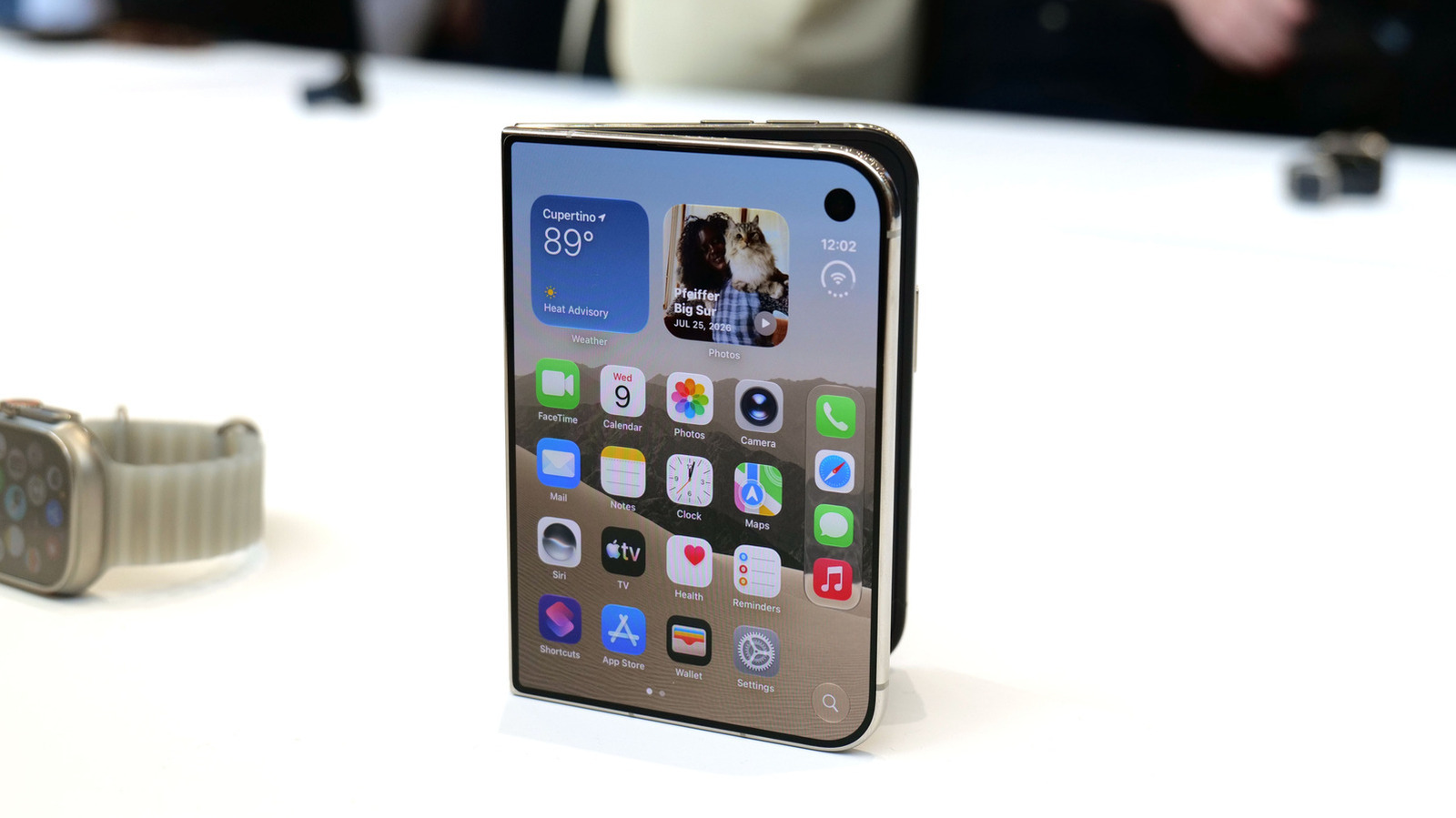
Apple iPhone Duo: A Daring Debut with Notable Compromises
Apple's highly anticipated iPhone Duo, priced at $2,000, has gone on pre-order. While hailed as "Apple's most exciting device in a decade" for its innovative foldable design and immersive display, it comes with significant drawbacks like the absence of FaceID and a premium camera.