
Amazon's Data Center Water Use: A Drop in the Bucket or a Local Flood
Verdict: Amazon's Efficiency Drive Meets Local Realities Amazon is making significant strides in improving the water efficiency of its data centers, claiming innovations that reduce consumption and position it as a

Verdict: Amazon's Efficiency Drive Meets Local Realities
Amazon is making significant strides in improving the water efficiency of its data centers, claiming innovations that reduce consumption and position it as a leader among AI tech giants. Their global water usage, when viewed against the vast amount Americans use for lawn and garden irrigation, indeed appears as a mere fraction. However, these impressive macro-level statistics and technological advancements often clash with the stark realities faced by local communities, where concentrated data center operations can have tangible and concerning impacts on precious water resources. While Amazon's efforts are commendable and essential for the future of AI infrastructure, the industry as a whole, including Amazon, still has work to do in building trust and demonstrating sustainable local integration.
The Growing Concern Over Data Center Water Use
Data center water consumption has become a contentious issue across the U.S., frequently leading to projects being blocked by local governments. With the ever-increasing demand for Artificial Intelligence, these computational hubs are essential, yet their resource footprint raises significant environmental and community concerns. Amazon, a major player in cloud computing, has entered the fray, asserting its commitment to water efficiency and aiming to address the escalating scrutiny.
Amazon's Claims: A Macro Perspective
Amazon highlights its global water consumption for data centers as 2.5 billion gallons annually. While this figure might seem substantial in isolation, the company contextualizes it by comparing it to broader U.S. water usage. Citing 2017 EPA data, Amazon points out that Americans use an astonishing 9 billion gallons of water daily for landscape irrigation alone, totaling nearly 3.3 trillion gallons each year for lawns and gardens, not even factoring in agricultural irrigation. Against this backdrop, Amazon's 2.5 billion gallons translates to a mere 0.075% of the water used to keep gardens green, presenting its usage as a “literal drop in the bucket.”
This comparison is designed to frame data center water use as a minor contributor to the nation's overall water consumption. However, the source also notes that landscape irrigation does offer direct benefits like moderating ambient temperatures and enhancing aesthetics, raising questions about who precisely benefits from data center developments in contrast to these community amenities.
Under the Hood: Amazon's Efficiency Innovations
Amazon asserts it's on track to become “water positive” by 2030, a goal supported by several innovations in its data centers aimed at reducing water use without compromising performance. The company primarily relies on air cooling, which is significantly less electricity-intensive than water cooling methods. When ambient temperatures rise, Amazon switches to a system it calls Direct Evaporative Cooling (DEC).
This DEC system involves spraying water onto an absorbent medium, described as “a sophisticated, giant sponge,” through which hot air is then passed. This process effectively reduces temperatures by five to 10 degrees Fahrenheit. Amazon claims this method is more power-efficient than using chillers, cutting power consumption by approximately 20% to 25% during the hottest parts of the day, when overall power demand is typically at its peak.
Further boosting efficiency, Amazon has also strategically raised the temperature thresholds within its data centers. Extensive trial and error revealed that servers could operate effectively at higher temperatures than previously maintained, without impacting hardware longevity or computing power delivery. This optimization means that the water-cooling systems only engage once ambient temperatures hit 85 degrees Fahrenheit (or over 29 degrees Celsius). This operational change alone has reportedly led to a 50% reduction in water use, according to Amazon water specialist Beau Schilz.
The Micro Impact: A Closer Look at Local Realities
Despite Amazon’s impressive efficiency claims and the macro-level statistics, the reality on the ground for local communities often tells a different story. Many new data centers in the U.S. are reportedly being sited in areas already grappling with water scarcity. While the overall national water consumption by data centers might seem small, their concentrated usage in specific localities can have profound effects.
The source highlights examples of this localized impact, such as a Meta data center in Georgia that allegedly caused a town’s deep-well water source to become muddy, indicating critically low levels of the local water table. Another site was reported to have consumed 29 million gallons of water over 15 months, leading to reduced water pressure for residents. Such incidents fuel community fears, making it increasingly difficult for data center projects—including those from Amazon—to secure permits from local governments. This underlines a critical disconnect: global efficiency metrics do not always alleviate immediate, localized environmental and resource concerns.
Industry Standing and the Trust Deficit
Amazon positions itself as a frontrunner in water efficiency, claiming to use the least water per kilowatt-hour among major AI tech giants, including Microsoft, Google, and Meta. While this assertion speaks to Amazon's technological advancements, the broader data center industry faces a significant trust deficit. The aforementioned reports of issues—like Meta's alleged impact on a Georgia town's water supply—cast a long shadow.
These incidents, regardless of the specific company involved, contribute to widespread public skepticism and opposition. They highlight that macro-level efficiency boasts, however valid, often struggle to gain traction when local communities face tangible negative impacts. Until AI hyperscalers can rebuild trust and demonstrate their ability to expand infrastructure without disproportionately burdening local resources or increasing costs for residents, resistance to new data center projects is likely to persist.
Conclusion and Recommendation
Amazon's proactive stance on water efficiency in its data centers is both necessary and commendable. Their investment in innovations like advanced air cooling, Direct Evaporative Cooling, and optimized temperature thresholds demonstrates a serious commitment to sustainability in an energy and resource-intensive industry. These efforts are crucial as the demand for AI compute continues its upward trajectory, making a moratorium on data center construction an unsustainable long-term solution.
However, a balanced perspective reveals that aggregate statistics, while powerful for demonstrating corporate efficiency, often fall short of addressing acute local impacts. The examples of community distress caused by concentrated water use by other industry players serve as a stark reminder of the trust gap that still needs to be bridged. For consumers, local governments, and environmental stakeholders, evaluating data center projects requires looking beyond global metrics. It necessitates a thorough examination of site-specific water management plans, a commitment to transparency, and tangible evidence that these facilities will not jeopardize local ecosystems or essential community resources. Amazon’s aspiration to be “water positive by 2030” is ambitious, and its true success will ultimately be measured not just by company-wide achievements, but by the positive integration and equitable resource sharing within the communities it serves.
FAQ
Q: Does Amazon's water use truly impact local communities?
A: While Amazon states its global water use is a tiny fraction of overall U.S. landscape irrigation, reports concerning other data centers illustrate that concentrated water consumption in specific, often water-stressed, localities can lead to significant issues like lowered water tables and reduced residential water pressure. The overall picture is less about the national average and more about site-specific impact.
Q: How is Amazon improving its data center water efficiency?
A: Amazon primarily uses air cooling for its data centers. When temperatures rise, it employs Direct Evaporative Cooling (DEC), spraying water onto an absorbent medium to cool hot air, which is more energy-efficient than traditional chillers. Additionally, by raising data center temperature thresholds, servers run hotter without performance loss, allowing air cooling to be used longer and delaying DEC activation until ambient temperatures reach 85°F, resulting in a reported 50% reduction in water use.
Q: Are data centers inherently unsustainable due to water use?
A: The increasing demand for AI compute means data centers are essential infrastructure. While they consume significant resources, companies like Amazon are implementing innovations to improve water and energy efficiency. The challenge lies in ensuring these facilities are built and operated sustainably, without negatively impacting local communities, especially those already facing water scarcity, and in gaining public trust through transparent and responsible practices.
Related articles

Windows 11 Media Creation Tool: The Official Path to Bootable USBs
Verdict: Windows 11 Media Creation Tool - Your Gateway to a Fresh OS Install For anyone looking to install Windows 11, either on a brand-new PC or by performing a clean wipe on an existing one, Microsoft's official
OnePlus 16 Preview: A Gaming Powerhouse (If You Can Get It)
OnePlus 16 Preview: A Gaming Powerhouse (If You Can Get It) The Verdict The upcoming OnePlus 16, though still shrouded in leaks and rumors, is shaping up to be a formidable contender in the mobile gaming arena. Boasting

Windows 11 Audio Glitch: Another Update, Another Headache
Quick Verdict Windows 11 users, brace yourselves: the latest security update, KB5124008, has introduced a frustrating audio bug. If you rely on older USB Audio Class 1.0 devices like some headsets or speakers, you might
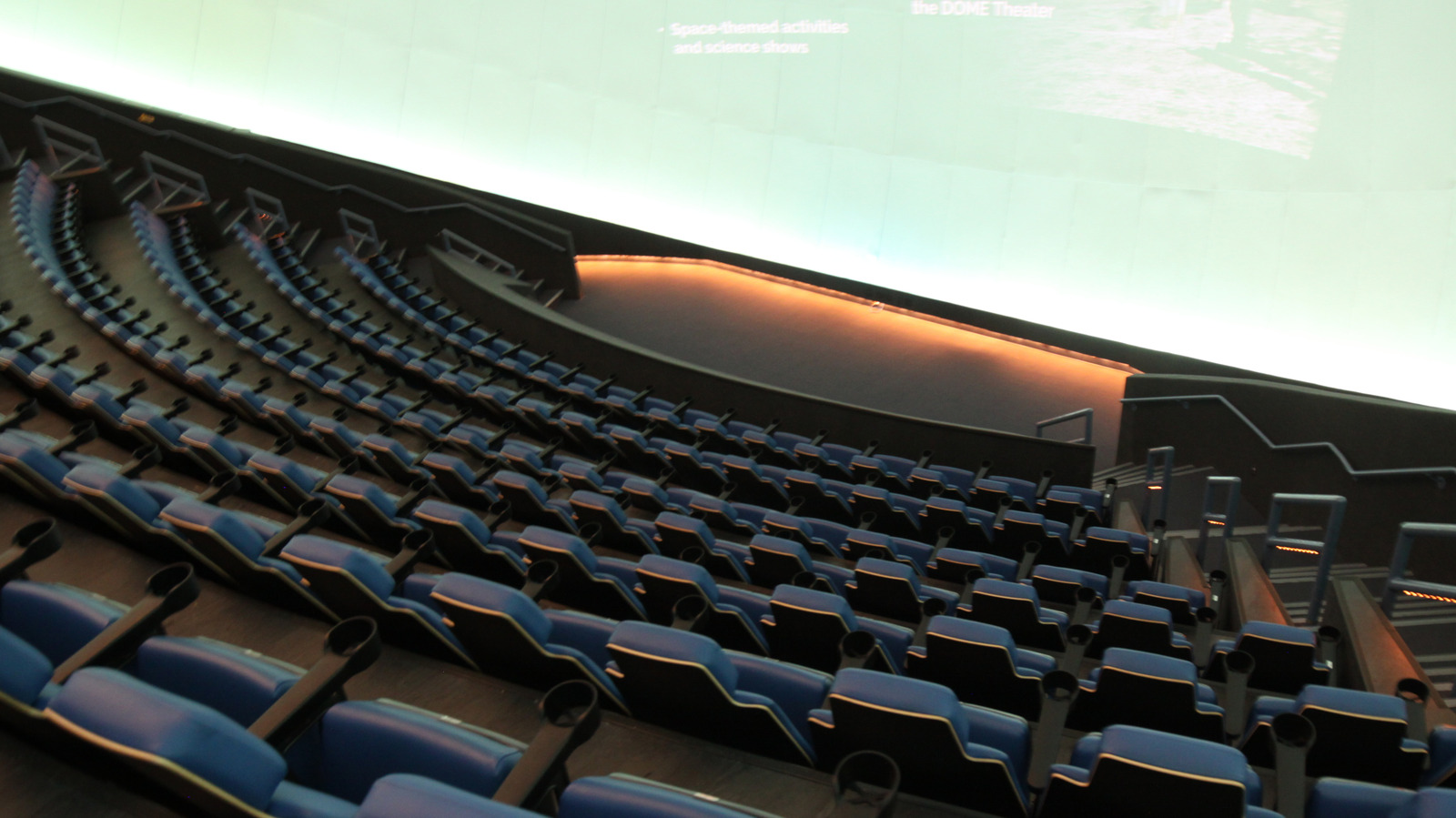
IMAX Theaters: The Quest for the Ultimate Cinematic Experience
Quick Verdict Finding the "biggest" IMAX theater isn't as straightforward as it sounds; it's a debate between sheer physical size and the purity of the cinematic format. While Germany boasts the largest screen by

Trump Backs Flock License-Plate Cameras Amid Privacy Concerns
President Donald Trump publicly backed Flock license-plate cameras, a growing surveillance technology, citing its benefits for law enforcement despite acknowledging privacy concerns. This marks his first public endorsement of the controversial automated license plate readers (ALPRs). Critics argue the widespread data collection infringes on privacy, fueling a national debate on surveillance and civil liberties.
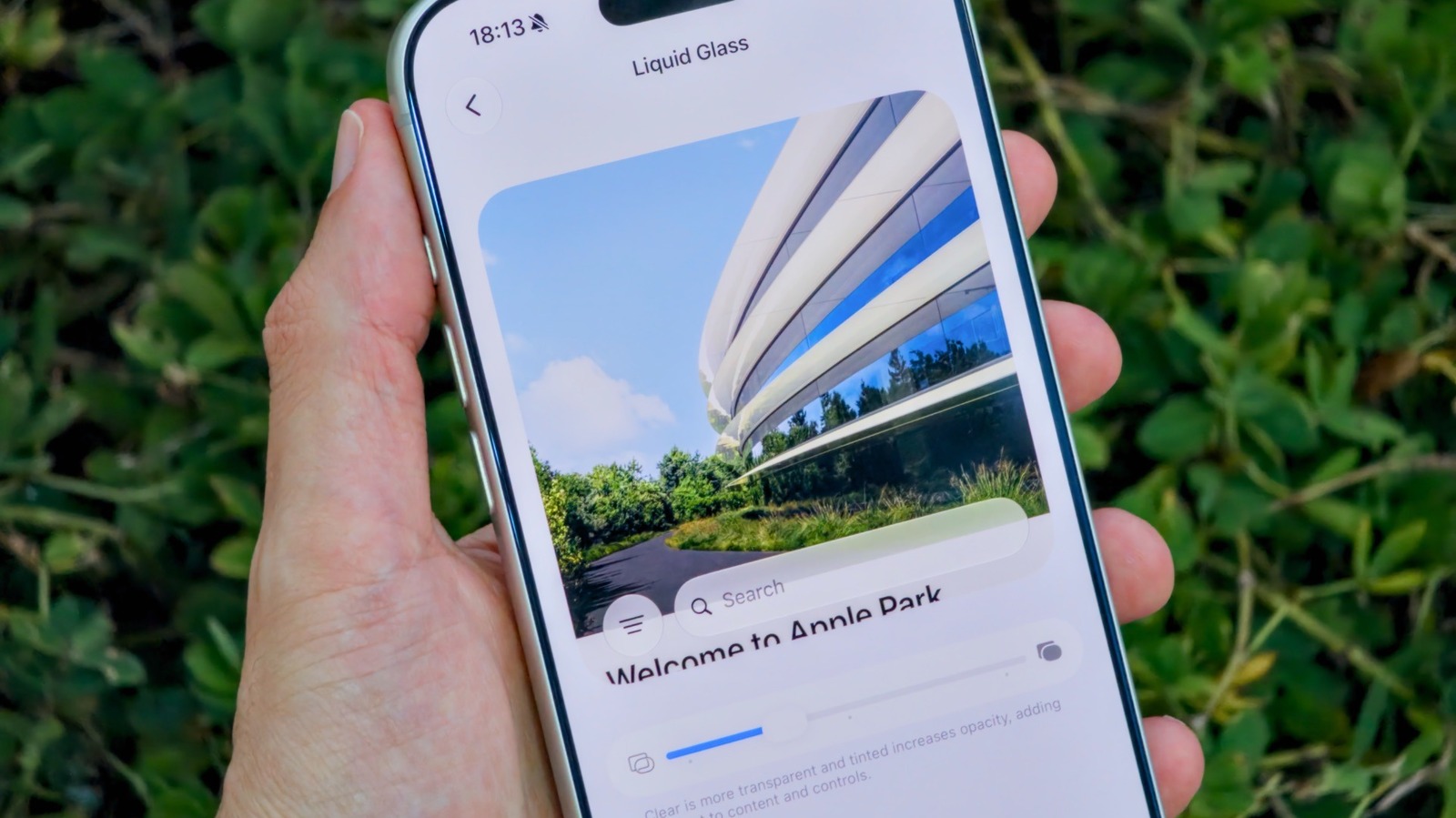
iPhone Liquid Glass Adjustment in iOS 27: Finally in Control
iOS 27 introduces a much-needed slider to adjust the controversial Liquid Glass effect on iPhones, providing users with granular control over opacity and contrast. This update, compatible with iPhone 11 and newer, addresses long-standing readability concerns and enhances user customization.