
AI Data Centers: Denials vs. Satellites - The Unfolding Build-Out Saga
Quick Verdict: AI's Infrastructure Hit by Reality Checks Independent analysis, backed by satellite imagery and on-the-ground reports, suggests that nearly half of crucial AI data center projects in the U.S. are facing
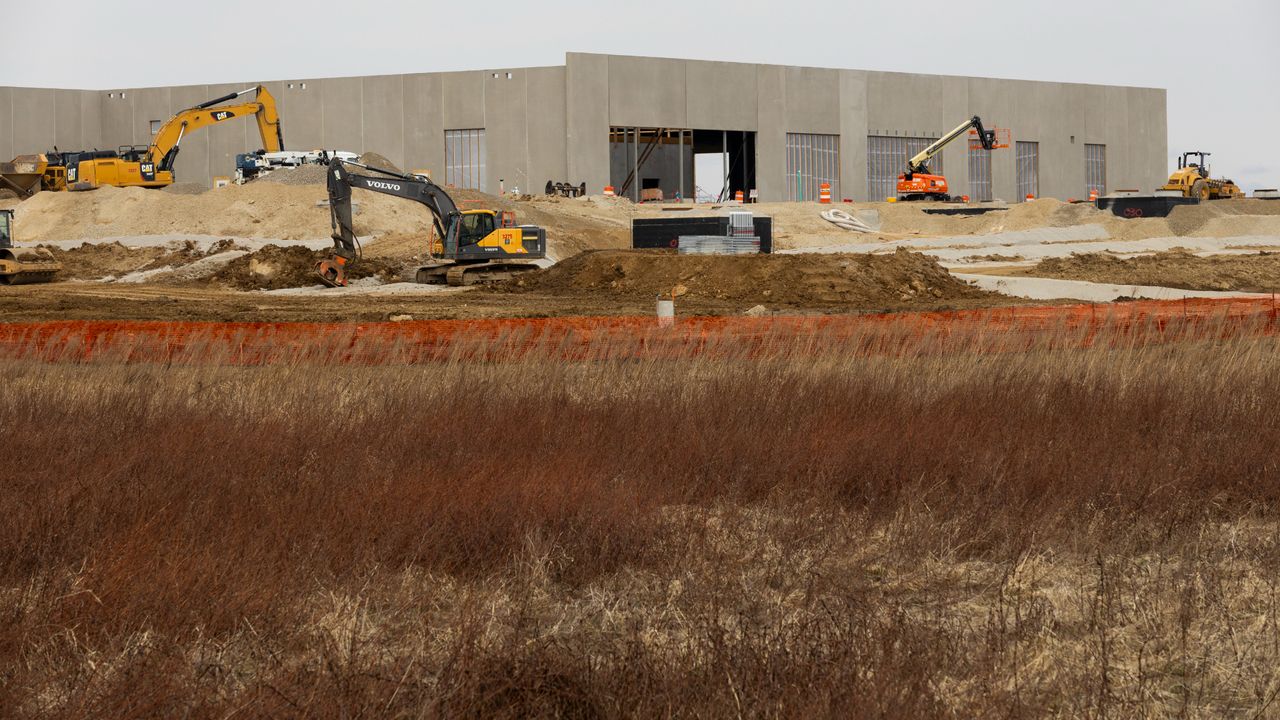
Quick Verdict: AI's Infrastructure Hit by Reality Checks
Independent analysis, backed by satellite imagery and on-the-ground reports, suggests that nearly half of crucial AI data center projects in the U.S. are facing significant delays, despite vehement denials from major tech players like OpenAI, Microsoft, and Oracle. This isn't just a hiccup; it's a potential indicator of foundational challenges that could impact the future trajectory of AI development and its accessibility. While companies project unwavering confidence, the data paints a picture of regulatory friction, supply chain bottlenecks, and critical labor shortages that threaten to push completion timelines back by months.
The AI Gold Rush Meets Construction Reality
The race to build out the infrastructure necessary to power the next generation of artificial intelligence is in full swing. Companies like Microsoft, OpenAI, and Oracle are pouring billions into massive data center complexes, many slated for completion in 2026. These facilities are the digital backbone of our AI future, enabling everything from advanced language models to complex scientific simulations. However, recent reports from the Financial Times, leveraging data from geospatial analytics firm SynMax, paint a concerning picture: an estimated 40% of these ambitious projects risk missing their deadlines by more than three months.
SynMax, a specialist in real-time insights for the maritime and energy sectors, employs a sophisticated methodology. They utilize satellite imaging and AI to monitor construction progress, tracking key milestones like initial land clearing and foundation work. This objective data is then cross-referenced with public statements, permit documents, and direct interviews with individuals on site, providing a comprehensive and often unfiltered view of progress.
Corporate Confidence vs. Concrete Evidence
When confronted with these findings, the involved tech giants swiftly pushed back. OpenAI, for instance, stated, "Our historic data center build-out is on schedule and we will accelerate from here," specifically referencing projects in Texas. Oracle echoed this sentiment, asserting, "Each data center we’re developing for OpenAI is moving forward on time, and construction is proceeding according to plan." SB Energy, a partner in the Milam County Data Center, added that their project is "on schedule and on pace to be one of the fastest data centers of its kind ever delivered." These are strong, unified messages of control and progress.
However, the independent data and anecdotal evidence tell a different story. The delays are attributed to a trifecta of issues: regulatory friction, persistent supply chain bottlenecks, and a critical lack of available utility capacity. Perhaps most tellingly, construction executives directly involved with these projects report a significant shortage of specialist workers, particularly electricians and pipefitters. This labor issue isn't new; it has reportedly been a problem since late 2025, suggesting a systemic challenge rather than a temporary blip.
The Broader Context: A Widespread Industry Challenge
It's important to note that OpenAI's projects aren't isolated incidents. Another recent report indicates an even more alarming trend: half of all planned U.S. data centers are reportedly being canceled or delayed due to similar shortages. This suggests that the challenges identified by SynMax are not specific to a few projects or companies, but rather indicative of broader, industry-wide strains on resources, labor, and infrastructure. The sheer scale of demand for AI computing power is pushing existing systems to their limits, creating friction points that manifest as project delays.
Analyzing the Impact: What This Means for You
While this isn't a consumer product in the traditional sense, the implications of these delays are deeply consumer-focused. The rapid advancement and deployment of AI services depend directly on the availability of these data centers. If these crucial facilities are delayed:
Pros (or what's positive in the midst of challenges):
- Transparency from Analytics: The existence of firms like SynMax, providing objective, verifiable data via satellite imagery, offers a crucial counter-narrative to corporate statements. This kind of independent oversight is vital for market transparency and investor confidence.
- Commitment to Build: Despite the challenges, the companies are investing massively in construction. Their strong denials, while potentially downplaying issues, also underscore a fierce commitment to bringing these projects online, suggesting they will likely throw significant resources at overcoming obstacles.
Cons (the immediate and potential long-term impacts):
- Slower AI Development & Deployment: Delays in infrastructure mean delays in scaling AI models and bringing new, more powerful AI services to market. This could affect everything from enterprise solutions to consumer-facing AI applications.
- Increased Costs: Overruns due to delays, expedited shipping for supply chain issues, and higher wages for scarce specialist labor will undoubtedly translate into increased operational costs, which could eventually be passed on to consumers or impact the profitability of AI services.
- Limited Access & Capacity: If facilities aren't completed on time, it could lead to constrained AI computing capacity, potentially limiting access for smaller developers or specific use cases, and even impacting the performance of existing services during peak demand.
- Systemic Industry Strain: The widespread nature of these delays points to fundamental issues in scaling industrial infrastructure at the pace AI demands, hinting at potential future bottlenecks beyond just these projects.
Recommendation: Proceed with Caution and Scrutiny
For anyone invested in the future of AI – whether as a developer, an investor, or a consumer eager for the next technological leap – the message is clear: exercise caution. While the ambition and investment in AI infrastructure are immense, the practicalities of building on such a vast scale are proving formidable. Don't take company statements at face value without corroborating evidence. Monitor independent reports and look for objective data points, such as those provided by SynMax, to get a clearer picture of actual progress.
Manage your expectations regarding the speed of AI's physical infrastructure rollout. The technological breakthroughs in AI may be accelerating, but the physical world of construction, regulations, and labor supply operates on its own, often slower, timeline. The next few years will be a test of whether the AI industry can not only innovate digitally but also execute physically at an unprecedented pace.
FAQ
Q: Are these delays confirmed?
A: According to geospatial analytics company SynMax, using satellite imagery and cross-referenced industry intelligence, an estimated 40% of U.S. AI data center projects slated for 2026 completion are at risk of being delayed by more than three months. Companies involved, however, publicly deny these delays, stating their projects are on schedule.
Q: What are the primary reasons for these potential delays?
A: The main factors cited include regulatory friction, persistent supply chain bottlenecks, a lack of available utility capacity (power, water), and a significant shortage of specialist construction workers like electricians and pipefitters.
Q: How might these construction delays affect me as a consumer or business relying on AI?
A: Potential delays in data center construction could lead to slower development and deployment of new AI services, higher costs for AI computing (which might be passed on), and potentially limited capacity or performance for existing AI applications due to constrained infrastructure.
Related articles
Android 17 QPR2 Beta 7.1: The Performance Relief You've Been Waiting
Android 17 QPR2 Beta 7.1: Finally Fixing the QPR1 Performance Woes Verdict: Android 17 QPR2 Beta 7.1 is a crucial and highly anticipated software update for Google Pixel users, specifically targeting and resolving the

DJI Solo Video Setups: Smart Choices for Lone Creators
This review delves into DJI's recommended solo video setups, highlighting the Osmo Pocket 3 Creator Combo as a top pick for its integrated camera, gimbal, and mic. It also covers stabilizers like the Osmo Mobile 8 and RS 4, and the DJI Mic Mini series for enhanced audio, providing honest pros, cons, and clear buying advice.
Ditch Merge & Center: The Better Way to Align Text in Excel
Learn to use Excel's "Center Across Selection" to align text across cells without merging, avoiding common data manipulation issues. This guide provides steps to utilize this newly accessible feature and add it to your Quick Access Toolbar.

Ars Technica's Rocket Report: Your Essential Space Industry Briefing
Quick Verdict Ars Technica's Rocket Report, presented by veteran space reporter Stephen Clark, offers an invaluable and meticulously organized weekly (or similar frequency, implied by "Edition 9.15") digest of the most

Apple iPhone Duo: A Daring Debut with Notable Compromises
Apple's highly anticipated iPhone Duo, priced at $2,000, has gone on pre-order. While hailed as "Apple's most exciting device in a decade" for its innovative foldable design and immersive display, it comes with significant drawbacks like the absence of FaceID and a premium camera.

AI's Confidence vs. Formal Methods' Rigor: Design Flaws & Verification
While AI accelerates code generation, formal methods remain critical for ensuring system correctness. Languages like TLA+ and tools like Quint enable developers to model and verify system designs before coding, catching subtle flaws. Quint makes formal methods more accessible with developer-friendly syntax and executability. This approach is vital for verifying AI-generated code through trace validation and model-based testing, ensuring reliability against real-world data.