30 results found

The gaming industry is seeing a massive shift as unionization rises globally, securing vital worker protections, better pay, and AI safeguards. This collective movement is empowering developers and fundamentally changing workplace dynamics. It's a win for workers, and ultimately, for the games we play.
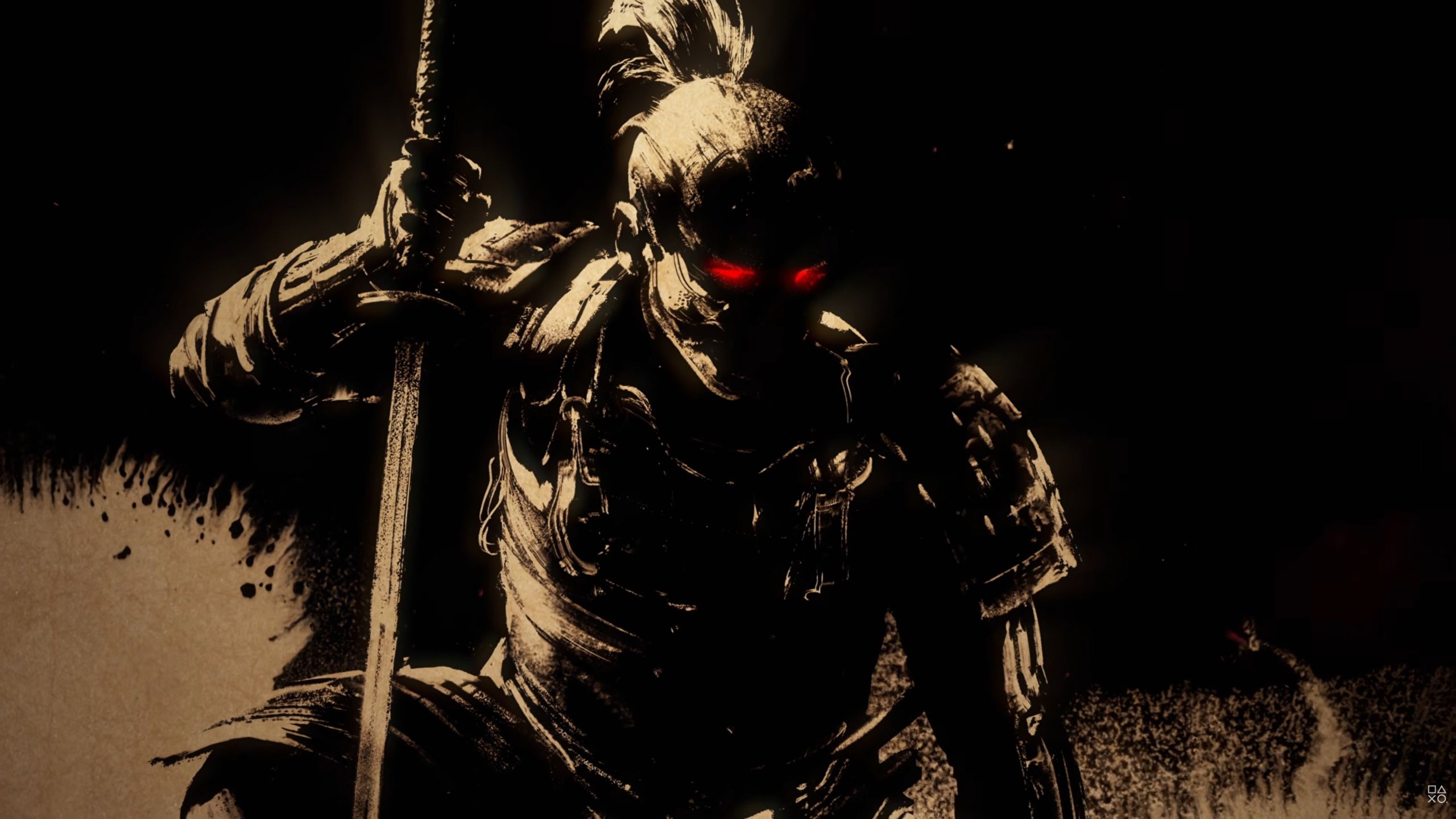
Sony's traditional silent approach to PR is facing a strong challenge from an increasingly vocal fanbase, frustrated by the shift to digital-only games and perceived mishandling of live-service titles. While the recent State of Play delivered some good content, it couldn't drown out protests, prompting questions about the long-term viability of Sony's "impassive mask" strategy. Even *GTA 6* might not be enough to quell the widespread discontent.

The Fall 2026 video game release slate is incredibly stacked with highly anticipated titles, from Switch 2 exclusives to a new Wolverine game and the monumental Grand Theft Auto 6. However, this glut of releases, coupled with a challenging economic climate and fierce competition, poses a significant threat to many developers, potentially leading to a 'bloodbath' for smaller studios and a more fractured industry.
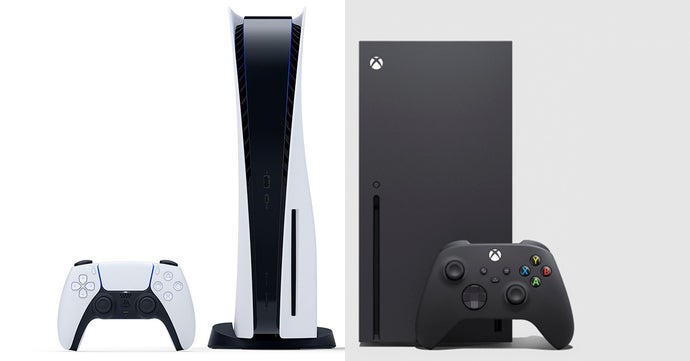
Sony and Microsoft are fighting consumer lawsuits seeking refunds for 2025 console price hikes tied to now-illegal US tariffs. Both argue they're not legally obligated, citing various market factors, contrasting with Playdate's proactive refunds.
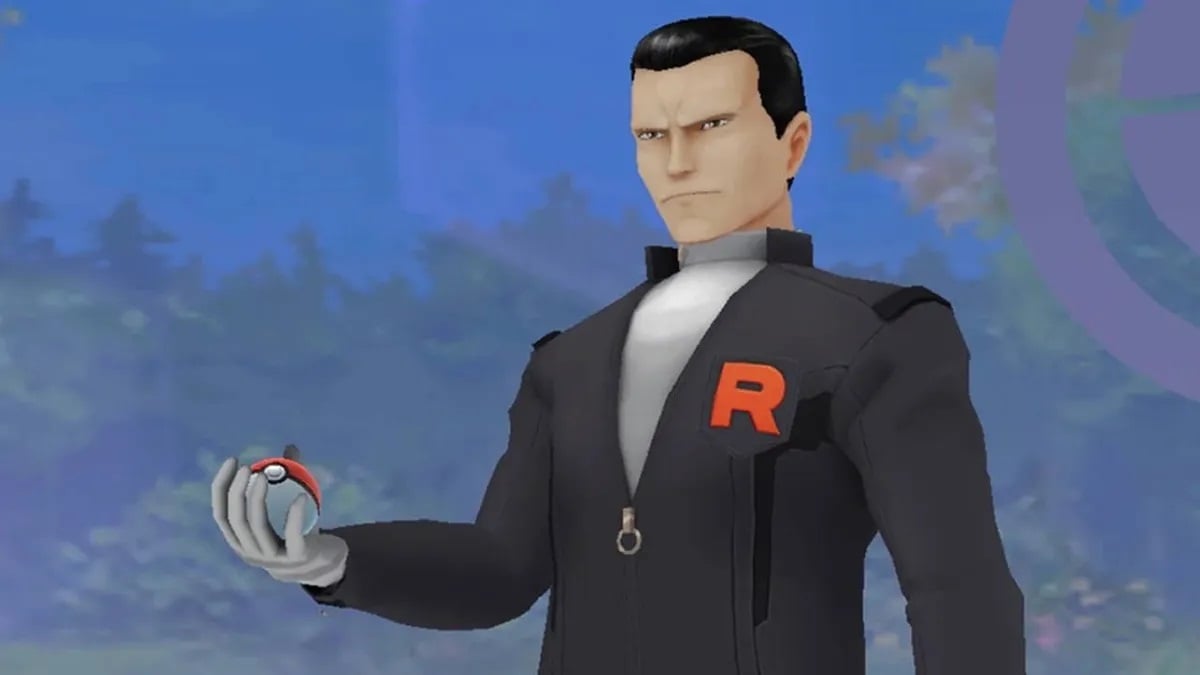
Brian Ward, CEO of Saudi Arabia's $38 billion Savvy Games Group, is stepping down, with PIF Governor Turqi Alnowaiser taking over. Savvy owns major mobile companies like Niantic (*Pokémon Go*) and Scopely, and is acquiring Moonton Games. This shift highlights Saudi Arabia's deep dive into gaming, including the separate $55 billion EA acquisition, raising questions about strategy and the industry's future.

Despite an incredibly tumultuous year for Xbox—marked by leadership changes, massive layoffs, studio sales, and strategic pivots—the company successfully delivered on its promise of over 75 day-one Game Pass Ultimate releases. Subscribers consistently received new titles, showcasing a rare point of stability amidst widespread corporate upheaval and re-evaluation of the service's growth.

Former Xbox CPO Marc Whitten has been named CEO of Dolby Laboratories, a significant move for immersive entertainment and gaming. This comes amidst high-profile exits from Microsoft's AI division, with CMO Andréa Mallard and veteran researcher Ece Kamar departing. Other notable tech shifts include leadership changes at NationSwell and hires at Seattle startup Tin Can, emphasizing a dynamic tech landscape.

This summer, the usual quiet period in gaming transformed into a 'Summer of Hate,' fueled by events like the GTA 6 leaks and early backlash against Marvel's Wolverine previews. A lack of new releases exacerbated negativity, with the community feeding on controversy. Relief is in sight, however, as Gamescom and a flood of Q4 titles are set to bring back the fun.
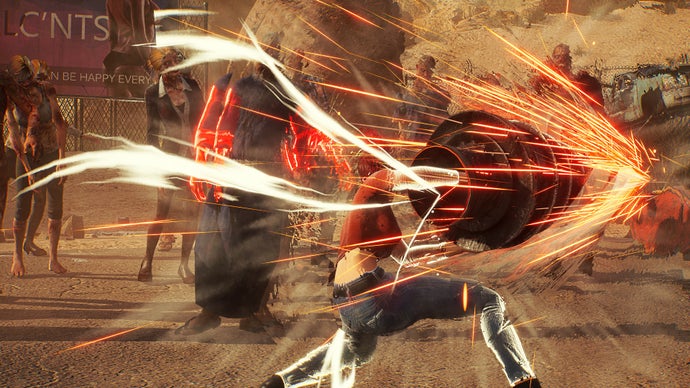
Meet 4Divinity, a publisher you've probably never heard of, making an unprecedented multi-million dollar splash at Gamescom. They're betting big on new, mid-tier single-player games from Chinese developers to fill a perceived void in the Western market.

Take-Two CEO Strauss Zelnick believes cloud streaming could soon make expensive gaming consoles less relevant, potentially within three years. He sees the rising cost of hardware as a negative trend but anticipates it won't hinder big titles like GTA 6. Zelnick forecasts streaming could massively increase the player base, leveraging the ongoing shift towards open gaming systems.

August 2026 brought significant talent shifts and industry changes, highlighted by three new hires at Yogscast Games and AI innovators joining Roblox. Major companies like Rockstar and Netflix also bolstered their teams, while Electronic Arts underwent a colossal $55 billion acquisition, marking a new chapter.
.png?width=690&quality=85&format=jpg&auto=webp)
Esports consultancy The Story Mob has rebranded to a "strategic player culture advisory," expanding its focus to the entire games industry. With new services like Play Makers, they aim to help brands authentically engage with gaming communities beyond traditional marketing. This shift acknowledges gaming's role in identity, community, and belonging.

Xbox Chief Strategy Officer Matthew Ball clarifies the company's evolving exclusive strategy, emphasizing a "reliable pipeline of exclusive games" for platform growth, citing *Gears of War: E-Day* and *Clockwork Revolution* as examples. However, he notes that large live-service and some single-player titles like *Halo: Campaign Evolved* and *Fable* will go multiplatform. Xbox acknowledges player confusion about its "framework" for these decisions, promising more clarity.

Microsoft's Xbox division layoffs have severely impacted Bethesda and id Software, with up to 50% of teams cut, raising concerns for beloved franchises like Doom, Elder Scrolls, and Starfield. The focus shifts to "strongest franchises" amidst calls for sustainable growth.
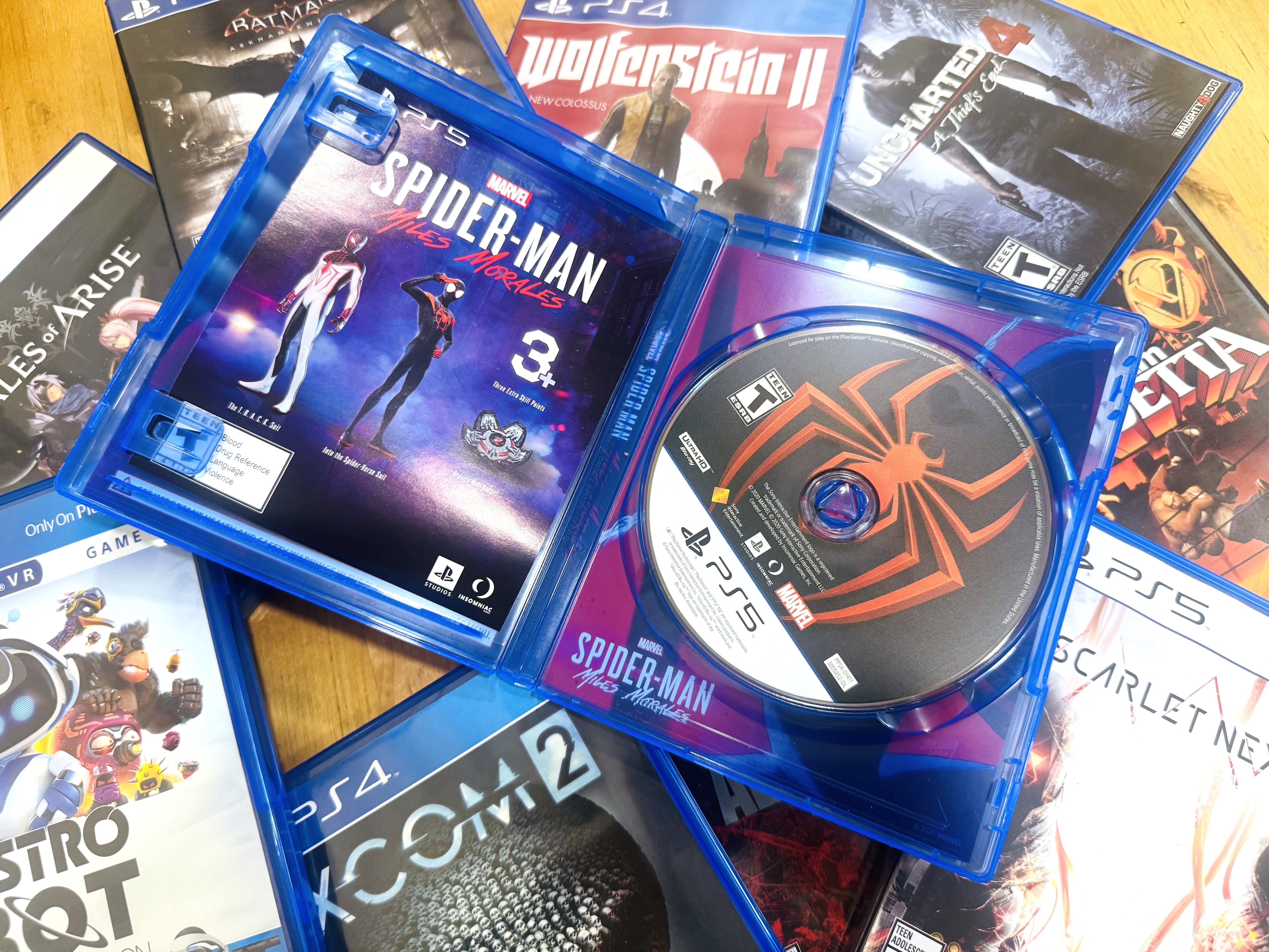
PlayStation's decision to stop physical disc production by 2028 will impact all gamers, not just collectors. This shift raises significant concerns about true game ownership, long-term preservation, and consumer choice.

CD Projekt joint CEO Michał Nowakowski admits the studio's reputation hasn't fully healed after *Cyberpunk 2077*'s troubled launch, acknowledging that some players' faith is indefinitely lost. Despite the game's impressive turnaround and 35 million sales, the initial catastrophe still casts a shadow. Nowakowski hopes future titles like *The Witcher 4* will fully win back the community.

Just days after announcing Ninja Theory's new game, *Senua*, at the Xbox Games Showcase, reports surfaced that Microsoft was planning to shut down or spin off the studio. This bewildering turn of events stems from Xbox's recent financial "reset" and has left fans questioning the future of Ninja Theory and its highly anticipated next title, currently slated for TBA 2027.
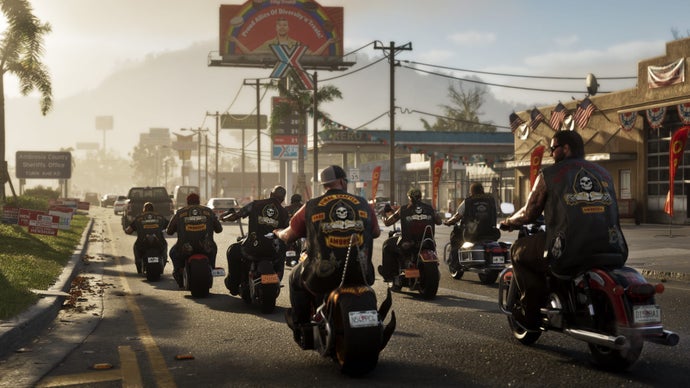
Publishers are swerving to avoid GTA 6's November 2026 launch, creating an unprecedented pile-up of major titles in September. Games like Wolverine, Control Resonant, Silent Hill: Townfall, and Onimusha are set to launch within days of each other, creating intense competition for gamers' time and money. This commercial madness is unlikely to hold, setting up a high-stakes game of release-date chicken.
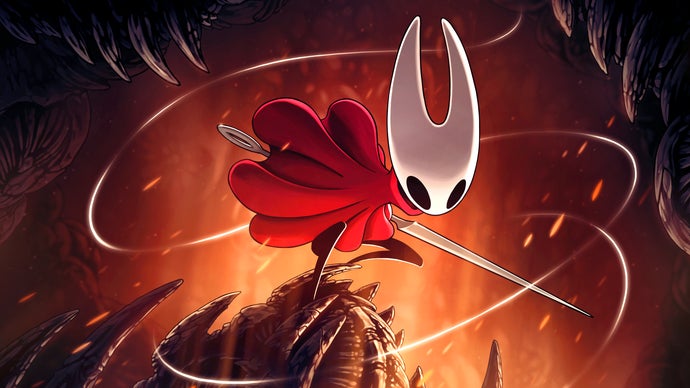
Indie games have quietly sparked a revolution, transforming from a niche sideshow into a major force in the industry. Driven by accessible tools like the Godot engine and developer independence, indies are revitalizing abandoned genres and creating new ones. They now account for nearly half of Steam's full-game revenue, building a thriving, self-sufficient economy outside traditional publishing.
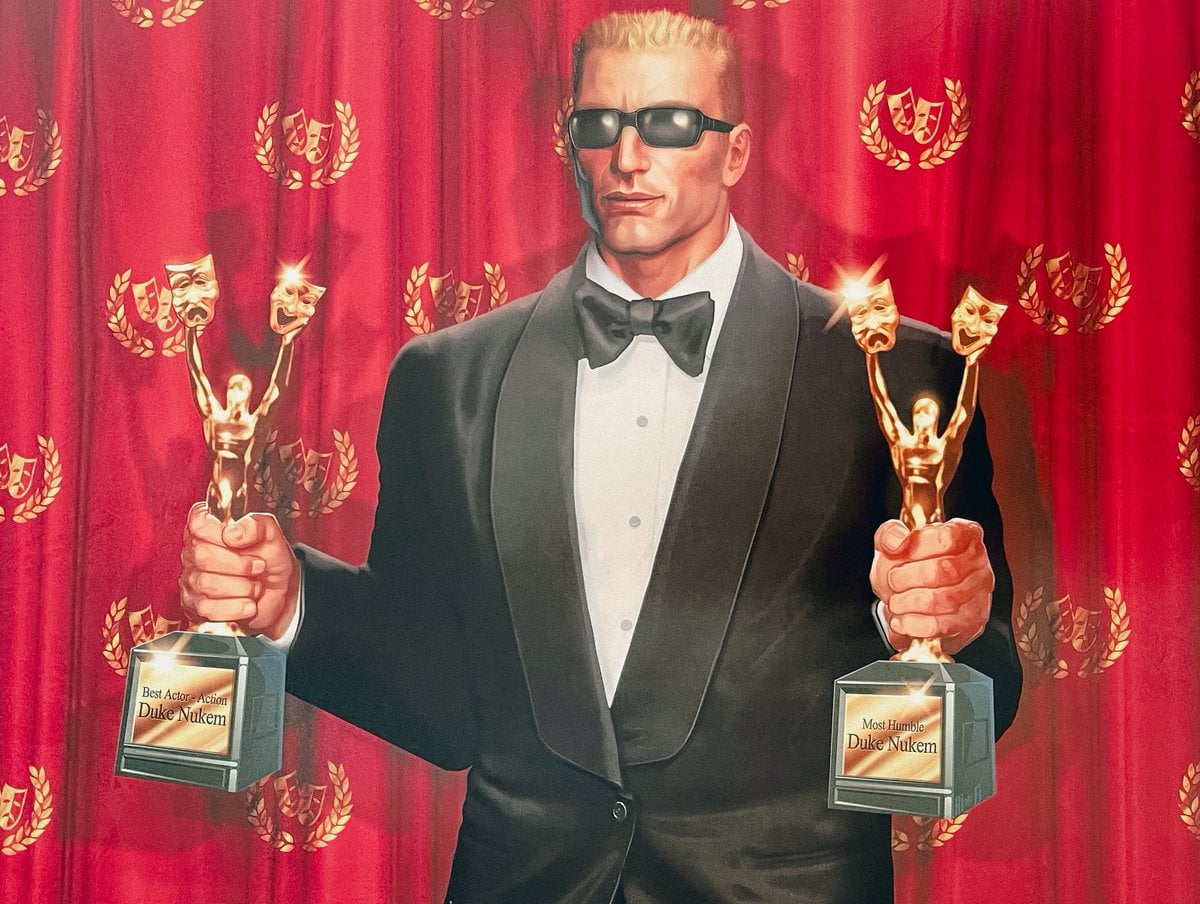
The Oscars are banning AI films, urging gaming awards to define their AI stance. With human creators at risk, major gaming award shows must champion human artistry and integrity with clear, human-first guidelines for AI content.
Former Nintendo of America President Reggie Fils-Aimé recently dropped a bombshell: Nintendo ceased selling directly to Amazon in the late 2000s after Amazon allegedly asked them to engage in illegal practices to undercut other retailers. This revelation sheds light on the long-standing friction between the two giants.
Xbox pulled Call of Duty from day-one Game Pass launches, moving them to roughly a year later. This came with Game Pass price cuts. Data shows CoD wasn't driving new subscriptions but cannibalizing premium sales, and the franchise itself faces declining engagement and revenue, prompting Xbox's strategic pivot.

The Epic Games Store, nearly a decade old, still struggles to compete with Steam despite its favorable revenue share for developers and weekly free games. Its slow performance, lack of user-centric features, and absent community elements leave it far behind Steam's robust ecosystem, failing to retain users beyond the allure of freebies.

Xbox's new boss, Asha Sharma, has officially retired the 2024 'This is an Xbox' marketing campaign, citing it 'didn’t feel like Xbox.' This signals a major brand reset, but deeper corporate pressures and past hardware decisions pose ongoing challenges to Xbox's path forward.

Sony has announced significant price increases for the PS5, PS5 Pro, and PlayStation Portal, effective April 2026. Citing global economic pressures, these hikes make entry into the PlayStation ecosystem more expensive, impacting consumer buying decisions amidst rising component costs across the gaming industry.
