
Microsoft's Gaming Cuts: Bethesda & id Software Face Uncertain Futures
Microsoft's Xbox division layoffs have severely impacted Bethesda and id Software, with up to 50% of teams cut, raising concerns for beloved franchises like Doom, Elder Scrolls, and Starfield. The focus shifts to "strongest franchises" amidst calls for sustainable growth.

Verdict: A Troubling Restructure for Gaming Giants
Microsoft's recent wave of layoffs across its Xbox division has sent unsettling ripples through the gaming industry, with iconic developers Bethesda and id Software reportedly hit particularly hard. While framed as a strategic move to "strengthen the business" and foster "sustainable growth," these significant staff reductions – affecting as much as 50 percent of some teams, including key programming roles at id Software – raise serious questions about the future of beloved franchises, ongoing projects, and the creative health of these once-independent studios. Gamers should temper expectations and closely monitor forthcoming releases, as the full impact of these cuts on game quality and innovation remains to be seen.
The Unsettling Landscape of Xbox Layoffs
Yesterday, Microsoft announced an ambitious plan to reduce its Xbox division workforce by 3,200 employees, with an initial 1,600 already impacted and another 1,600 slated for release later this fiscal year. CEO Asha Sharma initially focused on cuts to the Xbox platform team and redundant middle management layers. However, insider reports quickly revealed that the axe fell heavily on core development studios, including Bethesda and id Software. This widespread reorganization reflects a broader shift in Microsoft's strategy, prioritizing efficiency and profitability, but at a considerable human cost and with potential ramifications for its extensive gaming portfolio.
id Software: A Legacy Under Pressure
The impact on id Software, pioneers of the first-person shooter genre, appears particularly severe. Reports from industry veteran Scott Miller, who helped publish id's early games, suggested that a majority of the studio, including most—if not all—coders, had been laid off. These claims were corroborated by Michael Maynard, a programmer whose credits at id date back to 2011's Rage, who confirmed he was among the "roughly 50%" of the team let go on Monday. Game Developer, citing multiple anonymous sources, confirmed that approximately 90 employees from the Doom studio were affected. This news broke on the very day the first DLC pack for last year's Doom: The Dark Ages launched.
Id co-founder John Romero expressed profound sorrow over the layoffs, acknowledging the current team's commendable efforts in maintaining the legacy of Doom, Quake, and Wolfenstein in today's challenging industry. He emphasized that the recent games demonstrated genuine care, skill, and respect for these iconic worlds. Maynard lamented the situation, describing it as id Software, the "pioneer/innovator of FPS action games," being relegated to "just another 'reorganization' of assets." The departure of such a significant portion of its development talent, especially experienced coders, inevitably raises concerns about id's capacity for future innovation and the integrity of its technical prowess.
Bethesda's Redirection: "Strongest Franchises" Only?
Bethesda, another cornerstone of Microsoft's gaming empire, also faced substantial cuts. An internal email from Bethesda President Jill Braff to staff expressed "sincere gratitude" to the departing colleagues, acknowledging the deep impact of the layoffs. IGN reported that employees at Bethesda Studios were "hit particularly hard," with remaining staff facing an uncertain future given Microsoft's ongoing layoff plans. Braff's email outlined a necessary "change of course" for Bethesda, emphasizing a transformation into a company that "focuses on our strongest franchises" to "strengthen our business, return to sustainable growth, and ensure we can continue investing in our franchises and our players." While these are common business objectives, the phrasing suggests a potential narrowing of focus.
This strategic shift could spell bad news for newer franchises, such as Starfield, which debuted last year. Fans are already mourning Starfield's future amid these layoffs, speculating on its diminished prospects compared to established IPs like Fallout, Elder Scrolls, Wolfenstein, and Quake. Furthermore, the popular massively multiplayer online game The Elder Scrolls Online is reportedly suffering significantly, with Kotaku reporting that as much as half of its development team has been let go. Such drastic cuts to an ongoing live-service game could have profound effects on its future content, updates, and overall player experience. The directive to focus on "strongest franchises" while letting go of significant talent from a major live-service title like ESO highlights a stark re-evaluation of priorities within the Xbox ecosystem.
The Human Cost and Creative Impact
Beyond the raw numbers, these layoffs carry a substantial human cost, impacting the lives and careers of hundreds of talented individuals. From a creative standpoint, the loss of institutional knowledge, experienced programmers, and seasoned developers can significantly disrupt ongoing projects and future planning. Morale within the remaining teams is likely to be affected, potentially leading to burnout or further talent departures. For gamers, this translates to tangible concerns about the quality, scope, and innovation of upcoming titles. Will games be rushed? Will ambitious new mechanics be scaled back? Will live-service games receive the consistent updates and support their communities expect? The emphasis on "strongest franchises" could foster a more risk-averse development environment, potentially stifling the creation of novel IPs and relying heavily on established successes.
Pros and Cons of Microsoft's Strategy
Pros:
- Stated Business Strengthening: Microsoft's stated goal is to "strengthen our business" and "return to sustainable growth." These layoffs are presumably part of a larger strategy to streamline operations and improve profitability within the Xbox division.
- Focused Investment: By focusing on "strongest franchises," Microsoft intends to consolidate resources and potentially provide more robust support for its most successful IPs, theoretically ensuring their longevity and quality.
Cons:
- Massive Talent Drain: The departure of hundreds of experienced professionals, including core coders and long-time developers, represents a significant loss of expertise, institutional knowledge, and creative vision.
- Disruption to Development: Projects currently in various stages of development will undoubtedly be impacted, facing delays, changes in scope, or even cancellation.
- Uncertain Future for Games: The future of titles like Starfield and the ongoing support for The Elder Scrolls Online are now cast into doubt, creating anxiety among player communities.
- Potential for Reduced Innovation: A hyper-focus on established, "strongest" franchises, coupled with reduced staffing, could lead to a more conservative development approach, potentially stifling the creation of new and experimental gaming experiences.
- Negative Morale and Industry Perception: Such widespread layoffs inevitably affect employee morale and can damage a company's reputation within the highly competitive talent market of the gaming industry.
Recommendations for Gamers
Given these developments, gamers should adopt a cautious approach. While core franchises like Doom, Elder Scrolls, and Fallout will likely continue, the depth of innovation and the consistency of post-launch support may vary. Keep an eye on official announcements and developer communications regarding specific titles. For games like The Elder Scrolls Online, monitor community sentiment and content updates closely to gauge the impact of the reported staff reductions. Support for new IPs, if they emerge from these studios, might be even more critical in demonstrating demand for varied experiences.
This event underscores a larger trend of consolidation and corporate restructuring in the tech and gaming sectors. While companies aim for efficiency, the consequences for creative teams and the ultimate products they deliver can be profound. The gaming landscape is dynamic, and these layoffs mark a significant, unsettling chapter for some of its most storied developers.
FAQ
Q: What does this mean for games like Doom and Elder Scrolls?
A: While these are considered "strongest franchises" and are likely to continue receiving investment, the significant staff reductions, particularly at id Software, could impact the pace of development, technical innovation, and potentially the creative direction of future installments. For The Elder Scrolls Online, the reported halving of its team raises concerns about future content and ongoing support for its live-service model.
Q: Should I be concerned about Starfield's future?
A: The shift towards focusing on "strongest franchises" and the general atmosphere of layoffs at Bethesda introduce uncertainty for newer IPs like Starfield. While specific cancellations haven't been announced, its future development, potential expansions, and long-term support may be re-evaluated and potentially scaled back compared to established juggernauts like Fallout or the main Elder Scrolls series.
Q: Is this a common trend in the gaming industry?
A: Unfortunately, large-scale layoffs have become an increasingly common, albeit disturbing, trend across the tech and gaming industries in recent years, often driven by economic pressures, post-pandemic adjustments, or corporate restructuring following mergers and acquisitions. Microsoft's actions are part of a broader pattern of consolidation and a focus on profitability that many major publishers are currently undertaking.
Related articles
Android 17 QPR2 Beta 7.1: The Performance Relief You've Been Waiting
Android 17 QPR2 Beta 7.1: Finally Fixing the QPR1 Performance Woes Verdict: Android 17 QPR2 Beta 7.1 is a crucial and highly anticipated software update for Google Pixel users, specifically targeting and resolving the

DJI Solo Video Setups: Smart Choices for Lone Creators
This review delves into DJI's recommended solo video setups, highlighting the Osmo Pocket 3 Creator Combo as a top pick for its integrated camera, gimbal, and mic. It also covers stabilizers like the Osmo Mobile 8 and RS 4, and the DJI Mic Mini series for enhanced audio, providing honest pros, cons, and clear buying advice.

Ars Technica's Rocket Report: Your Essential Space Industry Briefing
Quick Verdict Ars Technica's Rocket Report, presented by veteran space reporter Stephen Clark, offers an invaluable and meticulously organized weekly (or similar frequency, implied by "Edition 9.15") digest of the most

Apple iPhone Duo: A Daring Debut with Notable Compromises
Apple's highly anticipated iPhone Duo, priced at $2,000, has gone on pre-order. While hailed as "Apple's most exciting device in a decade" for its innovative foldable design and immersive display, it comes with significant drawbacks like the absence of FaceID and a premium camera.
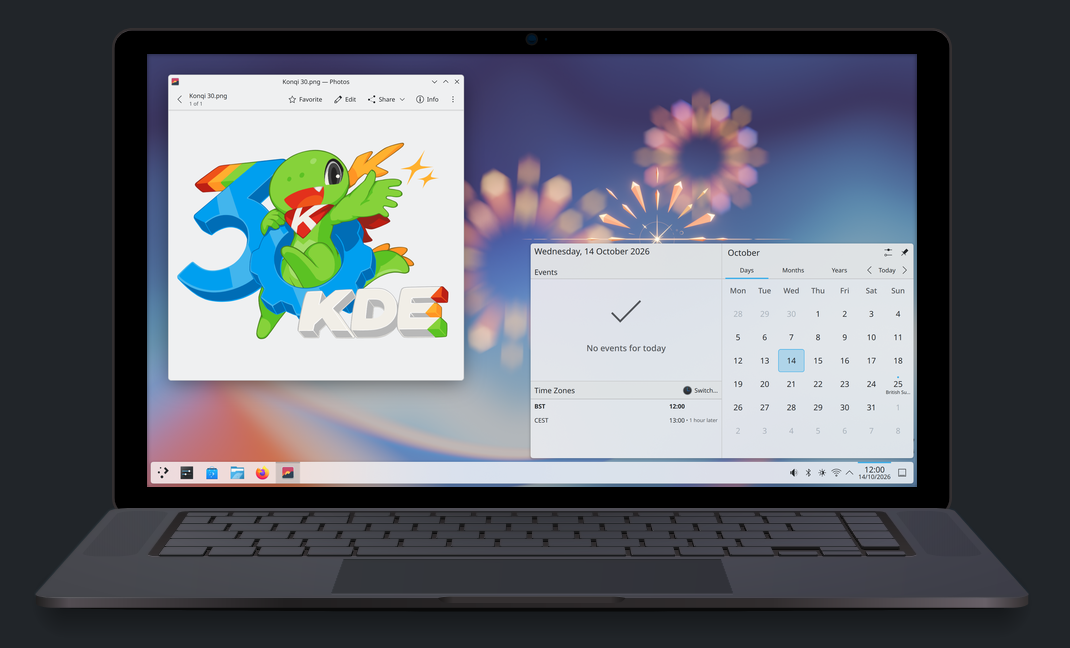
KDE Plasma 6.8: A Future-Focused 30th Anniversary Update
Quick Verdict KDE Plasma 6.8, arriving as the "30th Anniversary Edition," is a pivotal release that decisively pushes the desktop environment into the future. With a definitive farewell to native X11 sessions and a

Kojima Compares Divisive New Film 'Digger' to MGS2's Prescient Vision
Gaming icon Hideo Kojima has praised the divisive 2026 film *Digger*, drawing intriguing parallels to his own prophetic game, *Metal Gear Solid 2*. Both works, he explains, uniquely explore the dangers of misinformation and a fragmented digital reality, anxieties he shares with *Digger*'s director, Alejandro González Iñárritu.