
PlayStation's Digital-Only Future: Why Every Gamer Should Care
PlayStation's decision to stop physical disc production by 2028 will impact all gamers, not just collectors. This shift raises significant concerns about true game ownership, long-term preservation, and consumer choice.
PlayStation's Digital-Only Future: Why Every Gamer Should Care
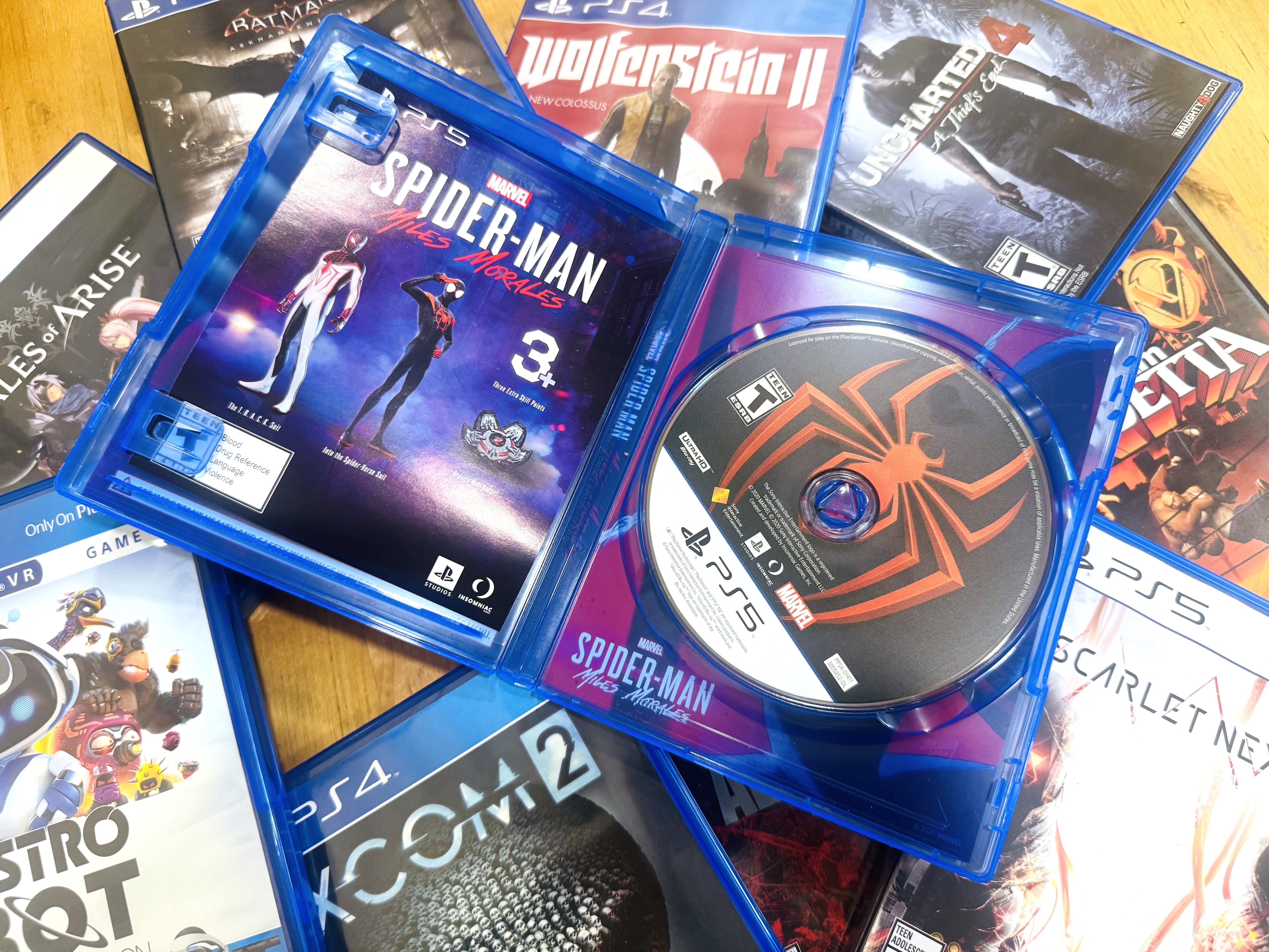
Alright, fellow gamers, let's talk about something big – really big. If you've been plugged into the news lately, you'll know Sony recently dropped a bombshell: come 2028, PlayStation will cease physical disc production. On the surface, if you're like me – someone who hasn't bought a physical game since the wild days of 2020 when the pandemic shifted my purchasing habits fully digital – this might seem like a distant rumble. "What's the big deal?" you might think. "I'm already buying digitally." But trust me, this isn't just about collectors losing shelf space. This is a monumental shift that could affect every single one of us, fundamentally altering what it means to own and experience games.
More Than Just Missing Boxes: Immediate Changes for Disc Devotees
For those who still cherish the tactile satisfaction of a fresh disc, the initial impact is pretty clear. Yes, there's the undeniable aesthetic loss for anyone proud of their meticulously curated game library. But beyond the visual, more profound changes are coming. The vibrant secondhand market, a haven for budget-conscious gamers looking to snag a deal, will vanish entirely. Lending a friend a game? That's a relic of the past unless you utilize the PS5's existing digital sharing solutions, which isn't quite the same. And for players battling sluggish internet connections, the convenience of installing from a disc instead of enduring hours-long downloads will be gone, leaving them at the mercy of their ISPs. These might seem like niche concerns, but they represent a significant erosion of consumer freedoms.
The Illusion of Ownership: When "Yours" Isn't Really Yours
The heart of this debate, and perhaps the most troubling aspect for all gamers, regardless of their preferred format, is the slippery concept of ownership. When you buy a digital game, you're not actually owning it in the traditional sense. You're typically purchasing a license, and that license comes with a catch: the platform holder can revoke your access at any time. This isn't just legal jargon; it's a chilling reality we've seen play out. Just last week, PlayStation users were informed they'd lose access to certain movies purchased from the PlayStation Store, like Total Recall and Terminator 2, due to licensing issues. No refunds were indicated. Remember Konami's P.T.? The iconic demo for the ill-fated Silent Hills was removed in 2015, and even if you had it in your library, you can't officially download it anymore. This sets a concerning precedent: if it can happen to movies and demos, what stops it from happening to full-fledged games you've paid for?
The Clock is Ticking: The Crisis of Game Preservation
This ownership conundrum feeds directly into a long-standing nightmare for the video game industry: preservation. What happens to a game that's only available digitally when it's removed from storefronts? It essentially disappears into the ether. This isn't a hypothetical. Alongside the disc announcement, Sony also confirmed plans to sunset the PlayStation 3 and PlayStation Vita storefronts – a move they previously attempted and walked back due to fan outcry in 2021. If these plans stick this time, countless digital-only titles will become inaccessible unless publishers decide to re-release them on newer platforms. Physical media, for all its perceived drawbacks, serves as a vital safeguard, offering a tangible copy that can be played long after digital storefronts close their doors.
Your Wallet, Their Rules: The Economic Impact of Digital Monopoly
Even if the idea of losing access to old games doesn't keep you up at night, the shift to an all-digital landscape could hit your wallet hard. We're heading towards a future where Sony controls the only storefront for PlayStation games. This eliminates competition from physical retailers and, crucially, the used game market, which traditionally helps drive down prices over time. Without that pressure, Sony, or publishers, will have little incentive to reduce game prices from their launch day highs. The company has already been toying with dynamic pricing – currently for discounts, but the door is wide open for price hikes. When discs are gone, you'll simply have to accept whatever price Sony decides to set.
Greenwashing or Grey Area? The Environmental Debate
Some argue that going digital is better for the environment, citing the reduction in plastic cases and shipping. On the surface, that makes sense, but it's not so cut and dry. Critics point out that the massive data centers required to store and serve digital games consume enormous amounts of energy. One perspective even suggests that, when factoring in the entire lifecycle from material mining for discs to delivery, physical media's carbon footprint might actually be less than that of a constantly downloaded and streamed digital ecosystem. This isn't a simple equation, and the environmental impact of digital consumption is a complex, often overlooked, aspect.
Why Physical Discs Remain a Crucial Safety Net
While the industry has been pushing towards digital for years, the complete abandonment of physical media by a major player like PlayStation is a wake-up call. Physical games, despite their imperfections, provide a crucial safety net for consumers. They offer genuine ownership, a means of preservation, and a competitive element that keeps pricing in check. Other mediums like movies, music, and books still offer physical options (Blu-rays, vinyl, print), even as digital flourishes. Why should video games, a medium often requiring massive downloads and significant investment, be any different? Until robust digital ownership laws are in place, physical discs remain an indispensable pillar for player rights and the long-term health of our gaming history.
FAQ
Q: When will PlayStation stop producing physical discs?
A: Sony has announced plans to stop producing physical discs for PlayStation games starting in 2028.
Q: Will I lose access to games I've bought digitally if I don't own a physical copy?
A: While not guaranteed for all games, history shows that digital access can be revoked due to licensing issues or storefront closures, as seen with purchased movies on the PlayStation Store and the P.T. demo. This highlights a key risk of digital-only ownership.
Q: How will this affect game prices?
A: Without a physical secondhand market or competition from other retailers for disc sales, Sony will effectively have a monopoly on pricing. This could lead to higher prices for longer and less incentive for discounts, as consumers will have fewer alternative purchasing options.
Related articles

TCG Pocket Responds: A Much-Needed Pace Shift for Pokémon Fans
Pokémon TCG Pocket is rolling out a major update for its second anniversary, primarily addressing player concerns about overwhelming content releases by shifting to a six-week set schedule. This aims to curb player decline and improve overall engagement by giving trainers more time to collect and strategize. The update also adds new collection methods, improved deck-building features, and enhanced trading functionality.
KDE Plasma 6.8: A Future-Focused 30th Anniversary Update
Quick Verdict KDE Plasma 6.8, arriving as the "30th Anniversary Edition," is a pivotal release that decisively pushes the desktop environment into the future. With a definitive farewell to native X11 sessions and a

Kojima Compares Divisive New Film 'Digger' to MGS2's Prescient Vision
Gaming icon Hideo Kojima has praised the divisive 2026 film *Digger*, drawing intriguing parallels to his own prophetic game, *Metal Gear Solid 2*. Both works, he explains, uniquely explore the dangers of misinformation and a fragmented digital reality, anxieties he shares with *Digger*'s director, Alejandro González Iñárritu.

Ephemeral PR Preview Environments on GKE: A Deep Dive
Every development team eventually grapples with the limitations of shared staging environments. The familiar scenario: multiple features deployed simultaneously, database migrations clashing, and the phrase "it works on
Ubisoft Proposes German Studio Workforce Reduction Amidst
Ubisoft is planning a voluntary departure program for about 100 employees across its Düsseldorf, Berlin, and Mainz studios in Germany. This move is part of a larger, ongoing cost-reduction and restructuring effort by the publisher, aiming to better position its studios for future projects.

Prototype Racing 2030: A Unified Future Driven by Software
Prototype racing is heading towards a unified, LMDh-based rule set by 2030, promising greater stability, cost-effectiveness, and a focus on software-driven innovation for OEMs, despite current economic challenges.