
Senua's Saga of Uncertainty: Decoding Microsoft's Controversial Moves
Just days after announcing Ninja Theory's new game, *Senua*, at the Xbox Games Showcase, reports surfaced that Microsoft was planning to shut down or spin off the studio. This bewildering turn of events stems from Xbox's recent financial "reset" and has left fans questioning the future of Ninja Theory and its highly anticipated next title, currently slated for TBA 2027.

Senua's Saga of Uncertainty: Decoding Microsoft's Controversial Moves with Ninja Theory
Gaming enthusiasts were buzzing earlier this month, riding high on the reveals from the Xbox Games Showcase. Among the highlights was the exciting announcement of Senua, the next installment in Ninja Theory's critically acclaimed Hellblade series. For many, it was a moment of reassurance, a promise of more of the unique, narrative-driven experiences the studio is known for. Publicly, there seemed little to fret about for Ninja Theory or the game's eventual release.
But in the volatile world of video games, a week can feel like an eternity, and the landscape shifted dramatically for Xbox, leaving many scratching their heads. What followed the showcase was a rapid-fire succession of news that turned that initial excitement into widespread confusion and concern, particularly regarding Ninja Theory's future.
Xbox's Stark Reality: The "Reset" Memo Rocks the Boat
The first tremor came just days after the showcase, with a "reset" memo from the new Xbox CEO, Asha Sharma. This communication was widely interpreted as a harbinger of significant layoffs and potential studio closures. Sharma laid bare the financial realities, revealing that Microsoft's gaming division operates on a slim 3% accountability margin, a decline year-on-year. She stated that "excluding Activision Blizzard King, over the past five years, we have spent over $20 billion on ongoing investments in our content, platform, and hardware subsidy, but our annual revenue has declined nearly half a billion during that time. Going forward, this cannot continue."
This stark financial assessment immediately put certain studios in the spotlight. One analyst candidly told IGN that "the studios most exposed are brilliant for prestige and rotten for the spreadsheet." This description perfectly fit beloved developers like Compulsion (known for South of Midnight), Double Fine (the creative minds behind Psychonauts), and, of course, Ninja Theory, none of whom have recently delivered major commercial blockbusters. The warning signs were flashing bright red for these creative powerhouses.
The Senua Paradox: A Glimmer of Hope or a Calculated Lure?
Then, the rumors turned to reports. Xbox Game Studios boss Craig Duncan reportedly stepped down, and news of various Microsoft studios facing potential closure soon followed. Ninja Theory and Double Fine were explicitly mentioned among those fighting for survival. The gaming community's collective jaw dropped: how could Microsoft trumpet Senua to the world at its biggest annual event, only to allegedly inform the studio's staff of impending closure plans mere days later?
The answer, as reported by Game File's Stephen Totilo, is both perplexing and indicative of the cold realities of corporate strategy. Microsoft allegedly planned to close or spin off Ninja Theory even before revealing Senua. The announcement itself, Totilo suggests, was a calculated move, believing that "the promise of a newly announced game would help draw investor interest in the studio." In a particularly unsettling twist, it's rumored that Ninja Theory management might not have even been privy to Microsoft’s intentions at the time of the reveal. It paints a picture of a studio unknowingly showcasing its final act under the Microsoft banner, a move that feels deeply unsettling for fans and developers alike.
The Great IP Grab: What Becomes of Beloved Franchises?
With studios like Ninja Theory, Double Fine, and Compulsion reportedly in negotiations with Microsoft for potential buyouts to stave off outright closure, the future remains incredibly murky. Even if these studios manage to secure independence, it's a grim reality that significant layoffs would likely be part of the package. And then there's the monumental question of what they would even work on.
Could Ninja Theory, for instance, take the Hellblade franchise with it if it successfully spins off? History suggests this is an uphill battle. When Microsoft shuttered UK-based Lionhead Studios, numerous investors expressed interest, but deals reportedly collapsed because Microsoft refused to relinquish the Fable IP. This precedent casts a long shadow over the fate of Psychonauts for Double Fine or We Happy Few for Compulsion. It appears Microsoft, under its new strategic direction, is keen on retaining valuable intellectual property, even if it means letting the creators go.
A Blockbuster Future: Xbox's Shifting Sands
Asha Sharma's tenure as CEO seems to signal a clear pivot for Xbox: a greater emphasis on a select handful of blockbuster franchises, rather than nurturing a diverse portfolio of smaller, prestige-driven titles. Reports suggest Microsoft is actively "speeding up development on new The Elder Scrolls, Fallout, and Halo games" as it weighs significant restructuring or even a complete spin-off of its gaming branch. This strategic shift suggests a future Xbox that prioritizes established giants with guaranteed commercial appeal, potentially at the expense of the unique, often experimental projects that studios like Ninja Theory brought to the table.
The Road Ahead: An Industry on the Brink
As Microsoft's financial year draws to a close on June 30, the gaming world is bracing for further announcements, with expected layoffs set to be accounted for. One thing is abundantly clear: the Xbox we knew for the last decade is rapidly transforming. The future of Microsoft's gaming business, and indeed, the livelihoods of many talented individuals within it, hangs in a precarious balance. This isn't just a shake-up; it's a fundamental redefinition of what Xbox aims to be, and it leaves us all wondering what gems might be lost in the process of this dramatic overhaul.
FAQ
Q: What is the reported reason Microsoft announced Senua despite closure plans for Ninja Theory?
A: According to Game File, Microsoft allegedly planned to close or spin off Ninja Theory, and the announcement of Senua was intended to help attract investor interest in the studio for a potential buyout.
Q: Will Senua still be released, given Ninja Theory's uncertain future?
A: The future of Senua (TBA 2027, on Xbox Series X/S, PC, and PlayStation 5) is currently uncertain. Ninja Theory is reportedly in negotiations with Microsoft regarding a potential buyout or closure, which could significantly impact the game's development and release.
Q: What happens to game IPs like Hellblade if studios like Ninja Theory are spun off or closed?
A: Historically, Microsoft has been reluctant to part with its intellectual property. The example of Lionhead Studios and the Fable IP suggests that even if a studio is spun off, Microsoft might retain ownership of its key franchises, making it difficult for the original developers to continue working on them independently.
Related articles
TCG Pocket Responds: A Much-Needed Pace Shift for Pokémon Fans
Pokémon TCG Pocket is rolling out a major update for its second anniversary, primarily addressing player concerns about overwhelming content releases by shifting to a six-week set schedule. This aims to curb player decline and improve overall engagement by giving trainers more time to collect and strategize. The update also adds new collection methods, improved deck-building features, and enhanced trading functionality.
Kojima Compares Divisive New Film 'Digger' to MGS2's Prescient Vision
Gaming icon Hideo Kojima has praised the divisive 2026 film *Digger*, drawing intriguing parallels to his own prophetic game, *Metal Gear Solid 2*. Both works, he explains, uniquely explore the dangers of misinformation and a fragmented digital reality, anxieties he shares with *Digger*'s director, Alejandro González Iñárritu.
Ubisoft Proposes German Studio Workforce Reduction Amidst
Ubisoft is planning a voluntary departure program for about 100 employees across its Düsseldorf, Berlin, and Mainz studios in Germany. This move is part of a larger, ongoing cost-reduction and restructuring effort by the publisher, aiming to better position its studios for future projects.
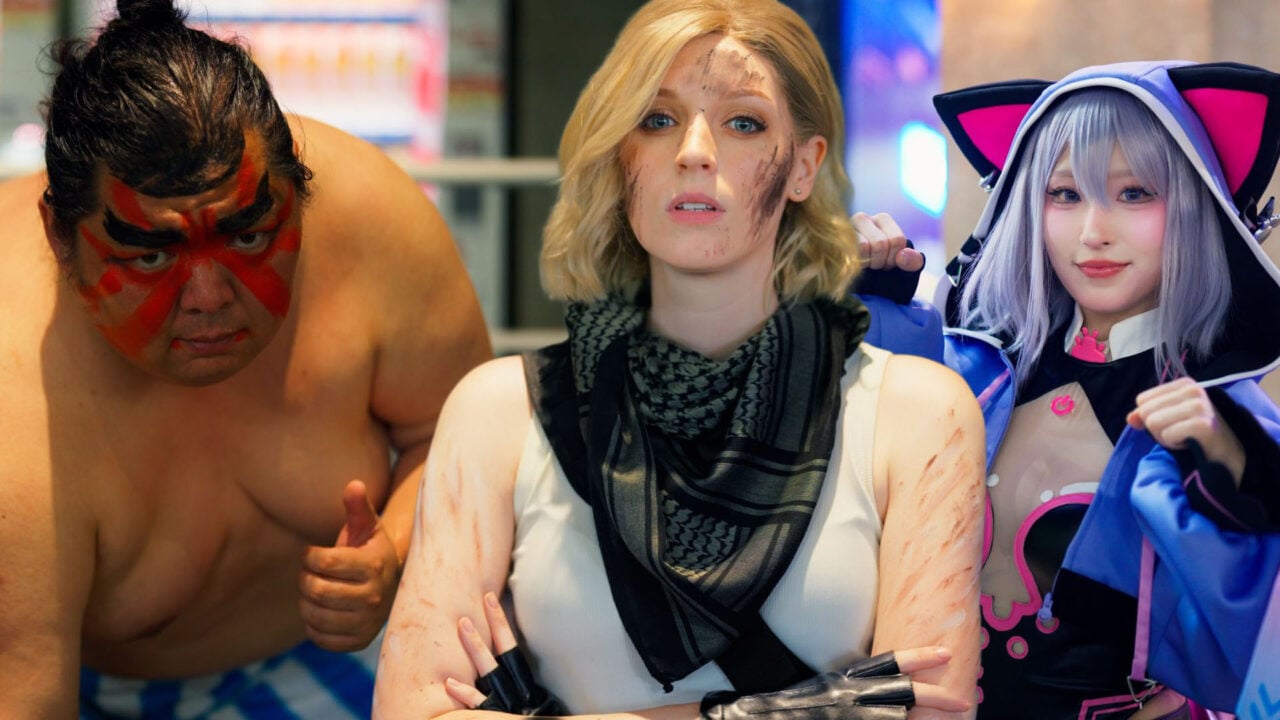
TGS 2026: These Forward-Looking Cosplays Are Already Living in the
Tokyo Game Show 2026 showcased incredible cosplay, with many fans embodying characters from unreleased games like *Blast Blade* and *Mononoke No Kuni*. This gallery highlights the community's foresight, alongside debut *Palworld* cosplay and refreshed takes on classics. It’s a testament to the passion that brings gaming's future to life.
Beyond the Bugs: Conquering Studio Headaches in Indie Dev
This guide, part three in a series on running an indie studio, tackles the crucial but often overlooked aspect of dealing with non-development related issues. It introduces creating a shared 'studio backlog' for collective problems and using the IDS (Identify, Discuss, Solve) framework to address them constructively. The core message is to build powerful habits that keep studios from getting quietly derailed by lingering challenges.

Windows October Update: A Must-Have Security Overhaul
Microsoft's October 2026 Windows update delivers a critical security overhaul, patching over 1,400 vulnerabilities including two zero-days, one already exploited. It's essential for all users, especially with several Windows 11 versions reaching end of support.