35 results found
NSL (NSpawn Subsystem for Linux) offers a WSL-style experience for Linux users, providing isolated, persistent development environments without polluting the host system. It leverages `systemd-nspawn` containers within a lightweight VM, allowing developers to run full distros with integrated file systems, networking, and even Wayland graphical apps. This tool ensures a clean host while offering flexible, secure, and easily manageable development setups.
The OEMpocalypse strategy offers a novel approach to rooting Android devices from an unprivileged app by targeting OEM-specific code. It bypasses generic Linux and chipset driver complexities, aiming for a stable page Use-After-Free (UAF) primitive in OEM kernel drivers, often after an initial sandbox escape through OEM IPC handlers. This method prioritizes reliability and portability across an OEM's lineup, accepting the trade-off of per-OEM exploitation.
Tired of Sony's mobile app? These unofficial, open-source PC tools like Sony Device Center and SonyBridge offer desktop control over your Sony headphones' ANC, EQ, and more. A convenient, albeit unofficial, solution for Windows, Linux, and Mac users looking to ditch their phone for audio adjustments.
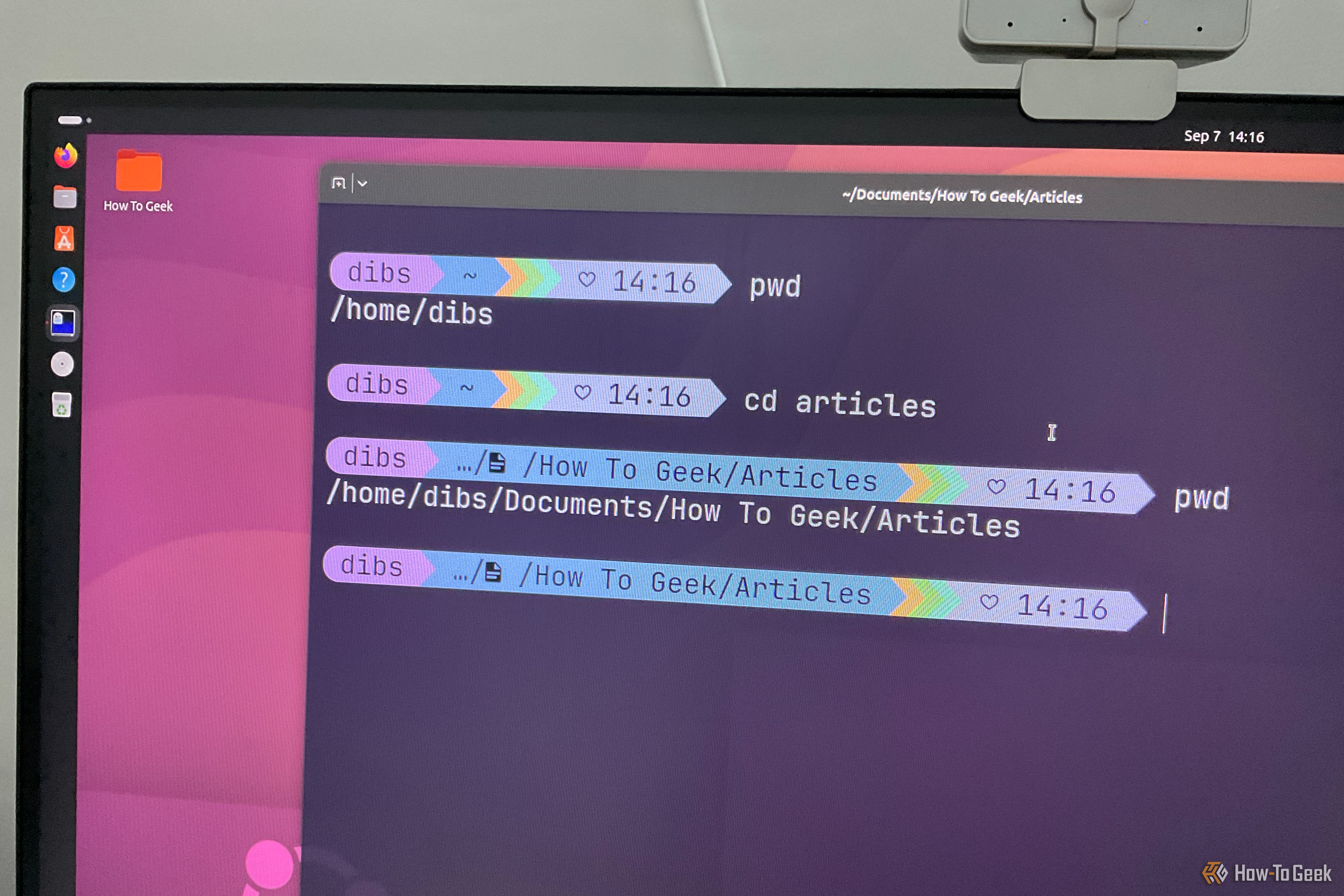
Master directory navigation in Linux by replacing the traditional 'cd' command with 'zoxide', an intelligent, 'frecency'-based tool that learns your habits for quicker jumps.
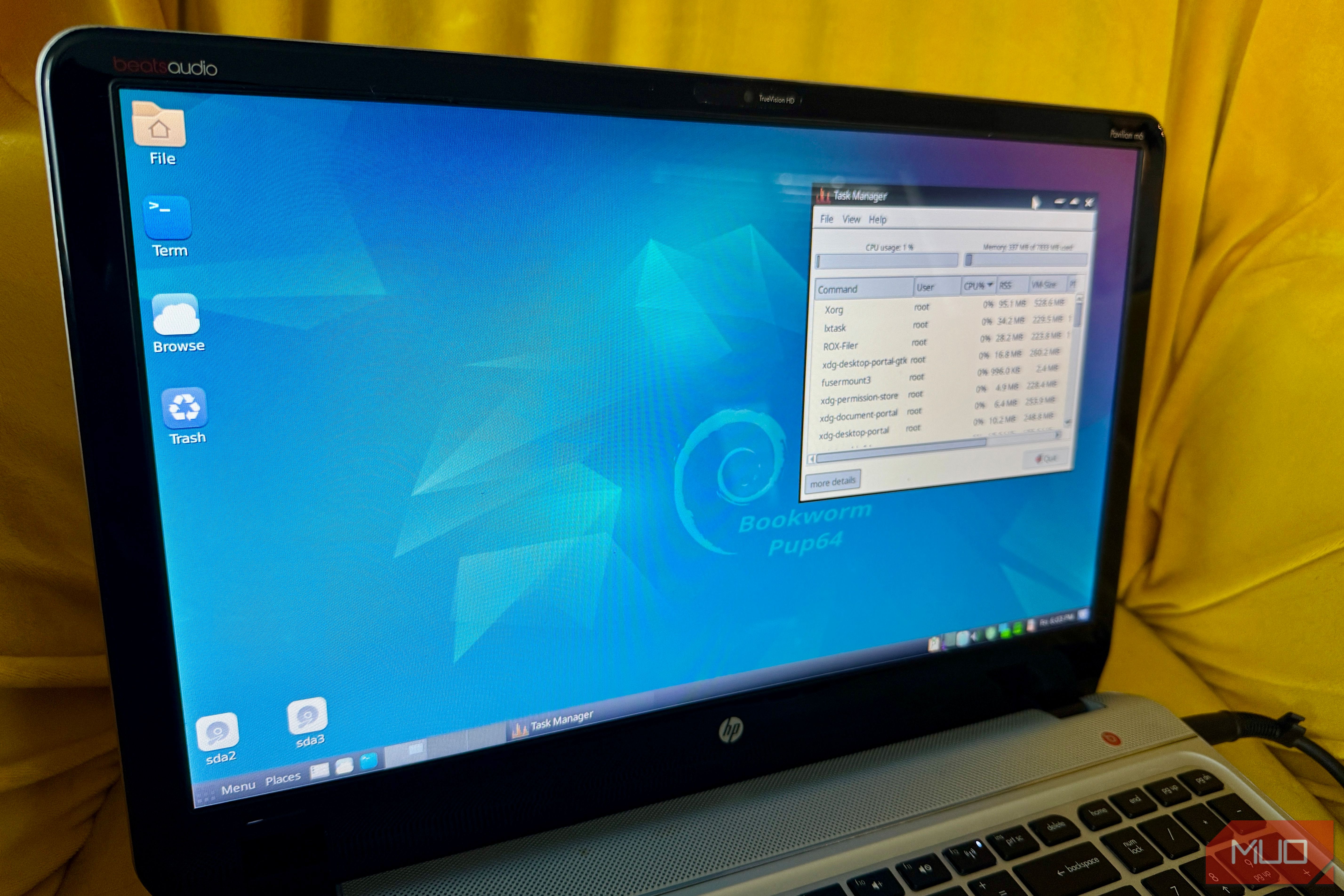
Discover how RAM-based Linux distros can dramatically boost performance and privacy, especially on older hardware. This guide introduces six top options and provides step-by-step instructions to get started.
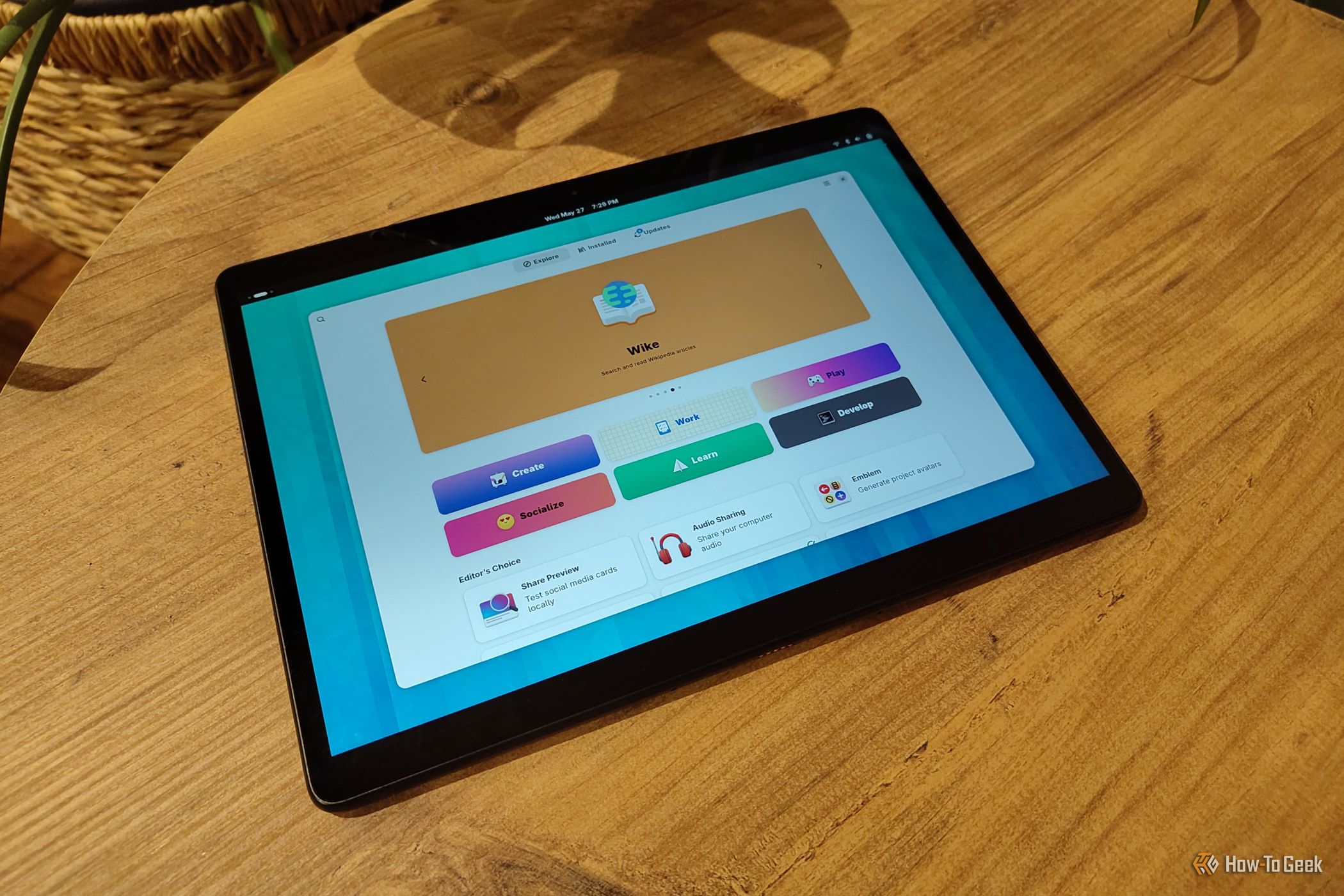
For many Windows users, the operating system they use is simply “the computer.” They might not realize that some common frustrations—like unexpected system crashes after updates, software conflicts, or security

Verdict: Linux's Moment Arrives for the Mainstream Desktop The latest data from Cloudflare, corroborated by StatCounter, paints a compelling picture: Linux desktop usage is experiencing unprecedented growth, even
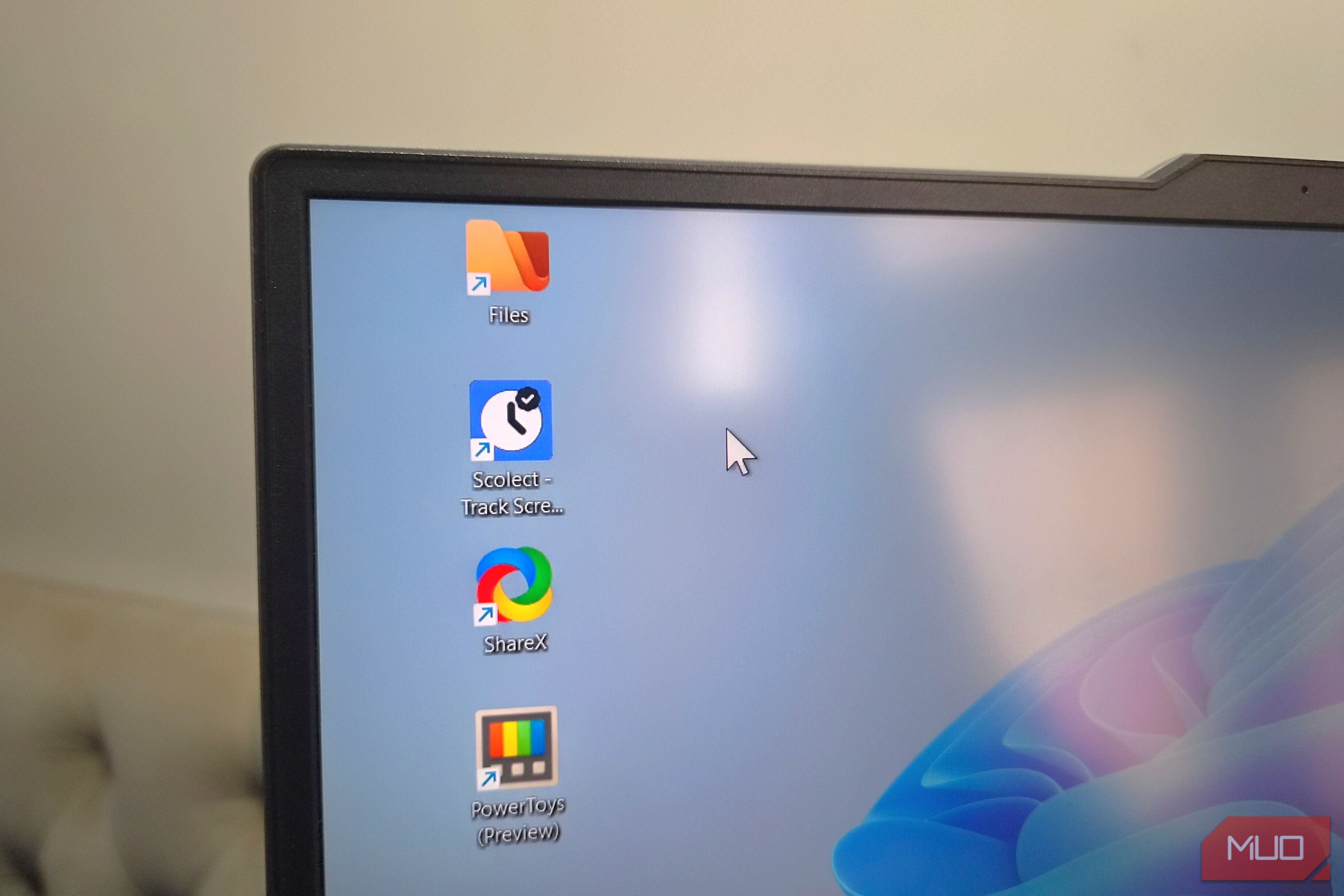
Linux is renowned for being a thriving hub for open-source software, often receiving new tools first or seeing existing ones ported over time. However, a select few open-source applications, despite their popularity and
Optimize your homelab by switching from Ubuntu to Alpine Linux for self-hosting. This guide covers how Alpine's tiny footprint saves storage and RAM, step-by-step instructions for creating Alpine LXC containers in Proxmox, and practical solutions for common compatibility issues, enabling greater efficiency and cost savings.

As an experienced tech reviewer, I'm always on the lookout for Linux distributions that offer a compelling user experience, especially those that can breathe new life into older hardware. The Xfce desktop environment is

Quick Verdict Linus Torvalds, the venerable creator of Linux, has delivered a firm and unequivocal message regarding the use of Artificial Intelligence in kernel development: embrace it or step aside. His stance is
OpenClaw Machines offers an open-source, self-hosted platform for running AI agents with enterprise-grade security and cost efficiency. It utilizes Firecracker microVMs for hardware isolation on your own Linux servers, providing full data sovereignty and predictable costs, especially at scale. The platform includes a control plane for orchestration, a Cloudflare data plane for secure access, and integrated LLM proxying.

COSMIC System Monitor review: A brilliant, fast, and elegantly designed performance tracking tool perfectly integrated with the COSMIC Desktop, but limited to that ecosystem.
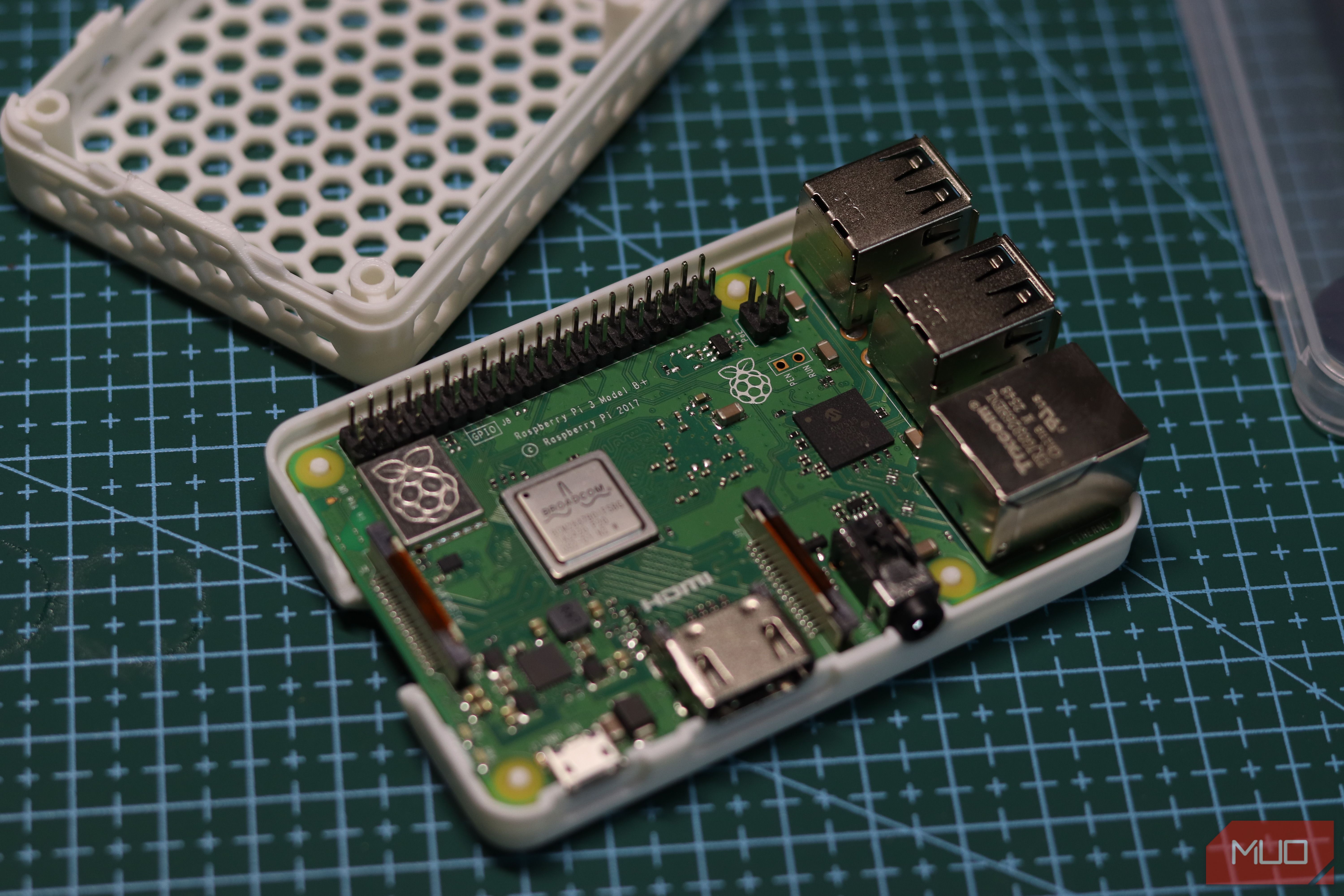
Are you tired of monthly cloud storage subscriptions and giving up control of your data? That old Raspberry Pi gathering dust can become your very own personal cloud server, offering the freedom and privacy of
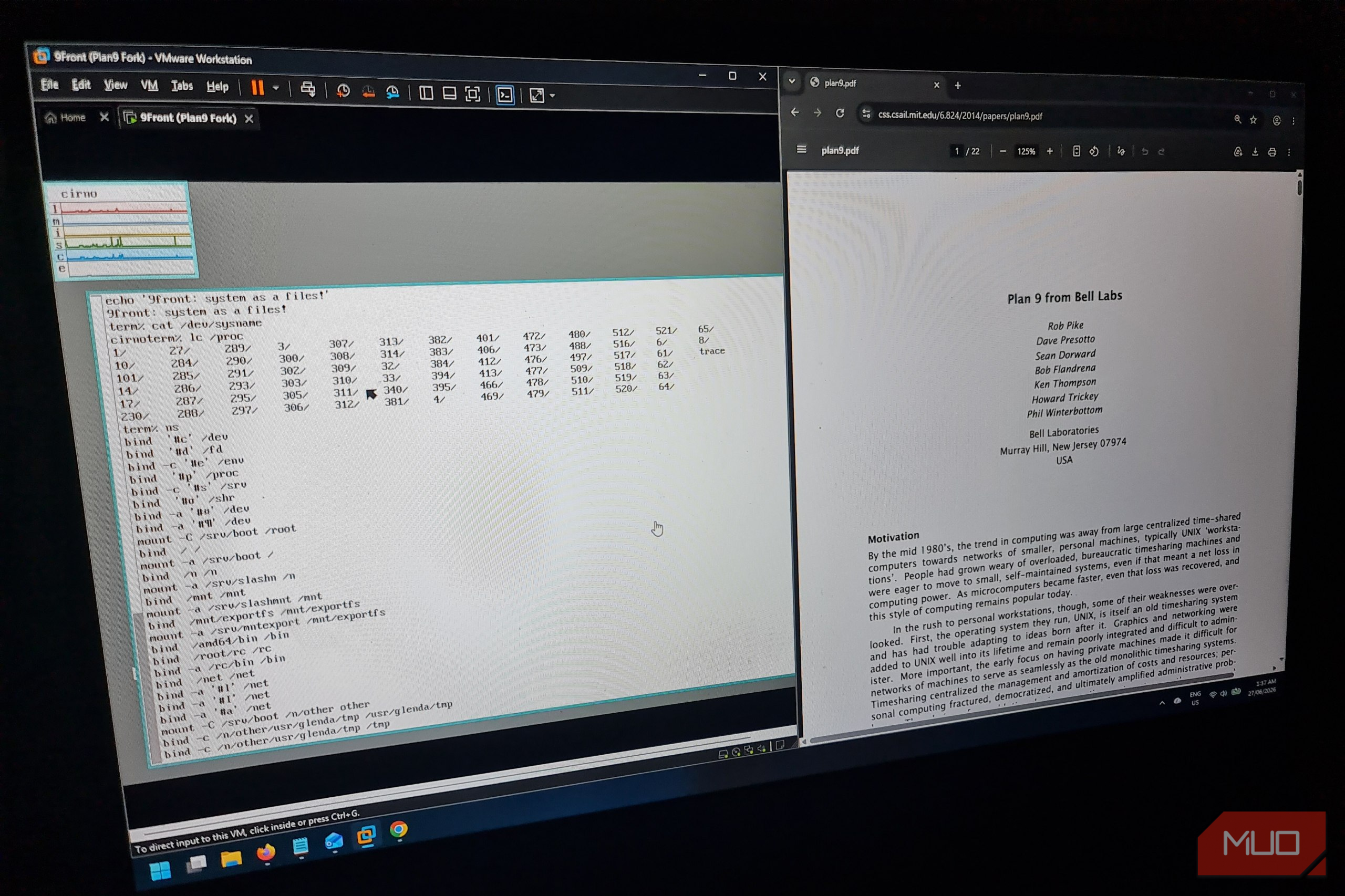
Learn to install and interact with 9front, the Bell Labs OS that influenced everything from UTF-8 to network protocols, in this step-by-step guide.
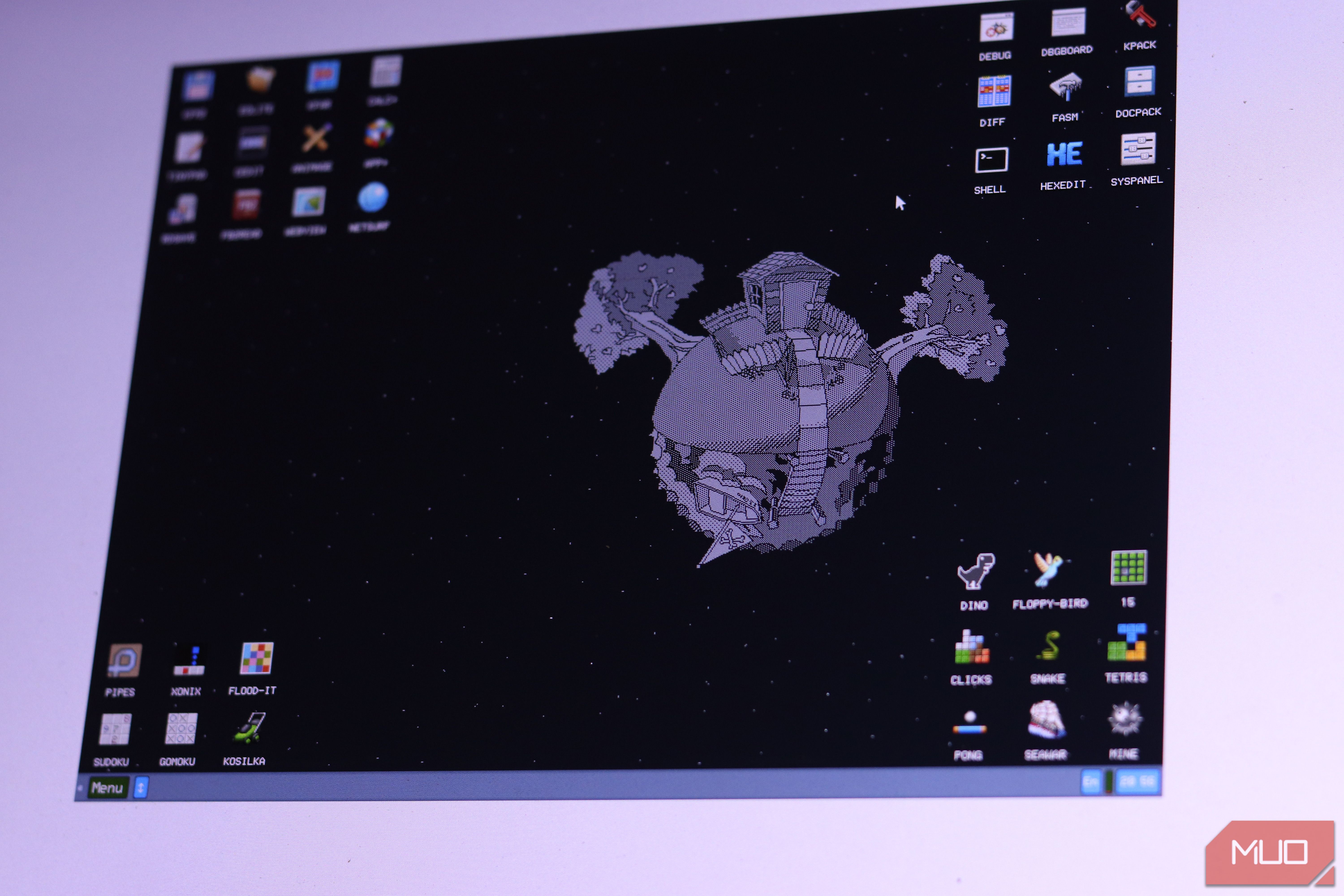
Welcome to a guide on KolibriOS, an incredibly small yet powerful operating system that challenges the notion of modern software bloat. In an era where operating systems demand gigabytes of storage and memory, KolibriOS
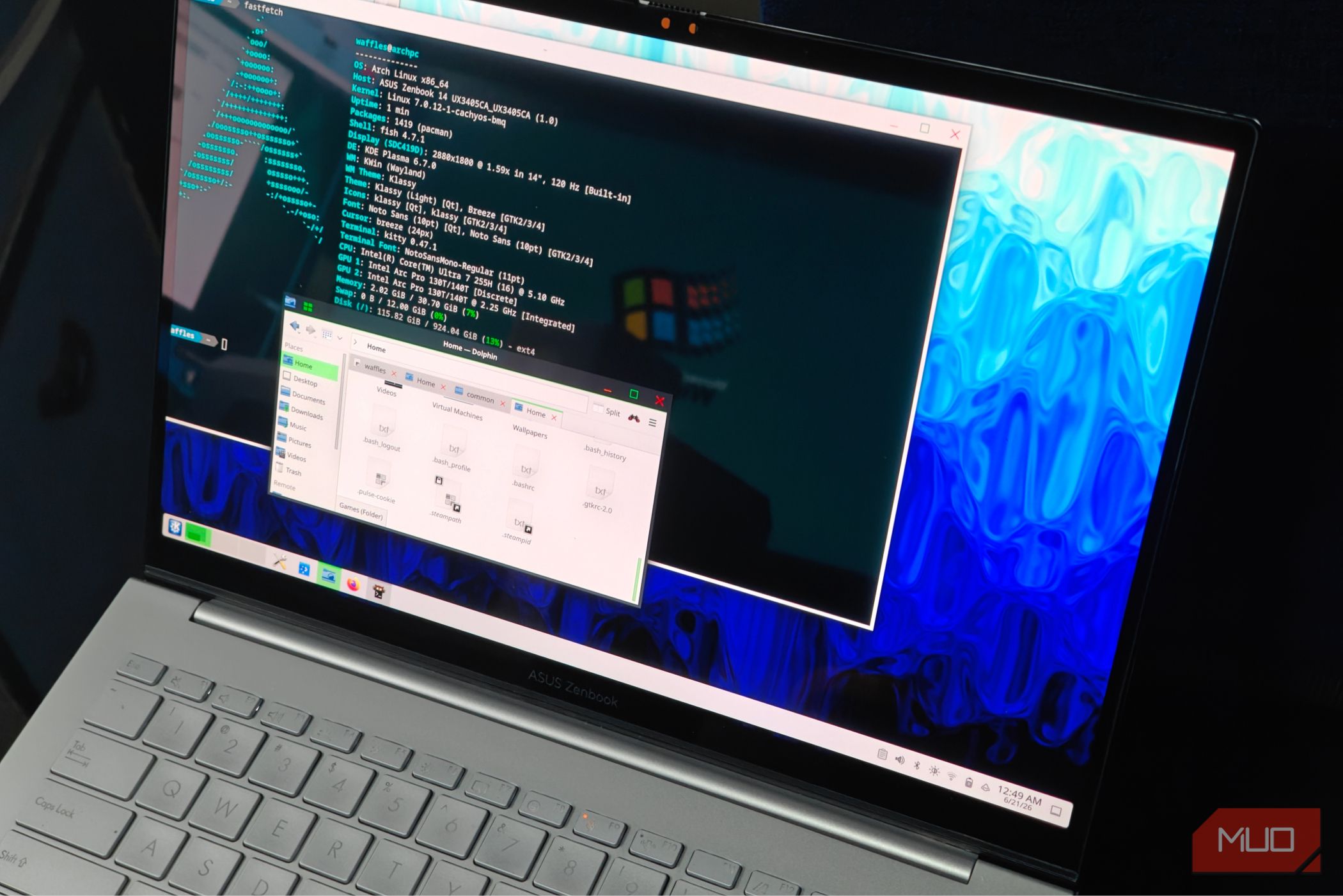
KDE Plasma is a powerful and functional desktop environment for Linux, but its default appearance often leaves users wanting more. While the built-in theme manager offers some options, achieving a truly polished and
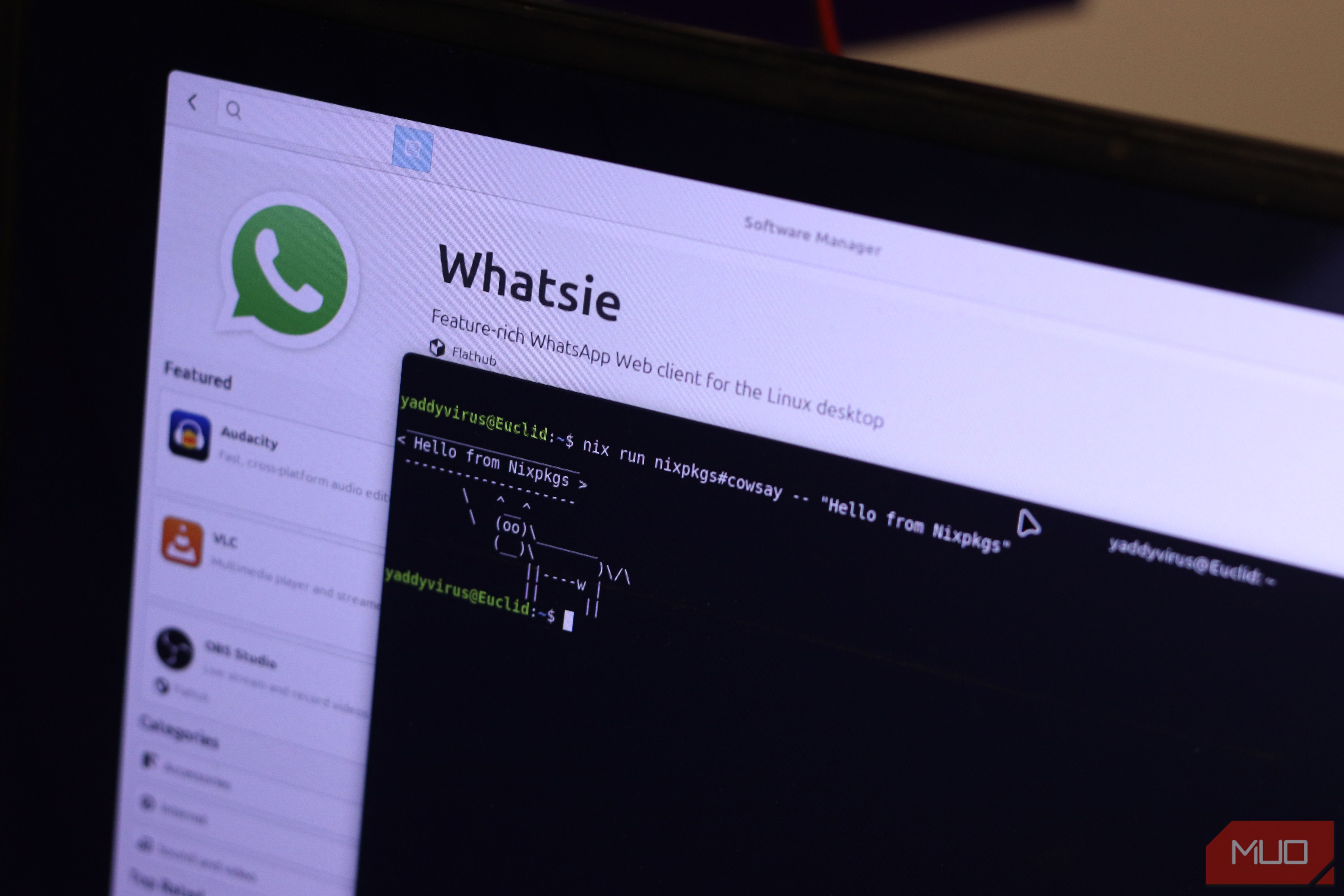
Linux users often turn to Flathub for a convenient app store experience, offering over 2,800 applications that work across many distributions. It's clean, simple, and widely adopted. However, there's a powerful,

Rust in the Linux Kernel: A Beacon Against AI-Driven Bugs Quick Verdict Greg Kroah-Hartman's assertion that "Rust will save Linux from AI" is a compelling argument rooted in practical security needs. While not a magic
California's proposed amendment, AB 1856, aims to exempt open-source operating systems like Linux from its upcoming Digital Age Assurance Act, addressing significant backlash and practical concerns for decentralized platforms. This pragmatic step is a win for privacy and open-source principles.
Don't waste time on problematic Linux distributions. This guide outlines 6 critical red flags to identify before installation, helping you choose a stable, secure, and well-maintained system from the start.
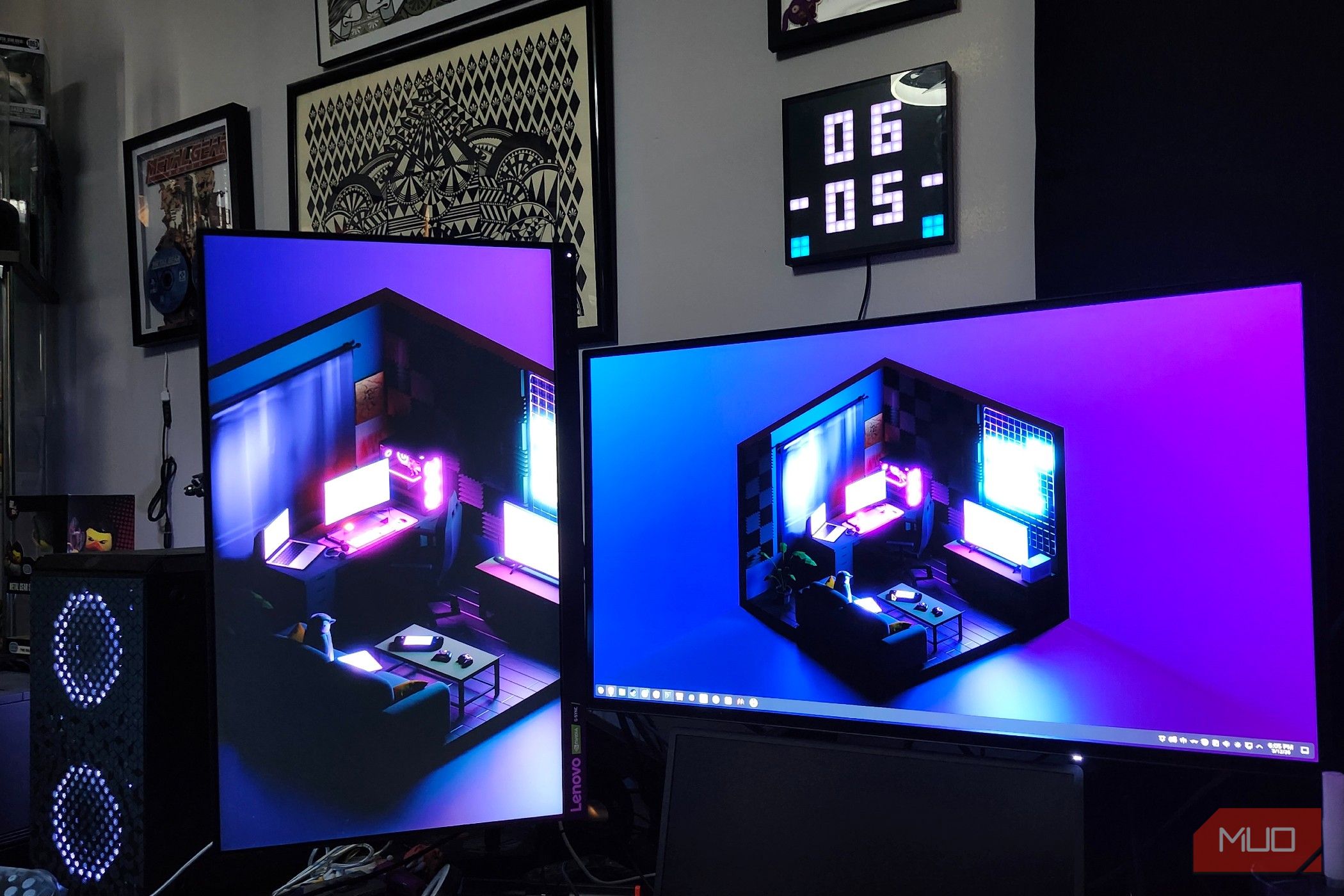
Transform your dual-monitor Linux setup into a seamless productivity hub with three powerful tools: Edge Barrier, KWin Tiling Editor, and ddcutil. Learn to configure your system for a smoother workflow in a few steps.

For developers who've navigated the intricate waters of Makefile syntax, grappled with elusive tab-versus-spaces bugs, or struggled to achieve consistent builds across diverse operating systems like Linux, macOS, and

Canonical has revealed its strategy to integrate AI features into Ubuntu Linux throughout 2026. The plan includes enhancing existing OS functions with background AI models and introducing new AI-native tools, such as advanced accessibility features and agentic AI. Canonical emphasizes model transparency and local inference, aiming to make Linux more accessible without transforming Ubuntu into an "AI product."

The Verge's Senior Reviews Editor, Nathan Edwards, has successfully transitioned his main desktop to Linux (CachyOS) for three months, expressing no desire to return to Windows. Despite minor troubleshooting, he finds the open-source OS "calmer and more robust," appreciating the self-directed nature of problem-solving inherent in Linux's modular design. The shift highlights Linux's growing viability for daily computing and gaming.
