77 results found

Milki Delivery is a charming, Ghibli-inspired cozy game about a girl delivering milk with her pet cow. Beneath its wholesome exterior, a subtle mystery unfolds around the disappearance of other cows and the rebuilding of community bonds.
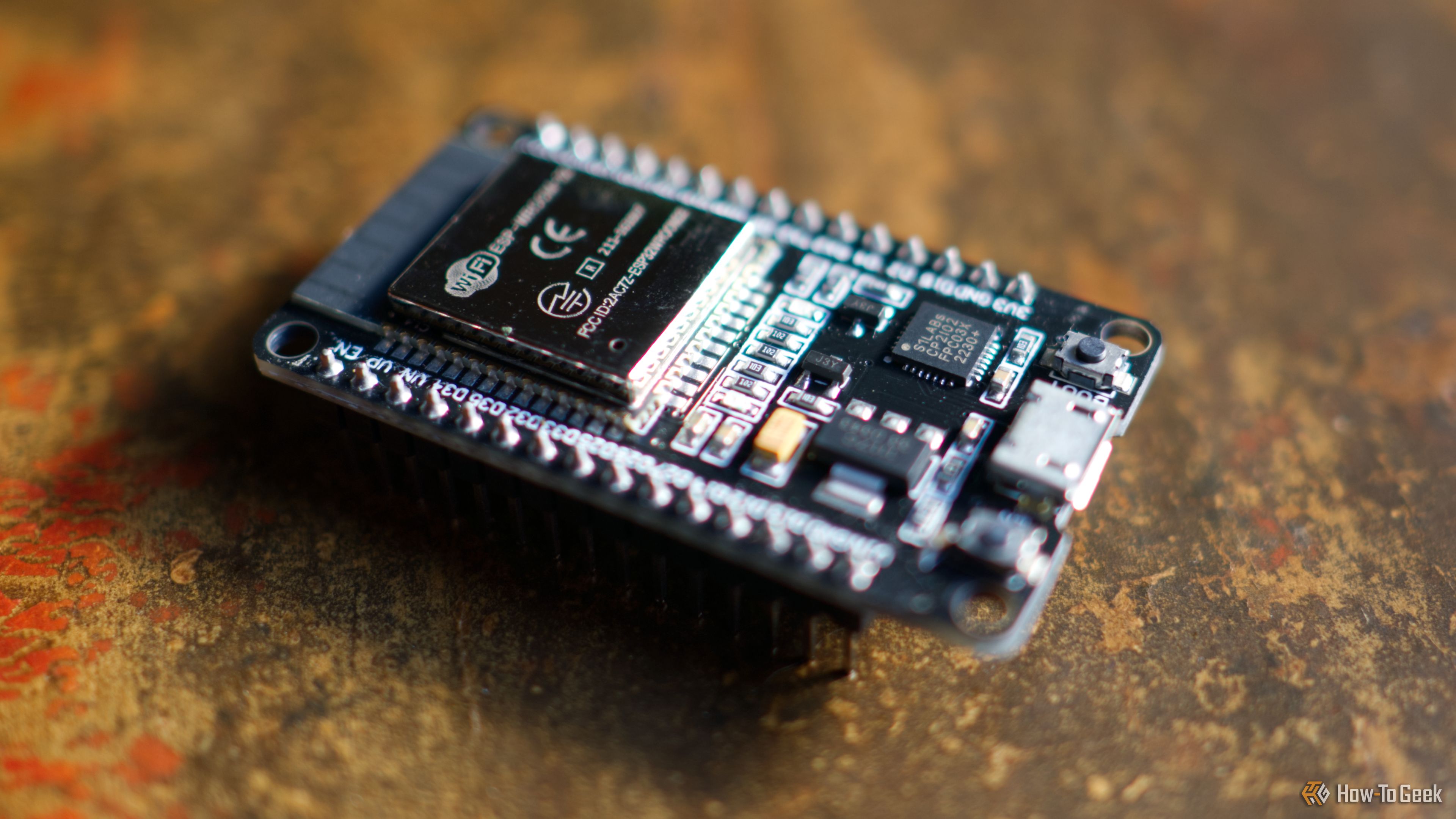
Enhance your desktop this weekend (Sep 4-6) by building five unique ESP32 gadgets! From custom macro pads to smart clocks, learn to assemble and configure these useful DIY tools.

Elon Musk's SpaceX is building a secret Texas foundry to produce gas turbine blades, aiming to accelerate AI data center power by 18 months. This addresses a critical energy bottleneck, but faces environmental backlash over pollution and health risks from gas turbines.

Skyfarer, a startup founded by Nick Tsang in Camas, Wash., is building an "Airbnb for aviation," a unified online marketplace connecting pilots with flight training, instructors, mechanics, and aircraft. Addressing a fragmented multi-billion dollar general aviation market, Skyfarer has rapidly grown to nearly 14,000 users and 8,500 listings by offering essential services and leveraging AI for swift development. The company's vision is to support pilots throughout their entire aviation journey, aiming to reduce dropout rates and foster a thriving flying community.
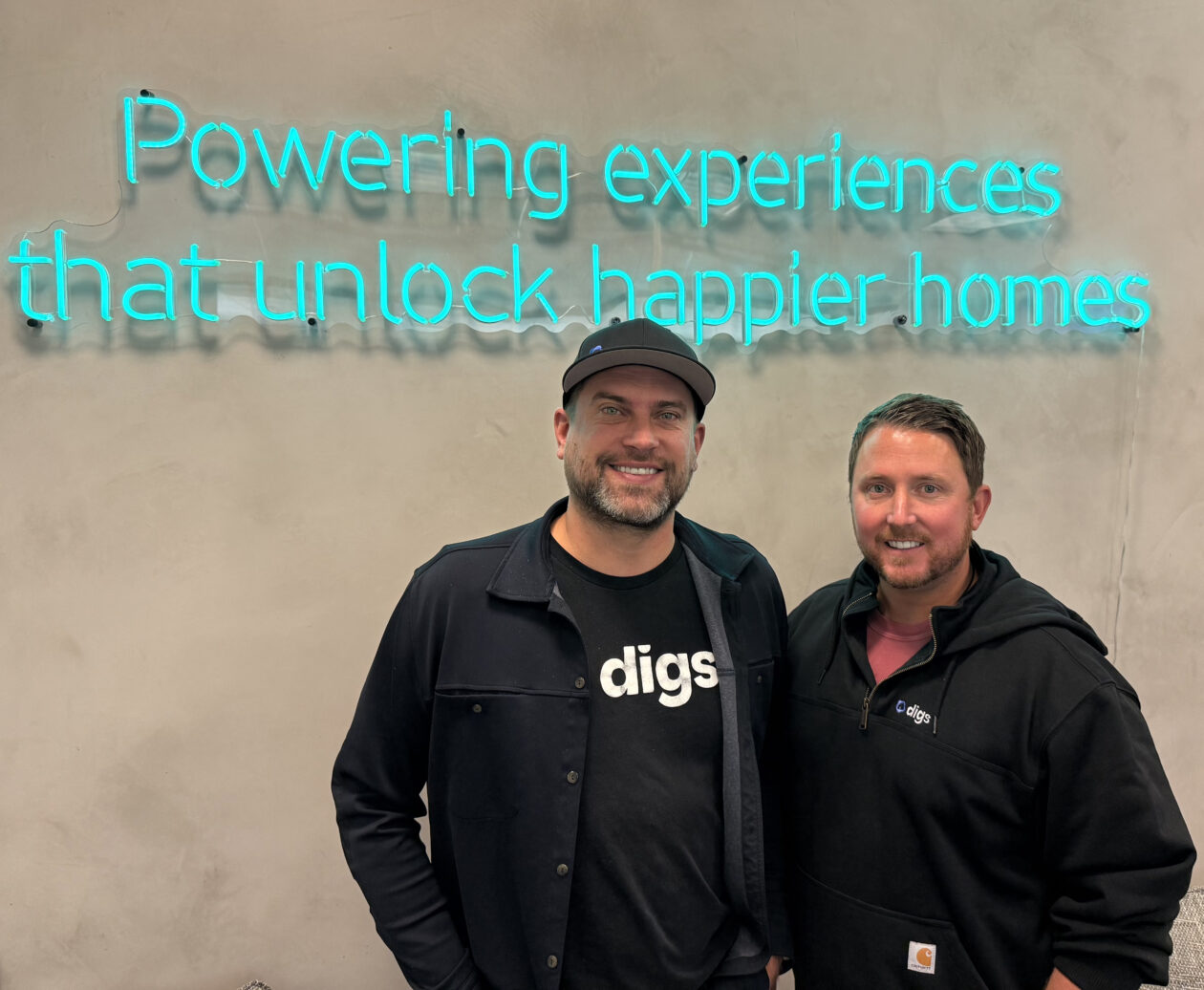
Vancouver-based AI startup Digs has secured $25.3 million in Series A funding, led by building products giant Builders FirstSource, and inked a five-year partnership. This collaboration integrates Digs' AI platform into Builders FirstSource's ecosystem, offering advanced tools to 140,000 builder clients. The technology aims to create "digital twins" of homes, streamlining construction and maintenance.
Universities should prepare founders by emphasizing deep technical skills, fostering a culture where startups are a viable path, and, most importantly, encouraging independent student projects. This "quiet" approach, focusing on building and self-directed work rather than formal "entrepreneurship" programs or business plan competitions, best cultivates the talent needed for impactful tech innovation.
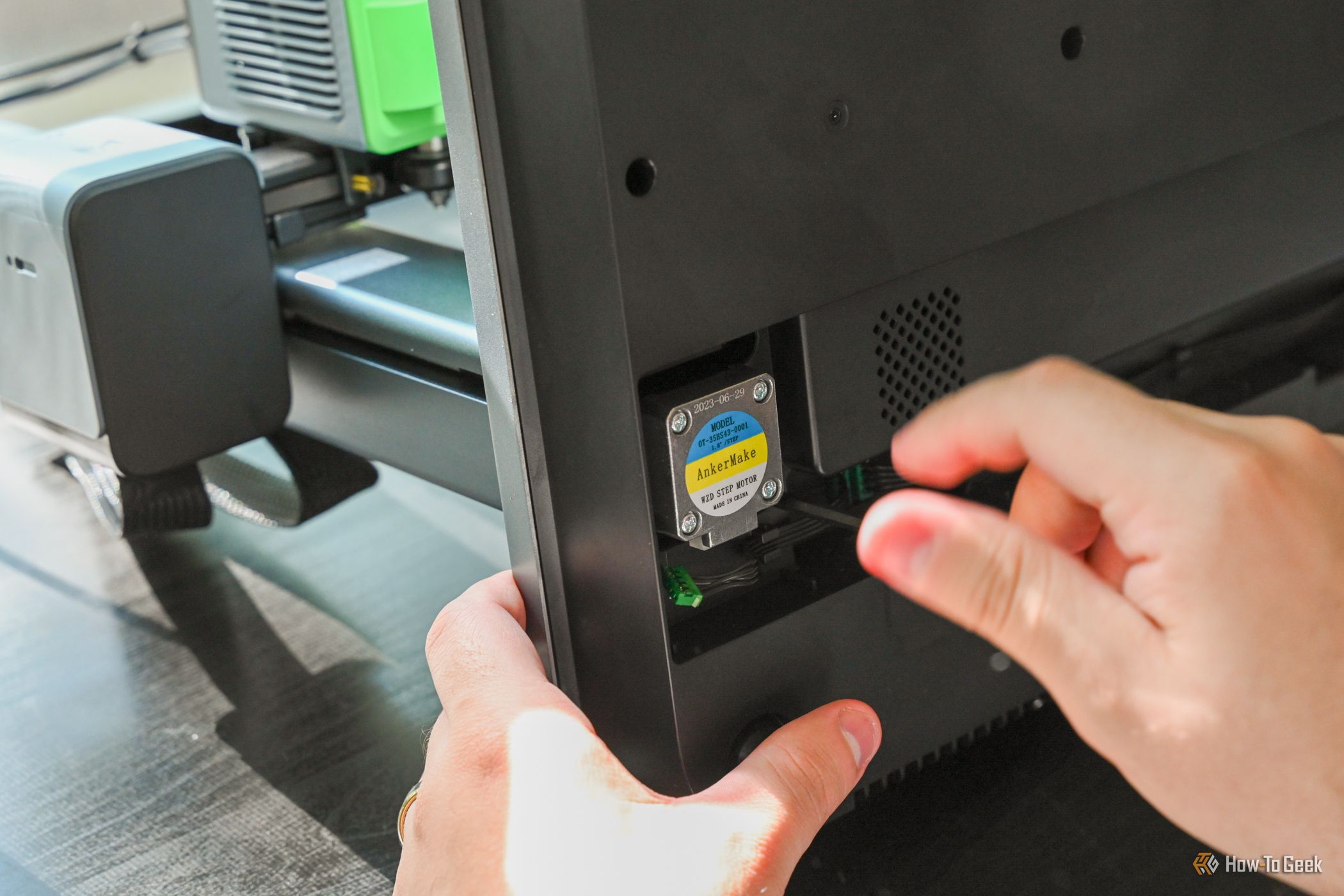
Discover 5 resourceful ways to repurpose your old or broken 3D printer, from converting it into a laser engraver to building a filament dryer, saving valuable components, or creating a working printer from two broken units.

Fortnite players are on high alert for a Five Nights at Freddy's crossover, fueled by a new in-game building resembling Freddy Fazbear's Pizzeria. This speculation is boosted by Fortnite's current 'Override' season, which focuses on video game franchises, and a cryptic tweet from the official FNAF account. While not official, the evidence points to a potential spooky collaboration.

As developers, we're rapidly integrating Large Language Models (LLMs) into AI agents, building powerful applications that can plan, execute tools, and generate complex responses. While a single-user prototype might run

Dive into low-level graphics with C by building a software renderer from scratch, moving beyond terminal applications to gain a deep understanding of CPU architecture, memory management, and game engine foundations. This hands-on approach, utilizing the cross-platform SDL3 library, teaches direct pixel manipulation, custom frame buffer management, event handling, and frame rate control. The course culminates in rendering effects like the iconic Doom fire using only CPU instructions, offering invaluable practical experience for any developer.

Jennifer Bailey, the long-standing head of Apple Pay and Wallet, is retiring in October after 25 years with Apple. Her departure highlights a broader executive transition at the company, coinciding with Tim Cook handing the CEO role to John Ternus on September 1. Bailey's leadership was crucial in building Apple Pay into a multi-billion dollar service and a key part of the Apple ecosystem.

Cloudflare has launched Kitesurf, a new cloud-hosted browser specifically engineered for AI agents to navigate and interact with the web. Optimized for efficiency and lower computing costs, Kitesurf eschews human-centric visual elements in favor of performance, scalability, and context management, offering a specialized solution for developers building task-oriented AI.
Truemetrics, a YC-backed startup, is revolutionizing last-mile delivery by using smartphone sensor data to map precise parking and building entrance locations. They are profitable and scaling rapidly, now seeking a Founding GTM Lead in Berlin to discover new product opportunities and expand their enterprise solutions. This role offers direct impact on product strategy within a technically driven, fast-paced environment.

For startups building an MVP, embracing complex infrastructure like Kubernetes too early can be a major hindrance. This article, inspired by insights from Render's CEO Anurag Goel, argues for prioritizing product development over operational overhead. Learn why simpler, managed platforms are often the best choice for accelerating time-to-market and validating your core business idea.
This open-source, agentic-first CRM fundamentally redefines customer relationship management by making an autonomous research agent the core product. Unlike traditional systems that rely on human data entry or simply bolt on AI chatbots, this CRM's agent independently discovers, verifies, and records customer information, acting as an intelligent partner. It prioritizes factual evidence over AI guesses, ensuring data accuracy and freeing up human talent for strategic tasks.

Silicon Valley's startup scene is experiencing a dramatic shift for young founders. While AI has democratized building, enabling early success and significant funding, it also brings immense pressure for rapid growth and constant public performance. This creates a high-stakes environment where founders face intense scrutiny and ethical dilemmas alongside unprecedented opportunities.

The software development landscape is evolving beyond single-prompt LLMs to autonomous AI agents capable of complex, multi-step workflows. LangChain, with its extension LangGraph, provides the essential tools to build these sophisticated systems, enabling stateful, cyclical agent behaviors. Developers can implement advanced features like Human-in-the-Loop, RAG, and streaming responses, and deploy these agents using industry best practices.

Seattle's Interlune is expanding its partnership with industrial equipment manufacturer Vermeer to develop crucial construction tools for lunar infrastructure. This pivot supports NASA's $30 billion initiative to build a moon base, focusing on tasks like road building, excavation, and site preparation. While broadening its scope, Interlune continues its helium-3 mining efforts with planned missions.

Are you passionate about gaming, community building, and leadership? KRAFTON India's BGMI Campus MVP Program is a groundbreaking initiative designed to empower student leaders and cultivate vibrant gaming communities

Kai-Fu Lee's 01.ai is targeting a Hong Kong IPO in 2027. It pivoted from building AI models to enterprise data infrastructure, with its 'Boss AI' fine-tuning open-weight models for business data. Half its business is now international.

Applied Computing, a London-based startup, has secured $20 million in Series A funding to advance its foundation AI model, Orbital, for the oil, gas, and petrochemical industry. Orbital aims to integrate disparate data sources—sensor readings, engineering data, and physics models—to provide real-time operational insights, drastically reducing investigation times and enhancing efficiency. The company plans to use the capital for international expansion, hiring, and new client deployments, building on its rapid growth and strategic partnerships with industry giants like KBR.

Building Multi-Agent AI Systems: Plain Python vs. LangGraph As developers, we often tackle complex tasks by breaking them down into smaller, manageable pieces. This principle applies equally to AI systems, especially
Cloudflare has launched Precursor, a new defense system, in response to bots now generating over 57% of all web traffic. Precursor monitors entire user sessions to distinguish humans from sophisticated bots, moving beyond traditional single-check methods. This initiative is part of a broader strategy to classify and manage AI agents, control content reuse, and rebuild the web's foundational infrastructure for a machine-dominated internet.

The exponential growth of AI is fueling an unprecedented surge in natural gas power plant construction, threatening global clean energy targets and driving up electricity costs. In response, clean energy advocates are battling on multiple fronts, including state-level legislative mandates and a strategic pivot to influencing utility regulators to allow tech giants to build their own renewable energy infrastructure directly into the grid. This fight for grid access is seen as the decisive factor for future energy policy.

This article guides developers through building a browser-based PDF OCR to Text converter using JavaScript. It explains the problem of unsearchable scanned PDFs, details how client-side OCR works with PDF.js and Tesseract.js, and covers implementation steps for document upload, page preview, configurable OCR settings, text extraction, and progress tracking. The solution emphasizes privacy and performance by processing documents locally in the browser.
