
Space hardware startup plans $125M stock offering and Nasdaq listing
Space hardware startup Gravitics is pursuing a $125 million stock offering and Nasdaq listing through a reverse takeover of shell company Non-Invasive Monitoring Systems. This unorthodox move aims to accelerate its public market entry and fund the development of orbital carriers and space station modules, building on significant contracts with Axiom Space, NASA, and the U.S. Space Force.
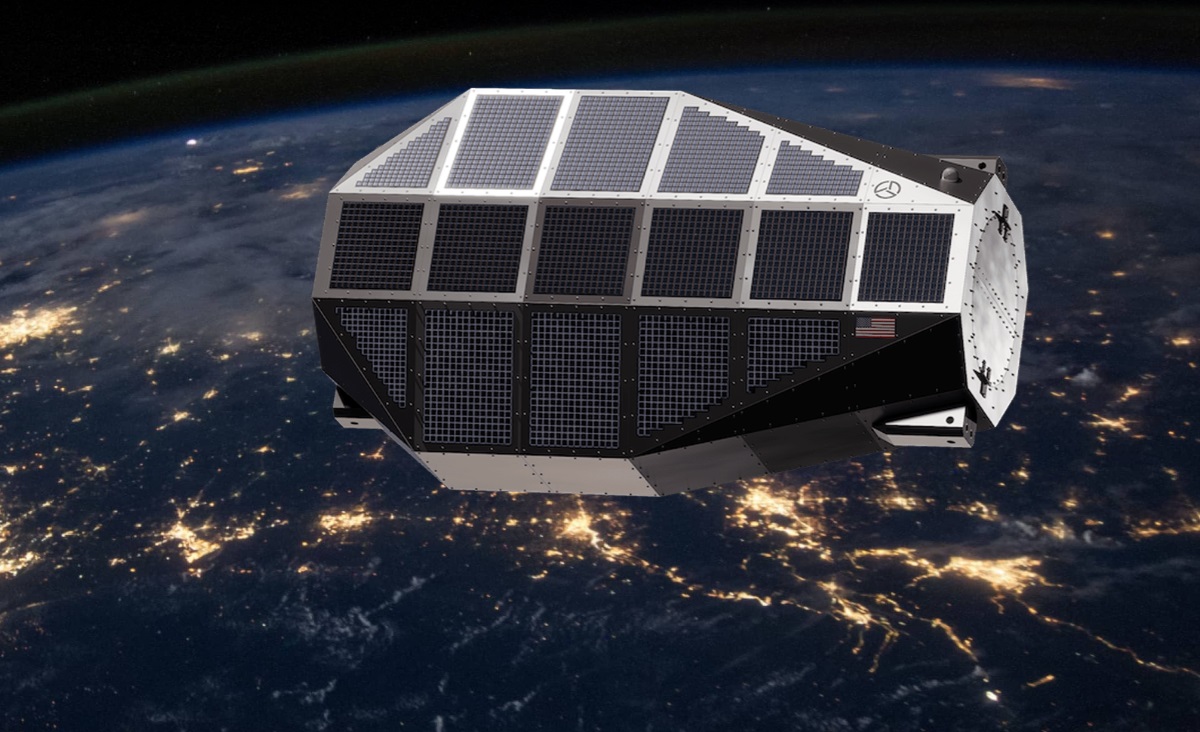
Marysville, Washington-based space hardware startup Gravitics is preparing for a significant financial maneuver, aiming for a $125 million public stock offering and a Nasdaq listing. This ambitious move will be achieved through a reverse takeover of Non-Invasive Monitoring Systems, a Florida-based shell company, an unorthodox strategy designed to accelerate its entry into public markets. The confidential arrangements, which have been underway for several months, include a recently disclosed $17 million funding round finalized earlier this year, signaling the company's advanced preparations for the public transition.
The Reverse Takeover Strategy
A reverse takeover provides a streamlined path for private entities to become publicly traded by acquiring a less active, already-listed public shell company. This mechanism, similar in effect to a Special Purpose Acquisition Company (SPAC) merger, allows the private company to bypass a traditional IPO process, which can often be lengthy and complex. Non-Invasive Monitoring Systems exemplifies such a shell, having ceased its core manufacturing operations in 2019 while retaining its Over-The-Counter (OTC) listing. The ultimate goal for Gravitics is to "uplist" the merged entity from the OTC market to the more prominent Nasdaq Stock Market.
This strategy has a history of use by notable corporations seeking a rapid public presence, including the financial conglomerate Berkshire Hathaway, the global fast-food chain Burger King, and the telecommunications giant T-Mobile US, based in Bellevue, Washington. Gravitics' plan involves an offering of 8.1 million shares, anticipated to be priced between $14 and $17 per share, collectively aiming to raise an average of $125 million. Due to the ongoing registration of this offering with the U.S. Securities and Exchange Commission (SEC), all parties involved are currently observing a quiet period, restricting them from publicly commenting on the transaction.
Gravitics' Vision and Progress
Founded in 2021 by CEO Colin Doughan, chief architect Gary Hudson, and chief marketing officer Michael DeRosa, Gravitics specializes in the design and manufacture of orbital carriers and advanced space station modules. In its relatively short history, the company has successfully secured several high-profile contracts, demonstrating its growing influence in the burgeoning space sector.
Although Gravitics has not yet launched its own spacecraft into orbit, its development pipeline is robust. In 2024, the company secured a substantial $125 million contract from Axiom Space to supply a pressurized module for Axiom's future space station. More recently, NASA indicated its intent to grant Gravitics an award of up to $225,000, supporting the development of an essential hangar facility designed for orbital cargo vehicles. The U.S. Space Force is also contributing funding across multiple projects with Gravitics, underscoring the company's role in national space initiatives. Last month, Gravitics announced its selection by Lockheed Martin for a "contract of national importance," widely reported to involve the creation of orbital carriers for the Pentagon’s Golden Dome missile defense program, further cementing its position in critical defense infrastructure for space.
Financial Details and Market Impact
The planned stock offering, with shares set between $14 and $17, is projected to bring in approximately $125 million for Gravitics. This capital injection is crucial for accelerating the development and deployment of its ambitious projects, including the Diamondback orbital carrier, which is slated for its debut as early as 2027. The successful execution of this reverse takeover and subsequent public listing could provide Gravitics with increased visibility and access to a broader investor base, potentially fueling its expansion in a competitive and rapidly evolving space economy. The unorthodox approach highlights a growing trend among startups seeking efficient routes to public funding outside of traditional IPOs, especially in capital-intensive sectors like space hardware development.
Looking Ahead
Gravitics' strategic move to go public via a reverse takeover represents a bold step for the Marysville-based firm. By leveraging this expedited pathway, the company aims to secure significant capital to push forward with its innovative space hardware, including advanced orbital carriers and space station components. This listing could not only solidify Gravitics' financial foundation but also enhance its capacity to fulfill high-value contracts with government and commercial space entities. The aerospace industry will be watching closely as Gravitics navigates its public market debut, with its Diamondback module's anticipated launch in 2027 poised to be a key milestone in its journey to reshape orbital infrastructure.
This reverse takeover and planned Nasdaq listing mark a pivotal moment for Gravitics, positioning it to become a significant player in the commercial and defense space hardware markets. The infusion of $125 million in public capital, coupled with existing high-profile contracts, sets a strong trajectory for the company's future endeavors in Earth's orbit and beyond.
FAQ
Q: What is a reverse takeover in the context of Gravitics' plans?
A: A reverse takeover is a strategy for a private company to go public by acquiring a less active, already-listed public shell company. This allows the private company, Gravitics in this case, to bypass a traditional initial public offering (IPO) and gain a public listing more quickly, eventually moving from an OTC listing to a major exchange like Nasdaq.
Q: What kind of space hardware does Gravitics develop?
A: Gravitics specializes in designing and manufacturing orbital carriers and space station modules. These components are intended for various government and commercial customers, playing a crucial role in future orbital infrastructure and space operations.
Q: What notable contracts has Gravitics secured to date?
A: Gravitics has secured a $125 million contract from Axiom Space for a pressurized space station module, received a NASA award for a hangar facility for orbital cargo vehicles, and is funded by the U.S. Space Force for multiple projects. The company was also recently selected by Lockheed Martin to develop orbital carriers for the Golden Dome missile defense initiative.
Related articles

Vals, backed by Andreessen Horowitz, is looking to become the gold
Vals, a San Francisco startup, has secured $40 million in Series A funding led by Andreessen Horowitz to revolutionize AI benchmarking. The company aims to replace outdated, manipulable evaluation systems with rigorous, confidential, and task-specific assessments for AI models. Vals' approach focuses on real-world impact across industries, seeking to become the trusted standard for AI accountability and public trust.

Meta CTO Blames 'Bad Actors' for Glasses Privacy Woes Amidst
Meta's CTO, Andrew Bosworth, dismisses privacy concerns over smart glasses as a "bad actors" problem, just as the company prepares to launch a camera-free version, "Luna." This strategic product shift, coupled with mounting regulatory scrutiny in Europe and easily defeated privacy safeguards on existing models, casts doubt on Bosworth's defense.

ai: World model companies are keeping a lot of secrets: TechCrunch AI
Despite accumulating significant funding and industry buzz, leading world model companies such as Yann LeCun’s AMI Labs and Fei-Fei Li’s World Labs are maintaining an intense veil of secrecy around their actual product
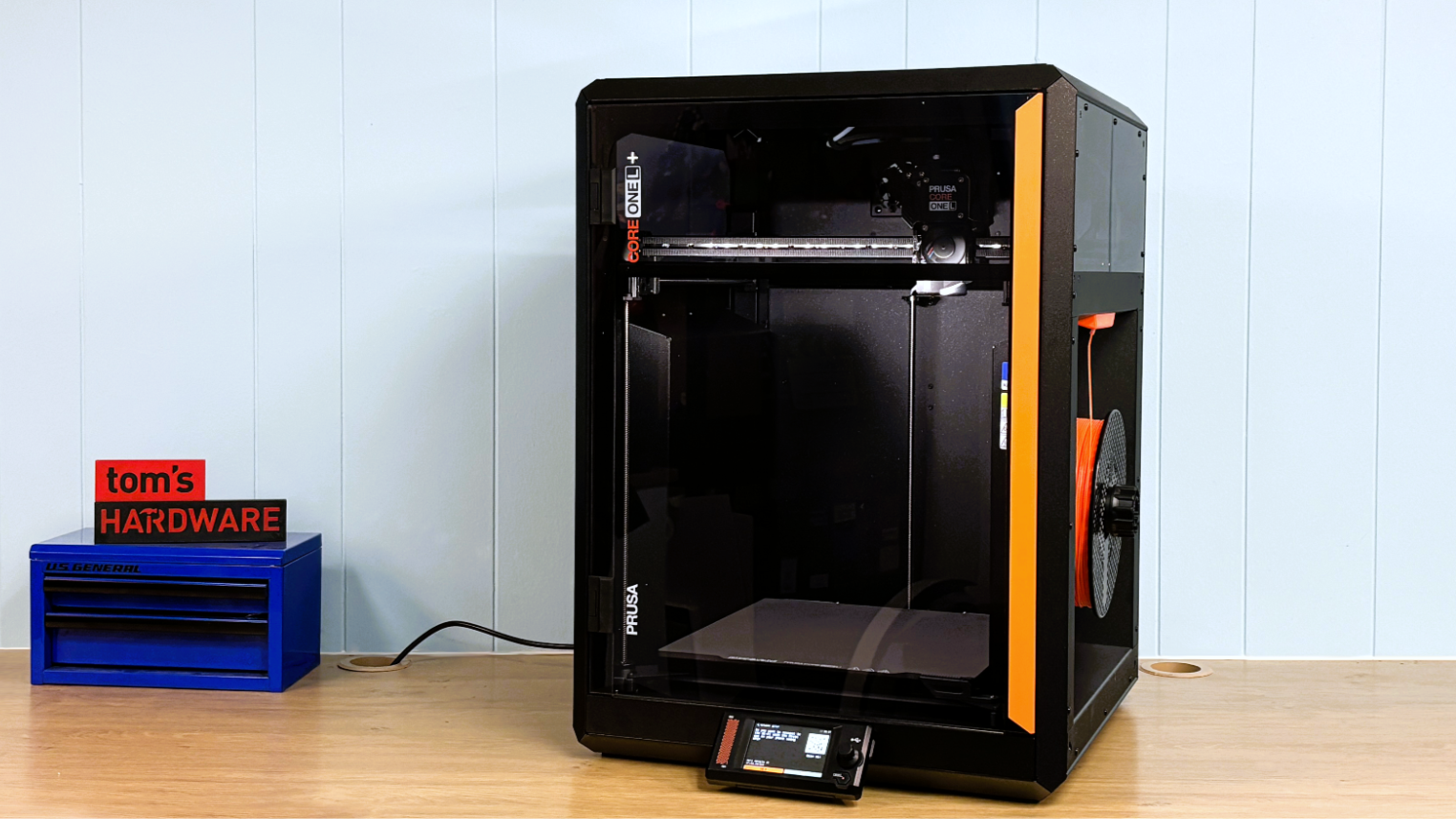
Prusa CORE One L+ Review: More Precise, Minor but Meaningful Upgrade
Tom's Hardware Verdict The Prusa CORE One L+ introduces small but impactful refinements to an already stellar 3D printer. The addition of a new nozzle wiper and enhanced GT1.5 belts boosts print quality and operational

Meta’s Copyright System Weaponized Against Albanian Protesters
Meta's Instagram platform is under fire as Albanian anti-government protesters face mass account suspensions due to what appears to be a coordinated campaign of false copyright complaints. European lawmakers are calling for an investigation, with evidence suggesting individuals were paid to file the reports. The European Commission is already scrutinizing Meta's content moderation practices under the Digital Services Act.

Waymo Sets Sights on Singapore for Next Robotaxi Expansion by 2028
Waymo, an Alphabet-owned company, has announced its plans to launch a commercial robotaxi service in Singapore by 2028. This move follows an aggressive international expansion strategy, with vehicles arriving soon for mapping and testing in 2027. The deployment is contingent on regulatory approval from Singapore's Land Transport Authority, leveraging the city-state's progressive autonomous vehicle ecosystem.