
Enhancing Cognitive Resilience: Language Learning for Developers
As software developers, we're constantly pushing the boundaries of what our systems can do, optimizing performance, and building resilient architectures. But how often do we apply the same rigorous approach to our own
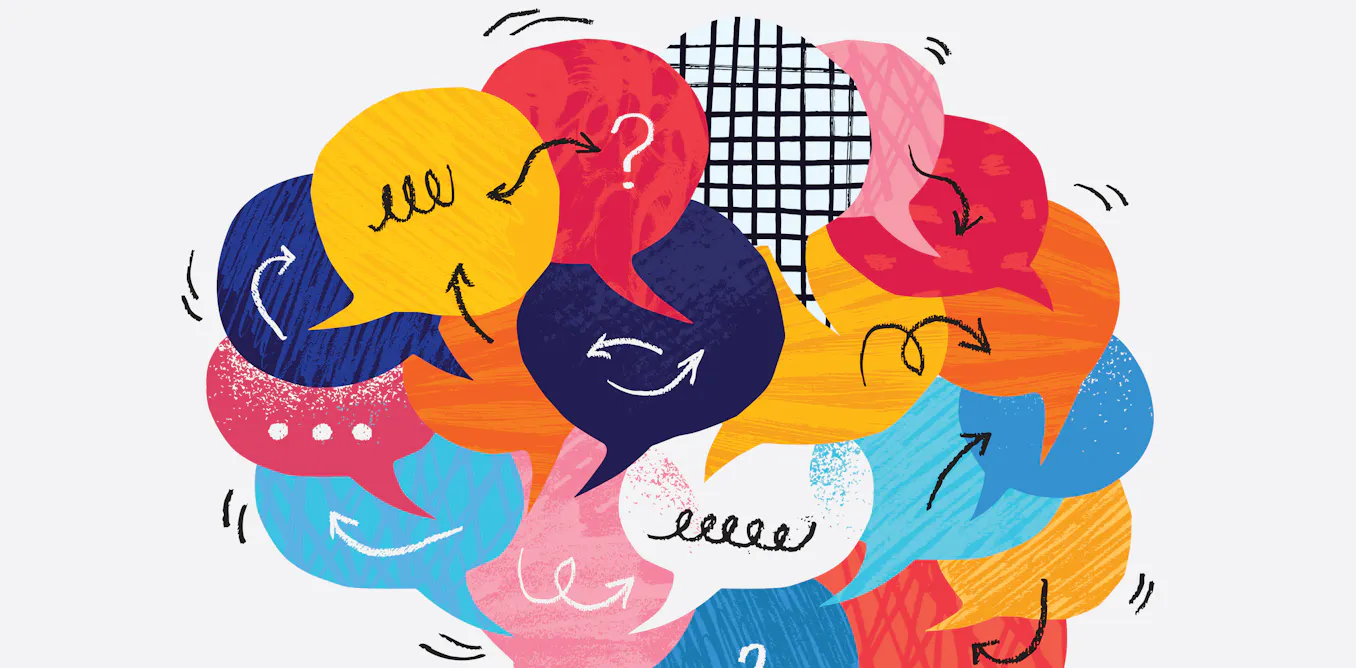
As software developers, we're constantly pushing the boundaries of what our systems can do, optimizing performance, and building resilient architectures. But how often do we apply the same rigorous approach to our own internal 'hardware' – our brains? Many of us look for ways to keep our minds sharp, from complex algorithms to puzzle games, especially as we consider long-term cognitive health. Recent research suggests that learning another language might be one of the most effective, yet often overlooked, strategies to maintain mental agility and build significant cognitive resilience throughout our careers and into retirement.
The Brain as a Real-time Processing Engine
Think about the demands of language learning: it's a high-concurrency, real-time mental activity. You're constantly managing multiple threads – recognizing unfamiliar phonemes, parsing grammatical structures, retrieving appropriate vocabulary, and dynamically formulating responses, all while processing incoming data. This isn't just rote memorization; it's a complex, multi-modal exercise that taxes several core cognitive functions simultaneously. From a systems perspective, it's like a sustained load test on your brain's processing units and memory management systems.
This intense mental engagement leverages a fundamental property of the brain known as neuroplasticity – its remarkable ability to reorganize and adapt in response to new experiences. When we learn new sounds, vocabulary, or syntax, our brains form and strengthen neural connections. Studies on bilingual individuals have even revealed observable structural differences, such as greater gray matter density (akin to a higher concentration of processing nodes and their connections) and stronger white matter integrity (more robust and efficient communication pathways) compared to monolingual individuals. These findings indicate that the continuous demands of managing two languages can literally reshape the brain's architecture, making it more efficient and robust.
Building Cognitive Reserve: A Resilient System Architecture
One of the most compelling aspects of language learning for brain health is its contribution to what researchers call 'cognitive reserve.' Imagine cognitive reserve as your brain's inherent fault tolerance or redundancy. It's the ability to maintain optimal performance and function even when age-related changes or damage to the brain's 'components' begin to occur. For developers, this might resonate as designing a system that can gracefully degrade or reroute traffic when a service fails.
Bilingualism has been strongly linked to strengthening this cognitive reserve. The constant task of switching between languages, inhibiting one while activating another, places significant demands on executive functions like attention and cognitive control. This ongoing 'context switching' and resource management appears to build resilience. Intriguingly, some studies suggest that bilingual individuals who develop dementia show symptoms at a later age than those who speak only one language. While language learning isn't a silver bullet to prevent neurodegenerative diseases, it may provide a crucial buffer, enhancing the brain's ability to cope with underlying changes and maintain functionality for longer.
Learning Later in Life: It's Never Too Late to Deploy a New Skill
Perhaps you're thinking, "Is it too late for me? I'm not a kid anymore." The good news is, no. While age certainly changes the learning process, adults remain highly capable of acquiring new languages. We bring different strengths to the table than children – a larger existing vocabulary, more developed learning strategies, and greater metacognitive awareness. Children might have an edge in pronunciation or certain grammatical nuances, but adults can leverage their existing knowledge networks to accelerate comprehension and pattern recognition.
The key benefit seems to derive less from achieving perfect fluency and more from the sustained process of learning itself. Think of it as continuous integration and deployment for your brain: the ongoing cycle of engaging with new material, practicing, identifying errors, and adapting. This continuous challenge keeps neural pathways active and engaged. Whether it's through intensive classroom instruction or consistent daily sessions with a language-learning app, the critical factor is committed, long-term engagement in this demanding activity.
Beyond the direct cognitive benefits, language learning also offers valuable social and cultural dividends. It fosters a deeper understanding of diverse perspectives, enhances interpersonal communication, and opens doors to new social connections – all factors known to contribute to overall well-being and mental health. While it won't prevent aging or diseases like Alzheimer's, it's a profoundly rich form of mental activity that actively supports your brain's ability to adapt, learn, and function effectively throughout your lifespan. Consider it a strategic investment in your most critical personal asset: your brain.
FAQ
Q: What specific cognitive processes are primarily engaged when learning a new language?
A: Language learning significantly engages memory (for vocabulary and rules), auditory processing (distinguishing new sounds), pattern recognition (identifying grammatical structures), executive functions (attention, cognitive control for switching between languages), and real-time retrieval and production of speech. This multi-faceted engagement makes it a highly effective cognitive exercise.
Q: Does the specific language chosen or the method of learning (e.g., app vs. classroom) affect the cognitive benefits?
A: The source content emphasizes that the sustained engagement and challenging nature of the activity are more critical than the specific language or method. While different methods (intensive classroom, daily app sessions) have been used in studies, the core benefit comes from the ongoing process of learning, practicing, and adapting, rather than achieving a particular fluency level or using one specific tool.
Q: How much time commitment is generally needed to see cognitive benefits from language learning?
A: The research cited doesn't specify a 'magic number' of hours or a fixed duration. Studies have varied widely, from weeks to months of engagement, using different intensities. The main takeaway is that sustained, challenging mental effort is what matters. Consistent daily or regular practice, even in short bursts, contributing to ongoing learning, is likely more beneficial than sporadic, intense but short-lived efforts.
Related articles

WA's Top Election Official is Also a Tabletop Trade Pro
Washington Secretary of State Steve Hobbs is actively working to boost the state's $2 billion tabletop gaming industry through international trade missions. At PAX West, he combined this with vital voter outreach, engaging young gamers with custom dice and civic messages. This unique initiative helps local indie developers find global publishers while promoting democratic participation.
Passkeys: A Developer's Perspective on Their Current Limitations
For the past few years, the tech industry, particularly major players like Google and Microsoft, has aggressively promoted passkeys as the ultimate solution for logging in. They often present passkeys as an easier, more
Warcraft 3 Devs Bridge RTS Lore to WoW with New Expansion
Blizzard has unveiled *Forsaken Kingdom*, a brand-new expansion for *Warcraft III Reforged* that marks the first new RTS campaign in two decades. Developers Ian Hazzikostas and Brad Chan discussed how this expansion directly bridges the narrative gap to *World of Warcraft*, offering a fresh story for PC and Mac players.

Incremental Monolith Migration: A Safer Path to Modernization
Migrating a large legacy monolith often feels like an insurmountable task. The common approach, a "big-bang" rewrite, carries immense risk. It frames the migration as a single, all-encompassing event: move the

Endless Legend 2 Dev: Early Access Has Changed, Players Are
Endless Legend 2 is launching 1.0 on Steam this September 17, but its Early Access journey highlights a huge shift in player expectations. Amplitude's CEO notes players are now 'unforgiving' of unfinished games, making true experimentation difficult for developers.
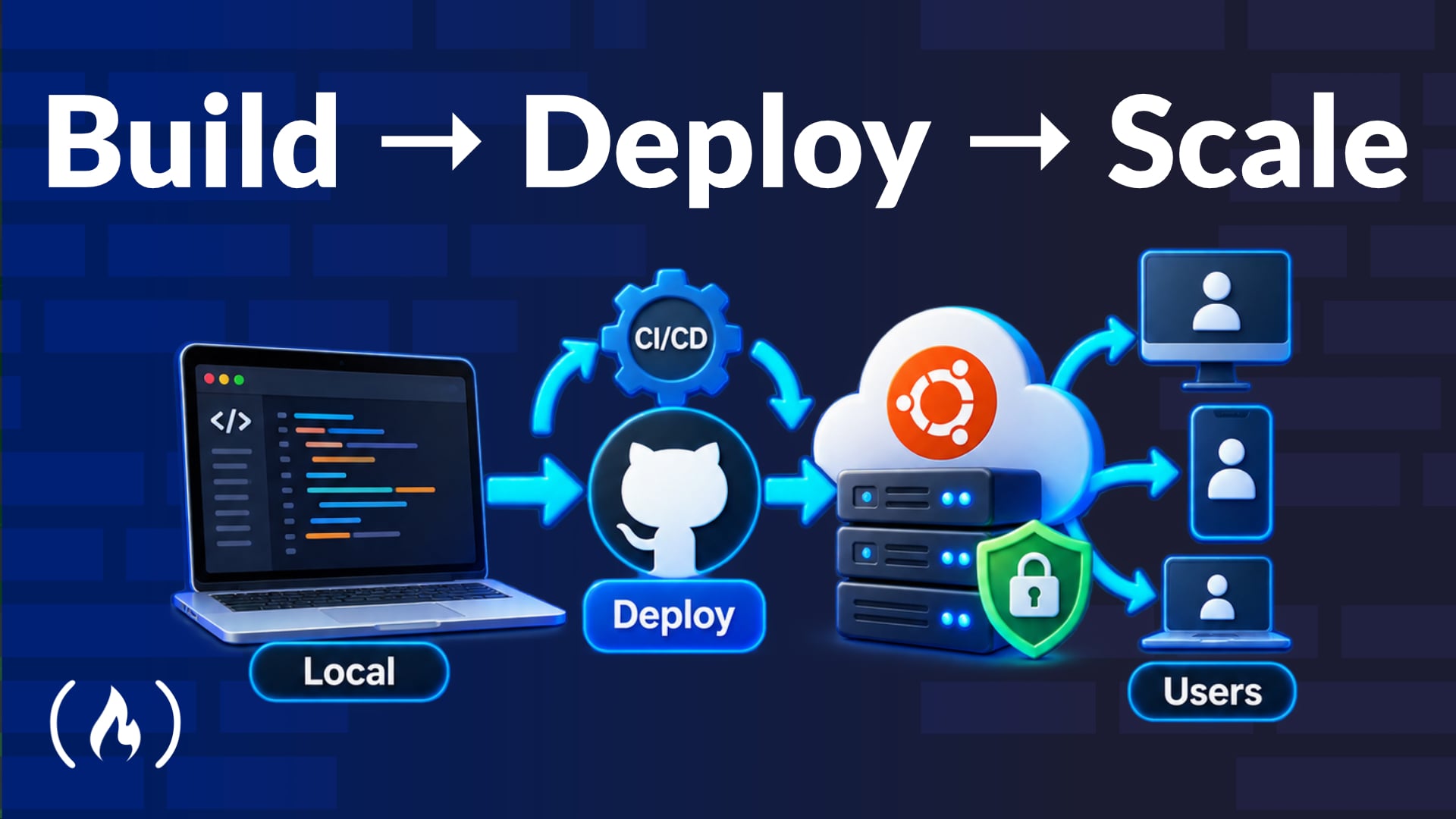
Mastering Full-Stack Deployment: Secure, Automate, Go Live
This article highlights a comprehensive freeCodeCamp.org course on deploying, securing, and automating full-stack web applications. It covers crucial steps from server provisioning and foundational security with UFW and Fail2Ban, to application runtime setup, data management, global access via Nginx and Cloudflare, and robust CI/CD pipelines with GitHub Actions. The course emphasizes a hands-on approach, integrating continuous security testing and observability, culminating in a production-ready application.