
Only at TechCrunch Disrupt 2026: What happens when OpenAI ships your
AI founders face an unprecedented challenge: their core products becoming features of rapidly evolving foundation models from giants like OpenAI. TechCrunch Disrupt 2026 will host a critical session on navigating this shift, featuring Michel Tricot (Airbyte), Linda Tong (Webflow), and Rob Toews (Radical Ventures) to discuss building lasting defensibility.

AI founders are currently navigating an unprecedented competitive landscape where their biggest threat might not be a rival startup, but the very foundational platforms they rely on. With major players like OpenAI, Anthropic, and Google continuously rolling out advanced capabilities, features that once defined an AI startup's roadmap can swiftly become integrated components of a larger platform. This profound shift is compelling a reevaluation of product strategy, fundraising approaches, and company valuations across the entire AI ecosystem, a critical discussion set to take center stage at TechCrunch Disrupt 2026, held from October 13-15 at Moscone West in San Francisco.
The traditional startup playbook, focused on out-innovating peers, is being fundamentally rewritten. Today, the question for AI innovators has evolved from a matter of "Can we build it efficiently?" to a more existential "Can we truly own it, or will it be absorbed by the platform?" Every substantial update from a foundation model provider can trigger an industry-wide ripple effect, potentially diminishing the unique value proposition of numerous AI applications. This dynamic underscores why the upcoming "What Happens When OpenAI Ships Your Roadmap" session at Disrupt 2026 is so crucial for any entrepreneur or investor in the AI space. It's an opportunity to dissect the intricacies of this new competitive paradigm and strategize for resilience.
Confronting the 'Product-to-Feature' Dilemma
This pivotal Builders Stage session promises a multifaceted exploration of the challenge, bringing together a founder, an operator, and an investor, each offering distinct yet complementary insights. Michel Tricot, CEO and co-founder of Airbyte, an open-source data integration platform serving thousands of customers, including a significant portion of the Fortune 500, will share his firsthand experience in creating a durable business model that thrives beyond generic model capabilities. Linda Tong, CEO of Webflow, a leading visual development platform, will provide invaluable perspectives from her journey scaling Webflow and her prior leadership roles at tech giants like Google and Cisco, focusing on adapting products to evolving AI expectations without sacrificing competitive advantage. Rounding out the panel, Rob Toews, a prominent partner at Radical Ventures, will articulate the investment thesis for AI companies, explaining what criteria investors use to identify startups capable of sustaining relevance and value three, five, or even ten years down the line, distinguishing them from those destined to become mere features.
Strategies for Enduring AI Defensibility
The central tenet of the discussion will be the identification of enduring defensibility in an increasingly commoditized AI landscape. The speakers will argue that future AI leaders won't just be those with the 'smartest' models, but rather those who excel in areas where large language models currently fall short or cannot easily replicate. These critical differentiators include leveraging proprietary and unique datasets, deeply embedding solutions within complex customer workflows, cultivating robust and trusted customer relationships, demonstrating unparalleled domain-specific expertise, and building a brand known for reliability and trust. The session aims to equip attendees with practical frameworks for building products that maintain their essential value, ensuring customer loyalty even as base model capabilities continuously improve and expand.
Why Disrupt 2026 is the Essential Forum
TechCrunch Disrupt 2026 stands as the premier forum for such high-stakes conversations. Drawing over 10,000 founders, investors, and operators, the event hosts more than 250 sessions meticulously designed to unpack the market forces redefining how startups are built, funded, and scaled in today's dynamic technological climate. The "What Happens When OpenAI Ships Your Roadmap" session exemplifies Disrupt's dedication to tackling the most pressing and complex challenges confronting the startup ecosystem. Attendees will not only gain insights into navigating the platform risk but also discover innovative approaches to establishing enduring value, allowing them to proactively shape their futures rather than merely react to external technological advancements.
The continuous advancement of foundation models from powerhouses like OpenAI and Anthropic is an undeniable reality. For AI founders, the strategic imperative is no longer a question of if these models will evolve, but rather how their own companies will consistently create and capture value amidst such rapid evolution. The risk isn't just building a weak product; it's crafting an exceptional one that eventually gets overshadowed or absorbed by a platform update. TechCrunch Disrupt 2026's Builders Stage offers a rare opportunity to engage with leading minds on how to redefine AI defensibility, ensuring that innovative startups can thrive and remain indispensable even as the underlying AI landscape transforms.
FAQ
Q: What is the main challenge AI startups are facing regarding foundation models?
A: The primary challenge is that major foundation model providers like OpenAI are rapidly integrating advanced capabilities into their platforms, often mirroring features that AI startups are building, thus turning a startup's core product into a platform feature.
Q: What strategies are recommended for AI startups to build defensibility?
A: Defensibility for AI startups increasingly relies on factors that foundation models cannot easily replicate, such as proprietary data, deeply embedded customer workflows, strong customer relationships, specialized domain expertise, and building customer trust.
Q: Who are the key speakers addressing this topic at TechCrunch Disrupt 2026?
A: The Builders Stage session will feature Michel Tricot (CEO & co-founder of Airbyte), Linda Tong (CEO of Webflow), and Rob Toews (Partner at Radical Ventures), offering perspectives from a founder, an operator, and an investor respectively.
Related articles
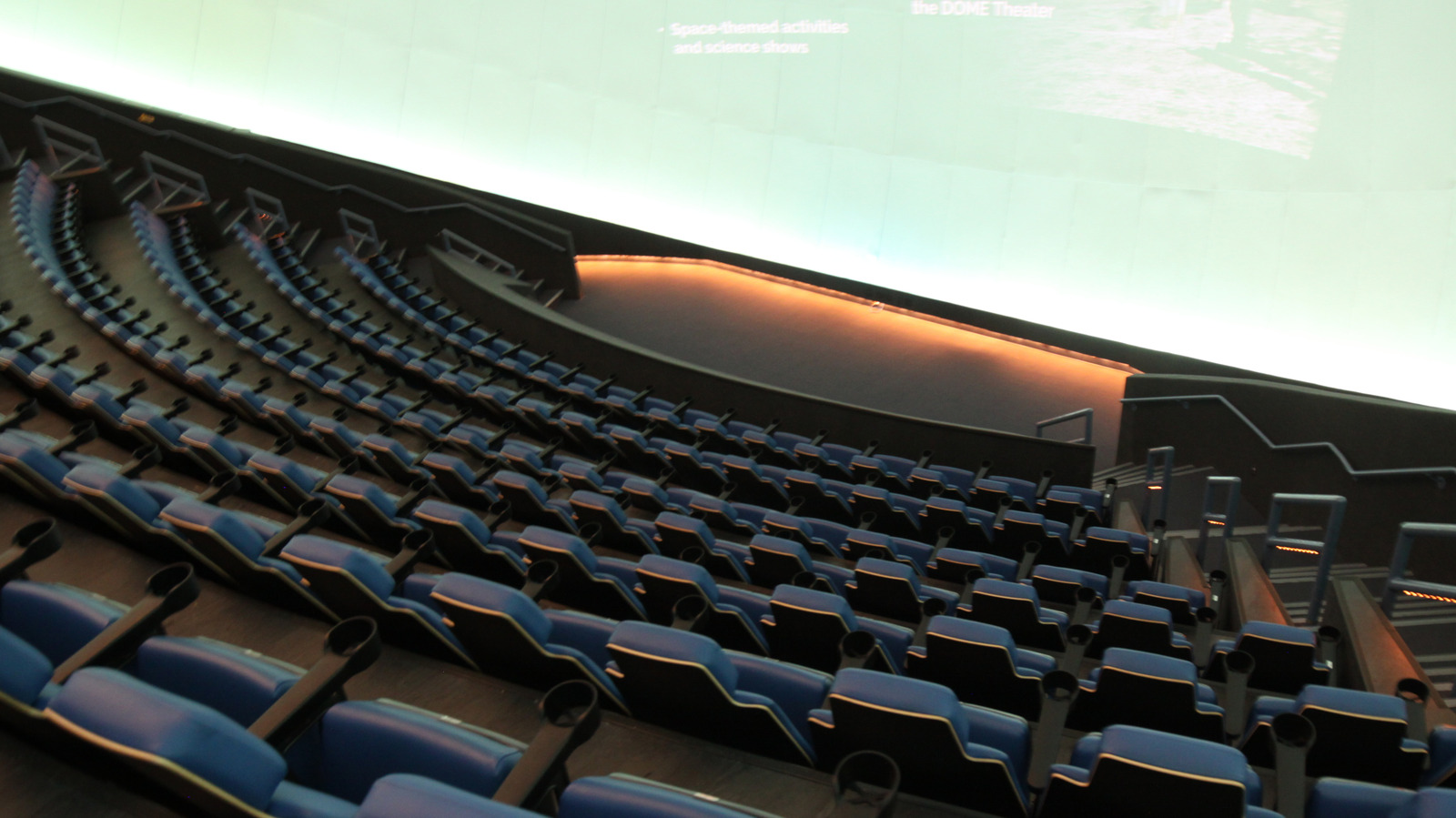
IMAX Theaters: The Quest for the Ultimate Cinematic Experience
Quick Verdict Finding the "biggest" IMAX theater isn't as straightforward as it sounds; it's a debate between sheer physical size and the purity of the cinematic format. While Germany boasts the largest screen by

startups: Nvidia’s new quantum layer cut Fermilab’s design work from
Nvidia has launched CUDA-Q Logical, an open-source orchestration layer for its quantum platform, dramatically reducing design time for complex quantum applications. Fermilab notably cut a five-month task to just three weeks, while other partners report significant efficiencies in fault-tolerant quantum computing simulations. The move strengthens Nvidia's role as a critical software provider in the burgeoning quantum ecosystem, albeit with initial claims awaiting external validation.

Farewell, Quill: Polyarc Games Closes Its Doors After 12 Years
In a somber announcement that has rippled through the gaming community, Polyarc Games, the acclaimed studio behind the enchanting Moss VR series, has confirmed its closure after nearly 12 years of operation. It's a
OEMpocalypse: Unprivileged Android App to Root via OEM Code
The OEMpocalypse strategy offers a novel approach to rooting Android devices from an unprivileged app by targeting OEM-specific code. It bypasses generic Linux and chipset driver complexities, aiming for a stable page Use-After-Free (UAF) primitive in OEM kernel drivers, often after an initial sandbox escape through OEM IPC handlers. This method prioritizes reliability and portability across an OEM's lineup, accepting the trade-off of per-OEM exploitation.

Obama urges Democrats to have a ‘clear plan’ for AI safeguards: AI
Former President Barack Obama urges Democrats to establish a "clear plan" for AI safeguards, making it a "central agenda" to address economic impact and safety concerns. He advocates for a public framework and engages with industry leaders, as political stances on AI regulation diverge.

Crystal Lake Series on Peacock: A Deep Dive into Horror's Past
Crystal Lake Series Review: A Deep Dive into Horror's Past Verdict: Is Crystal Lake Worth the Dive? The long-awaited Friday the 13th prequel, Crystal Lake, is finally arriving on Peacock, promising a fresh, in-depth