12 results found
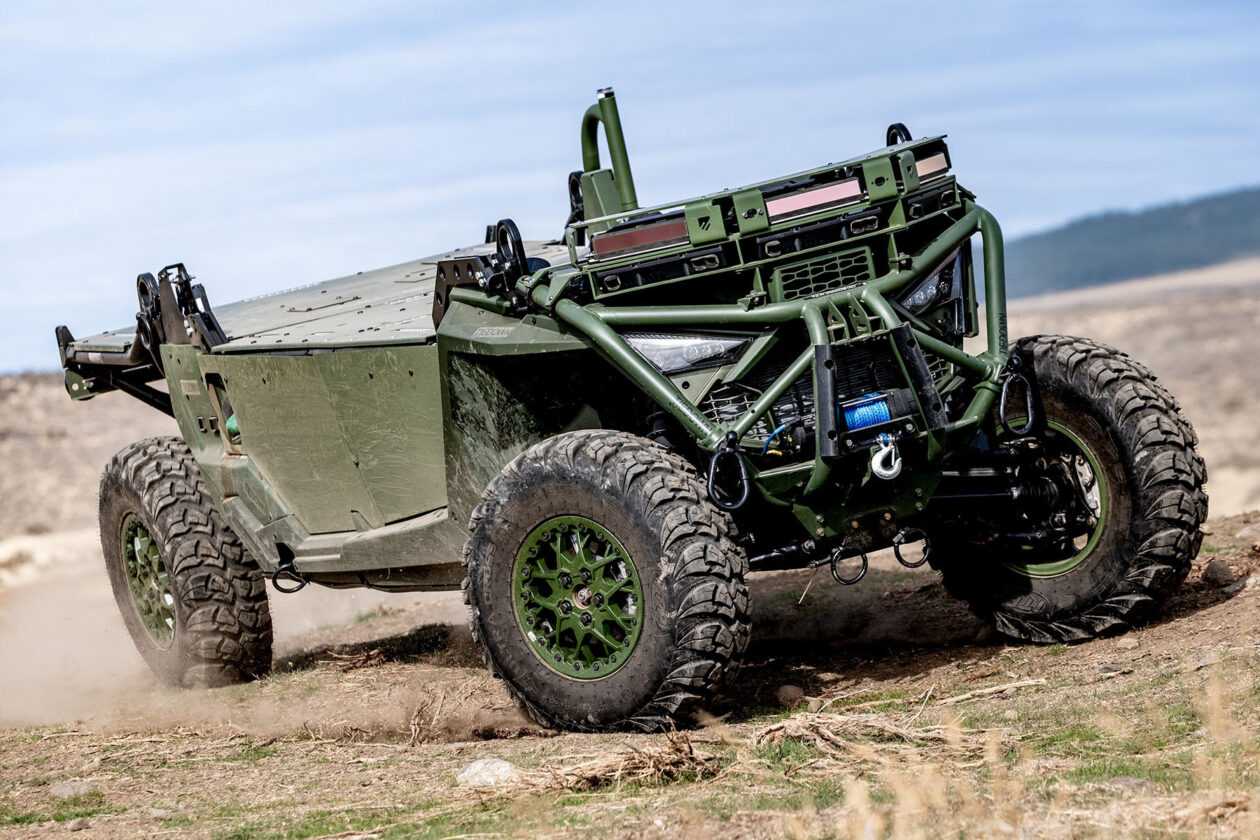
Seattle-based Overland AI has unveiled IBEX, a new fully autonomous ground vehicle chosen by the U.S. Marine Corps for critical missions like counter-drone defense and resupply. Built on a Polaris MRZR chassis, IBEX can carry 2,000 pounds and operates autonomously at speeds over 35 mph using proprietary software.

Waymo, an Alphabet-owned company, has announced its plans to launch a commercial robotaxi service in Singapore by 2028. This move follows an aggressive international expansion strategy, with vehicles arriving soon for mapping and testing in 2027. The deployment is contingent on regulatory approval from Singapore's Land Transport Authority, leveraging the city-state's progressive autonomous vehicle ecosystem.

An exclusive TechCrunch investigation reveals a hidden human cost in the robotaxi industry, with Waymo and Zoox test drivers suffering over two dozen injuries from sudden autonomous vehicle movements in 2024-2025. These incidents, including whiplash, sideline workers for months, challenging the industry's safety narrative. The report highlights occupational hazards for those at the forefront of AV development and raises questions about broader industry reporting as the sector expands.

The rapid expansion of driverless robotaxis is fueling intense regulatory battles across the U.S. Local and federal authorities, unions, and safety advocates are demanding stricter oversight, citing public safety, traffic issues, and job displacement concerns. This signals a critical period of evolving legislation for autonomous transportation.
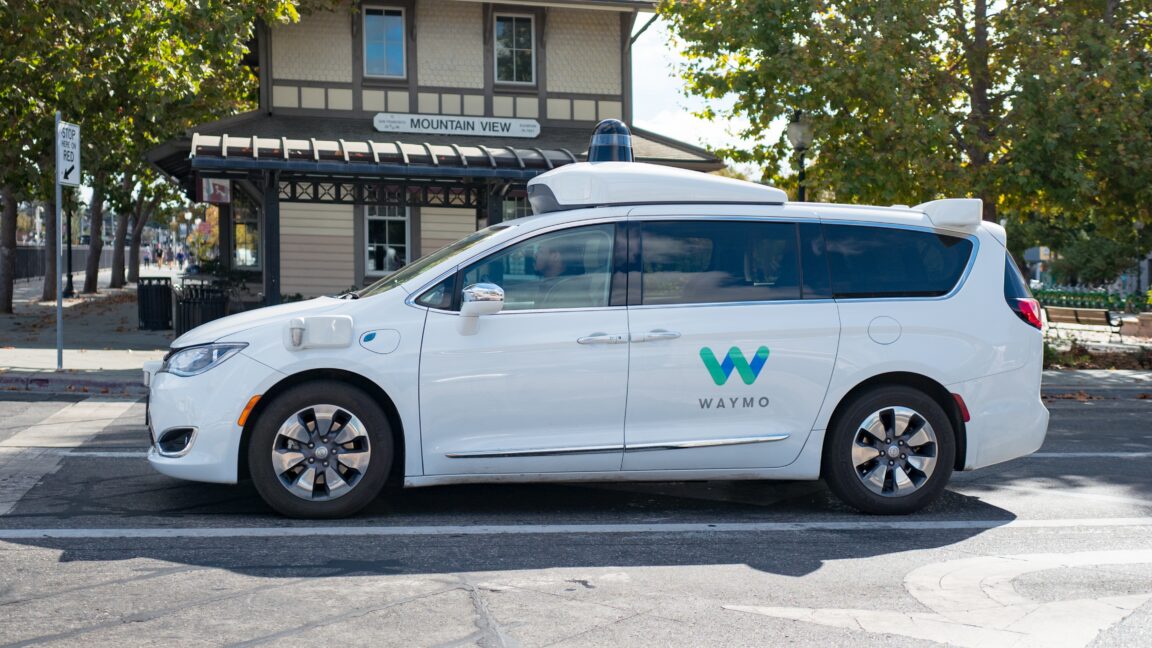
A local judge has ordered Waymo to cease overnight operations at two Santa Monica charging facilities, citing "public nuisance" from noise, light, and traffic. This ruling provides immediate relief to residents affected by constant autonomous vehicle activity, underscoring the vital balance between tech innovation and community well-being.

Uber and Waymo are locked in a contentious battle over proposed robotaxi regulations in Washington D.C., with Uber pushing a "hybrid" model to protect human drivers and Waymo poised to gain a market advantage under the current bill. This regulatory clash highlights broader industry debates over autonomous vehicle deployment and market control. Simultaneously, Uber is expanding its global delivery presence with a $14.8 billion acquisition of Delivery Hero, while other mobility startups secure significant funding.

NHTSA has issued a stark warning to autonomous vehicle developers, demanding immediate solutions to prevent interference with first responders. This federal directive follows recent high-profile incidents involving Waymo robotaxis in San Francisco and escalating tensions between major industry players like Uber and Waymo. The ultimatum marks a critical juncture for the burgeoning robotaxi sector.
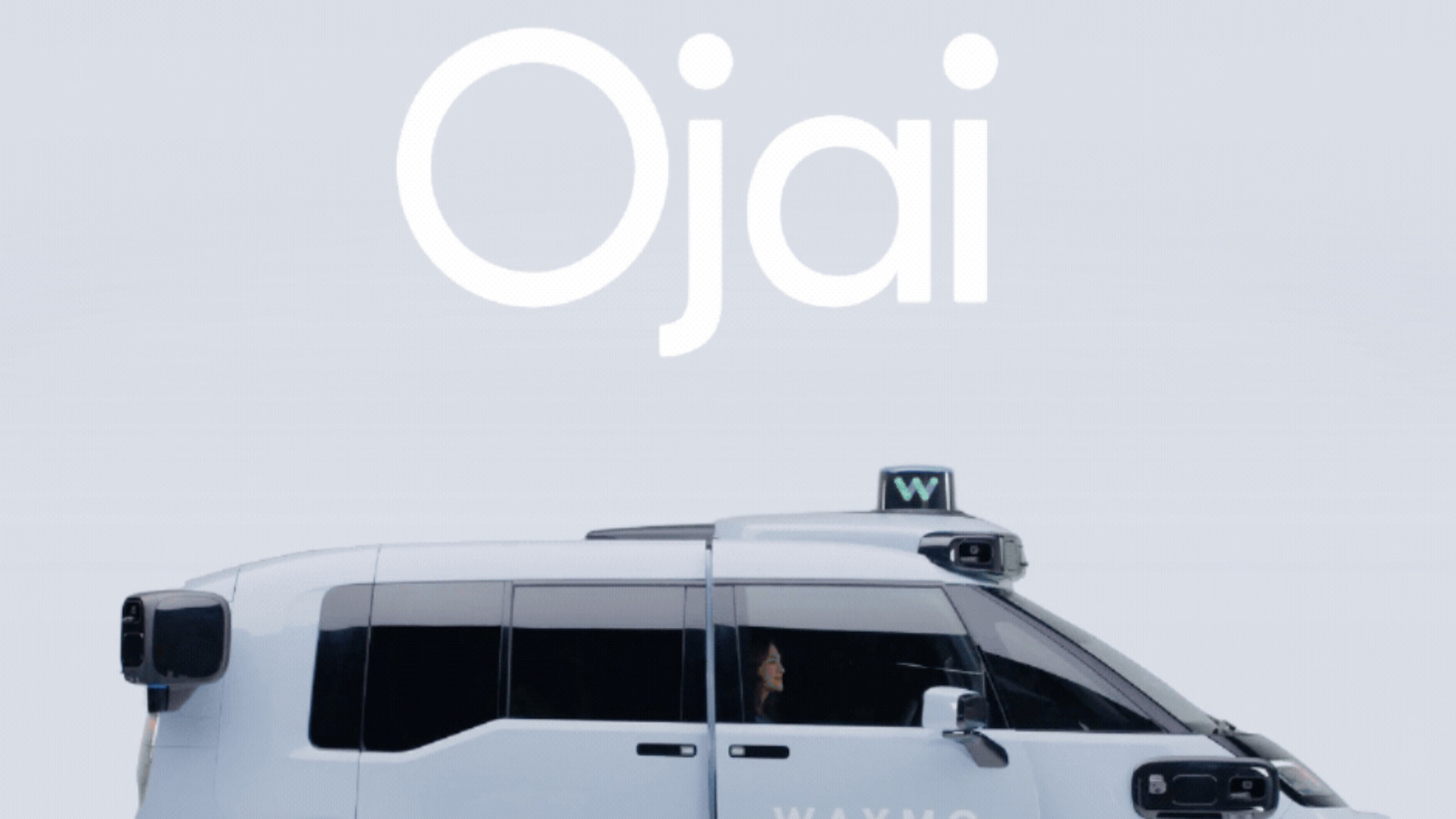
Waymo's Ojai robotaxi marks a significant evolution for the company with its purpose-built design, spacious interior, and advanced 6th-gen software, promising wider availability. However, recent safety incidents raise concerns.

Uber's CTO revealed a long-term plan to equip its millions of drivers' cars with sensors, transforming them into a vast data collection grid for autonomous vehicle (AV) companies. This expansion of their AV Labs program aims to address the critical data bottleneck in AV development. The strategy positions Uber as a key infrastructure provider in the self-driving sector, potentially granting it significant leverage and financial benefit.

Senator Ed Markey's investigation found that leading autonomous vehicle companies, including Waymo and Tesla, are refusing to disclose how often their AVs need remote human assistance. This lack of transparency has led Markey to call for a federal probe by the NHTSA and to propose new legislation aimed at imposing stricter guardrails on AV remote operations.

Nomadic secures $8.4 million in seed funding, valuing the AI startup at $50 million. Its platform transforms vast autonomous vehicle and robot video data into structured, searchable datasets, critical for AI training and identifying crucial edge cases.

Uber is significantly boosting its autonomous vehicle strategy with a $300 million investment in Rivian, securing 10,000 R2 robotaxis for a 2028 rollout in San Francisco and Miami. This unique partnership places development risks on Rivian as it builds both the vehicle and the self-driving system. The move reflects Uber's broader shift to a global, partner-centric approach to AVs after divesting its in-house unit.
