
Robotaxis' Hidden Human Cost: Test Drivers Injured
An exclusive TechCrunch investigation reveals a hidden human cost in the robotaxi industry, with Waymo and Zoox test drivers suffering over two dozen injuries from sudden autonomous vehicle movements in 2024-2025. These incidents, including whiplash, sideline workers for months, challenging the industry's safety narrative. The report highlights occupational hazards for those at the forefront of AV development and raises questions about broader industry reporting as the sector expands.

The burgeoning robotaxi industry, often lauded for its potential to enhance road safety, is now facing scrutiny over the significant human cost incurred by its own workforce. A recent TechCrunch Mobility investigation, drawing on data submitted to the Occupational Safety and Health Administration (OSHA), reveals that test drivers for autonomous vehicle pioneers Waymo and Zoox sustained over two dozen injuries in 2024 and 2025 due to abrupt vehicle movements.
These incidents, including whiplash and sprains, resulted from sudden, hard braking by the autonomous vehicles. In several cases, injured workers were sidelined for months, highlighting a critical occupational safety concern within a sector promising safer transportation for the public. Senior reporter Sean O’Kane’s deep dive into OSHA records and interviews with current and former employees paint a concerning picture of the physical toll on those on the front lines of AV development.
Occupational Hazards in Autonomous Vehicle Testing
While autonomous vehicles are designed to reduce human error on roads, the data suggests that the technology's evolving nature can create hazards for its human operators during the testing phase. The injuries documented for Waymo and Zoox test drivers challenge the prevailing narrative of AVs as purely safety-enhancing, revealing an often-overlooked aspect of their development.
An important consideration is that the reported injuries likely represent only a partial view of the problem. Many other autonomous vehicle developers may have test drivers experiencing similar incidents, but their companies could be exempt from OSHA’s specific reporting requirements, leaving a potential gap in industry-wide safety data. This raises questions about comprehensive oversight as robotaxi services continue to expand.
Notable Developments Across the Mobility Sector
Beyond the safety concerns, the transportation industry saw significant financial activity and technological advancements last week:
Gatik Secures Major Funding: Autonomous vehicle startup Gatik, specializing in self-driving box trucks for middle-mile logistics, announced its largest funding round to date, securing $200 million. The round was led by Qatar Investment Authority and Koch Disruptive Technologies, with participation from Millennium Management, ARK Invest, and Intact Private Capital. This fresh capital follows a substantial multiyear commercial agreement with PepsiCo, valued at $600 million, signaling Gatik’s move from R&D to scaling commercial operations with driverless freight deliveries for major retailers like Walmart.
Airbound Takes Flight: Indian startup Airbound raised $37 million in Series A funding, led by Greenoaks. The company is developing autonomous drones designed to transport cargo, aiming to offer an alternative to traditional trucking.
Arrive Logistics Acquisition: Mubadala Capital, the asset management arm of Mubadala Investment Company, is set to acquire a majority equity interest in Arrive Logistics, an Austin-based truckload brokerage firm.
Regent Craft's Seaglider Expansion: Rhode Island-based Regent Craft secured $120 million in Series B funding, co-led by Mare Liberum and AE Ventures, alongside $120 million in debt capital from Erebor Bank. The company, which recently opened a 255,000-square-foot factory, is focused on developing electric seagliders (wing-in-ground effect vehicles) and appears to be increasingly targeting the defense sector for growth and partnerships.
Vista Global Explores IPO: Private aviation group Vista Global Holding, based in the UAE, is reportedly exploring a European initial public offering (IPO) that could raise over $1 billion.
Additional Mobility Tidbits
A recent YouGov survey indicates that more Americans oppose than support police license plate cameras, reflecting ongoing privacy debates. In electric two-wheelers, Belgian startup Any is betting on enhanced cargo space as a key differentiator. General Motors is facing increased scrutiny from U.S. safety regulators concerning hundreds of incidents, including more than 20 crashes or fires and at least six injuries, linked to brake problems in its EVs. Ford has appointed Dave Carroll as president of its energy business, succeeding Lisa Drake. Rivian CFO Claire McDonough is resigning, marking a significant leadership change as the company prepares for major projects like a robotaxi deal with Uber and scaling R2 SUV production. Uber is enhancing safety for teen accounts by introducing a new live video streaming feature for parents to monitor rides. Meanwhile, Waymo is expanding its global footprint with plans to launch robotaxi services in Munich, Germany, and shared 10 lessons from over 200 million autonomous miles, notably emphasizing multimodal sensors over Tesla's camera-only approach, and promoting vision language models.
Clarification on Waymo's Custom Chip
A previous TechCrunch report detailed Waymo’s custom 5 nm ASIC chip, which processes raw data before it reaches the core self-driving system. It was initially understood that a single chip could deliver over 1,000 TOPS (trillions of operations per second) of machine learning performance. However, Waymo has since clarified that this performance figure refers to the entire system, not an individual chip. This distinction is crucial for accurately assessing the computational power of their autonomous hardware.
Looking Ahead
The ongoing evolution of autonomous technology continues to present both opportunities and challenges. While the industry progresses towards broader commercialization and enhanced safety, the human element, particularly the well-being of those developing and testing these advanced systems, demands close attention and transparent reporting.
FAQ
Q: What is the primary safety concern highlighted in robotaxi development?
A: The primary concern is the occupational safety of test drivers, who have sustained injuries like whiplash and sprains due to sudden, hard braking or other abrupt movements made by autonomous vehicles during testing.
Q: Which companies were specifically named in the report regarding test driver injuries?
A: Waymo and Zoox were specifically named, with OSHA data showing their test drivers collectively sustained over two dozen injuries in 2024 and 2025.
Q: Why might the reported injury numbers not fully represent the issue across the industry?
A: Other autonomous vehicle developers might also have test drivers experiencing similar injuries, but their companies may be exempt from OSHA’s reporting requirements, leading to an underrepresentation of the full scope of occupational hazards in the sector.
Related articles

Apple Unveils iPhone Duo: Pricey Foldable Sees Soaring Demand
Apple has officially entered the foldable smartphone arena with the long-anticipated launch of the iPhone Duo. Priced starting at a hefty $1,999, the device features a 5.4-inch outer display and a larger 7.6-inch inner

in-depth: Chicago-Area Cops Helped HSI Spy on Minnesota Anti-ICE
Chicago-area law enforcement, including local police and HSI agents, conducted undercover surveillance on Minnesota anti-ICE activists at an April 2, 2022, talk in Chicago. This operation was part of a federal conspiracy probe into 15 Minnesota activists facing felony charges related to immigration enforcement resistance. Civil liberties advocates have condemned the surveillance as a troubling intrusion into protected political activity.

Mark Wahlberg on using AI in film ‘the right way’ and being open to
Actor Mark Wahlberg believes AI has a place in filmmaking if used responsibly for enhancement, not script generation or actor replacement. At TechCrunch Disrupt, he expressed openness to an AI likeness carrying on his legacy, managed by his family, and emphasized storytelling.
Tesla Unveils Thruster-Equipped Roadster, 2028 Production Targeted
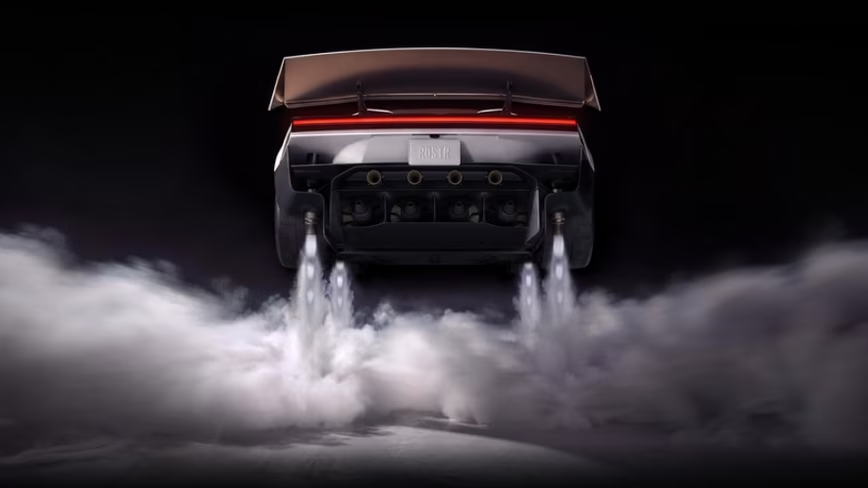
Tesla has unveiled its second-generation Roadster, featuring cold-gas thrusters co-developed with SpaceX, enabling it to jump and flip. The electric sports car demonstrated 0-60mph in an astonishing 0.81 seconds, with production targeted for 2028. This highly anticipated reveal also serves as a key recruitment tool for Tesla's ambitious AI and robotics initiatives.

AI's Confidence vs. Formal Methods' Rigor: Design Flaws & Verification
While AI accelerates code generation, formal methods remain critical for ensuring system correctness. Languages like TLA+ and tools like Quint enable developers to model and verify system designs before coding, catching subtle flaws. Quint makes formal methods more accessible with developer-friendly syntax and executability. This approach is vital for verifying AI-generated code through trace validation and model-based testing, ensuring reliability against real-world data.
Amazon Prime Video Launches AI-Powered Prime 360 for NBA Coverage
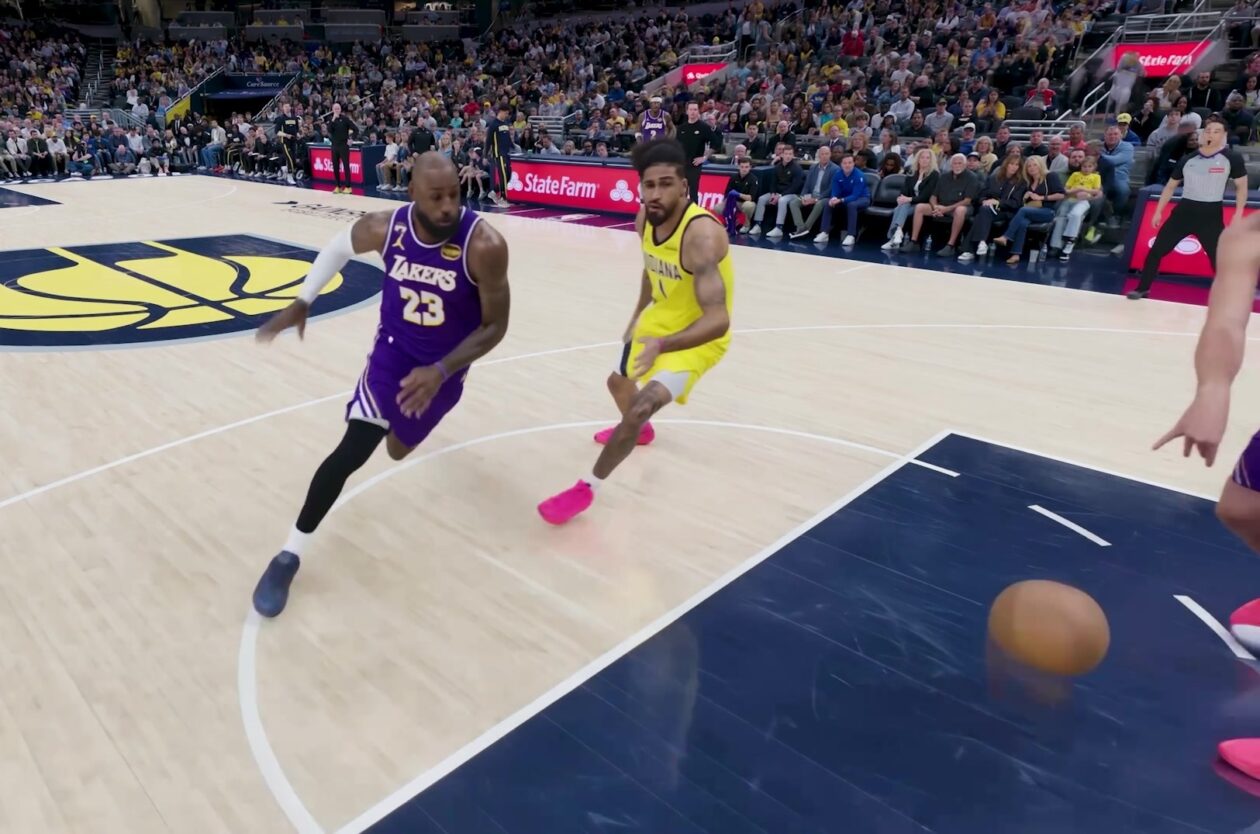
Amazon Prime Video is elevating its NBA coverage with the introduction of Prime 360, an AI-powered replay system offering immersive, 'fly through' views of the action. Kicking off its second season, Prime Video also adds Yahoo fantasy integration and gains exclusive Eastern Conference Finals rights, expanding its tech-driven sports broadcast. The new features aim to deliver a unique and interactive viewing experience for basketball fans.