
TechCrunch Mobility: Uber everywhere, all at once: Rivian — Key
Uber is significantly boosting its autonomous vehicle strategy with a $300 million investment in Rivian, securing 10,000 R2 robotaxis for a 2028 rollout in San Francisco and Miami. This unique partnership places development risks on Rivian as it builds both the vehicle and the self-driving system. The move reflects Uber's broader shift to a global, partner-centric approach to AVs after divesting its in-house unit.

Uber is significantly accelerating its autonomous vehicle (AV) ambitions, marking a pivotal shift in its strategy. The ride-hailing giant has announced an initial $300 million investment in Rivian, paired with an agreement to purchase 10,000 fully autonomous R2 robotaxis. These vehicles are slated for a planned rollout in San Francisco and Miami by 2028, exclusively operating on Uber’s network, with an option to acquire up to 40,000 additional units starting in 2030.
This latest move underscores Uber's renewed push into autonomous transportation, following its decision to divest its in-house AV development unit, Uber ATG, in 2020. While Uber maintained equity stakes in its former moonshot ventures, it has since pivoted to a comprehensive partnership model. The company has spent the past two years forging alliances with numerous autonomous technology firms across delivery, drones, trucking, and robotaxis, adopting a global perspective that includes agreements with Chinese companies for European and Middle Eastern markets, and startups like the U.K.-based Wayve.
The Rivian deal stands out as Uber's first partnership where the vehicle manufacturer also serves as the developer of the self-driving system. While the total value of the agreement could reach $1.25 billion, Uber's initial financial outlay is relatively modest, placing a substantial portion of the development risk on Rivian. The electric vehicle maker faces significant hurdles, as the R2 SUV has yet to enter production, and its designed self-driving system for robotaxis remains untested and undeployed. Furthermore, the specialized robotaxi variant is intended for production at Rivian’s Georgia factory, which is currently under construction.
Rivian has already acknowledged the intense investment required for its autonomy efforts, stating that it no longer expects to meet its profitability goal in 2027. Insights suggest that discussions between Uber and Rivian regarding this substantial robotaxi partnership have been ongoing for an extended period, reflecting a long-term strategic vision from both companies.
Beyond Uber's direct investments, the broader autonomous and electric mobility landscape continues to see significant activity. Nvidia, a key player in AI and computing, is expanding its footprint in the AV sector. During its GTC conference, Nvidia CEO Jensen Huang announced new or expanded deals for its Drive Hyperion AV development platform with major automakers including BYD, Geely, Hyundai, and Nissan. These join existing partnerships with GM, Mercedes-Benz, and Toyota, underscoring Huang's assertion that the “ChatGPT moment of self-driving cars has arrived.”
Other notable developments in the tech and mobility space include Australian startup Advanced Navigation securing $110 million in Series C funding for its navigation and autonomous systems. Electric boat manufacturer Arc Boat Company raised $50 million in its Series C round, and school bus routing tech firm BusRight closed a round exceeding $30 million. On the acquisition front, Amazon purchased Rivr, a Zurich-based autonomous robotics startup specializing in stair-climbing delivery robots, for an undisclosed sum, while Zenobē Energy acquired San Francisco-based fleet charging startup Revolv.
Intoxalock, a U.S. vehicle breathalyzer company, experienced a cyberattack that left drivers stranded, highlighting vulnerabilities in connected car infrastructure. Kodiak, an autonomous freight company, expanded its commercial operations to the Dallas-El Paso corridor, a strategic move in its network growth. Additionally, the National Highway Traffic Safety Administration (NHTSA) escalated its investigation into Tesla's Full Self-Driving (Supervised) software to an “engineering analysis,” the highest level of scrutiny, focusing on its performance in low-visibility conditions.
Amidst these developments, Rivian CEO RJ Scaringe shared his vision on industrial robotics, an area he is exploring with his new startup, Mind Robotics. Scaringe believes the industry often overcomplicates robot design, emphasizing the paramount importance of robotic hands in performing work, with other functionalities merely serving to position those hands effectively. This perspective suggests a future for industrial automation focused on precise, task-specific dexterity rather than broad, complex movements.
FAQ
Q: What is the core of Uber's new partnership with Rivian?
A: Uber is investing $300 million in Rivian and purchasing 10,000 fully autonomous R2 robotaxis, with options for 40,000 more, slated for deployment in San Francisco and Miami by 2028, exclusively on Uber’s network.
Q: What makes this Rivian deal unique for Uber?
A: This is Uber's first deal where its partner, Rivian, is both the vehicle manufacturer and the developer of the self-driving system. It also places significant development risk on Rivian, as the R2 robotaxi and its autonomous system are still under development.
Q: How is Uber approaching autonomous vehicles after selling Uber ATG?
A: After selling its in-house AV unit, Uber has shifted to a partnership-driven strategy, locking up agreements with dozens of autonomous vehicle technology companies globally across various sectors like delivery, drones, trucking, and robotaxis.
Related articles

Apple Unveils iPhone Duo: Pricey Foldable Sees Soaring Demand
Apple has officially entered the foldable smartphone arena with the long-anticipated launch of the iPhone Duo. Priced starting at a hefty $1,999, the device features a 5.4-inch outer display and a larger 7.6-inch inner

in-depth: Chicago-Area Cops Helped HSI Spy on Minnesota Anti-ICE
Chicago-area law enforcement, including local police and HSI agents, conducted undercover surveillance on Minnesota anti-ICE activists at an April 2, 2022, talk in Chicago. This operation was part of a federal conspiracy probe into 15 Minnesota activists facing felony charges related to immigration enforcement resistance. Civil liberties advocates have condemned the surveillance as a troubling intrusion into protected political activity.
TCG Pocket Responds: A Much-Needed Pace Shift for Pokémon Fans
Pokémon TCG Pocket is rolling out a major update for its second anniversary, primarily addressing player concerns about overwhelming content releases by shifting to a six-week set schedule. This aims to curb player decline and improve overall engagement by giving trainers more time to collect and strategize. The update also adds new collection methods, improved deck-building features, and enhanced trading functionality.

Mark Wahlberg on using AI in film ‘the right way’ and being open to
Actor Mark Wahlberg believes AI has a place in filmmaking if used responsibly for enhancement, not script generation or actor replacement. At TechCrunch Disrupt, he expressed openness to an AI likeness carrying on his legacy, managed by his family, and emphasized storytelling.
Tesla Unveils Thruster-Equipped Roadster, 2028 Production Targeted
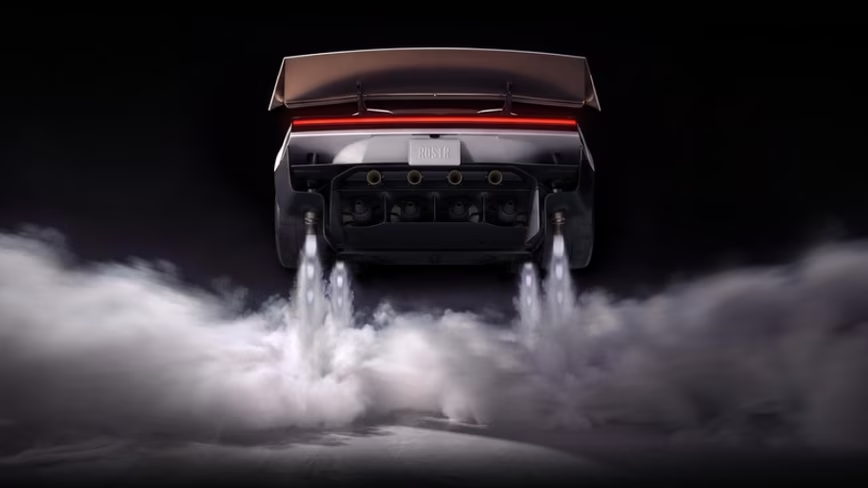
Tesla has unveiled its second-generation Roadster, featuring cold-gas thrusters co-developed with SpaceX, enabling it to jump and flip. The electric sports car demonstrated 0-60mph in an astonishing 0.81 seconds, with production targeted for 2028. This highly anticipated reveal also serves as a key recruitment tool for Tesla's ambitious AI and robotics initiatives.
Amazon Prime Video Launches AI-Powered Prime 360 for NBA Coverage
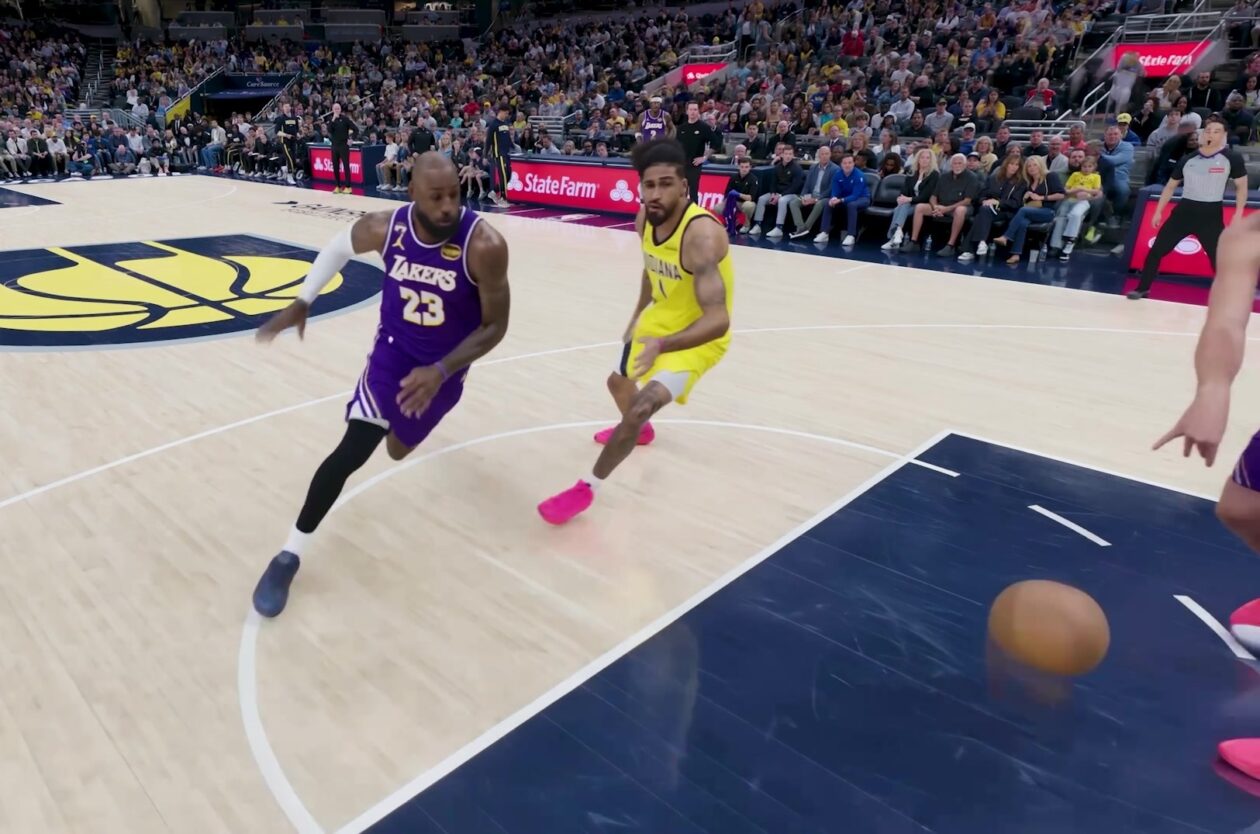
Amazon Prime Video is elevating its NBA coverage with the introduction of Prime 360, an AI-powered replay system offering immersive, 'fly through' views of the action. Kicking off its second season, Prime Video also adds Yahoo fantasy integration and gains exclusive Eastern Conference Finals rights, expanding its tech-driven sports broadcast. The new features aim to deliver a unique and interactive viewing experience for basketball fans.