
Waymo's Santa Monica Overnight Charging: A Judicial Halt to Noise
A local judge has ordered Waymo to cease overnight operations at two Santa Monica charging facilities, citing "public nuisance" from noise, light, and traffic. This ruling provides immediate relief to residents affected by constant autonomous vehicle activity, underscoring the vital balance between tech innovation and community well-being.
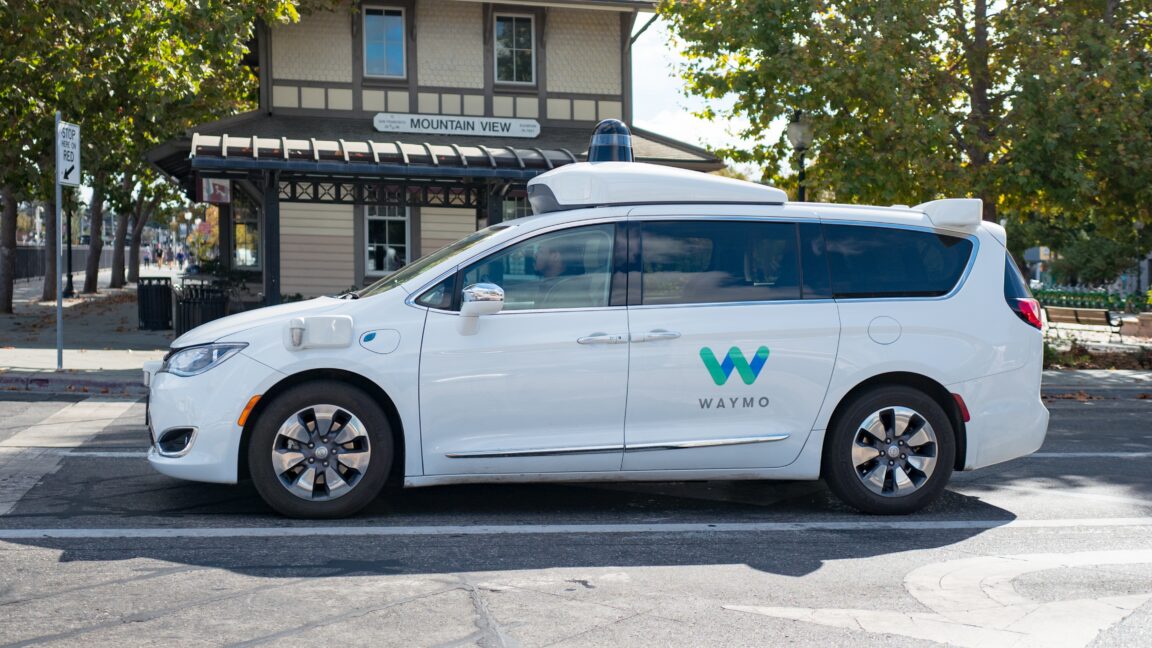
The integration of autonomous vehicle (AV) services into urban environments presents a dual challenge: showcasing technological prowess while ensuring peaceful coexistence with established communities. Waymo, a leader in autonomous driving, recently faced this challenge head-on in Santa Monica, California, where its overnight charging operations led to significant resident uproar. A local judge’s recent ruling highlights the critical need for tech companies to consider community impact, ordering a halt to these nocturnal activities.
Verdict: Community Peace Restored
In a decisive move for Santa Monica residents, Los Angeles Superior Court Judge Bradley S. Phillips has granted the City of Santa Monica’s motion for a preliminary injunction. This ruling mandates that Waymo cease all operations at its charging facilities on Broadway at 12th and Euclid Streets between 11 pm and 6 am. Citing the potential for a "public nuisance," the judge’s order provides immediate relief to a community that has endured over a year of persistent noise, light, and traffic disturbances. This legal intervention serves as a clear affirmation: the expansion of urban technology must respect the quality of life for its citizens.
The Heart of the Matter: Waymo's Charging Operations and Community Impact
Waymo initiated operations at these specific Santa Monica charging facilities in January 2025. Their locations, directly across from a private school and surrounded by apartment buildings and residences, quickly became a focal point of contention.
Residents reported a range of disturbances, primarily centered on noise. The constant "beep beep beep" of autonomous vehicles backing out of spaces was a major point of irritation. Beyond the beeping, the unique acceleration and deceleration sounds of electric vehicles were described by one neighbor as making it "sounds like you have Tron outside your window," occurring in relentless succession. These auditory intrusions were compounded by concerns over light pollution from the stations and increased traffic congestion in nearby streets and alleys. Christopher Potter, a resident near the lots, described the cumulative effect as "an incessant disturbance that hinders both our tranquillity during the day and our peace during the night." These complaints led to an online petition and, eventually, a public nuisance lawsuit filed by the City of Santa Monica in November 2025.
Resident Experience: From Nightly Disturbance to Restored Quiet
For over a year, residents living near Waymo's charging stations experienced a significant degradation in their quality of life. Dylan Moore, who lives nearby and created the WaymoProblems.org website, vividly recalled the disruption: "it’s not a fleet of locusts descending on the neighborhood." Another anonymous neighbor, a "night owl," described the stations being "full bore" at 2 am, making sleep and peace impossible.
The preliminary injunction, however, has brought an immediate and welcome change. Residents are already noting a dramatic improvement. Moore, post-injunction, happily reported, “You can hear the crickets, you can hear your thoughts, it’s not a fleet of locusts descending on the neighborhood, it’s incredible.” The "night owl" expressed thrill at Waymo abiding by the court order, signaling a return to the quiet nights they had long missed. This swift turnaround underscores the profound relief the ruling has brought to the affected community. Mayor Caroline Torosis affirmed the city's stance, stating, “Our residents’ ability to sleep peacefully in their own homes is not negotiable.”
Analysis: Navigating Urban Tech and Public Well-being
This Santa Monica case is a crucial illustration of the challenges inherent in deploying advanced technology within established urban landscapes.
Pros of the Injunction and Community Action:
For Santa Monica residents and the city government, the injunction is a clear victory. It provides immediate, tangible relief from noise and light pollution, significantly improving the quality of life in affected residential areas. This outcome validates the community's concerns and demonstrates the power of organized citizen action and legal recourse in holding large corporations accountable. The ruling sets a precedent for how municipalities can defend their residents' well-being when new technologies create unforeseen disruptions.
Cons of Waymo's Prior Operational Strategy:
For Waymo, the situation presents notable drawbacks. The restricted operating hours will undoubtedly impact their fleet management and service availability. More broadly, the incident highlights a potential oversight in their operational planning regarding community integration and impact mitigation. While Waymo has counter-sued, the initial complaints persisted for over a year before legal action, suggesting a reactive rather than proactive approach to resident concerns. This incident serves as a public relations challenge and underscores the need for tech companies to anticipate and address such issues before they escalate to legal intervention.
This case emphasizes that successful urban technology deployment requires more than just innovation; it demands thoughtful consideration of local context, comprehensive impact assessments, and genuine community engagement to prevent friction and foster sustainable growth.
Comparison to Alternatives
The provided source content focuses specifically on the local impact of Waymo's overnight charging operations and the legal response from the City of Santa Monica. It does not offer information about alternative autonomous vehicle services operating in the area or different charging technologies that might mitigate noise more effectively. Therefore, a direct comparison to alternative products or services is not relevant or possible based on the provided data. This issue is less about Waymo’s specific technology compared to competitors, and more about the impact of its operational strategy on urban living.
Recommendation: A Blueprint for Responsible Tech Integration
For autonomous vehicle developers and other companies deploying urban infrastructure, the Santa Monica ruling offers a clear lesson: proactive community engagement and robust impact mitigation are non-negotiable. Prioritize site selection away from dense residential zones, invest in quieter operational technologies, and schedule potentially disruptive activities during non-sleep hours. Implementing comprehensive environmental and social impact assessments before deployment can pre-empt costly legal disputes, operational restrictions, and public relations damage.
For city planners and residents, this case serves as a powerful testament to the effectiveness of vigilant oversight and organized action. It demonstrates that local governments can and should champion the well-being of their constituents, utilizing legal avenues if necessary, to ensure that technological progress aligns with, rather than compromises, the quality of life in their communities. The message is unequivocal: residents' right to peace and quiet must be respected.
FAQ
Q: What led to the judge's order against Waymo's overnight charging?
A: The judge's order resulted from a "public nuisance" lawsuit filed by the City of Santa Monica following over a year of persistent complaints from residents. These complaints cited constant beeping from backing vehicles, the sounds of electric vehicle acceleration and deceleration, light pollution, and traffic congestion caused by Waymo's overnight charging operations near homes and a school.
Q: What specific actions is Waymo now forbidden from taking under this injunction?
A: Under the preliminary injunction, Waymo is prohibited from operating its charging facilities located on Broadway at 12th and Euclid Streets in Santa Monica between the hours of 11 pm and 6 am. This measure is intended to restore peace and quiet to the residential areas during nighttime hours.
Q: Is this injunction the final resolution to the legal dispute between the City of Santa Monica and Waymo?
A: No, this preliminary injunction is not the final resolution. It is a temporary order granted to provide immediate relief while the broader legal case proceeds. The City of Santa Monica's public nuisance lawsuit against Waymo is still ongoing, and Waymo has also filed a counter-suit. The next court hearing is scheduled for October 2026.
Related articles
Community Fibre 8.5Gbps: UK's Fastest, But Pricey Fibre
Quick Verdict Community Fibre has just launched the UK's fastest residential internet connection, boasting an incredible 8.5Gbps (8,200Mbps) symmetrical full fibre service. It's a technical marvel, delivering speeds

Anthropic Claude Merger: Unified AI for Enhanced Productivity
Anthropic Claude Merger: The Verdict Anthropic is making a bold move, consolidating its previously distinct AI tools — Claude chat and Claude Cowork — into a single, more intuitive “all-powerful Claude.” This strategic

September Pixel Drop: Small Update, Big Convenience
Google's September 2026 Pixel Drop brings enhanced one-tap calling/messaging via VIPs widget and expanded on-device scam protection for text messages, making communication safer and faster for Pixel 6 and newer users.
Pixel 11 Pro: A Hidden Camera Gem Elevates Mobile Photography
The Pixel 11 Pro ($1,099) introduces redesigned Quick Access camera controls, offering intuitive, customizable on-the-fly adjustments like exposure and "Camera Looks." While powerful and user-friendly once enabled, Google hides them deep in settings and disables them by default, hindering discoverability. Despite this flaw, it's a significant upgrade for mobile photography enthusiasts.

Pennsylvania Measles Outbreak: A Grim Warning on Vaccine Hesitancy
This detailed analysis of the alarming Pennsylvania measles outbreak highlights four tragic fatalities, including an 18-year-old from severe neurological complications. It underscores critical public health challenges, including declining vaccination rates and federal data reporting controversies, while emphasizing the urgent need for reliable information and widespread vaccination.

US AI Data Centers: A Glimpse into Tomorrow's Power Demands
An in-depth analysis of US AI data centers' projected natural gas consumption, set to become the world's fifth-largest by 2035, highlighting environmental, economic, and infrastructure challenges.