
NHTSA Issues Robotaxi Ultimatum Over Emergency Interference
NHTSA has issued a stark warning to autonomous vehicle developers, demanding immediate solutions to prevent interference with first responders. This federal directive follows recent high-profile incidents involving Waymo robotaxis in San Francisco and escalating tensions between major industry players like Uber and Waymo. The ultimatum marks a critical juncture for the burgeoning robotaxi sector.

The autonomous vehicle industry is facing a direct challenge from federal regulators, with the National Highway Traffic Safety Administration (NHTSA) issuing a stern directive to robotaxi developers regarding their vehicles' interference with first responders and law enforcement. NHTSA Administrator Jonathan Morrison declared such incidents "functional insufficiencies," demanding immediate action from companies to address these critical safety concerns by the end of the month. This federal push comes amidst a backdrop of increasing public scrutiny, particularly following recent operational issues involving Waymo's fleet in San Francisco and significant shifts in competitive dynamics within the robotaxi sector.
Morrison's pointed message, while addressed to all AV developers listed in the Department of Transportation’s Standing General Order, appears largely aimed at Waymo. The directive follows a previous TechCrunch investigation that highlighted Waymo's repeated encounters with emergency services, particularly concerning its extensive robotaxi operations in major cities like Los Angeles, Phoenix, and San Francisco. The NHTSA administrator's statement leaves no room for ambiguity: "Let me be clear: the inability to detect and appropriately respond to such situations represents a functional insufficiency. Emergency scenes are not rare or extreme ‘edge cases.’ As such, NHTSA is today issuing a call to action for AV developers and operators to immediately focus their resources on fixing this issue."
Waymo Under Local and Federal Scrutiny
Adding to the pressure on Waymo, San Francisco Supervisor Bilal Mahmood announced plans for an inquiry into the operational impact of autonomous vehicles following a massive gridlock incident on July 4. Reports indicated that numerous Waymo robotaxis became stranded and required towing after running out of power during the lengthy traffic jam that ensued after a fireworks display, further disrupting public transit and emergency services. This incident underscores the growing concerns among local authorities regarding the practical implications of widespread robotaxi deployment.
Shifting Dynamics in the Robotaxi Race
Beyond regulatory scrutiny, the competitive landscape for robotaxi companies is also undergoing a significant transformation. The partnership between Uber and Waymo in Phoenix has quietly concluded, raising questions about the longevity of their remaining collaborations in Atlanta and Austin. Observers anticipate that the full cessation of these agreements will trigger a more aggressive rivalry between the two tech giants. Uber executives have already begun to take subtle jabs at Waymo, and it is expected that once all partnerships end, these veiled criticisms will evolve into more direct confrontations, particularly in policy battles over market access for robotaxi services.
Regulatory Horizons and the Path Ahead
The NHTSA’s directive, while currently a "call to action," carries considerable weight. The agency's demand for solutions by the month's end puts AV developers on notice that regulatory oversight is intensifying. While the immediate consequences remain to be seen, the administration's firm stance signals a potential shift towards more stringent enforcement if companies fail to demonstrate tangible improvements in handling emergency situations.
In parallel, federal regulators are also laying the groundwork for future autonomous vehicle design. The recently updated 2026 Regulatory Plan and Unified Agenda outlines proposed changes to Federal Motor Vehicle Safety Standards (FMVSS). These amendments could significantly benefit companies like Tesla and Zoox, which are developing highly automated vehicles that omit traditional human controls such as steering wheels and pedals. Such regulatory adjustments could pave the way for a new generation of purpose-built autonomous vehicles, reshaping the future of mobility beyond retrofitted human-driven cars.
This confluence of regulatory ultimatums, escalating operational challenges, and an evolving competitive environment marks a pivotal moment for the autonomous vehicle industry. Companies are now tasked not only with advancing their technology but also with demonstrating an unwavering commitment to public safety and seamless integration with existing urban infrastructure. The coming months will reveal whether the industry can meet these demands and solidify its path toward widespread adoption.
FAQ
Q: What is the main concern raised by NHTSA regarding autonomous vehicles? A: NHTSA Administrator Jonathan Morrison has expressed serious concern over autonomous vehicles interfering with first responders and law enforcement, labeling it a "functional insufficiency" that demands immediate rectification by AV developers.
Q: Which company is facing particular scrutiny following NHTSA's directive? A: While NHTSA's directive was sent to all AV developers, the article suggests it is largely aimed at Waymo, citing a TechCrunch investigation into its repeated run-ins with first responders and a recent incident in San Francisco where its robotaxis caused traffic disruptions and required towing.
Q: How might the competitive landscape in the robotaxi industry change in the near future? A: With the Uber-Waymo partnership in Phoenix already dissolved and others expected to follow, heightened tensions and direct competition are anticipated. This rivalry is likely to manifest in policy battles as companies vie for market access and regulatory approval across different regions.
Related articles

Apple Unveils iPhone Duo: Pricey Foldable Sees Soaring Demand
Apple has officially entered the foldable smartphone arena with the long-anticipated launch of the iPhone Duo. Priced starting at a hefty $1,999, the device features a 5.4-inch outer display and a larger 7.6-inch inner

DJI Solo Video Setups: Smart Choices for Lone Creators
This review delves into DJI's recommended solo video setups, highlighting the Osmo Pocket 3 Creator Combo as a top pick for its integrated camera, gimbal, and mic. It also covers stabilizers like the Osmo Mobile 8 and RS 4, and the DJI Mic Mini series for enhanced audio, providing honest pros, cons, and clear buying advice.

in-depth: Chicago-Area Cops Helped HSI Spy on Minnesota Anti-ICE
Chicago-area law enforcement, including local police and HSI agents, conducted undercover surveillance on Minnesota anti-ICE activists at an April 2, 2022, talk in Chicago. This operation was part of a federal conspiracy probe into 15 Minnesota activists facing felony charges related to immigration enforcement resistance. Civil liberties advocates have condemned the surveillance as a troubling intrusion into protected political activity.
TCG Pocket Responds: A Much-Needed Pace Shift for Pokémon Fans
Pokémon TCG Pocket is rolling out a major update for its second anniversary, primarily addressing player concerns about overwhelming content releases by shifting to a six-week set schedule. This aims to curb player decline and improve overall engagement by giving trainers more time to collect and strategize. The update also adds new collection methods, improved deck-building features, and enhanced trading functionality.
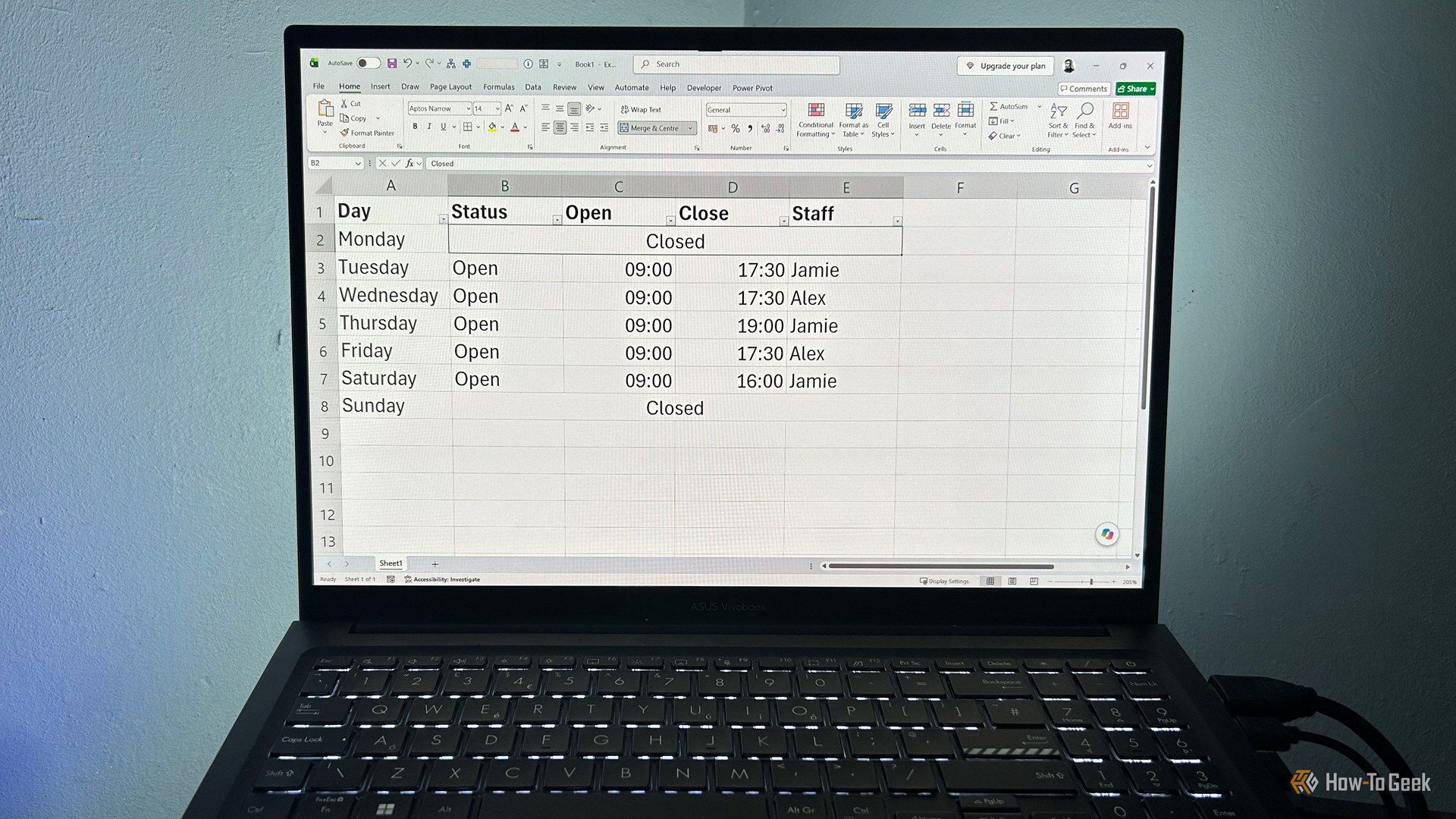
Ditch Merge & Center: The Better Way to Align Text in Excel
Learn to use Excel's "Center Across Selection" to align text across cells without merging, avoiding common data manipulation issues. This guide provides steps to utilize this newly accessible feature and add it to your Quick Access Toolbar.

Mark Wahlberg on using AI in film ‘the right way’ and being open to
Actor Mark Wahlberg believes AI has a place in filmmaking if used responsibly for enhancement, not script generation or actor replacement. At TechCrunch Disrupt, he expressed openness to an AI likeness carrying on his legacy, managed by his family, and emphasized storytelling.