46 results found
As software developers, we're constantly pushing the boundaries of what automation can achieve. While connecting a couple of applications with basic triggers is straightforward, constructing AI-powered workflows that
As software developers, we're constantly seeking ways to automate repetitive tasks and accelerate our workflows. Modern AI agents like Claude Code promise more than just code suggestions; they can truly take on

Discover the top 3 essential Claude plugins—Frontend Design, Playwright, and Impeccable—to eliminate generic AI outputs and streamline your web design workflow from generation to testing and polish. Learn to install and use them for better results in Claude Code.

AI expert Dessy Pavlova warns that AI cannot fix inherently broken business processes; it only accelerates existing inefficiencies. Despite 88% AI adoption, only 7% of organizations scale it effectively, largely due to a failure to redesign workflows first. She advocates for humans to architect systems, using AI as an operational engine with critical oversight points, enabling true productivity gains and sustainable growth.
This review analyzes the risks of agentic AI in financial services, highlighting the 'black-box journey flow' problem and lack of accountability. It stresses the need for robust governance, end-to-end visibility, and effective human oversight to scale AI responsibly.

Open-weight AI companies are becoming prime acquisition targets in Silicon Valley, with Nvidia reportedly set to acquire Hugging Face for $13 billion. This follows Nvidia's $6 billion purchase of Poolside and Stripe's $7 billion acquisition of OpenRouter, signaling a strategic shift by tech giants to diversify AI investments and gain control over model development. These deals reflect a growing demand for cost-effective, customizable AI solutions and a desire to reduce reliance on dominant frontier labs. Experts predict increased adoption as AI workflows mature, fostering a more specialized and open AI ecosystem.

Discovering an API key in Git history is a serious security incident requiring immediate action. This guide outlines a developer's step-by-step response, emphasizing the critical need to invalidate the compromised key first, then systematically remove it from code and Git history. It also covers best practices for prevention, including using environment variables or secret managers, implementing least privilege, and integrating automated secret scanning into your workflow.

As of August 2026, new laptop docking stations are revolutionizing how users transform portable computers into powerful desktop workstations. Expert testing reveals top models from CalDigit, Belkin, Plugable, and Kensington, offering advanced connectivity, multi-display support, and streamlined setups for professionals tackling limited ports and cable clutter.

xpander.ai, founded by former AWS principal engineers, has launched its enterprise AI agent platform and secured $7.5M in seed funding. The platform offers a vendor-neutral control plane, featuring a 'Universal Harness,' to help companies manage, govern, and orchestrate the growing sprawl of AI agents, addressing challenges like isolated workflows and vendor lock-in.

As of August 2026, advanced HR software with predictive turnover analytics is transforming employee retention. Platforms like HiBob, Visier, Workday, and isolved are leading the charge, enabling proactive identification of flight risks by integrating data-driven insights directly into HR workflows.
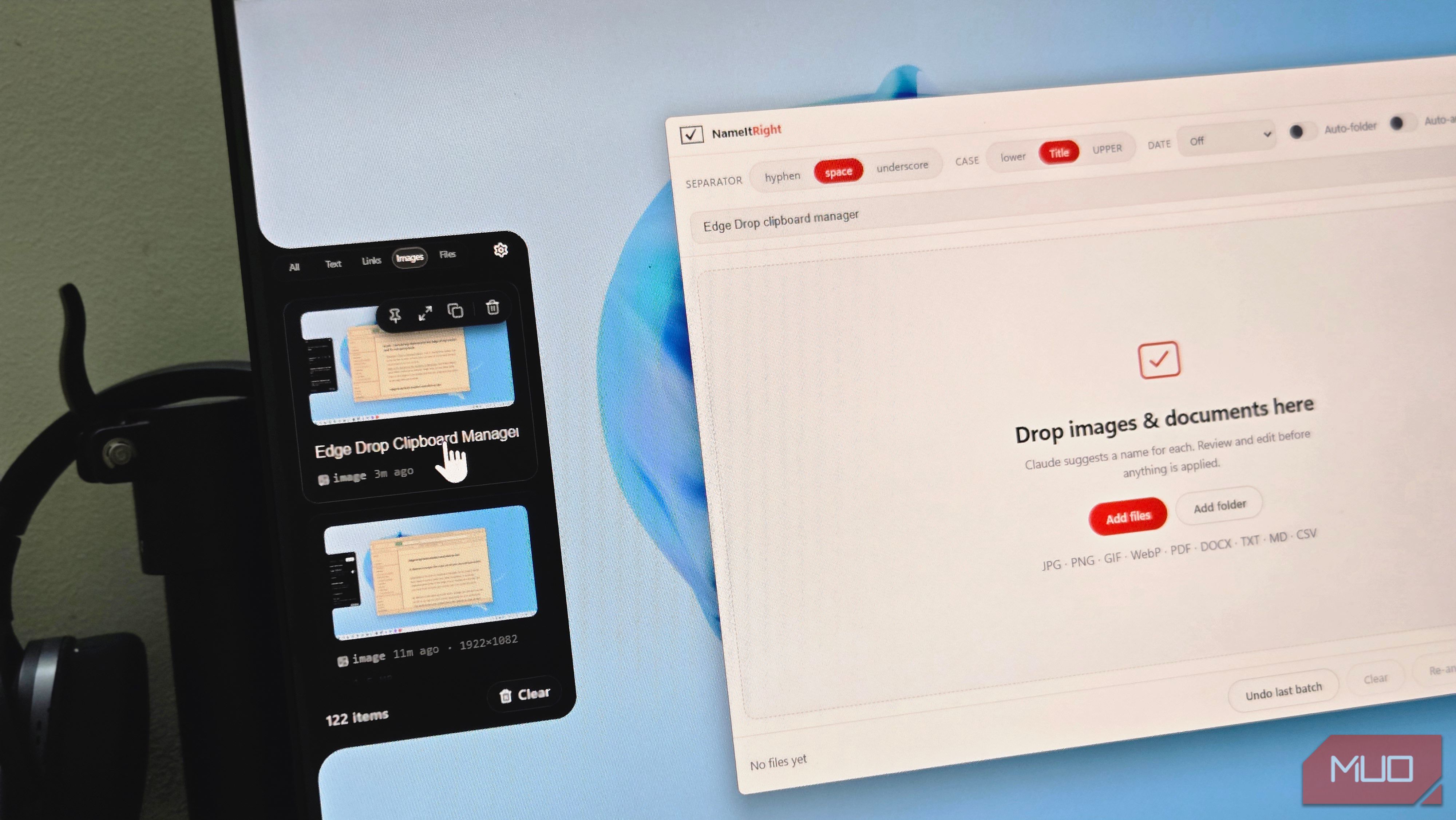
Learn to install, use, and customize Edge Drop, a free Windows clipboard manager that lives on your screen's edge, offering intuitive drag-and-drop functionality for enhanced productivity.

The software development landscape is evolving beyond single-prompt LLMs to autonomous AI agents capable of complex, multi-step workflows. LangChain, with its extension LangGraph, provides the essential tools to build these sophisticated systems, enabling stateful, cyclical agent behaviors. Developers can implement advanced features like Human-in-the-Loop, RAG, and streaming responses, and deploy these agents using industry best practices.

OpenAI has officially introduced Presence, a new enterprise product designed to empower businesses to deploy and manage AI agents for critical customer-facing and internal workflows. Announced on July 22, 2026, the
The landscape of software development is undergoing a profound transformation, largely driven by the rapid advancements in artificial intelligence. For many seasoned developers, this shift has prompted a re-evaluation

Radial, a macOS utility, revolutionizes productivity by placing shortcuts, automations, and new AI actions at your cursor's command. This review explores its features, user experience, and why it's becoming indispensable for Mac users.

This article guides developers through building a browser-based PDF analyzer using JavaScript, emphasizing client-side processing for privacy and speed. It covers the problem of manual PDF inspection, the benefits of automation, and a practical implementation using `PDF-lib`, `PDF.js`, `Tesseract.js`, and `Chart.js`. The tutorial details workflow from file upload and preview to configurable analysis and report export.

OpenAI has officially unveiled its first piece of physical hardware: the “Codex Micro.” This dedicated macro pad is designed to enhance the workflow for developers who regularly use OpenAI’s AI coding tool, Codex. The

Liquid AI, founded by former MIT computer scientists, today launched LFM2.5-230M, its smallest AI language model yet. This 230-million-parameter foundation model is explicitly designed for on-device agentic workflows,

Epic's Tim Sweeney calls Steam's AI game tags "irresponsible of Valve," arguing they unfairly penalize developers for using productivity tools. Valve's policy aims for transparency, requiring disclosure only for AI-generated assets, not workflow tools. Data shows AI tags lead to fewer and more negative reviews, creating a dilemma for the industry.
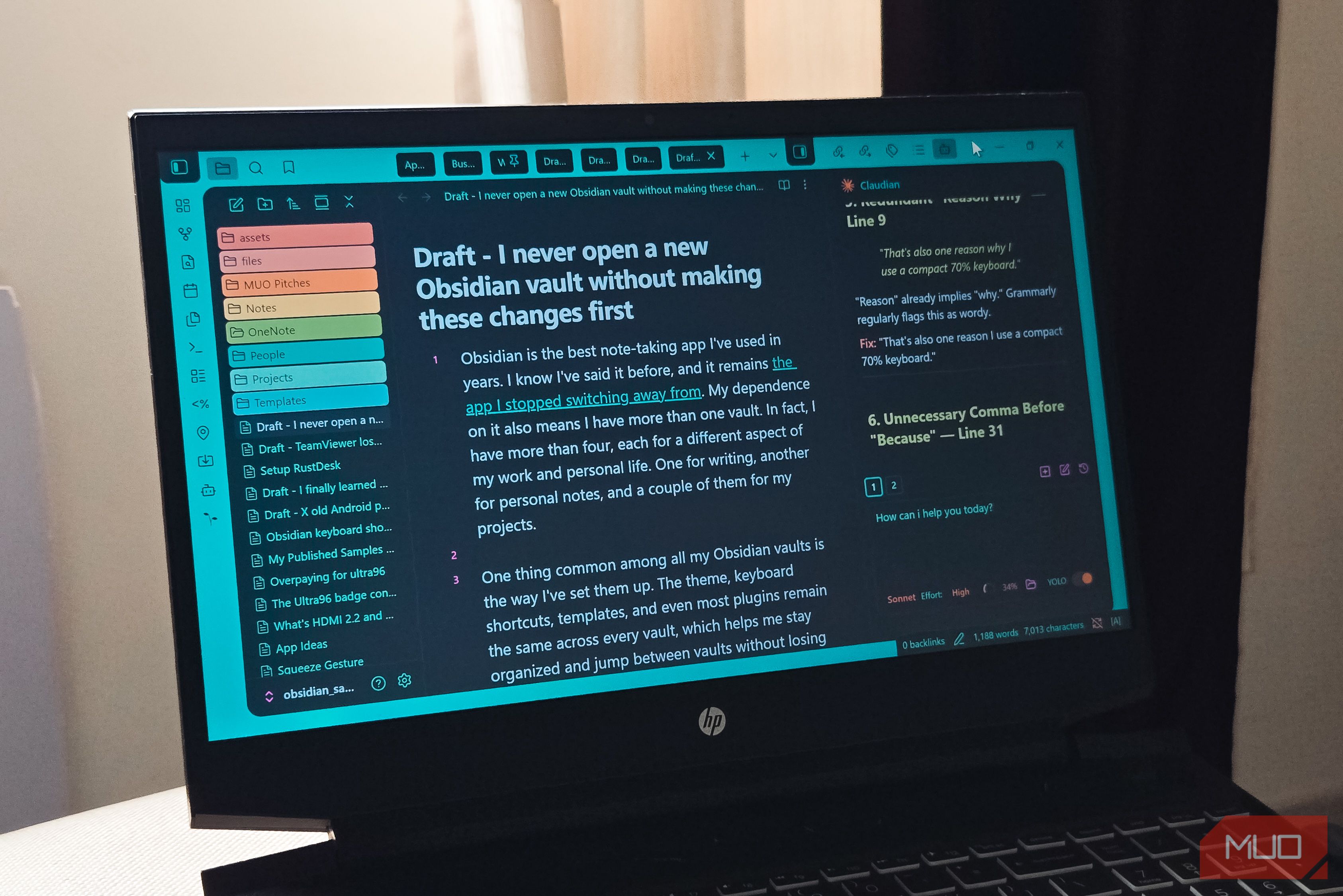
Optimize your new Obsidian vault by configuring essential settings like keyboard shortcuts, themes, bookmarks, and plugins for a more efficient and personalized workflow.
Anthropic has released a major overhaul of Claude Design, addressing its initial token-burning problem with shared usage limits and efficiency gains. The update also introduces design system imports for enterprise brand compliance and bidirectional integration with Claude Code to streamline the design-to-engineering workflow. This strategic move positions Claude Design as a critical component in Anthropic's broader vision to embed AI across the enterprise stack.

LLM-based Multi-Agent (LLM-MA) systems automate complex software tasks, but their token consumption, and thus costs, are poorly understood. New research analyzing the ChatDev framework with GPT-5 reveals that the iterative Code Review stage consumes a striking 59.4% of tokens, with input tokens making up 53.9% of total consumption. This indicates that the primary cost in agentic software engineering lies in refinement and verification, not initial generation, offering crucial insights for cost prediction and workflow optimization.
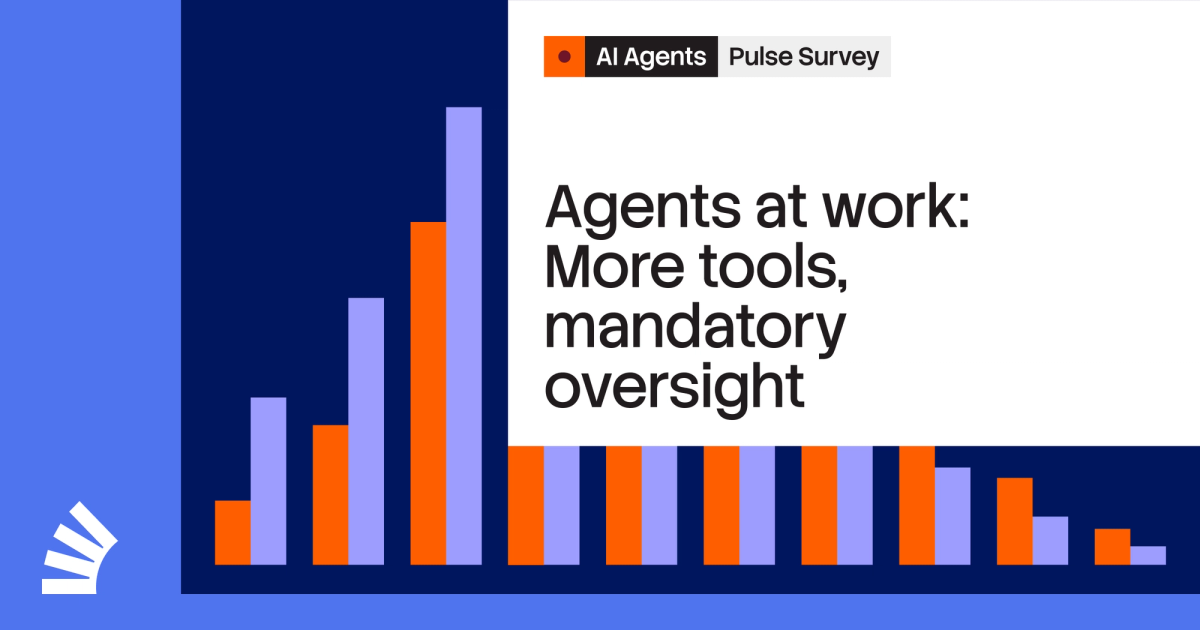
AI agent usage has nearly doubled, yet developers maintain a strong preference for human oversight. A recent survey reveals single-agent workflows are dominant, driven by concerns for accuracy and security, even as work quality improves. Fintech and media lead adoption, leveraging tools like GitHub Copilot and LangChain under careful monitoring.

Seattle-area startup Temporal, valued at $5 billion, is making an unconventional move by becoming the front-of-shirt sponsor for English Premier League club Crystal Palace FC starting in the 2026/27 season. This bold strategy aims to dramatically boost global brand visibility among millions of developers, leveraging the immense reach of professional football beyond traditional tech marketing. The deal also includes Crystal Palace becoming a Temporal Cloud customer, integrating the startup's workflow orchestration technology into its club operations.

Manus AI introduces a paradigm shift from basic chatbots to intelligent agents capable of autonomously executing complex, multi-step tasks within an isolated cloud environment. This guide explores its capabilities, including web browsing, code execution, and real-site interaction, empowering developers to build sophisticated automated workflows.
