
Tech Unicorn Temporal Inks Landmark Premier League Jersey Deal
Seattle-area startup Temporal, valued at $5 billion, is making an unconventional move by becoming the front-of-shirt sponsor for English Premier League club Crystal Palace FC starting in the 2026/27 season. This bold strategy aims to dramatically boost global brand visibility among millions of developers, leveraging the immense reach of professional football beyond traditional tech marketing. The deal also includes Crystal Palace becoming a Temporal Cloud customer, integrating the startup's workflow orchestration technology into its club operations.

Seattle Startup Temporal Puts Name on Crystal Palace FC Jersey
Bellevue, Wash. – Temporal, a Seattle-area workflow orchestration startup valued at $5 billion, has announced a groundbreaking partnership that will see its name emblazoned on the front of English Premier League club Crystal Palace FC's jerseys starting with the 2026/27 season. This strategic move aims to propel the developer tools company onto the global stage, targeting millions of developers beyond traditional marketing channels.
The deal, unveiled Thursday, marks a unique confluence of a 7-year-old tech unicorn and a venerable 164-year-old South London football club. Samar Abbas, Temporal's co-founder and CEO, emphasized the ambitious goal: "Millions of developers around the world still haven’t had a reason to find us. A partnership with one of the most watched leagues and beloved teams on the planet changes that math."
The Strategic Play: Why Football?
Front-of-shirt sponsorships in the Premier League represent significant investment, with top-tier deals exceeding $80 million annually. While Crystal Palace, a mid-table club, commands more modest figures—its previous deal was reportedly around £10 million ($13 million) per season—the timing plays directly into Temporal's favor. Beginning with the 2026/27 season, the Premier League is implementing a ban on gambling companies sponsoring the front of club shirts, freeing up over $125 million in combined annual sponsorship value across the league. This shift is creating new opportunities for diverse sponsors, including a rapidly growing developer infrastructure company from the Pacific Northwest.
Temporal, co-founded in 2019 by Abbas and Maxim Fateev—both alumni of tech giants like Amazon, Microsoft, and Uber—specializes in open-source software and cloud services that enable companies to run long-running, complex workflows with exceptional reliability. This "durable execution" capability has seen a surge in demand, particularly with the rise of AI agents, driving the company's revenue growth by over 380% year-over-year and leading to a $300 million funding round earlier this year.
Beyond Branding: A Tech Transformation for Crystal Palace
This partnership extends beyond mere logo placement; it's a deep technological integration. Crystal Palace is set to become a Temporal Cloud customer, leveraging the platform to modernize critical club operations. This includes enhancing its e-commerce systems, streamlining payments, improving the overall fan experience, and optimizing matchday operations. This digital overhaul aligns with the club's ongoing major stadium redevelopment at Selhurst Park, its home since 1924.
Crystal Palace's journey is a compelling narrative of resilience, a quality Temporal CMO Clair Byrd noted resonated with the startup's core values. "We spend a lot of time thinking about durable systems, resilience, and what it means to build things that people can rely on over long periods of time," Byrd wrote in a company blog post. The club itself has an impressive comeback story, narrowly avoiding liquidation in 2010 before achieving promotion to the Premier League in 2013, securing its first FA Cup title in 2025, and advancing to the UEFA Conference League final in 2026.
Seattle's Growing Soccer Footprint
This high-profile sponsorship deal reflects a broader trend of increasing engagement between the Seattle tech scene and the world of English football. With Seattle preparing to host matches for the 2026 FIFA World Cup, soccer fever is palpable across the region. Temporal is not the only local tech entity making moves in English football; Shivaas Gulati, co-founder of Remitly and Arkero, joined the ownership consortium of fifth-tier English club Southend United in 2024, with ambitions to modernize its operations using AI and software.
Temporal's bold step underscores a new frontier in tech marketing, demonstrating how a specialized developer tools company can achieve massive global visibility by tapping into the immense reach and passion of professional sports, while simultaneously providing critical technological infrastructure to its new partner.
FAQ
Q: What is Temporal, and what does it do?
A: Temporal is a Bellevue-based workflow orchestration company valued at $5 billion. It provides open-source software and a cloud service that enables companies, including major players like OpenAI and Netflix, to build and run complex, long-running applications reliably, a process it terms "durable execution." This technology is increasingly vital for AI agents and other modern software systems.
Q: Why is a Seattle tech startup sponsoring an English Premier League team's jersey?
A: Temporal's primary motivation is to significantly expand its brand recognition and reach millions of developers worldwide who may not be exposed to its services through conventional marketing. The upcoming Premier League ban on gambling sponsors from jersey fronts created a timely opportunity for new types of companies to enter this high-visibility sponsorship market.
Q: Is this partnership purely for marketing and brand exposure?
A: No, the partnership extends beyond branding. Crystal Palace Football Club will also become a Temporal Cloud customer, utilizing Temporal's platform to modernize and enhance various operational aspects, including e-commerce, payment systems, fan engagement, and matchday operations, especially as the club undergoes a major stadium redevelopment.
Related articles

Apple Unveils iPhone Duo: Pricey Foldable Sees Soaring Demand
Apple has officially entered the foldable smartphone arena with the long-anticipated launch of the iPhone Duo. Priced starting at a hefty $1,999, the device features a 5.4-inch outer display and a larger 7.6-inch inner

in-depth: Chicago-Area Cops Helped HSI Spy on Minnesota Anti-ICE
Chicago-area law enforcement, including local police and HSI agents, conducted undercover surveillance on Minnesota anti-ICE activists at an April 2, 2022, talk in Chicago. This operation was part of a federal conspiracy probe into 15 Minnesota activists facing felony charges related to immigration enforcement resistance. Civil liberties advocates have condemned the surveillance as a troubling intrusion into protected political activity.

Mark Wahlberg on using AI in film ‘the right way’ and being open to
Actor Mark Wahlberg believes AI has a place in filmmaking if used responsibly for enhancement, not script generation or actor replacement. At TechCrunch Disrupt, he expressed openness to an AI likeness carrying on his legacy, managed by his family, and emphasized storytelling.
Ars Technica's Rocket Report: Your Essential Space Industry Briefing
Quick Verdict Ars Technica's Rocket Report, presented by veteran space reporter Stephen Clark, offers an invaluable and meticulously organized weekly (or similar frequency, implied by "Edition 9.15") digest of the most

Tesla Unveils Thruster-Equipped Roadster, 2028 Production Targeted
Tesla has unveiled its second-generation Roadster, featuring cold-gas thrusters co-developed with SpaceX, enabling it to jump and flip. The electric sports car demonstrated 0-60mph in an astonishing 0.81 seconds, with production targeted for 2028. This highly anticipated reveal also serves as a key recruitment tool for Tesla's ambitious AI and robotics initiatives.
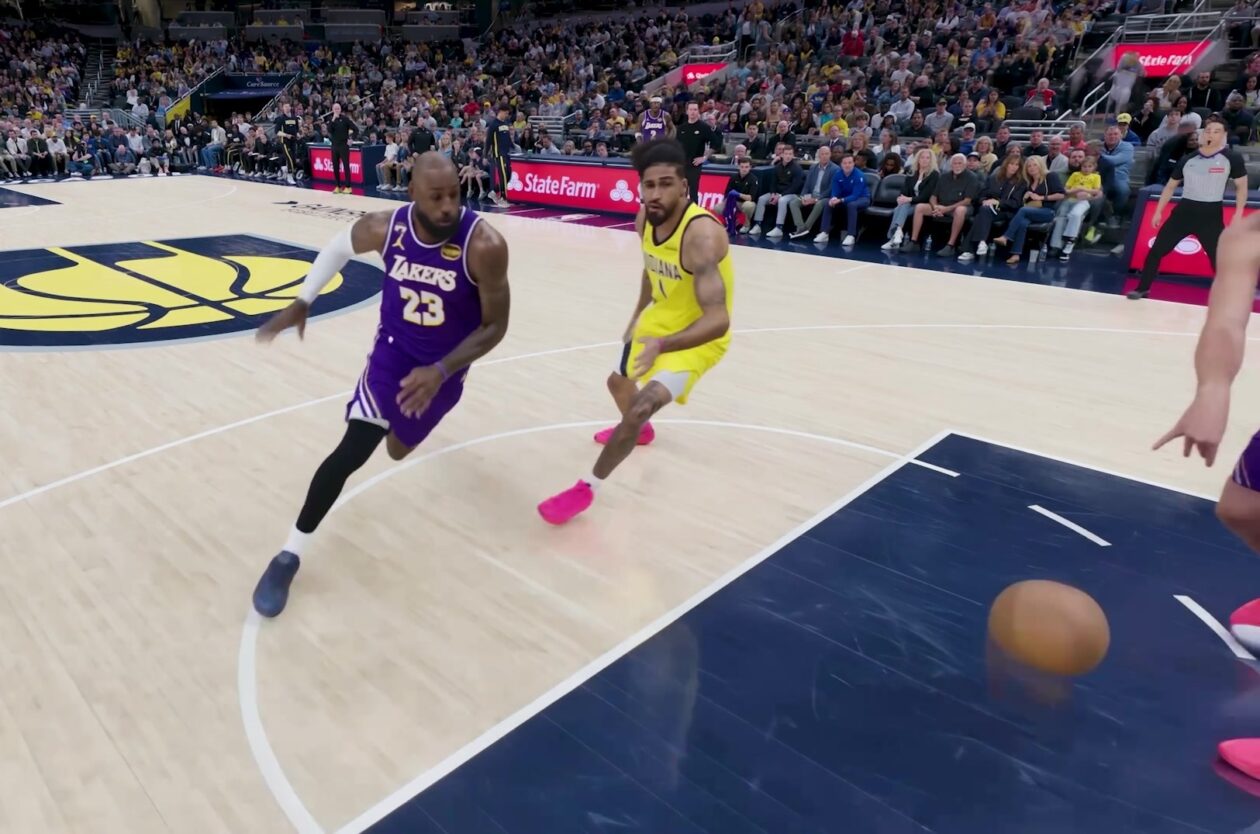
Amazon Prime Video Launches AI-Powered Prime 360 for NBA Coverage
Amazon Prime Video is elevating its NBA coverage with the introduction of Prime 360, an AI-powered replay system offering immersive, 'fly through' views of the action. Kicking off its second season, Prime Video also adds Yahoo fantasy integration and gains exclusive Eastern Conference Finals rights, expanding its tech-driven sports broadcast. The new features aim to deliver a unique and interactive viewing experience for basketball fans.