
Anthropic Overhauls Claude Design: Fixes Tokens, Adds Design System
Anthropic has released a major overhaul of Claude Design, addressing its initial token-burning problem with shared usage limits and efficiency gains. The update also introduces design system imports for enterprise brand compliance and bidirectional integration with Claude Code to streamline the design-to-engineering workflow. This strategic move positions Claude Design as a critical component in Anthropic's broader vision to embed AI across the enterprise stack.
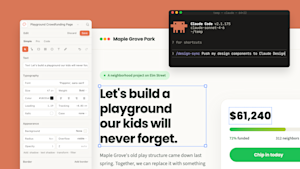
Anthropic has unveiled a substantial overhaul of Claude Design, its AI-powered design tool, just two months after its initial "research preview" garnered over a million users but also drew criticism for its rapid token consumption. The update, announced Wednesday, transforms Claude Design from a flashy prototype into a strategically important enterprise platform, introducing robust design system imports, bidirectional code round-trips, and crucial fixes to address its "token-burning" problem. This move positions the tool as a key component in Anthropic's broader strategy to embed AI workers across the entire enterprise stack, ensuring brand compliance and streamlining the design-to-engineering workflow.
Solving Claude Design's Token-Burning Problem
When Claude Design first launched in April, its instant popularity was overshadowed by a critical flaw: it consumed tokens so rapidly that users, including one PCWorld reviewer, quickly exhausted their allowances. This "token-hungry" nature threatened the product's viability for individual users and small teams. Anthropic has responded by integrating Claude Design's usage limits with those of Claude chat, Cowork, and Code, providing significantly more headroom.
The company also reports a reduction in average token consumption per turn while maintaining output quality, alongside a sharp drop in error rates. Further mitigating token drain, a new drag-and-resize editor allows users to make direct adjustments without consuming model turns for every small change. These stability and efficiency improvements aim to transform the tool from a captivating demo into a practical, daily-use application, although the inherent token expense of generative design may still present challenges for Pro subscribers compared to enterprise customers.
Enterprise Brand Compliance Through Design System Imports
Perhaps the most significant strategic shift is Claude Design's repositioning as an enterprise brand-compliance layer. The updated tool now allows users to import one or multiple design systems directly from GitHub repositories, design files, or raw uploads. Once ingested, Claude Design builds prototypes using these components, automatically validating and correcting its output against the established brand guidelines before the user ever sees the result.
This capability is a departure from its original "blank canvas" approach, where output reflected Claude's aesthetic judgment rather than a company's specific brand. For large organizations, a new administrator role can approve a single standard design system and lock down edits, ensuring consistent adherence to corporate guidelines across all generated assets. This feature directly targets the enterprise market, where brand control is paramount.
Revolutionizing the Design-to-Engineering Handoff
The overhaul also introduces a critical bidirectional integration between Claude Design and Claude Code, aiming to solve the long-standing friction point between design and engineering teams. Designers can now use /design-sync in Claude Code to import their local codebase's design system into Claude Design, ensuring prototypes are built with actual, implementable components.
When a design is finalized, it seamlessly transfers to Claude Code, eliminating the need for manual recreation or lossy translations. Conversely, developers can initiate, edit, and sync design projects directly from their Claude Code terminal using the /design command. Anthropic believes that by having a single AI system operate on both sides of the workflow, the inherent divergence between design prototypes and engineering implementations can be resolved, as the AI "just continues" rather than reinterpreting intent. This aligns with recent Anthropic research indicating that domain expertise, rather than coding proficiency, is the primary driver of success in coding tasks.
Expanding the Creative Ecosystem and Strategic Vision
Claude Design's utility is further enhanced by an expanded list of nine new export destinations, including Adobe, Canva, Miro, Replit, Vercel, and Wix, in addition to existing PDF and PowerPoint options. This deliberate strategy positions Claude Design as a "creative hub" where work originates, rather than a final destination. Partner quotes underscore this, with Replit viewing the integration as meeting "builders wherever ideas begin" and Canva facilitating the transformation of "a first draft" into a "finished asset."
This hub-and-spoke model also serves as a strategic defense against emerging open-source alternatives like Open Design, which has rapidly gained traction with features like local-first operation and model flexibility. While Anthropic is unlikely to match open-source on self-hosting, its focus on forging first-party business partnerships for deep integrations creates an ecosystem that community projects cannot easily replicate, strengthening its competitive moat.
An Embedded AI Platform Vision
The evolution of Claude Design is a clear manifestation of Anthropic's broader vision to embed AI workers across the entire enterprise stack. Its product surface now spans creative work, code, knowledge work (Claude Cowork), and enterprise operations (Managed Agents), all unified by shared underlying models and context. Recent initiatives, such as Claude for Small Business integrations with QuickBooks and PayPal, and alliances with DXC Technology to embed Claude in critical enterprise systems, underscore this platform strategy.
The same design system in Claude Design can be used by Claude Code, and financial models built in Claude for Excel can flow into a pitchbook created in Claude Design. This integrated approach, backed by sophisticated containment architecture for security, aims to make Claude an indispensable part of daily enterprise workflows.
The Road Ahead for Enterprise AI Design
Anthropic's ambitious overhaul of Claude Design marks a significant bet on design systems as the bridge from viral demo to indispensable enterprise tool. The success of this transformation hinges on several critical questions: whether the revised token economics genuinely accommodate a broad user base, if the design system import proves robust enough for complex enterprise requirements, and whether the Claude Code round-trip truly resolves the design-engineering gap. As Anthropic continues its aggressive expansion, Claude Design's shift toward brand compliance and seamless integration highlights a future where AI is deeply embedded in how work gets done.
FAQ
Q: What was the primary problem with Claude Design's initial launch? A: The initial "research preview" of Claude Design gained rapid popularity but was heavily criticized for its voracious token consumption, which quickly exhausted users' weekly allowances and made the tool largely inaccessible after short periods of use.
Q: How does the new Claude Design address enterprise brand compliance? A: The overhauled Claude Design now allows companies to import their actual design systems from various sources, ensuring that all generated prototypes adhere strictly to established brand guidelines. A new admin role also enables locking down a standard system to prevent individual users from overriding company-approved brand standards.
Q: What is the significance of the bidirectional integration with Claude Code? A: This integration aims to eliminate the traditional design-to-engineering handoff problem. By allowing designers to work with real code components and seamlessly transfer finalized designs to engineers (and vice-versa), Anthropic seeks to ensure consistency and prevent divergence between design prototypes and final implementations, leveraging a single AI system across both workflows.
Related articles

Apple Unveils iPhone Duo: Pricey Foldable Sees Soaring Demand
Apple has officially entered the foldable smartphone arena with the long-anticipated launch of the iPhone Duo. Priced starting at a hefty $1,999, the device features a 5.4-inch outer display and a larger 7.6-inch inner

in-depth: Chicago-Area Cops Helped HSI Spy on Minnesota Anti-ICE
Chicago-area law enforcement, including local police and HSI agents, conducted undercover surveillance on Minnesota anti-ICE activists at an April 2, 2022, talk in Chicago. This operation was part of a federal conspiracy probe into 15 Minnesota activists facing felony charges related to immigration enforcement resistance. Civil liberties advocates have condemned the surveillance as a troubling intrusion into protected political activity.

Mark Wahlberg on using AI in film ‘the right way’ and being open to
Actor Mark Wahlberg believes AI has a place in filmmaking if used responsibly for enhancement, not script generation or actor replacement. At TechCrunch Disrupt, he expressed openness to an AI likeness carrying on his legacy, managed by his family, and emphasized storytelling.
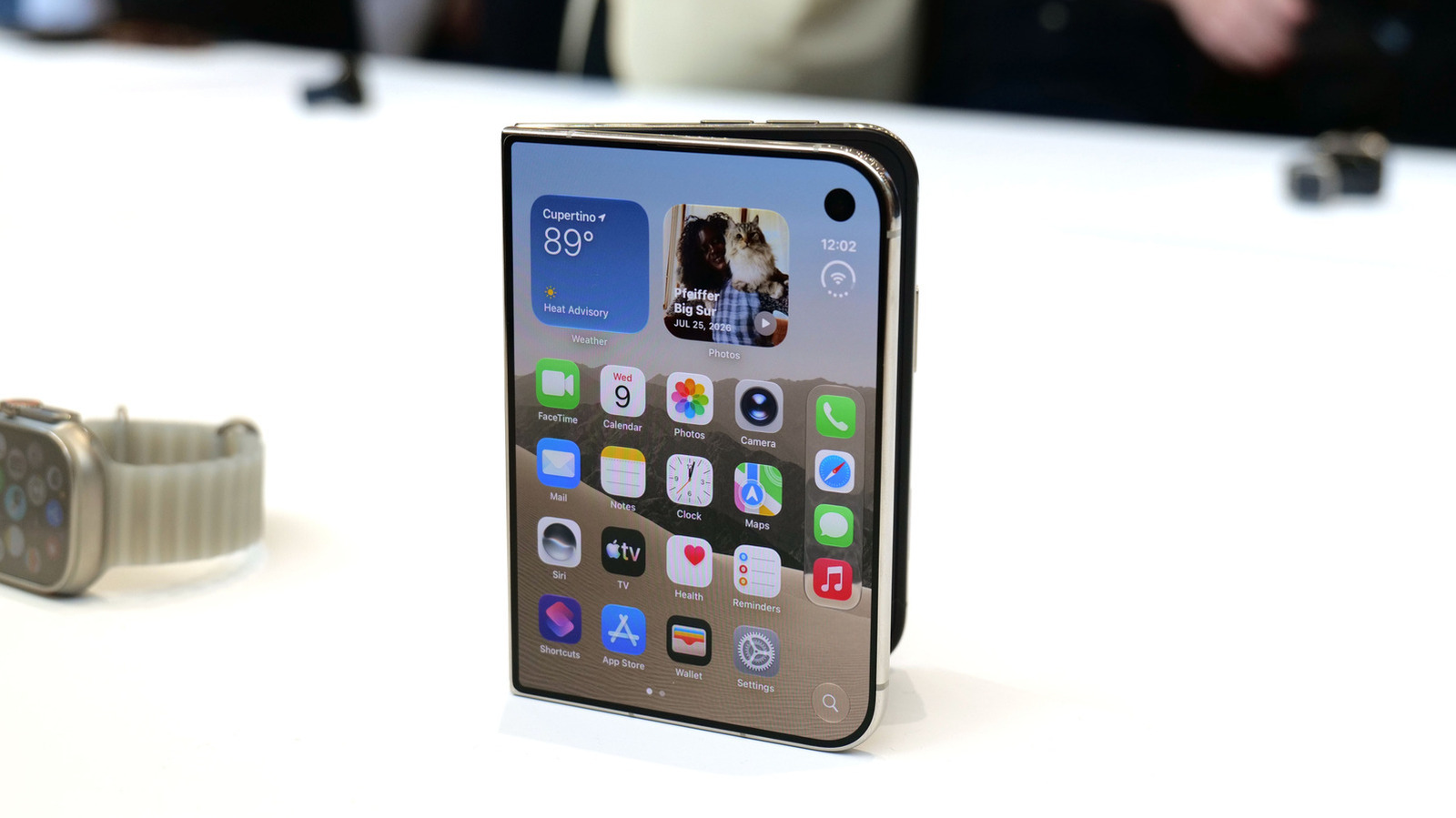
Apple iPhone Duo: A Daring Debut with Notable Compromises
Apple's highly anticipated iPhone Duo, priced at $2,000, has gone on pre-order. While hailed as "Apple's most exciting device in a decade" for its innovative foldable design and immersive display, it comes with significant drawbacks like the absence of FaceID and a premium camera.

Tesla Unveils Thruster-Equipped Roadster, 2028 Production Targeted
Tesla has unveiled its second-generation Roadster, featuring cold-gas thrusters co-developed with SpaceX, enabling it to jump and flip. The electric sports car demonstrated 0-60mph in an astonishing 0.81 seconds, with production targeted for 2028. This highly anticipated reveal also serves as a key recruitment tool for Tesla's ambitious AI and robotics initiatives.

AI's Confidence vs. Formal Methods' Rigor: Design Flaws & Verification
While AI accelerates code generation, formal methods remain critical for ensuring system correctness. Languages like TLA+ and tools like Quint enable developers to model and verify system designs before coding, catching subtle flaws. Quint makes formal methods more accessible with developer-friendly syntax and executability. This approach is vital for verifying AI-generated code through trace validation and model-based testing, ensuring reliability against real-world data.