
startups: Best HR software with predictive turnover analytics for
As of August 2026, advanced HR software with predictive turnover analytics is transforming employee retention. Platforms like HiBob, Visier, Workday, and isolved are leading the charge, enabling proactive identification of flight risks by integrating data-driven insights directly into HR workflows.
In a significant evolution for human resources technology, a new generation of HR software featuring advanced predictive turnover analytics is reshaping how companies approach employee retention. As of August 2026, leading platforms are moving beyond reactive exit interviews to proactively identify employees at risk of leaving, enabling managers to intervene before resignations occur. This critical shift is driven by a focus on integrating real-time insights directly into HR workflows, transforming data-driven decisions into actionable retention strategies that safeguard valuable talent.
The traditional approach often leaves businesses vulnerable to unexpected departures, as critical warning signs like slipping survey scores, lack of career progression, or declining pay competitiveness remain siloed and unaddressed until it's too late. The cost of employee turnover, both direct and indirect, underscores the urgency of this challenge. Predictive turnover analytics connects these disparate data points, offering a holistic view of employee sentiment and potential flight risks, allowing companies to understand not just who might leave, but why. However, the term "predictive analytics" is used broadly across vendors, necessitating a clear understanding of each platform's specific capabilities and integration approach. Some solutions act as standalone analytical layers, while others embed forecasting within comprehensive Human Capital Management (HCM) suites or core HR platforms, each with distinct advantages and trade-offs.
A recent comparison highlights nine key platforms, evaluated primarily by their "signal-to-action distance"—how directly and effectively insights are delivered to the individuals who can actually act on them. HiBob emerges as a frontrunner for its native attrition prediction capabilities integrated directly into its HR platform, ensuring actionable signals appear alongside employee records for immediate context. For larger enterprises requiring deeper analytical sophistication, platforms like Visier and Crunchr offer dedicated people-analytics layers that sit atop existing HRIS systems, providing extensive workforce forecasting, benchmarking, and cross-cut analysis that general HR suites often cannot match.
Workday and isolved, on the other hand, integrate predictive capabilities within their broader HCM solutions, catering to organizations that prefer a unified system for HR, payroll, and planning. Workday’s enterprise-grade platform deeply links people data to financial planning, while isolved focuses on mid-market teams, delivering turnover-risk and tenure scores without the need for a specialized data science team. Paycor also provides analytics within its US-focused payroll and HR suite, appealing to companies looking to consolidate vendors, though its predictive depth is noted as more modest compared to dedicated analytics platforms.
Other platforms take varied approaches to retention. Lattice, for instance, focuses on performance and engagement, using survey sentiment and goal progression as leading indicators for potential attrition. While not a dedicated prediction engine, its insights are invaluable for understanding morale shifts. BambooHR offers solid core HR with basic reporting, often requiring data extraction for deeper analysis. Deel, primarily known for global hiring and cross-border payroll, provides lighter analytics, with its strength lying in international compliance rather than deep predictive HR insights.
Choosing the right platform demands a structured evaluation framework that goes beyond superficial feature lists. The "signal-to-action distance" is paramount, ensuring insights reach the right people at the right time. Equally crucial are the quality of the "data foundation and integration," as predictions are only as reliable as their underlying data. "Depth of predictive modeling," "context and engagement inputs" (including AI sentiment analysis), and the "total cost and time to value" (considering setup and training) complete the assessment. Organizations must weigh these factors against their specific needs, data maturity, and desired level of HR integration to make an informed decision that truly empowers proactive retention efforts.
FAQ
Q: What is predictive turnover analytics in HR software?
A: Predictive turnover analytics uses historical and real-time employee data—such as engagement scores, tenure, internal mobility, and compensation—to identify employees who are at risk of leaving an organization. Unlike traditional, reactive HR reporting, it provides early warning signals, allowing managers and HR teams to implement proactive retention strategies before a resignation occurs.
Q: Why is "signal-to-action distance" a critical factor in evaluating these platforms?
A: Signal-to-action distance refers to how directly and quickly a flight-risk insight reaches the person who can act on it, like a manager. An insight buried in a separate report that's rarely checked is less effective than a warning signal surfaced directly within an employee's record or HR workflow, where it can prompt timely intervention.
Q: How do integrated HR suites with predictive analytics compare to dedicated analytics platforms?
A: Integrated HR suites (like HiBob or Workday) embed predictive capabilities within a comprehensive HR system, meaning insights appear alongside core HR functions and data. Dedicated analytics platforms (like Visier or Crunchr) focus purely on deep workforce forecasting and analysis, often sitting as a separate layer on top of existing HR systems. Integrated suites offer convenience and direct workflow integration, while dedicated platforms typically provide greater analytical depth for complex, multi-source data environments.
Related articles

Apple Unveils iPhone Duo: Pricey Foldable Sees Soaring Demand
Apple has officially entered the foldable smartphone arena with the long-anticipated launch of the iPhone Duo. Priced starting at a hefty $1,999, the device features a 5.4-inch outer display and a larger 7.6-inch inner
Android 17 QPR2 Beta 7.1: The Performance Relief You've Been Waiting
Android 17 QPR2 Beta 7.1: Finally Fixing the QPR1 Performance Woes Verdict: Android 17 QPR2 Beta 7.1 is a crucial and highly anticipated software update for Google Pixel users, specifically targeting and resolving the

in-depth: Chicago-Area Cops Helped HSI Spy on Minnesota Anti-ICE
Chicago-area law enforcement, including local police and HSI agents, conducted undercover surveillance on Minnesota anti-ICE activists at an April 2, 2022, talk in Chicago. This operation was part of a federal conspiracy probe into 15 Minnesota activists facing felony charges related to immigration enforcement resistance. Civil liberties advocates have condemned the surveillance as a troubling intrusion into protected political activity.

Mark Wahlberg on using AI in film ‘the right way’ and being open to
Actor Mark Wahlberg believes AI has a place in filmmaking if used responsibly for enhancement, not script generation or actor replacement. At TechCrunch Disrupt, he expressed openness to an AI likeness carrying on his legacy, managed by his family, and emphasized storytelling.

Tesla Unveils Thruster-Equipped Roadster, 2028 Production Targeted
Tesla has unveiled its second-generation Roadster, featuring cold-gas thrusters co-developed with SpaceX, enabling it to jump and flip. The electric sports car demonstrated 0-60mph in an astonishing 0.81 seconds, with production targeted for 2028. This highly anticipated reveal also serves as a key recruitment tool for Tesla's ambitious AI and robotics initiatives.
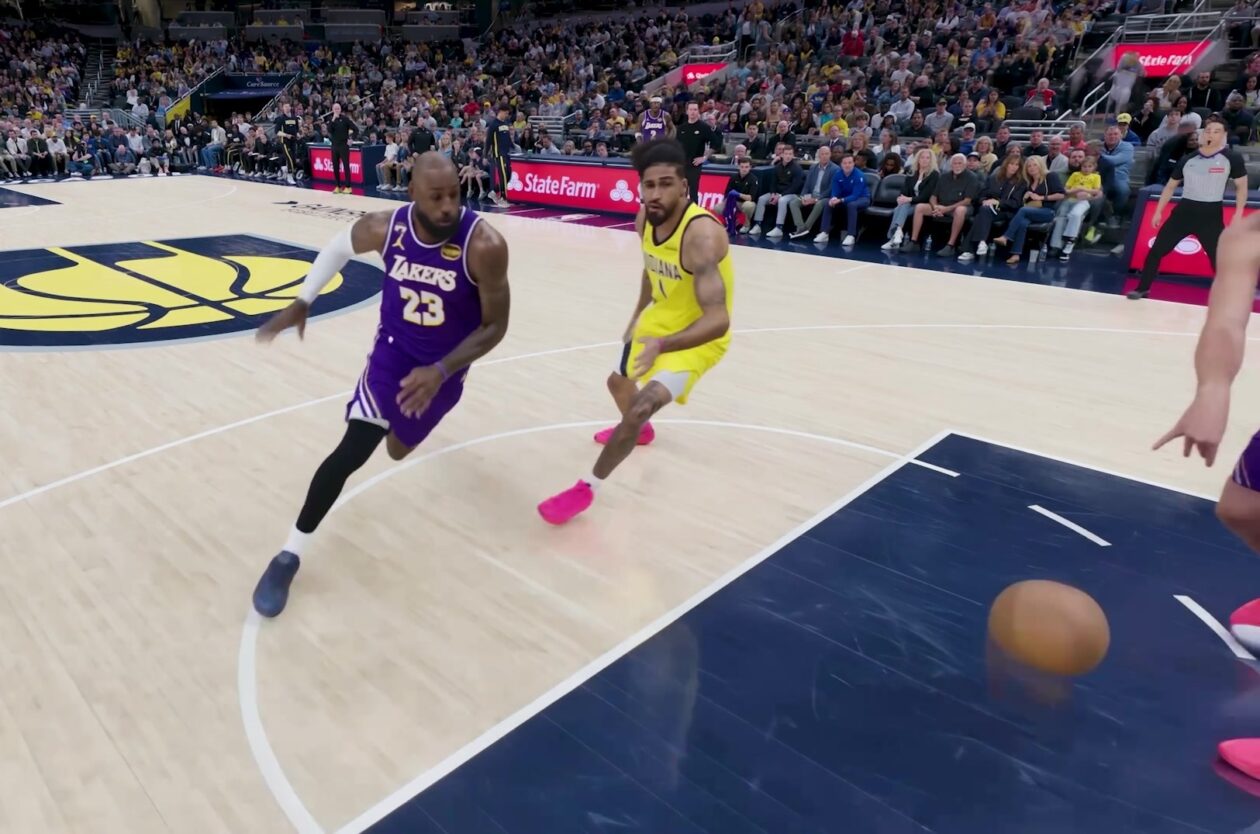
Amazon Prime Video Launches AI-Powered Prime 360 for NBA Coverage
Amazon Prime Video is elevating its NBA coverage with the introduction of Prime 360, an AI-powered replay system offering immersive, 'fly through' views of the action. Kicking off its second season, Prime Video also adds Yahoo fantasy integration and gains exclusive Eastern Conference Finals rights, expanding its tech-driven sports broadcast. The new features aim to deliver a unique and interactive viewing experience for basketball fans.