173 results found
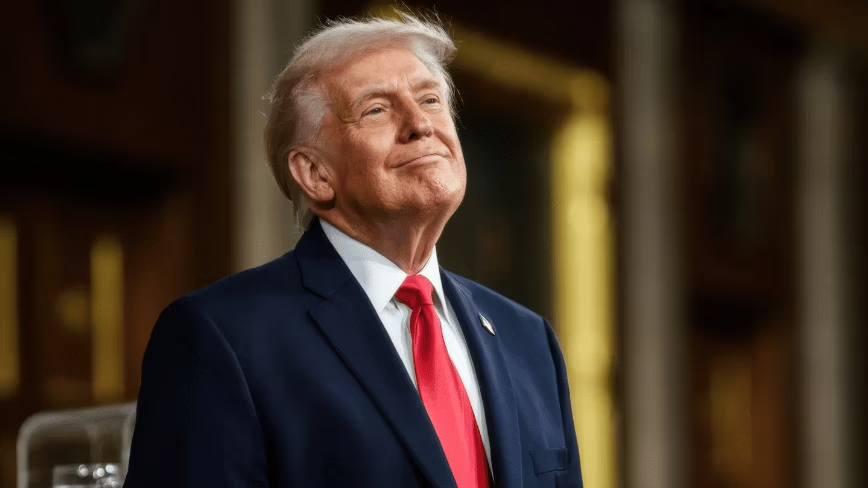
Former President Donald Trump has threatened a 100% tariff on any country taxing US tech firms with digital services taxes, just a day after the EU ratified a trade deal. Brussels defiantly stated taxation is its sovereign right and will not back down. This sets up a major international standoff over digital taxation, challenging Europe's years-long efforts to regulate tech giants and impacting future trade relations.

a16z-backed Base Power has launched its large home battery systems in Illinois, entering the PJM Interconnection grid territory which is struggling with soaring electricity demand and high prices. The startup offers cheaper power to residents by bypassing traditional grid bottlenecks, deploying batteries "behind the meter." This move aims to stabilize the stressed grid and provide a more affordable energy option for consumers.

GeekWire's "Week in Review" provides an effective, curated digest of top tech and startup stories from the Pacific Northwest. It excels in delivering timely news on AI, local startups, and big tech with clear summaries and easy navigation for regional insights.

AI video startup Higgsfield has launched Supercomputer 2.0, an autonomous agent framework for enterprise marketing. Built on NVIDIA technology, it claims adoption by 78 percent of Fortune 500 companies, aiming to automate full campaign lifecycles. The company also produced an AI-generated feature film in 14 days.
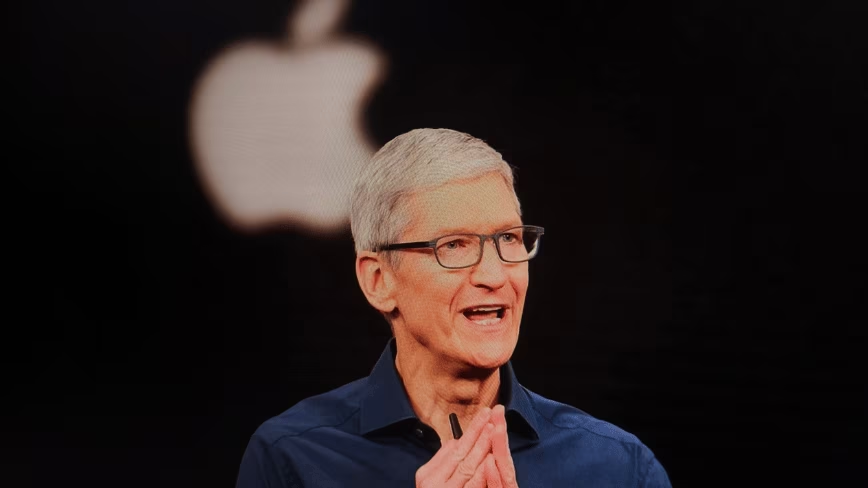
Apple investors are losing patience with the tech giant's artificial intelligence strategy, especially after a largely disappointing Worldwide Developers Conference (WWDC). The company's stock is significantly
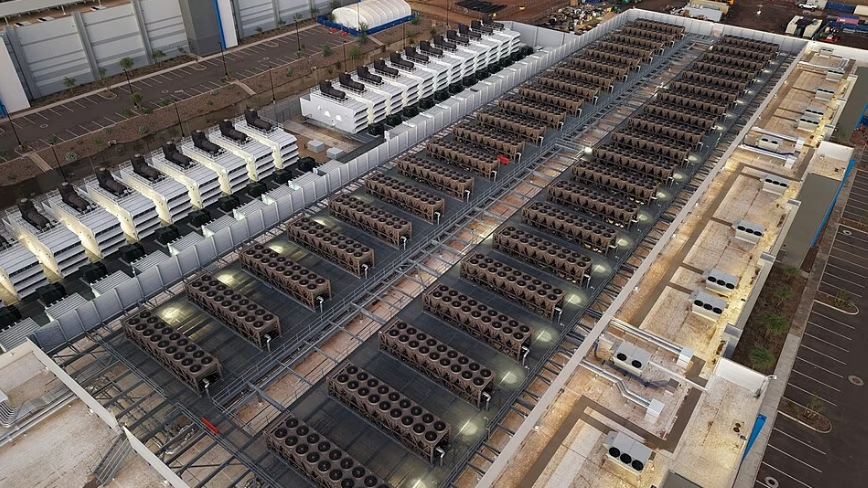
Grassroots opposition groups successfully blocked or delayed 75 data center projects worth $130 billion across the US in Q1 2026, matching the total disruptions for all of 2025. Driven by concerns over electricity, water, and noise, the number of anti-data center groups has doubled to 833 nationwide, profoundly impacting the AI industry's expansion plans amid shifting public opinion and legislative action.

Andrew Yang is championing a new wave of startups focused on lowering the cost of living for average Americans. His latest venture, Nobile Mobile, offers affordable cell service and returns savings to customers, demonstrating a business model that prioritizes giving money back rather than solely extracting it. This initiative aims to address economic pressures, particularly those intensified by AI's impact on wages and jobs.

Pool, a new AI-powered iOS app, transforms cluttered camera rolls into organized, actionable archives by categorizing screenshots and linking them to original sources. Developed by Maxime Junique and Piet Terheyden, the app uses advanced AI to help users rediscover forgotten information, from recipes to product recommendations. Having secured over $2 million in pre-seed funding, Pool is also planning a future agentic AI personal assistant app.

Mercor co-founder Brendan Foody has publicly accused elite VC firm Sequoia of using "dual-pricing" strategies, investing in startups at two different valuations while founders highlight only the higher figure. This practice, Foody claims, misleads employees and angel investors about a company's true worth. Sequoia partner Shaun Maguire defended the firm, calling it a response to competitive market dynamics rather than a deceptive tactic, sparking debate on startup valuation transparency.

Verdict: A Glimmer of Hope with Caveats Chinese startup Prinano has made a significant claim: successfully validating the mass production of photonic chips using an innovative nanoimprint lithography (NIL) process,

Rush Digital Marketing has launched Nexus Install, a 60-day program that builds and transfers ownership of a LinkedIn lead-generation system to coaches and consultants. It addresses a market gap by combining implementation with client autonomy, aiming for predictable client acquisition. This model empowers professionals to manage their growth systems independently.
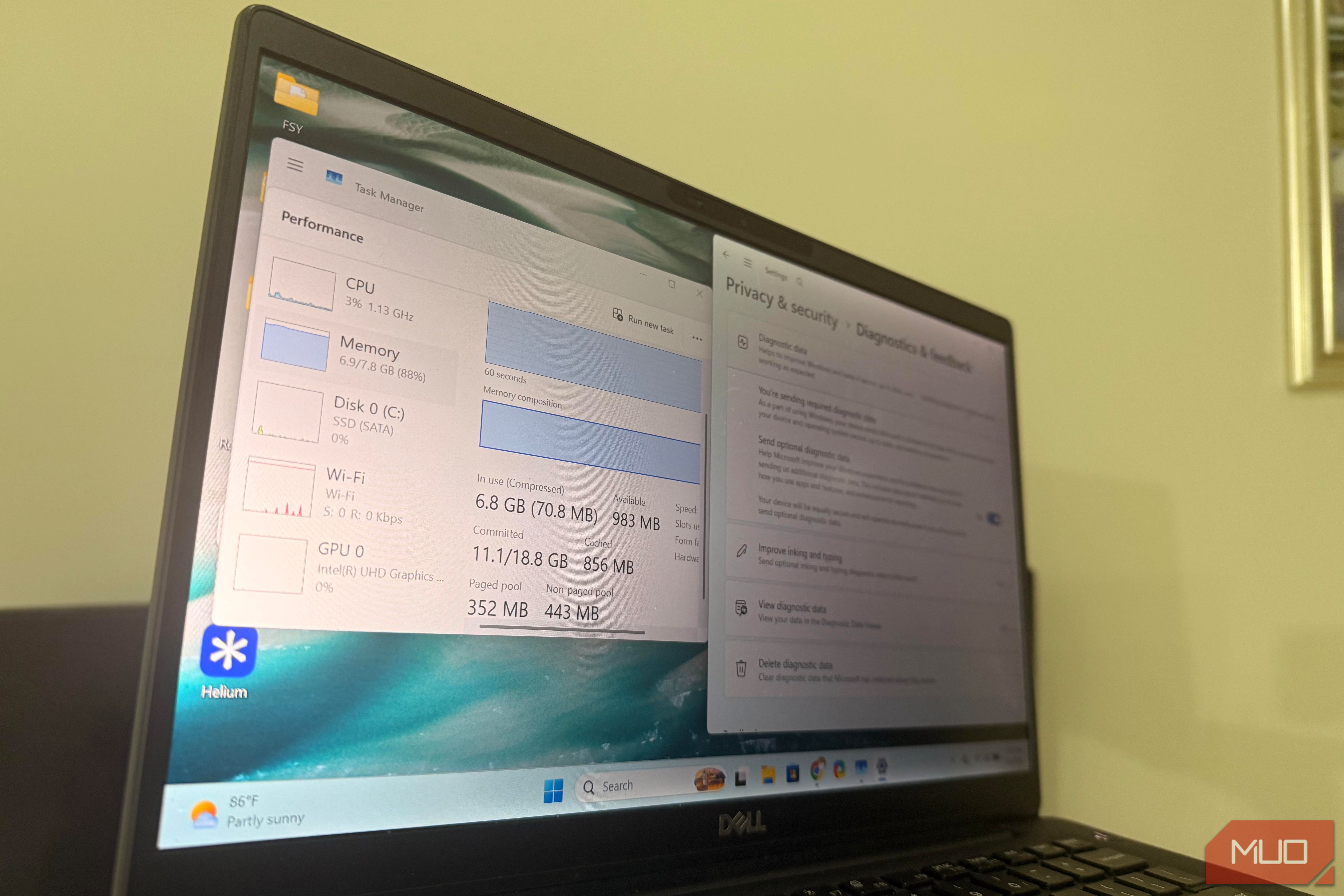
Learn to reclaim nearly 1GB of RAM in minutes by disabling 5 default Windows 11 features, including Widgets, OneDrive, and unnecessary startup apps, for a leaner, faster PC.
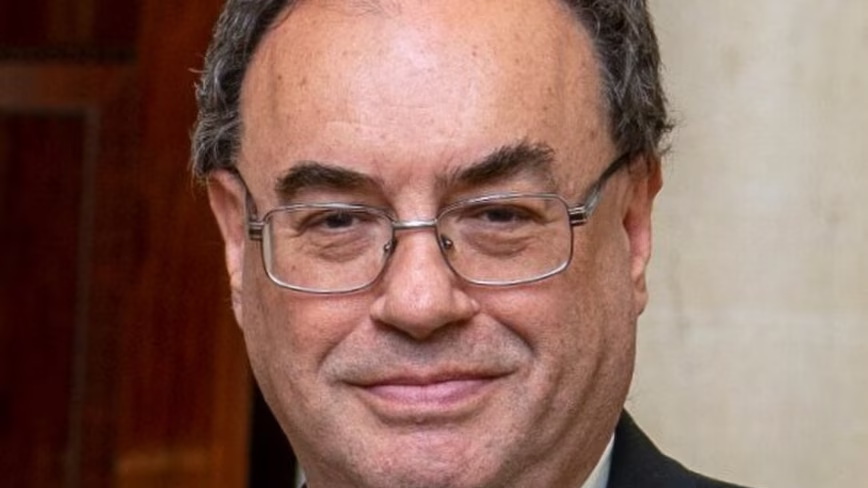
Bank of England Governor Andrew Bailey has warned that artificial intelligence may soon require rationing due to its escalating energy demands outstripping available power supplies. He stated that governments face "very big social choices" in prioritizing AI applications, citing examples like healthcare versus defense. Evidence of grid strain is already emerging in the EU and US, underscoring the urgency of this infrastructural challenge.

Seattle-area startup Innovega, previously known for its augmented reality (AR) contact lens technology, has unveiled Gen One, a new pair of smart glasses designed to significantly enhance sight for the nearly 300

Amidst record-breaking AI investments, a new trend called "together tech" is emerging, focusing on human connection and real-world experiences. Startups like Brynn Putnam's Board and the cyberdeck movement are gaining traction by prioritizing in-person social interaction over purely digital engagement, signaling a compelling counter-narrative in the startup landscape.

TechCrunch's Startup Battlefield is returning to Sydney, Australia, on August 19, 2026, in partnership with Stripe. Ten startups will pitch, with the winner securing automatic entry to TechCrunch Disrupt's Startup Battlefield 200 in San Francisco. This return follows the highly successful 2017 event, which launched companies like HealthMatch and FluroSat (now Regrow Agriculture) to raise over $85 million combined and foster a vibrant Australian tech ecosystem.

Coralogix, a software-monitoring startup, has raised $200 million in Series F funding, bringing its valuation to $1.6 billion. The company is betting on increased demand for tools to monitor and troubleshoot autonomous AI agents as they become critical in enterprise operations.

ZeroDrift, an AI compliance startup, has secured $10 million in seed funding from investors like a16z Speedrun. The company's service acts as a crucial intermediary, detecting compliance violations in AI-generated messages and rewriting them to meet regulatory standards like SOC 2 and GDPR. This rapid, oversubscribed funding round highlights the urgent demand for robust AI governance solutions as businesses scale AI adoption.
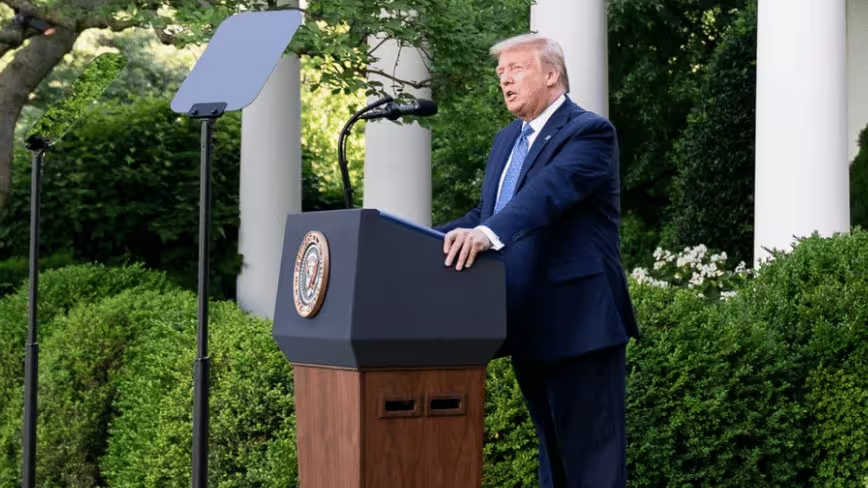
An intense internal power struggle within the Trump administration has stalled US federal AI regulation, leaving a policy vacuum after Anthropic's Mythos model revealed critical cybersecurity risks. Factions within the Commerce Department, intelligence agencies, and pro-industry groups are locked in a "knife fight" over who gets to evaluate and oversee advanced AI systems. This paralysis follows the abrupt cancellation of a landmark executive order and the unexplained withdrawal of AI testing announcements.

Mark Zuckerberg's superyacht arrived in Seattle the same day Meta disclosed nearly 1,400 local layoffs, signaling a complex period for the tech giant. Meanwhile, robot pizza startup Picnic shut down, and corporate America grapples with the rising costs of AI, including practices like "tokenmaxxing" that inflate expenses. These events highlight a tech industry facing both opulence and economic realities.

Cognition, the AI coding agent startup behind Devin, secured $1 billion at a $26 billion valuation this week. Despite this, CEO Scott Wu insists AI agents shouldn't replace humans, aiming for augmentation to free programmers from tedious tasks. Wu envisions Devin as a "buddy" that enhances creativity, even as it handles 89% of Cognition's internal code.

Meta is projected to surpass Google as the world's largest digital advertising company by the end of 2026, with Emarketer forecasting Meta's global net ad revenues to reach $243.46 billion. This historic shift is driven by Meta's AI-powered Advantage+ ad suite and the expansion of new ad surfaces across WhatsApp and Threads, significantly outpacing Google's ad growth.
AI startups in the Bay Area are investing heavily in high-production hype videos for social media, exemplified by Daydream Lab's $80,000 *Alice in Wonderland* themed ad for its $15 million funding round. This trend, fueled by venture capital and intense competition, aims to attract attention and recruit talent, with companies consciously choosing traditional video production to maintain professionalism.
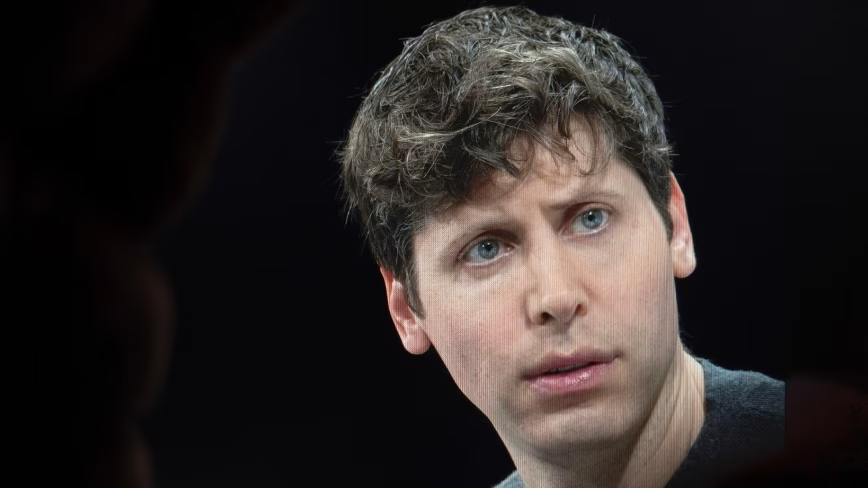
OpenAI CEO Sam Altman now states that a widespread AI-driven jobs apocalypse is improbable, a softer stance than his previous warnings. He predicts significant churn within sectors and specific job displacements, but not an economy-wide collapse, a view supported by initial labor market data.

In a significant career pivot, Hadi Partovi, the visionary founder who recently stepped down as CEO of Code.org, has announced his new role as Chief Executive Officer of Payam Music. The Bothell, Washington-based piano
