184 results found
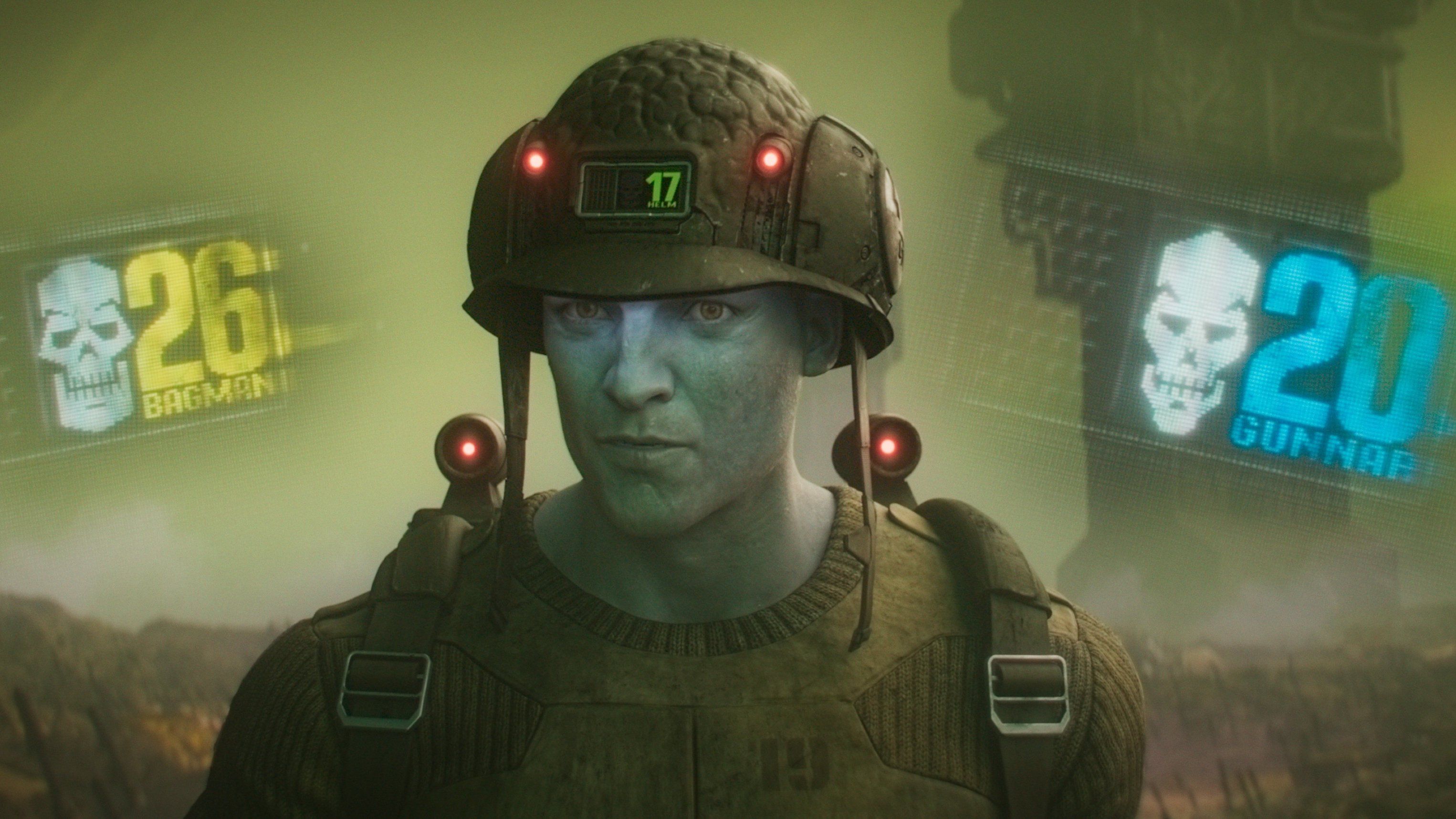
Duncan Jones, director of *Moon* and *Warcraft*, is tackling an animated adaptation of 2000 AD's *Rogue Trooper*. Learning from his *Warcraft* experience, Jones is focused on creating a raw, standalone success, hoping to open doors for more 2000 AD films.

AI is set to revolutionize Infrastructure as Code (IaC) by automating code generation and deployment, shifting the developer role from direct authors to architects and validators. While this promises increased agility, it highlights critical needs for robust guardrails and policy-as-code. Deep systems knowledge remains crucial for human oversight, validation, and complex problem-solving in this evolving landscape.
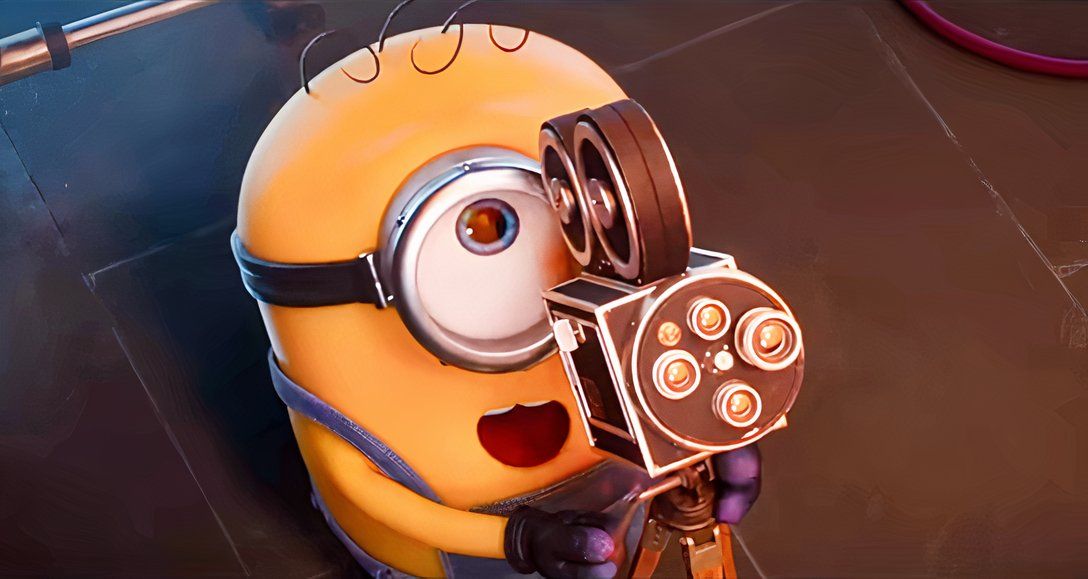
Pierre Coffin, the creative force behind the Minions, initially walked away from directing the films after *Despicable Me 3*. He reveals that a compelling monster movie pitch from Illumination CEO Chris Meledandri, set in 1920s Hollywood, was the "magic" that lured him back to direct *Minions & Monsters*. The film promises classic silent film spoofs and a fresh take on the yellow crew's antics.

Dbrand's much-anticipated *Portal*-themed Companion Cube external shell for the Steam Machine has been canceled after Valve issued a legal takedown notice. All manufactured units will be destroyed, a rare admission of error for the typically defiant brand. The Verge captured exclusive photos before its destruction.
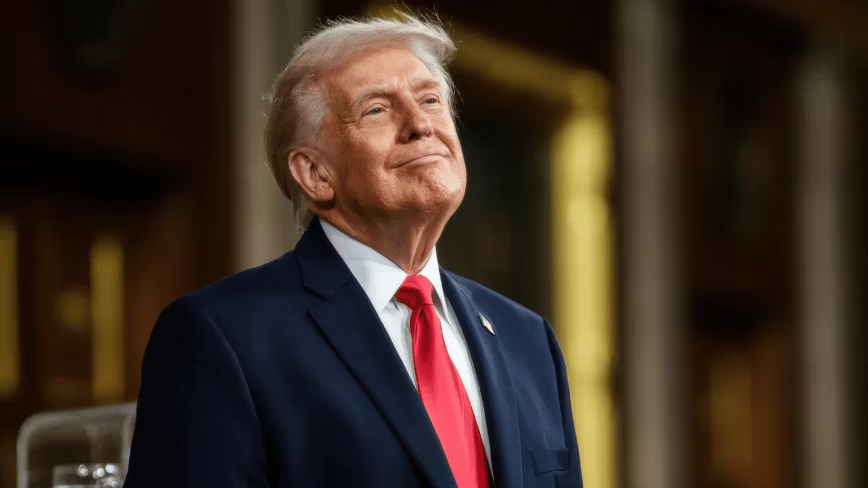
Former President Donald Trump has threatened a 100% tariff on any country taxing US tech firms with digital services taxes, just a day after the EU ratified a trade deal. Brussels defiantly stated taxation is its sovereign right and will not back down. This sets up a major international standoff over digital taxation, challenging Europe's years-long efforts to regulate tech giants and impacting future trade relations.

Ford has rehired 350 veteran engineers, including some former employees, after its AI and automated quality control systems failed to deliver desired product quality. Executives admitted that relying solely on AI was a "mistake," prompting a shift back to human expertise to identify flaws and train younger staff. This strategic pivot has already resulted in substantial cost savings from reduced warranty claims and helped Ford achieve a top ranking in initial quality surveys.
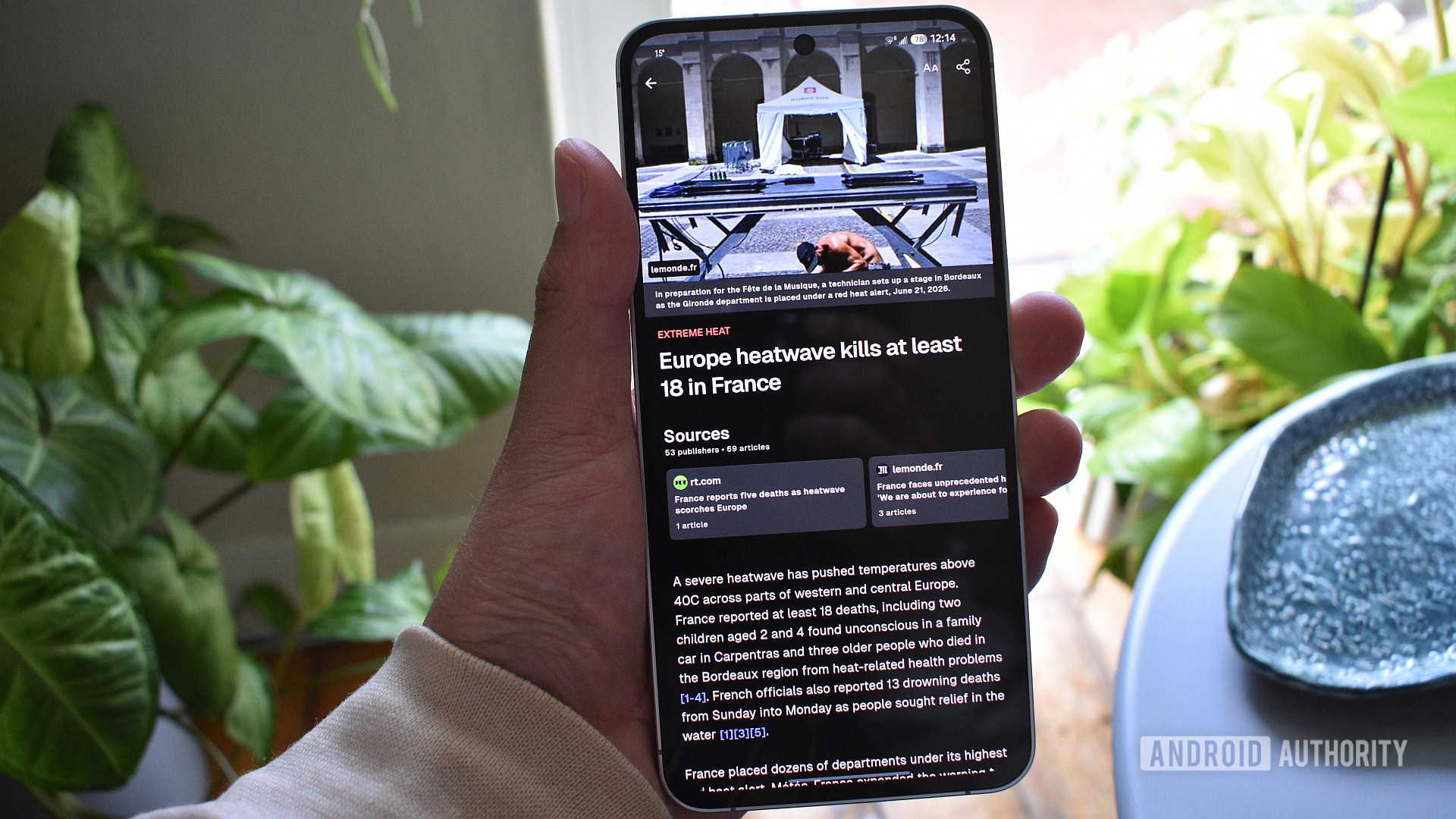
Kagi News presents itself as a compelling alternative to Google News, offering a distinct approach to how we consume daily information. After spending some time with it, it's clear Kagi prioritizes detail, context, and

The Trump administration has lifted its ban on Anthropic's powerful Mythos 5 AI, allowing over 100 U.S. government agencies and companies, including non-American staff, to use it. This decision, two weeks after both Mythos 5 and Fable 5 were pulled, comes with "appropriate safeguards," though Fable 5 remains restricted.

Anthropic's advanced AI model, Mythos 5, is partially reinstated for select cybersecurity and infrastructure providers after two weeks of negotiations with the Trump administration. The public-facing Fable 5 remains restricted. This limited return is an exception to an export control directive, similar to a deal granted to OpenAI's GPT-5.6, highlighting evolving US AI regulation.

Rockstar Games' Grand Theft Auto 6 is one of the most anticipated video game releases of the decade, promising a return to an iconic setting with fresh protagonists and an expansive world. After years of speculation and
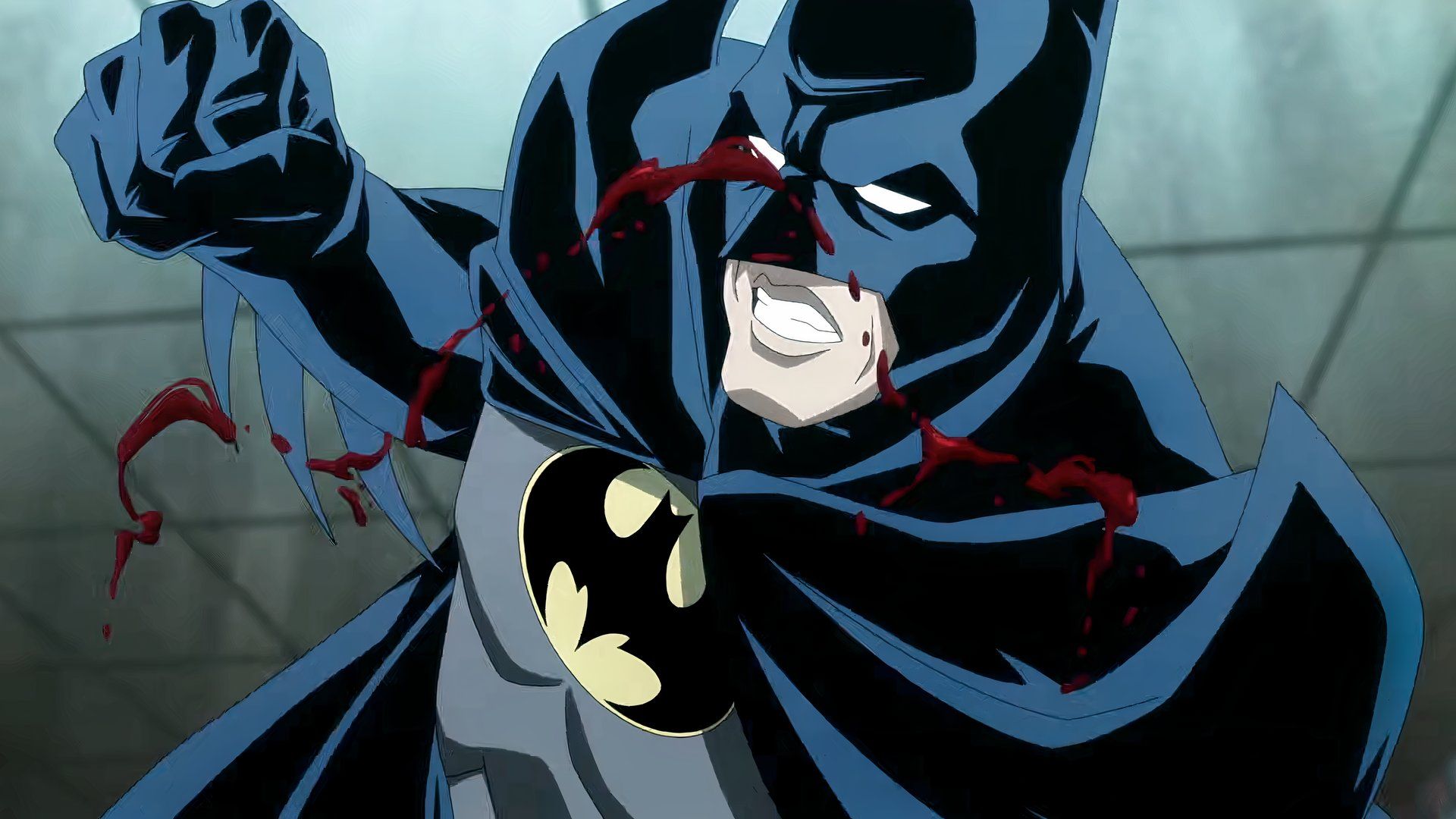
Holy cinematic reveal, Batman! After what feels like an eternity of whispers and theories, DC and Warner Bros. Animation have finally pulled back the cowl on the first trailer for Batman: Knightfall Part 1: Knightfall.
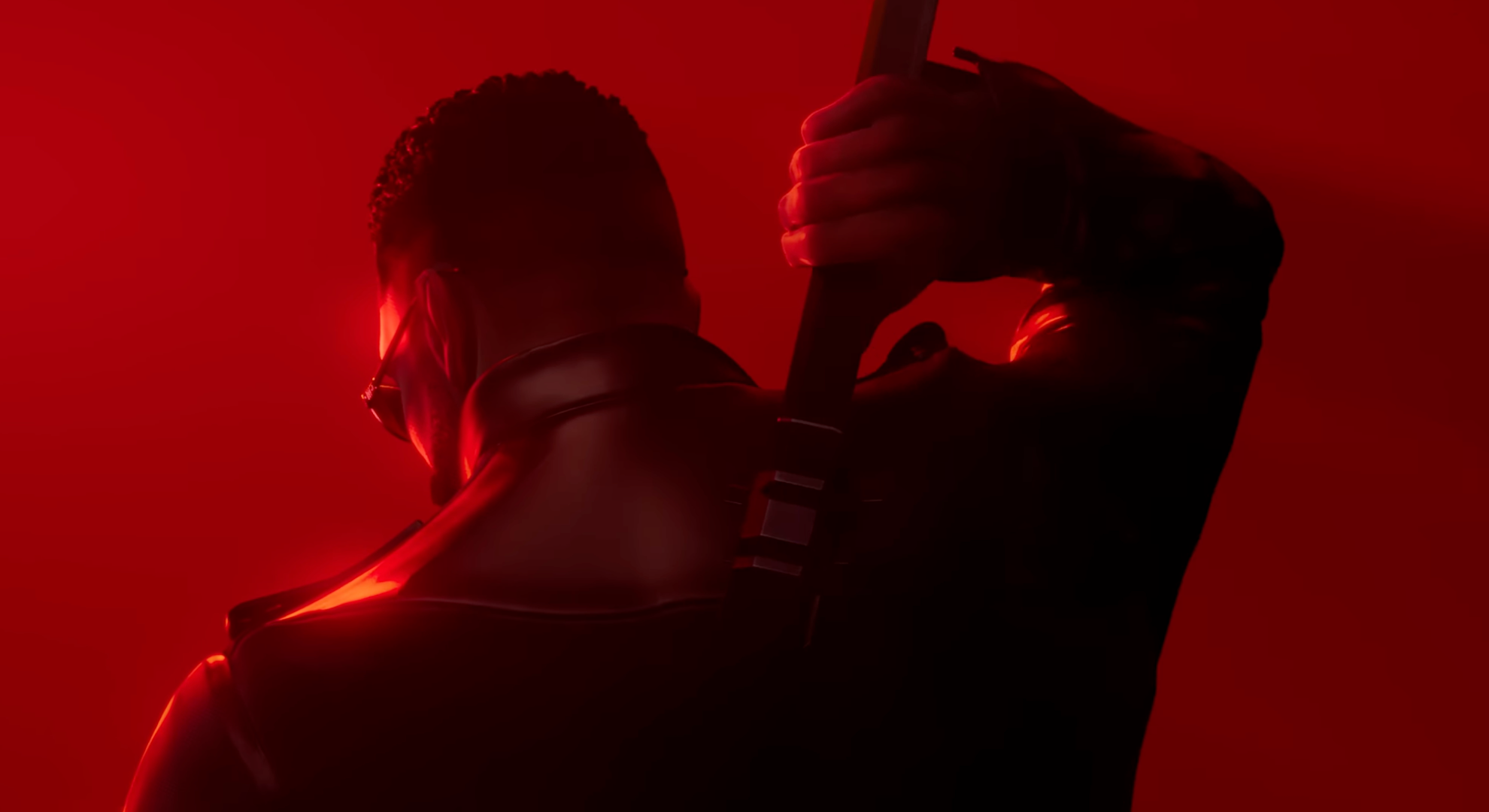
After nearly three years of silence since its Game Awards 2023 reveal, fears of Arkane's Marvel's Blade being canceled have been put to rest. Bethesda's Todd Howard confirmed the game is "still alive" and Arkane is "doing a really, really great job," offering a glimmer of hope amidst industry uncertainty.

CD Projekt joint CEO Michał Nowakowski admits the studio's reputation hasn't fully healed after *Cyberpunk 2077*'s troubled launch, acknowledging that some players' faith is indefinitely lost. Despite the game's impressive turnaround and 35 million sales, the initial catastrophe still casts a shadow. Nowakowski hopes future titles like *The Witcher 4* will fully win back the community.

A *Wall Street Journal* investigation reveals Polymarket allegedly paid creators to post over 1,100 fake social media videos depicting false betting wins. These videos deceptively showed $900,000 in winnings on bets that would have lost $166,000, without disclosing they were paid promotions. Many clips and related fake sites were removed after the inquiry.

Amazon MGM Studios has unexpectedly dropped its nearly finished film "Artificial," a dramatic comedy about OpenAI CEO Sam Altman, just four months after Amazon invested $50 billion in OpenAI. The film, which reportedly portrays Altman and Elon Musk unfavorably, is now being shopped to other studios. The move raises questions about the influence of Amazon's massive financial and strategic partnership with OpenAI on its content decisions.
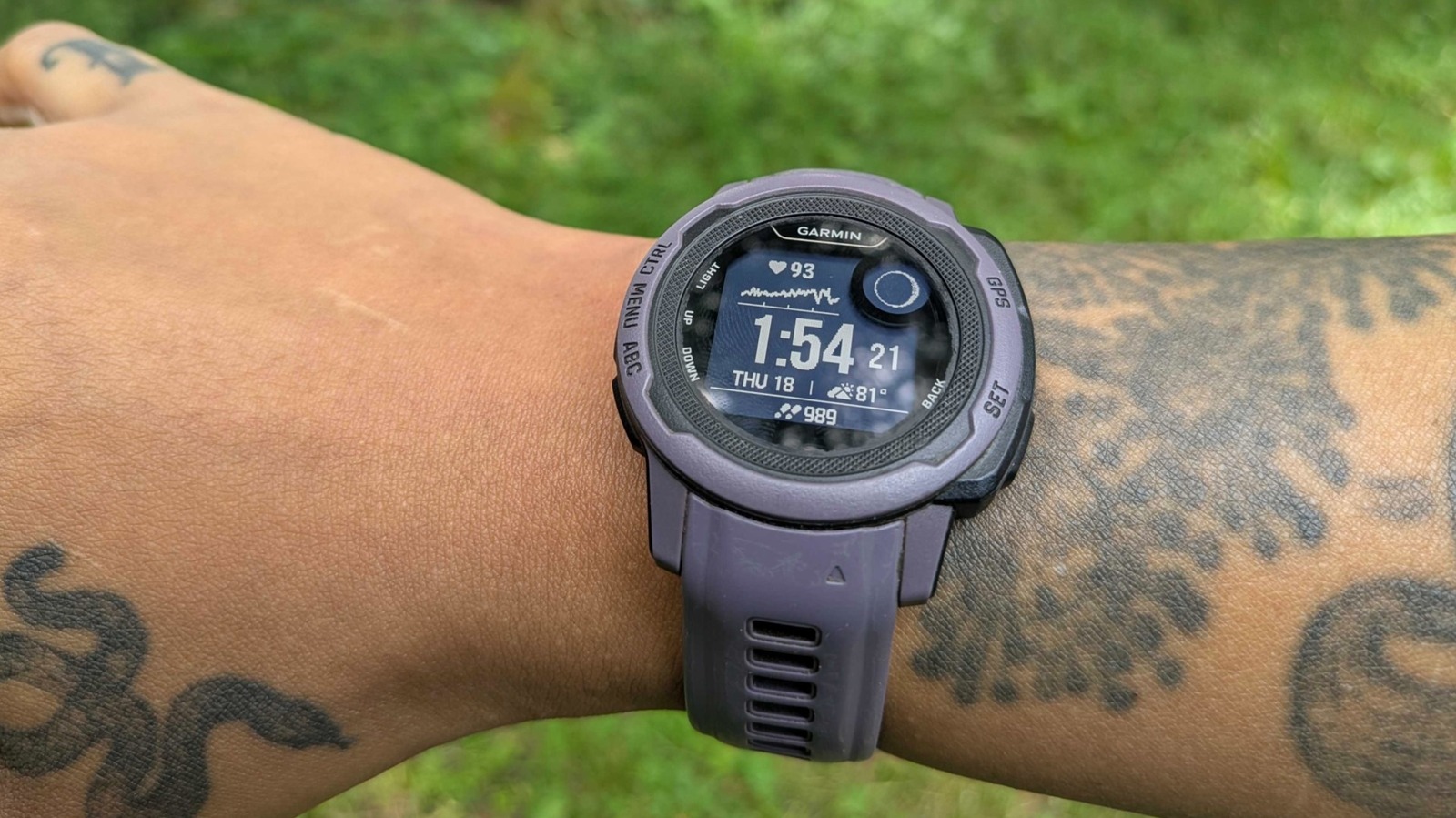
The last thing anyone wants after investing in a new wearable is to discover it's fundamentally incompatible with their own body. For individuals with tattoos, particularly on their wrists, this has been a recurring and
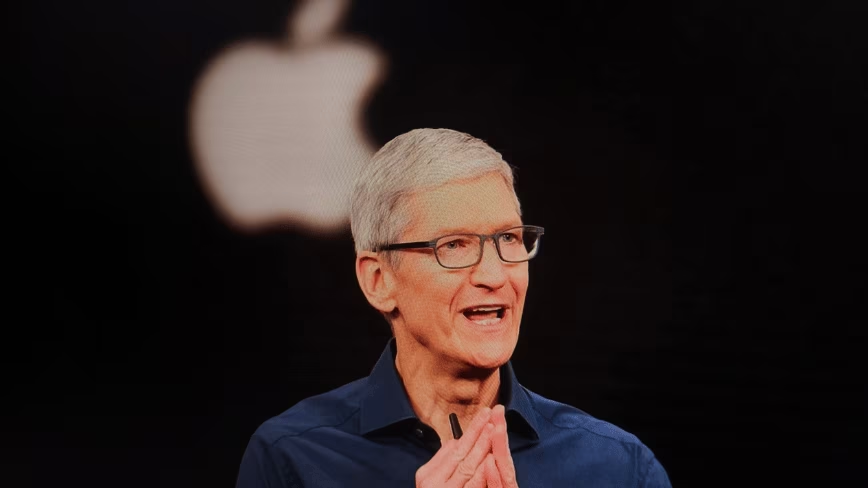
Apple investors are losing patience with the tech giant's artificial intelligence strategy, especially after a largely disappointing Worldwide Developers Conference (WWDC). The company's stock is significantly

Quick Verdict: Samsung Health's Major Overhaul Samsung Health, a cornerstone for Galaxy device users tracking their well-being, has finally rolled out its highly anticipated overhaul. After a slight delay from the

Just days after announcing Ninja Theory's new game, *Senua*, at the Xbox Games Showcase, reports surfaced that Microsoft was planning to shut down or spin off the studio. This bewildering turn of events stems from Xbox's recent financial "reset" and has left fans questioning the future of Ninja Theory and its highly anticipated next title, currently slated for TBA 2027.
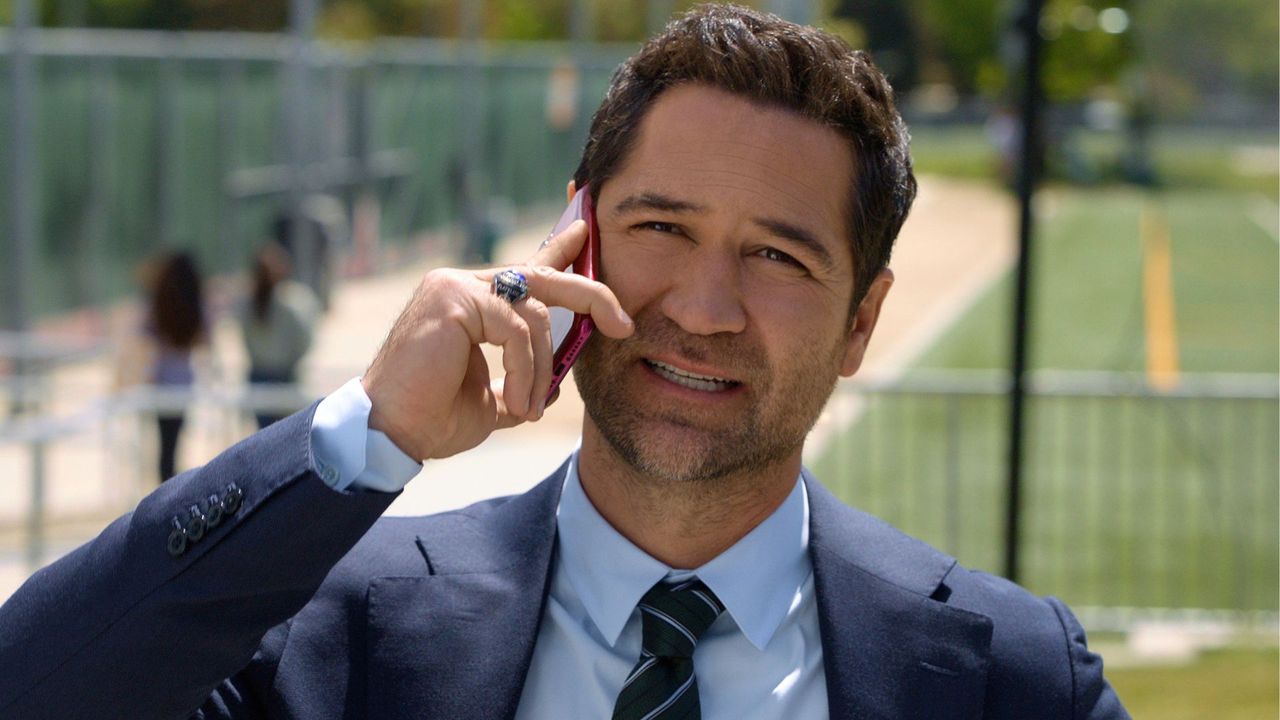
The Lincoln Lawyer Cancellation: Not So Bad After All Verdict: While Netflix's decision to end The Lincoln Lawyer with its fifth season might initially sound like another disappointing cancellation, the situation is
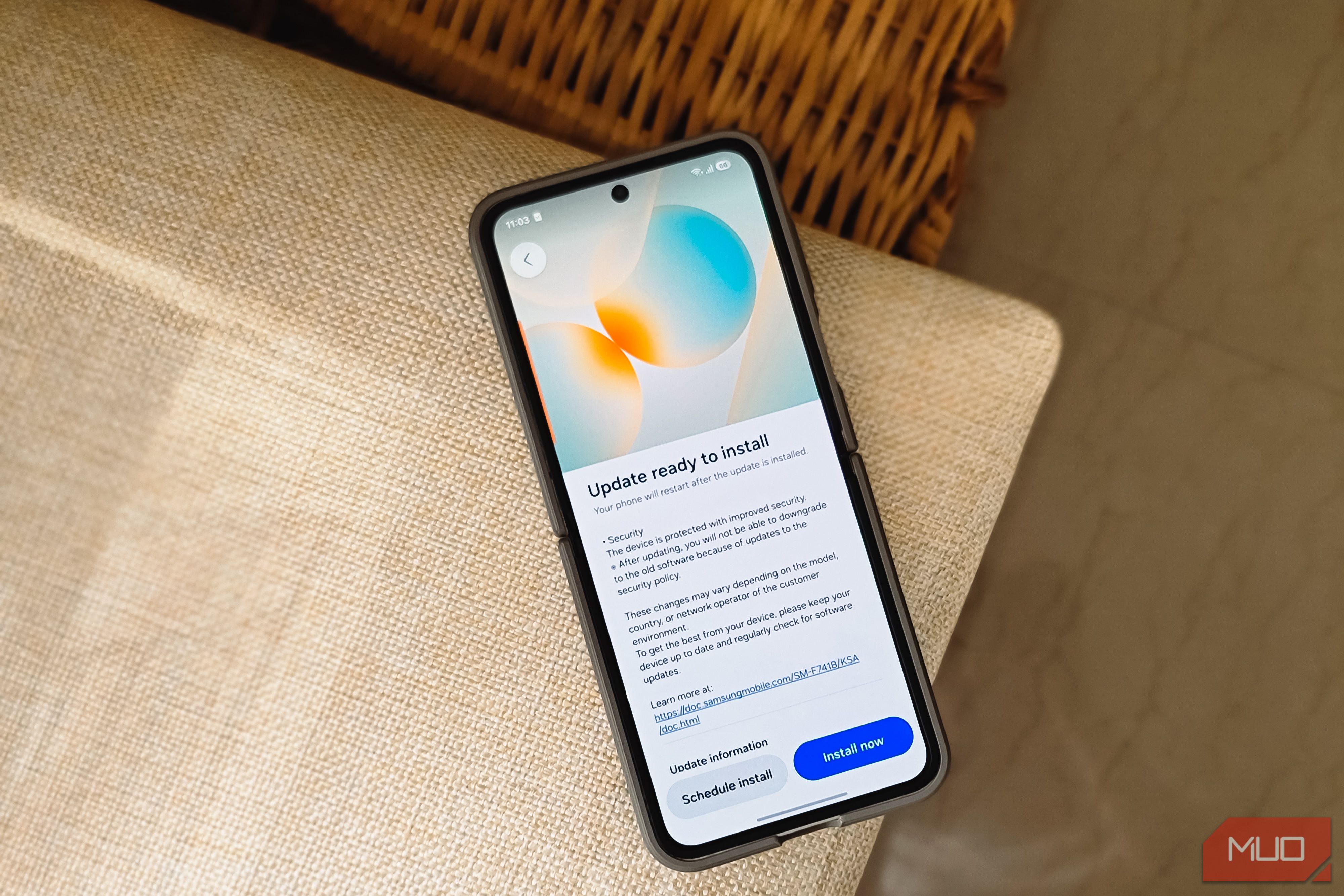
Learn to personalize your Samsung Galaxy after updating to One UI 8.5 by changing 5 key settings for improved control, privacy, and user experience.

A pristine, sealed copy of Super Mario Bros. for the NES just sold for a record-breaking $3 million at Heritage Auctions, making it the most expensive video game ever. Discovered untouched inside a brand-new console bundle after nearly 40 years, this PSA 9.6 A++ graded artifact is hailed as the "holy grail" of video game collecting, shattering previous records.
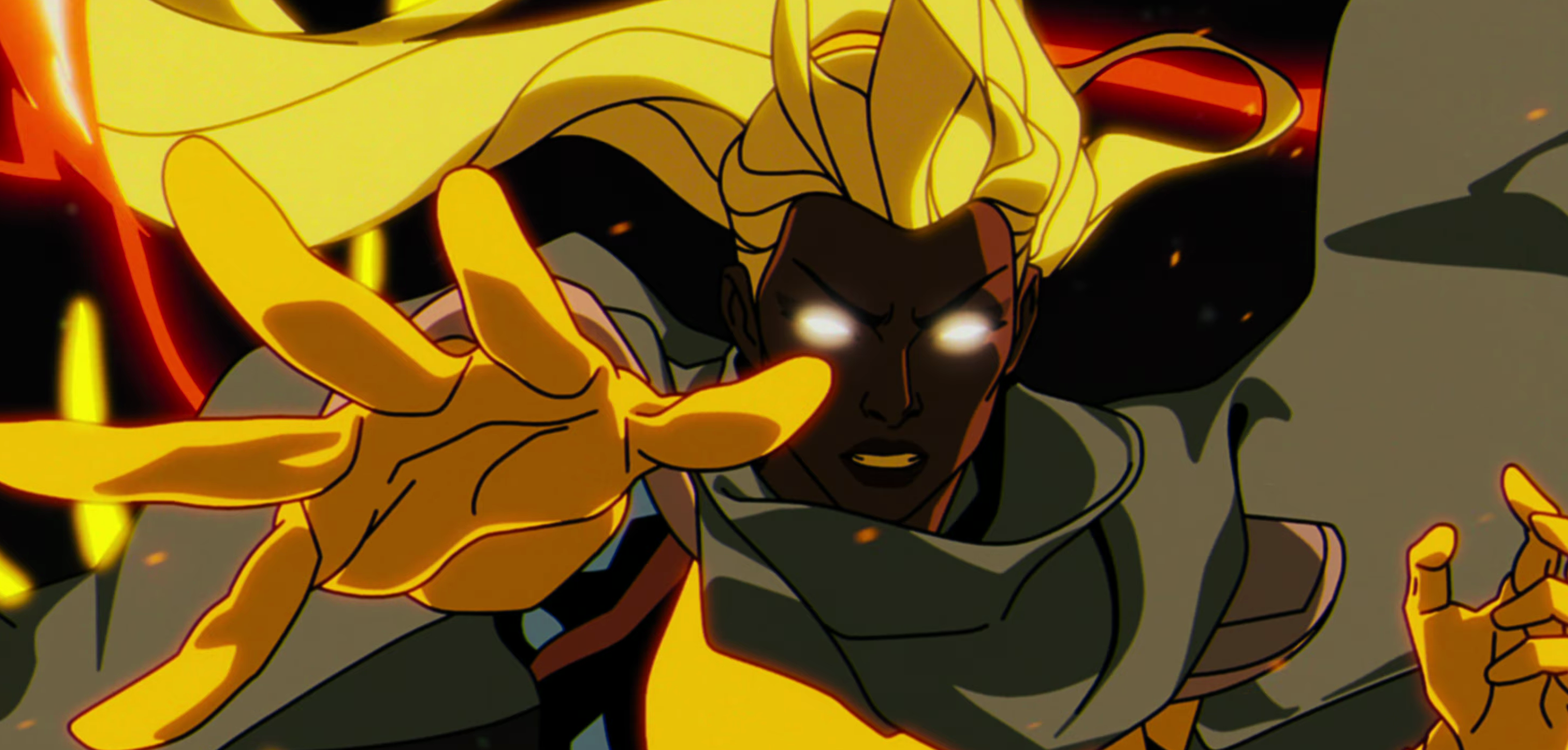
Get ready, True Believers! X-Men '97 Season 2 is just around the corner on Disney Plus, picking up after a truly wild cliffhanger. We're diving deep into everything you need to remember from the first season, from Genosha's tragedy to mutants scattered across time, ensuring you're primed for the next epic chapter.

KPMG has pulled its report, "Redefining excellence in the age of agentic AI," after organizations cited within it denied the accuracy of its claims regarding their AI usage. Inaccuracies were attributed to AI hallucinations, implying KPMG used AI to write the report about AI. This follows a similar incident last month with EY.
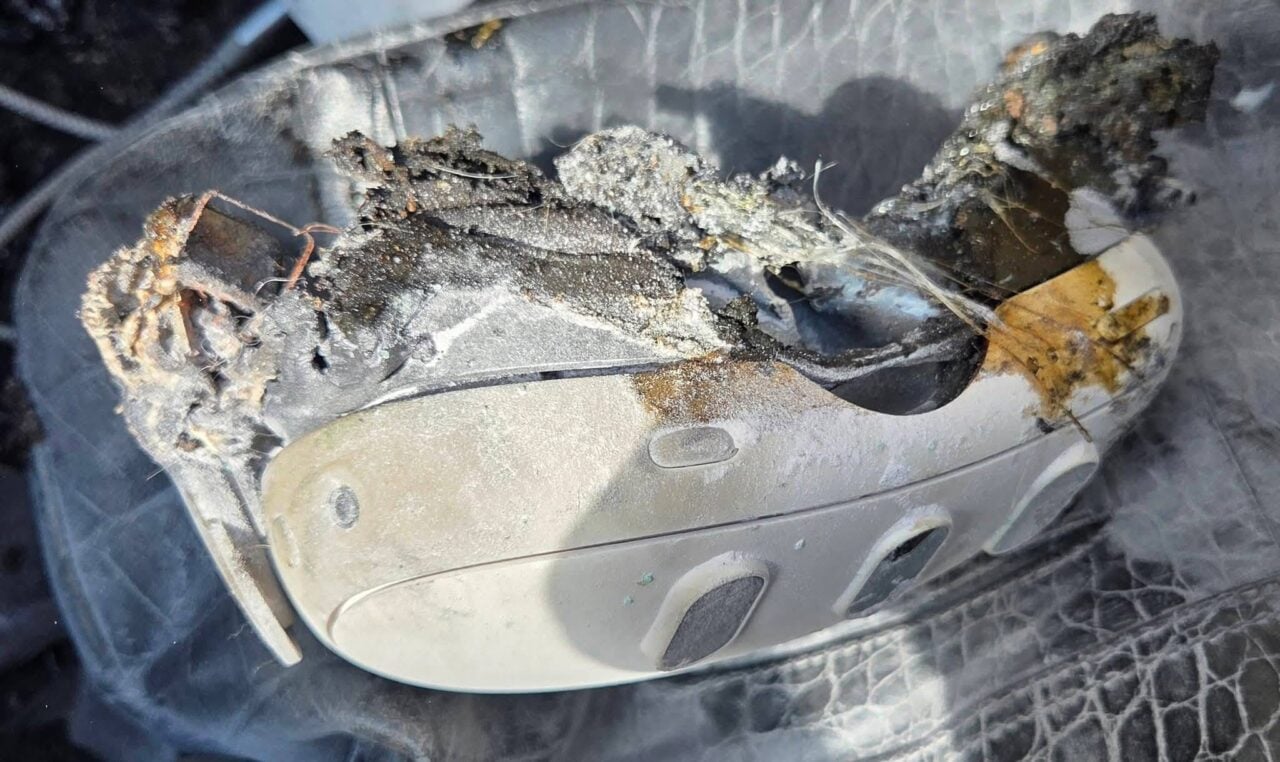
A Meta Quest 3 external battery explosion in a Maine home caused a small fire, with security footage capturing the aftermath including panicked dogs and flaming debris. Thankfully, no one was directly injured, but the incident highlights the inherent dangers of rechargeable batteries in consumer electronics. The Frankfort fire department is investigating and warns VR owners.
