
Donut Lab's Solid-State Battery Barely Held Charge After Damage
Donut Lab's solid-state battery endured damage testing, failing to ignite but losing 55% of its charge capacity and experiencing a 17% thickness increase. The company highlights its "graceful failure" safety, yet independent verification for key claims like 100,000 cycles and 400 Wh/kg energy density remains absent.

Donut Lab’s much-anticipated solid-state battery, a technology heralded for its potential safety advantages, recently endured independent damage testing that revealed a dramatic reduction in its charge-holding capabilities. While the battery notably failed to ignite or experience thermal runaway – a critical differentiator from conventional lithium-ion cells – its energy capacity was slashed by over half. These significant findings, reported by Finland’s state-owned VTT Technical Research Centre on March 23, 2026, offer a mixed picture of the advanced battery's real-world resilience.
Independent Damage Testing Reveals Mixed Results
This latest independent assessment is part of Donut Lab's ongoing effort to substantiate its ambitious claims for solid-state technology, following previous examinations concerning charge speed, extreme heat resistance, and its distinction from supercapacitors. The current damage test was precipitated by an earlier extreme heat evaluation, during which the battery’s protective pouch compromised its crucial vacuum seal. Researchers at VTT capitalized on this existing damage to simulate a high-stress scenario, aiming to ascertain whether the solid-state cell could avert the catastrophic fires and thermal runaway often observed in damaged lithium-ion counterparts.
The testing protocol involved a three-phase regimen: an initial baseline of five cycles at 1C (26 amps), followed by an intensive 50-cycle high-stress test at 5C (130 amps), and concluding with a final five-cycle baseline at 1C to precisely measure degradation. The results painted a clear, albeit concerning, picture of performance under duress. The battery’s energy capacity plummeted from an initial 24.7 amp-hours to a mere 11.2 Ah, signifying a severe 55 percent loss. Simultaneously, its efficiency deteriorated from 89.6 percent to 83 percent, indicating a substantial drop in operational effectiveness. Adding to the visible impact, the physical battery pack exhibited a noticeable expansion, increasing its thickness by 17 percent due to the sustained damage and compromised seal.
Donut Lab Highlights Safety Amid Performance Decline
Despite the marked decline in performance, Donut Lab framed the outcome as a testament to the inherent safety of its design. The company declared on its IDonutBelieve.com site that there were "no temperature spikes, no fire risk," and that the battery "fails gracefully when damaged, continuing to operate safely at reduced capacity rather than posing danger to the user." This emphasizes a core advantage of solid-state batteries: their non-flammable solid electrolyte is designed to prevent the volatile reactions that can lead to fires in conventional liquid electrolyte batteries. This safety aspect remains a compelling argument for the technology's future, even if immediate performance after damage is severely impacted.
Unverified Claims Cast Shadow on Broader Vision
However, the integrity of Donut Lab’s broader vision continues to face scrutiny due to several unverified, significant claims. While the damage test offered a glimpse into cycle performance, it was conducted under highly compromised conditions, making it an imperfect proxy for standard longevity testing. The startup has yet to provide independent verification for its extraordinary claim of 100,000 charge cycles – a lifespan that would equate to roughly 270 years, dwarfing the 1,000-2,000 cycles typically expected from the best contemporary EV batteries before degradation sets in. Equally important, and surprisingly still pending, is independent validation of its claimed energy density of 400 watt-hours per kilogram. This figure is a crucial metric for performance, and its verification, described by industry observers as a "simple enough test," remains conspicuously absent from Donut Lab's public record of independent evaluations. The lack of these fundamental verifications continues to fuel a healthy skepticism among industry experts and the broader tech community.
The Road Ahead for Solid-State Batteries
The quest for a safer, higher-performing battery is pivotal for the future of electric vehicles and portable electronics. Donut Lab's latest test highlights both the promising safety profile of its solid-state technology and the significant challenges that remain in achieving practical robustness under adverse conditions. As this evolving story unfolds, The Verge will continue to monitor Donut Lab's progress and report on further independent analyses and expert insights.
FAQ
Q: What was the primary takeaway from Donut Lab's latest battery test?
A: The key takeaway is that Donut Lab's solid-state battery, when damaged, did not ignite or experience thermal runaway, showcasing a significant safety advantage. However, it suffered a severe loss of charge capacity and efficiency.
Q: How did the battery's performance change after sustaining damage?
A: After damage, the battery's energy capacity dropped by 55 percent (from 24.7 Ah to 11.2 Ah), its efficiency decreased from 89.6 percent to 83 percent, and its physical thickness increased by 17 percent.
Q: What claims has Donut Lab made that still lack independent verification?
A: Donut Lab has yet to provide independent verification for its claims of 100,000 charge cycles and an energy density of 400 watt-hours per kilogram.
Related articles

Apple Unveils iPhone Duo: Pricey Foldable Sees Soaring Demand
Apple has officially entered the foldable smartphone arena with the long-anticipated launch of the iPhone Duo. Priced starting at a hefty $1,999, the device features a 5.4-inch outer display and a larger 7.6-inch inner

in-depth: Chicago-Area Cops Helped HSI Spy on Minnesota Anti-ICE
Chicago-area law enforcement, including local police and HSI agents, conducted undercover surveillance on Minnesota anti-ICE activists at an April 2, 2022, talk in Chicago. This operation was part of a federal conspiracy probe into 15 Minnesota activists facing felony charges related to immigration enforcement resistance. Civil liberties advocates have condemned the surveillance as a troubling intrusion into protected political activity.

Mark Wahlberg on using AI in film ‘the right way’ and being open to
Actor Mark Wahlberg believes AI has a place in filmmaking if used responsibly for enhancement, not script generation or actor replacement. At TechCrunch Disrupt, he expressed openness to an AI likeness carrying on his legacy, managed by his family, and emphasized storytelling.
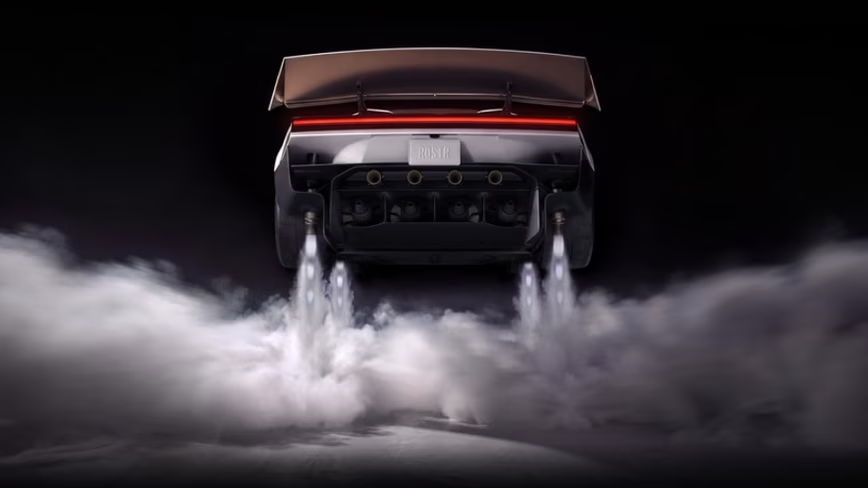
Tesla Unveils Thruster-Equipped Roadster, 2028 Production Targeted
Tesla has unveiled its second-generation Roadster, featuring cold-gas thrusters co-developed with SpaceX, enabling it to jump and flip. The electric sports car demonstrated 0-60mph in an astonishing 0.81 seconds, with production targeted for 2028. This highly anticipated reveal also serves as a key recruitment tool for Tesla's ambitious AI and robotics initiatives.
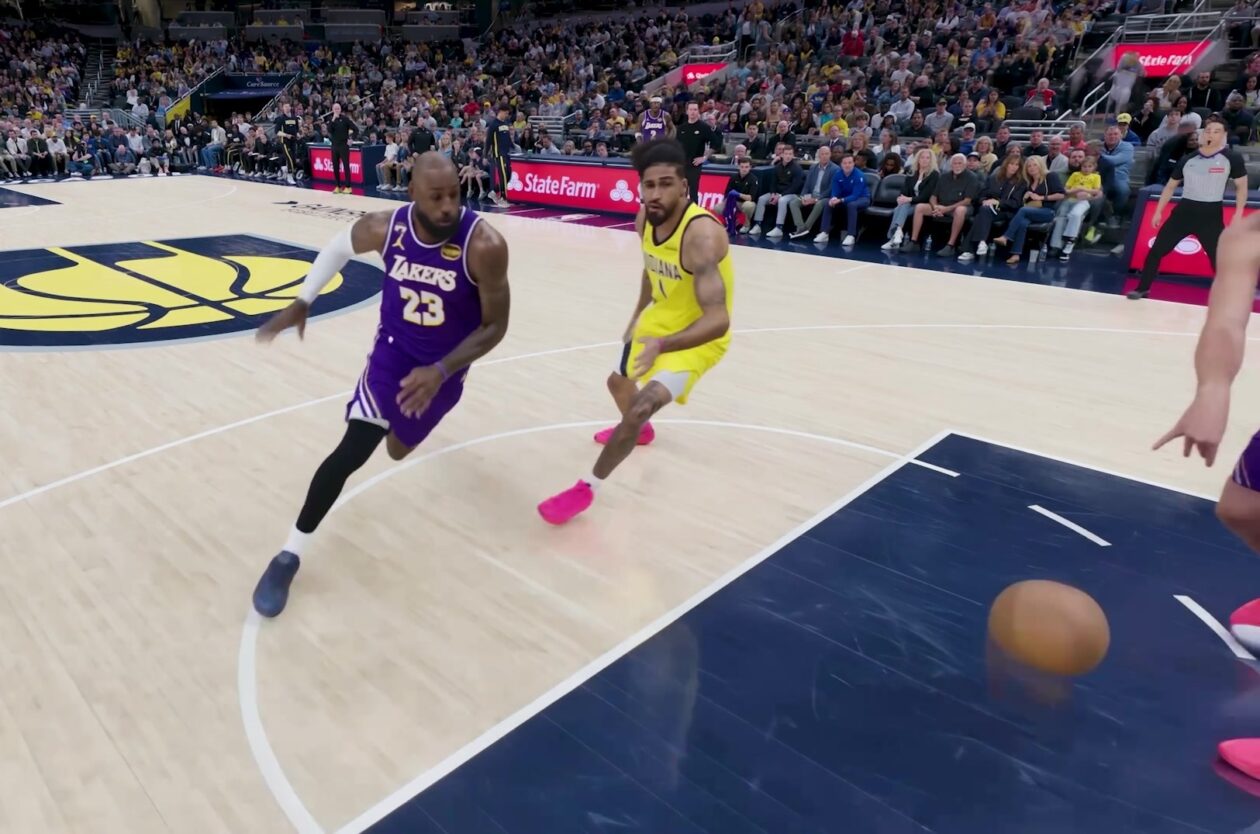
Amazon Prime Video Launches AI-Powered Prime 360 for NBA Coverage
Amazon Prime Video is elevating its NBA coverage with the introduction of Prime 360, an AI-powered replay system offering immersive, 'fly through' views of the action. Kicking off its second season, Prime Video also adds Yahoo fantasy integration and gains exclusive Eastern Conference Finals rights, expanding its tech-driven sports broadcast. The new features aim to deliver a unique and interactive viewing experience for basketball fans.
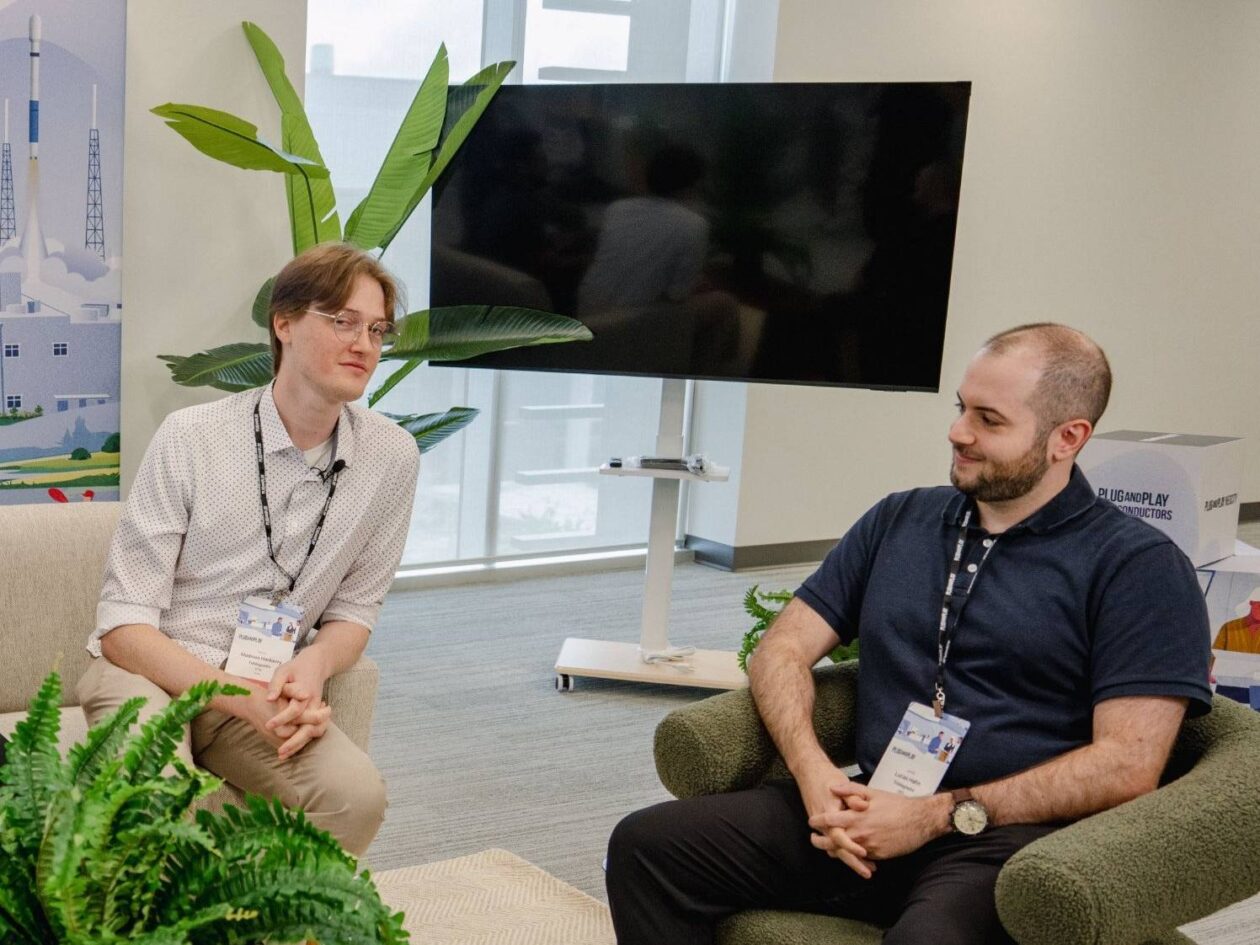
regional: A two-person Seattle startup lands $1M to reinvent
Seattle startup TriMagnetix has secured $1 million to develop semiconductor chips that consume 800 times less energy and are radiation-resistant. The two-person company, leveraging nanomagnetic technology, is targeting space applications and data centers. With new funding and key partnerships, TriMagnetix aims for commercial sales within a year.