
analysis: How Trump Drove a Wedge Between Florida Republicans Over
Florida's ambitious A.I. regulation bill, championed by Gov. Ron DeSantis, failed to pass after President Trump's administration made it clear it opposed state-level restrictions. This legislative defeat highlights a growing divide within the national Republican Party, as Trump champions an unfettered approach to A.I. development, while some Republicans express concerns about its societal impacts.
Trump's Stance on A.I. Halts Florida Regulation Bill, Exposing GOP Divide
Tallahassee, FL – A comprehensive bill designed to regulate artificial intelligence in Florida, a signature initiative of Governor Ron DeSantis, has failed to pass the state legislature. The legislation, known as an A.I. Bill of Rights, did not gain traction in the Republican-controlled House of Representatives after President Donald Trump's administration signaled strong opposition to state-level A.I. regulations.
The bill's demise, coming as the annual legislative session concluded on Friday, March 14, 2026, underscores a significant and growing ideological chasm within the Republican Party regarding the future of artificial intelligence. While some, like DeSantis, advocate for guardrails to address potential harms, President Trump has actively championed an approach that prioritizes innovation and minimizes regulatory burdens.
DeSantis's Vision for A.I. Governance
Governor DeSantis had spent months building support for his A.I. Bill of Rights, envisioning a framework to protect consumers and citizens from the technology's unchecked expansion. Key provisions within the proposed legislation included mandates for companies to disclose when A.I. chatbots were used in interactions with consumers, ensuring transparency.
The bill also sought to prohibit the use of A.I. in sensitive areas such as licensed mental health counseling, reflecting broader concerns about the technology's ethical implications and potential for misuse. DeSantis's push aligned with a segment of the Republican Party wary of A.I.'s impact on employment and energy consumption.
Trump's Pro-A.I. Stance Derails State Efforts
Despite the Governor's efforts, the Florida House Republicans ultimately refused to advance the bill. Their reluctance directly stemmed from President Trump's clearly articulated position on artificial intelligence. Trump has consistently positioned himself as a staunch proponent of the A.I. industry, emphasizing the need for minimal regulation to foster growth and maintain American competitiveness on a global scale.
In the preceding months, Trump had underscored his commitment to this vision by signing executive orders aimed at supporting the tech industry and had explicitly cautioned states against enacting their own A.I. regulations. The White House had actively communicated its apprehension about state-level interference in A.I. development to legislators across the country.
Daniel Perez, the Republican speaker of the Florida House, articulated the legislative body's alignment with the federal stance. "The White House’s position on A.I. and the House’s position on A.I. have been pretty clear," Perez told reporters. He added, "We do believe that the federal government should take care of A.I."
A National Republican Rift Over Technology
The failure of Florida's A.I. bill is not an isolated incident but rather a microcosm of a deepening ideological split within the national Republican Party. This divide pits those concerned about the disruptive potential of A.I.—such as job displacement and increased energy demands—against those, like Trump, who advocate for an unfettered environment for technological advancement.
President Trump's vision for A.I. prioritizes a global race for technological dominance, arguing that U.S. companies should have maximum freedom to innovate. This stance appeals to billionaire tech leaders who form a crucial part of the Republican coalition. However, it creates tension with other significant GOP demographics, including social conservatives and economic populists, who are more inclined to worry about the societal harms and economic dislocations that emerging technologies might cause.
This evolving dynamic presents a considerable challenge to the Republican Party's Trump-era coalition. Balancing the interests of tech magnates with the concerns of segments of the electorate apprehensive about rapid technological change will require careful navigation as artificial intelligence continues to integrate into daily life and the economy.
Implications and Future Outlook
The Florida outcome signals that state-level attempts to regulate artificial intelligence are likely to face significant headwinds, especially from a White House committed to a federal-first, pro-innovation approach. This could mean a more fragmented regulatory landscape if states proceed regardless, or a prolonged period of minimal regulation as the federal government deliberates its own comprehensive strategy.
The political implications for the Republican Party are also notable. The A.I. debate could become another fault line, testing the unity of a coalition that already encompasses diverse interests. As A.I. becomes more pervasive, the party will need to reconcile these divergent views to maintain cohesion and present a clear, unified stance to the electorate.
FAQ
Q: What was the primary reason for the Florida A.I. bill's failure?
A: The bill, championed by Governor Ron DeSantis, failed to pass because Republican leaders in the Florida House of Representatives aligned with President Trump's publicly stated position that states should not regulate A.I., preferring federal oversight and a pro-innovation approach.
Q: What specific measures did Florida's proposed A.I. Bill of Rights include?
A: The legislation aimed to force companies to disclose the use of A.I. chatbots when interacting with consumers and would have forbidden the use of A.I. in licensed mental health counseling, among other regulations.
Q: How does this situation reflect a broader divide within the Republican Party?
A: It highlights a national split where some Republicans, like DeSantis, express concerns about A.I.'s potential to displace jobs and increase energy prices, while others, led by President Trump, advocate for minimal regulation to ensure U.S. dominance in the global A.I. race, appealing to tech industry leaders but potentially alienating economic populists.
Related articles

Apple Unveils iPhone Duo: Pricey Foldable Sees Soaring Demand
Apple has officially entered the foldable smartphone arena with the long-anticipated launch of the iPhone Duo. Priced starting at a hefty $1,999, the device features a 5.4-inch outer display and a larger 7.6-inch inner

in-depth: Chicago-Area Cops Helped HSI Spy on Minnesota Anti-ICE
Chicago-area law enforcement, including local police and HSI agents, conducted undercover surveillance on Minnesota anti-ICE activists at an April 2, 2022, talk in Chicago. This operation was part of a federal conspiracy probe into 15 Minnesota activists facing felony charges related to immigration enforcement resistance. Civil liberties advocates have condemned the surveillance as a troubling intrusion into protected political activity.

Mark Wahlberg on using AI in film ‘the right way’ and being open to
Actor Mark Wahlberg believes AI has a place in filmmaking if used responsibly for enhancement, not script generation or actor replacement. At TechCrunch Disrupt, he expressed openness to an AI likeness carrying on his legacy, managed by his family, and emphasized storytelling.

Tesla Unveils Thruster-Equipped Roadster, 2028 Production Targeted
Tesla has unveiled its second-generation Roadster, featuring cold-gas thrusters co-developed with SpaceX, enabling it to jump and flip. The electric sports car demonstrated 0-60mph in an astonishing 0.81 seconds, with production targeted for 2028. This highly anticipated reveal also serves as a key recruitment tool for Tesla's ambitious AI and robotics initiatives.
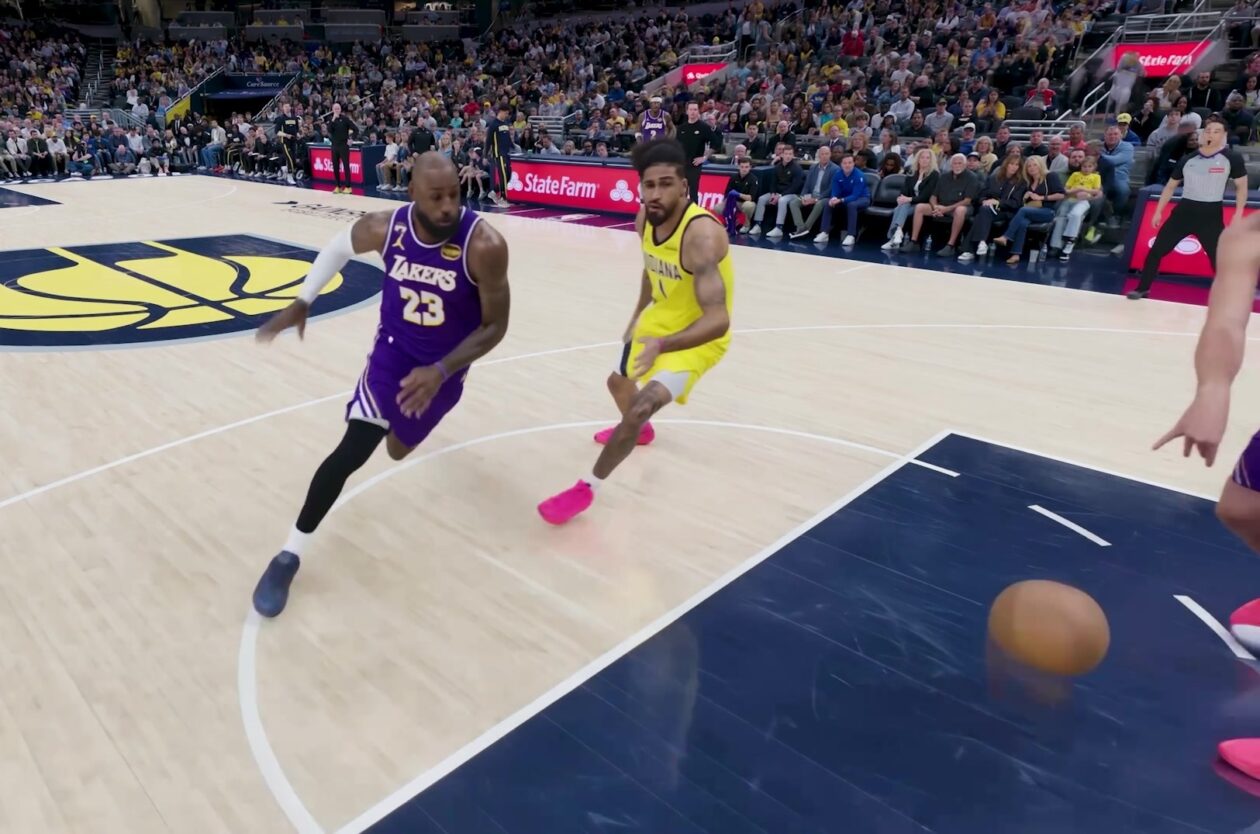
Amazon Prime Video Launches AI-Powered Prime 360 for NBA Coverage
Amazon Prime Video is elevating its NBA coverage with the introduction of Prime 360, an AI-powered replay system offering immersive, 'fly through' views of the action. Kicking off its second season, Prime Video also adds Yahoo fantasy integration and gains exclusive Eastern Conference Finals rights, expanding its tech-driven sports broadcast. The new features aim to deliver a unique and interactive viewing experience for basketball fans.
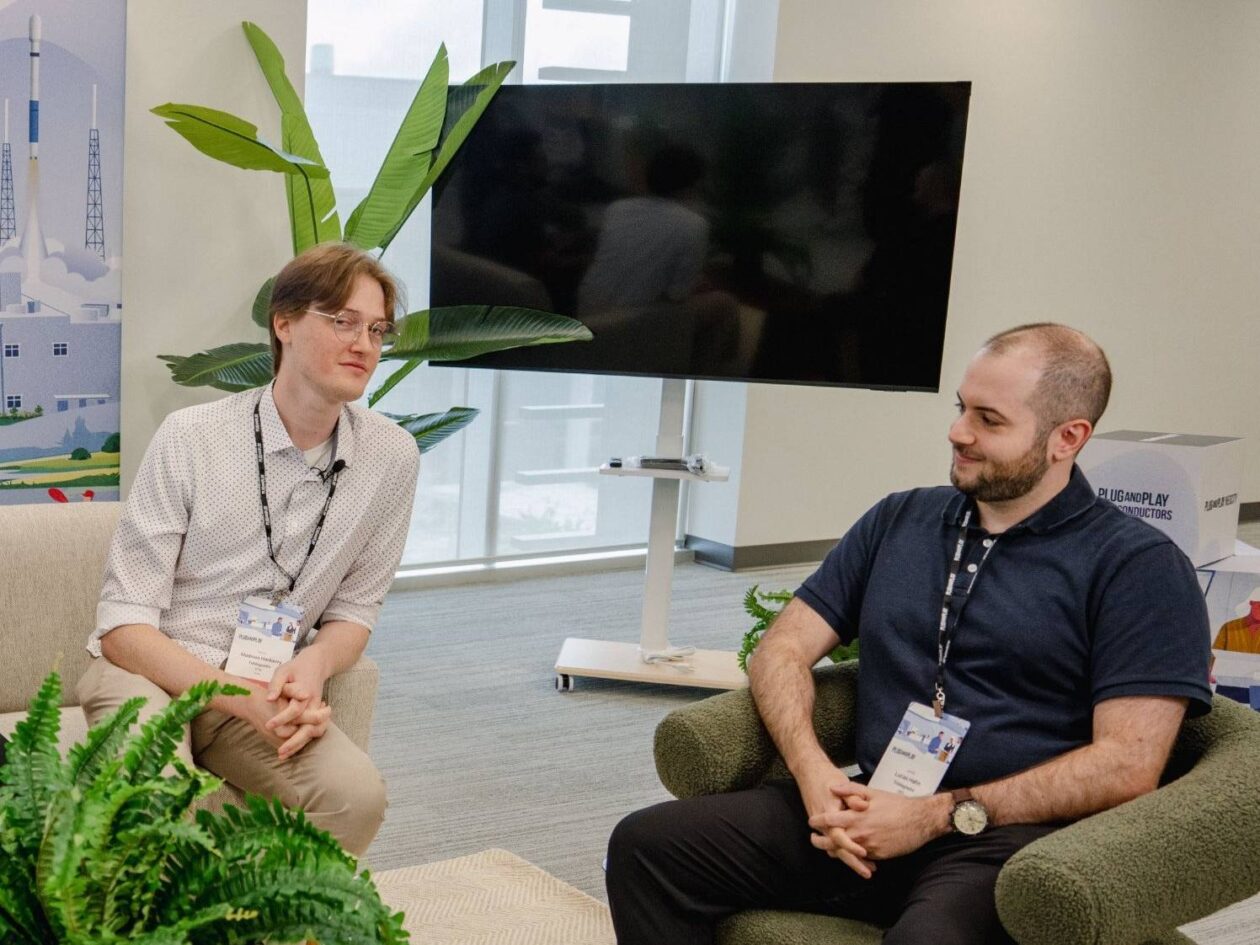
regional: A two-person Seattle startup lands $1M to reinvent
Seattle startup TriMagnetix has secured $1 million to develop semiconductor chips that consume 800 times less energy and are radiation-resistant. The two-person company, leveraging nanomagnetic technology, is targeting space applications and data centers. With new funding and key partnerships, TriMagnetix aims for commercial sales within a year.