
Crimson Desert Dev Says Goodbye to AI Art After Player Backlash
Crimson Desert, a graphically impressive open-world fantasy game, faced backlash after players discovered undisclosed AI-generated art. Developer Pearl Abyss quickly apologized, admitting the art was temporary placeholder content that should have been replaced. They are now auditing all in-game assets and will roll out patches to remove the problematic art, vowing greater transparency moving forward.

Crimson Desert's Visual Flop: Dev Says So Long to AI Art
Alright, gamers, let's talk Crimson Desert. This Korean open-world fantasy epic has been making waves, riding high on a wave of impressive pre-launch buzz and an "incredibly successful launch" for its stunning visuals and high fidelity. Seriously, the graphics are a huge part of its appeal, promising an immersive, breathtaking experience. But just as players were settling into its sprawling landscapes, a glitch in the matrix appeared—not a bug, but something far more concerning for the creative integrity of the game: obvious AI-generated artwork.
Players, ever the diligent detectives, swiftly sniffed out these anomalies, reporting everything from unsettling, smudged faces to outright bizarre anatomy (hello, "sleep paralysis demon" horses) and even some deeply troubling, repeating antisemitic stereotypes in what were supposed to be historical-style paintings scattered throughout the world. It was a jarring discovery in a game otherwise praised for its visual prowess, leading to a swift and understandable outcry from the community.
The Smudge Heard 'Round the World
So, what exactly did players find? Imagine wandering through a beautifully crafted world, only to stumble upon a painting in an inn or a noble's home that looks… off. Faces distorted, proportions wildly out of whack, hands with too many (or too few) fingers, and visual artifacts characteristic of early-stage generative AI. The source article highlights these specific issues: "smudged faces, sleep paralysis demon anatomy, horse people and repeating hook-nosed antisemitic stereotypes." This wasn't just low-quality art; it was art that clearly bore the tell-tale signs of algorithmic generation, and in some cases, art that was deeply offensive.
This discovery was a gut punch for many, especially given the game's strong emphasis on graphical fidelity. It felt like a shortcut in a place where artistic integrity and human craft should have shone brightest. The immediate question from the community was, of course: why? And why wasn't this disclosed?
Pearl Abyss Apologizes and Commits to a Cleanse
Thankfully, developer Pearl Abyss didn't leave us hanging for long. In a pretty quick response posted on X, the Crimson Desert account issued an apology, taking full responsibility for the inclusion of the AI-generated content and, critically, for not disclosing its use. They acknowledged the player disappointment and detailed their plan of action.
"We also acknowledge that we should have clearly disclosed our use of AI," their statement read. They explained that during early development, some 2D visual props were indeed created using "experimental AI generative tools." The intention, they claim, was to "rapidly explore tone and atmosphere" in the initial phases of production. Crucially, they stated: "However, our intention has always been for any such assets to be replaced, following final work and review by our art and development teams, with work that aligned with our quality standards and creative direction."
So, it seems these were meant to be temporary placeholders that somehow slipped through the cracks into the final build. The good news? Pearl Abyss is now "conducting a comprehensive audit of all in-game assets" and is actively working to remove and replace any affected content. These updated assets are promised to be rolled out in upcoming patches. They're also reviewing and strengthening their internal processes to ensure greater transparency moving forward. A welcome commitment, for sure.
The "Placeholder" Problem: Why Obvious is Better
This incident highlights a growing debate within the industry regarding the use of AI, particularly for placeholder content. While Pearl Abyss states their intention was for these AI-generated assets to be temporary, critics argue that using temporary assets that don't obviously flag themselves as such is a risky move, especially in games of Crimson Desert's massive scale.
Think about it: in many dev pipelines, temporary assets are often bright, garish, and labeled with glaring text like "DO NOT USE" (often called BRAT blocks, for "Block-out, Rough, Alpha, Temporary"). This makes them impossible to miss and ensures they're replaced before launch. When you use AI to generate assets that approximate the final product, even if poorly, they blend in just enough to potentially be overlooked in the crunch of a large-scale game launch. It's a lesson for developers everywhere: if it's temporary, make it look temporary.
Beyond AI: Pearl Abyss's Quick Response Track Record
It's worth noting that this isn't the first time Pearl Abyss has had to address player feedback swiftly post-launch. Only a few days before this AI art controversy erupted, the developer also promised to patch the game's initial "wonky control scheme." This suggests a development team that, for better or worse, is actively listening and responsive to its community's concerns, even if some issues are making it out the door.
While the AI art debacle is undoubtedly a significant misstep, the speed with which they've acknowledged the problem and committed to fixing it might go some way to rebuilding player trust. It shows they're not deaf to player concerns, which is always a positive in a live-service-adjacent title. However, the nature of the AI art, particularly the inclusion of problematic stereotypes, demands more than just a quick fix; it requires a deep dive into how such content could have made it into a shipped product.
Looking Ahead: Transparency and Trust in a New Era
Ultimately, this situation with Crimson Desert serves as a potent reminder of the complex relationship between game developers, players, and emerging technologies like AI. While AI has the potential to aid in development, the need for human oversight, quality control, and, above all, transparency remains paramount. Players care about the authenticity of the experiences they invest in, and understanding how content is created is becoming an increasingly important aspect of that trust.
Pearl Abyss is now tasked with not just removing the offending art but also with demonstrating a renewed commitment to quality and disclosure. For a game that banked so heavily on its visual splendor, ensuring every pixel is up to snuff—and created ethically—is crucial for its long-term success and reputation. We'll be keeping an eye on those upcoming patches!
FAQ
Q: What is the main issue with Crimson Desert mentioned in this article?
A: The main issue is that developer Pearl Abyss used AI-generated artwork in their recently launched game, Crimson Desert, without disclosing it to players. This art was found to be of low quality, featuring distortions and problematic stereotypes, leading to player dissatisfaction.
Q: How did Pearl Abyss respond to the discovery of AI-generated art?
A: Pearl Abyss issued an apology on X, admitting that some 2D visual props were created using experimental AI tools during early development with the intention of being temporary. They have committed to conducting a full audit of in-game assets, replacing all affected content in upcoming patches, and strengthening their internal processes for greater transparency.
Q: Why is the use of AI-generated placeholder art a concern?
A: Critics argue that using AI to create temporary assets that resemble final art, even if flawed, makes them harder to flag and replace compared to more obvious placeholders. This increases the risk of them accidentally shipping in the final game, as happened with Crimson Desert, leading to quality control issues and player disappointment regarding artistic integrity. Additionally, the inclusion of offensive stereotypes from AI-generated content is a significant concern.
Related articles
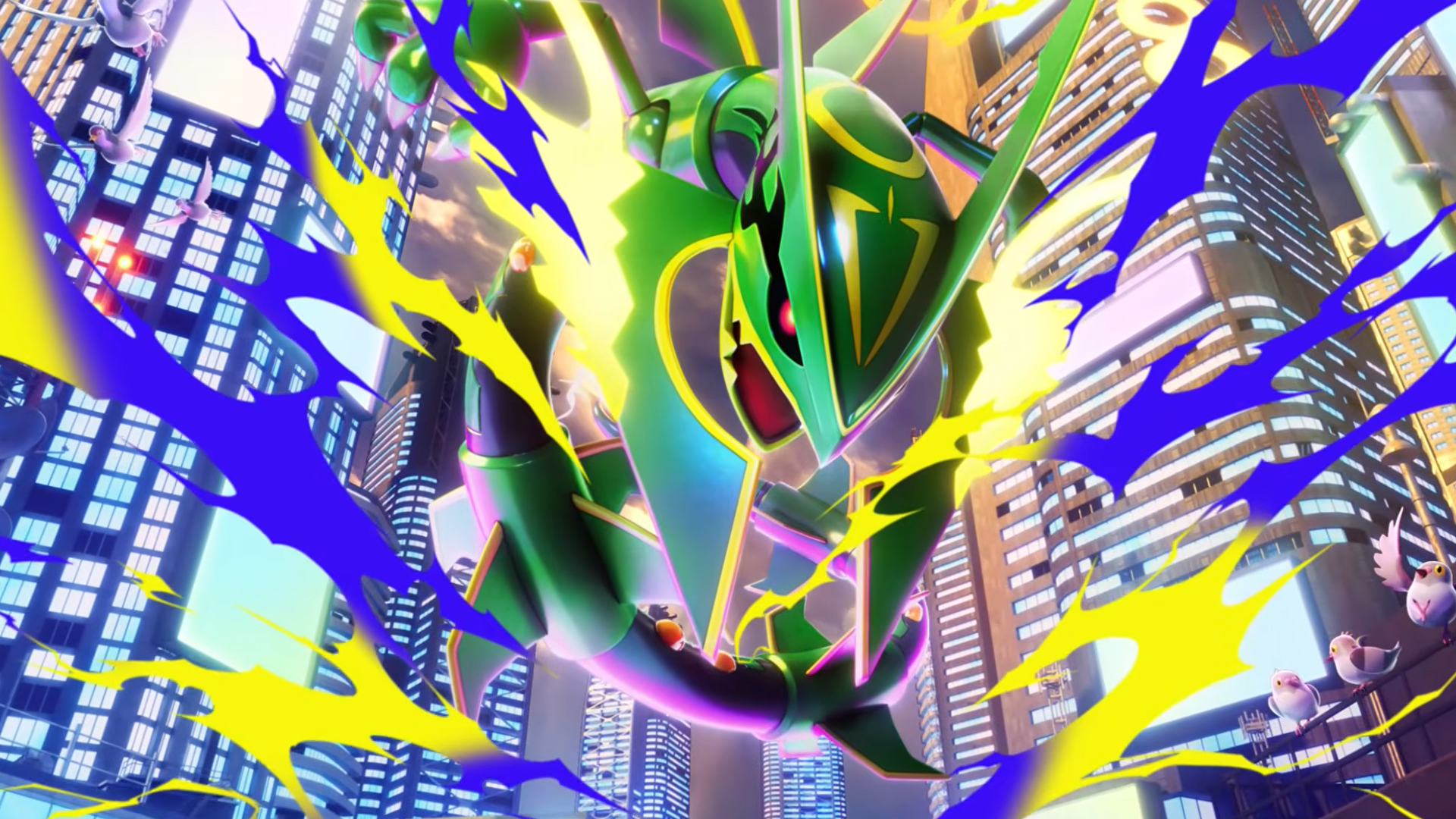
TCG Pocket Responds: A Much-Needed Pace Shift for Pokémon Fans
Pokémon TCG Pocket is rolling out a major update for its second anniversary, primarily addressing player concerns about overwhelming content releases by shifting to a six-week set schedule. This aims to curb player decline and improve overall engagement by giving trainers more time to collect and strategize. The update also adds new collection methods, improved deck-building features, and enhanced trading functionality.
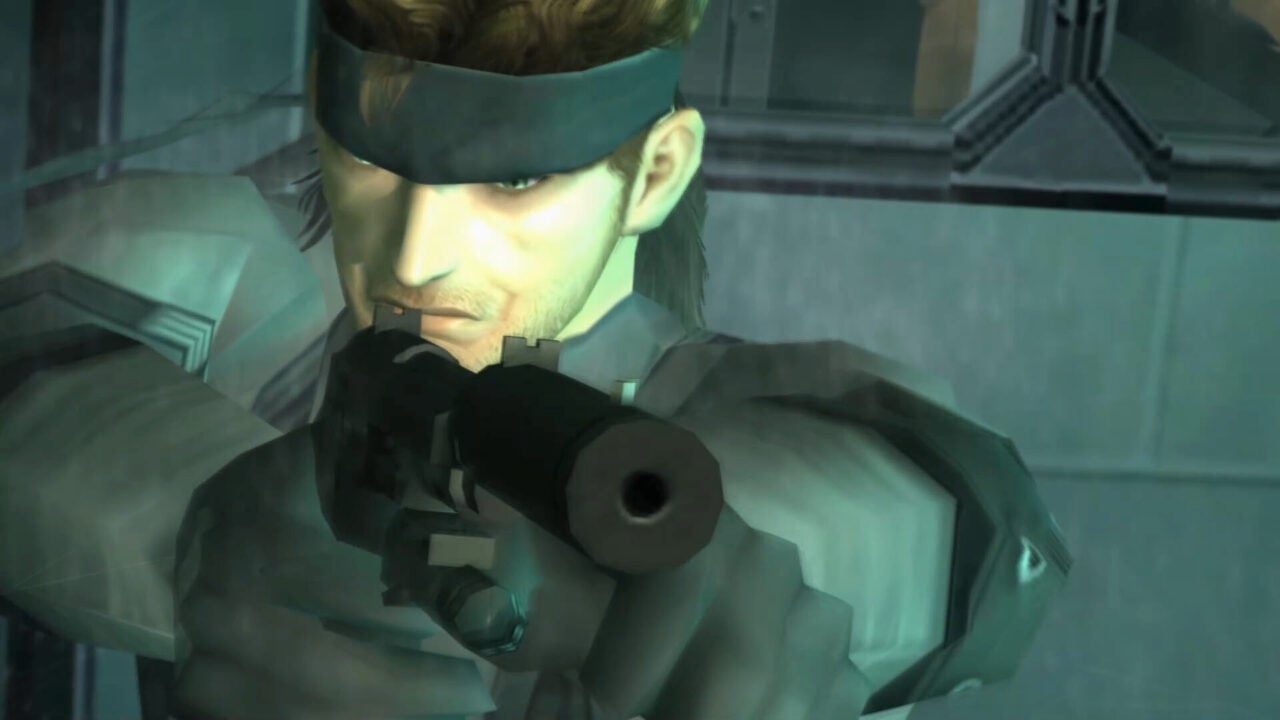
Kojima Compares Divisive New Film 'Digger' to MGS2's Prescient Vision
Gaming icon Hideo Kojima has praised the divisive 2026 film *Digger*, drawing intriguing parallels to his own prophetic game, *Metal Gear Solid 2*. Both works, he explains, uniquely explore the dangers of misinformation and a fragmented digital reality, anxieties he shares with *Digger*'s director, Alejandro González Iñárritu.

Ubisoft Proposes German Studio Workforce Reduction Amidst
Ubisoft is planning a voluntary departure program for about 100 employees across its Düsseldorf, Berlin, and Mainz studios in Germany. This move is part of a larger, ongoing cost-reduction and restructuring effort by the publisher, aiming to better position its studios for future projects.
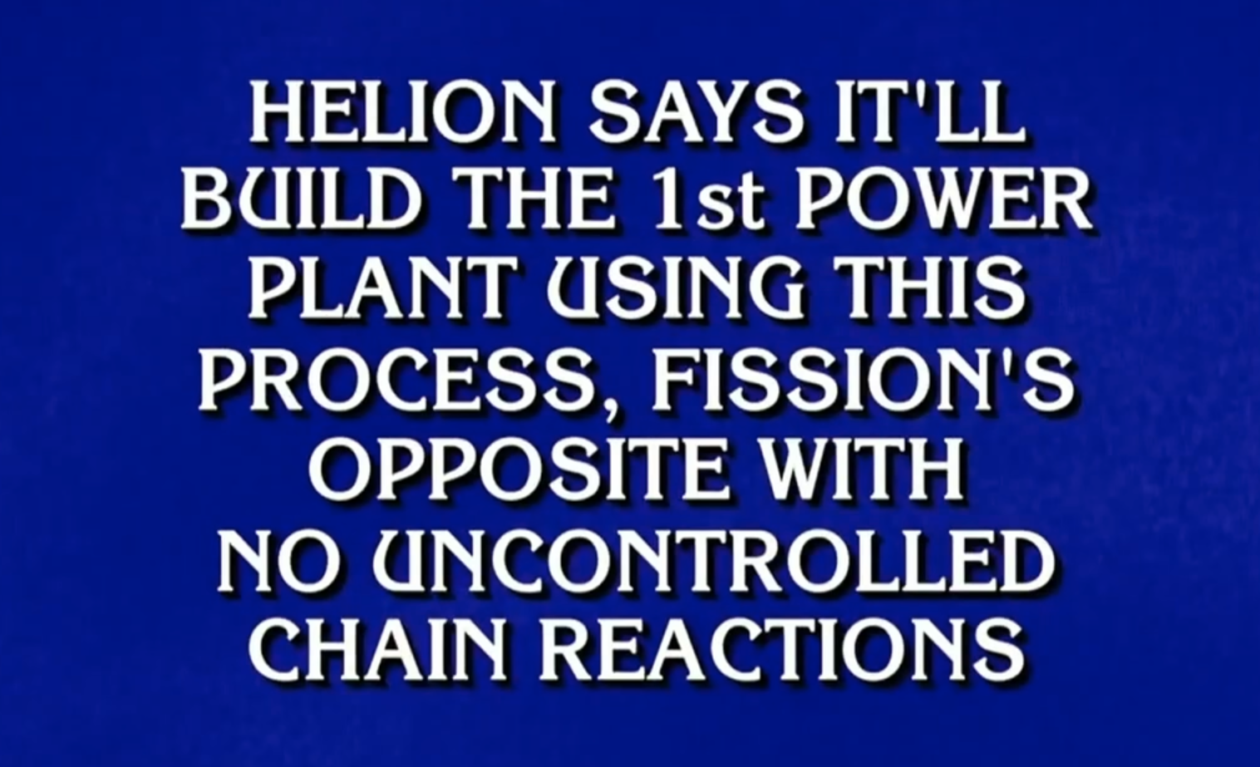
regional: ‘What is fusion?’ Helion Energy harnesses the power of
Helion Energy, the Everett-based fusion startup, gained mainstream attention this week after being featured as a clue on the popular game show "Jeopardy!". The $800 clue, part of a "Y Combinator" category, highlighted Helion's mission to build the first fusion power plant, bringing the concept of clean energy to a wider audience. CEO David Kirtley celebrated the "surreal" moment as a sign that reliable clean power is becoming more accessible.
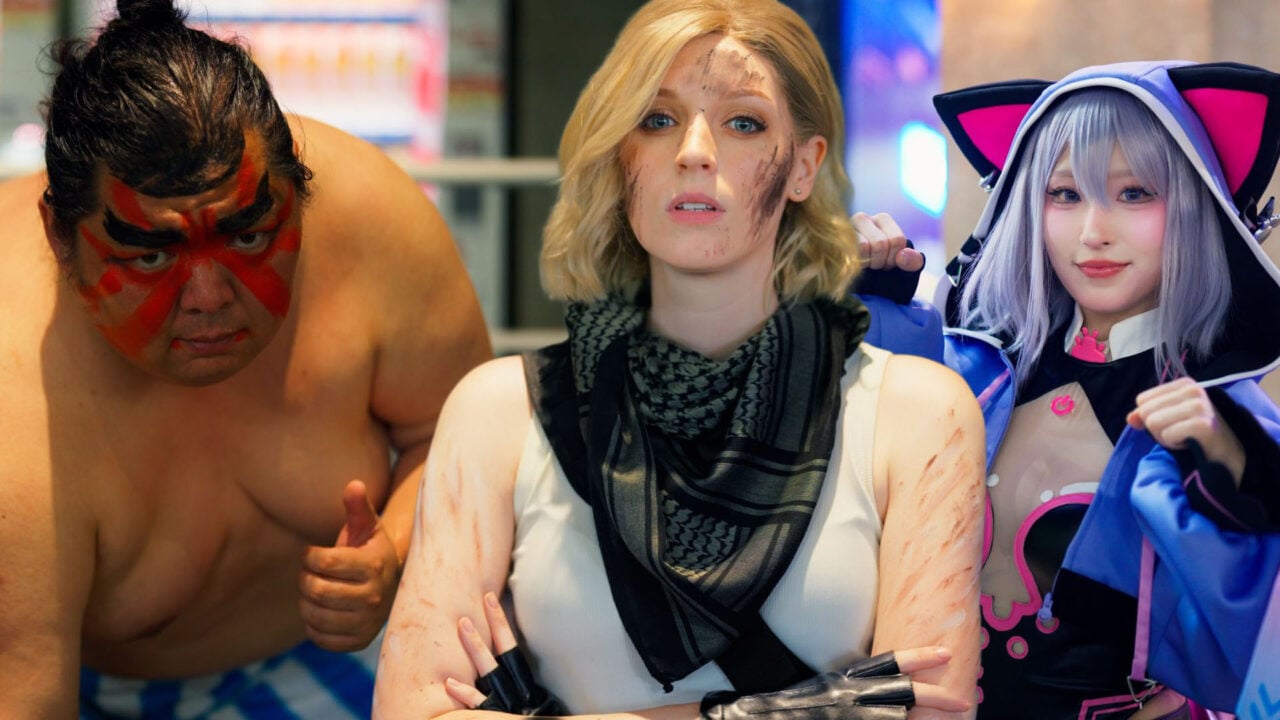
TGS 2026: These Forward-Looking Cosplays Are Already Living in the
Tokyo Game Show 2026 showcased incredible cosplay, with many fans embodying characters from unreleased games like *Blast Blade* and *Mononoke No Kuni*. This gallery highlights the community's foresight, alongside debut *Palworld* cosplay and refreshed takes on classics. It’s a testament to the passion that brings gaming's future to life.
Beyond the Bugs: Conquering Studio Headaches in Indie Dev
This guide, part three in a series on running an indie studio, tackles the crucial but often overlooked aspect of dealing with non-development related issues. It introduces creating a shared 'studio backlog' for collective problems and using the IDS (Identify, Discuss, Solve) framework to address them constructively. The core message is to build powerful habits that keep studios from getting quietly derailed by lingering challenges.