171 results found

As developers, we understand data, but often overlook our own digital footprints. This article offers practical strategies to reclaim online privacy, covering everything from auditing your presence and fortifying security to leveraging privacy-focused tools and staying informed about emerging threats. Learn to navigate the data economy with intention and build healthier digital habits.
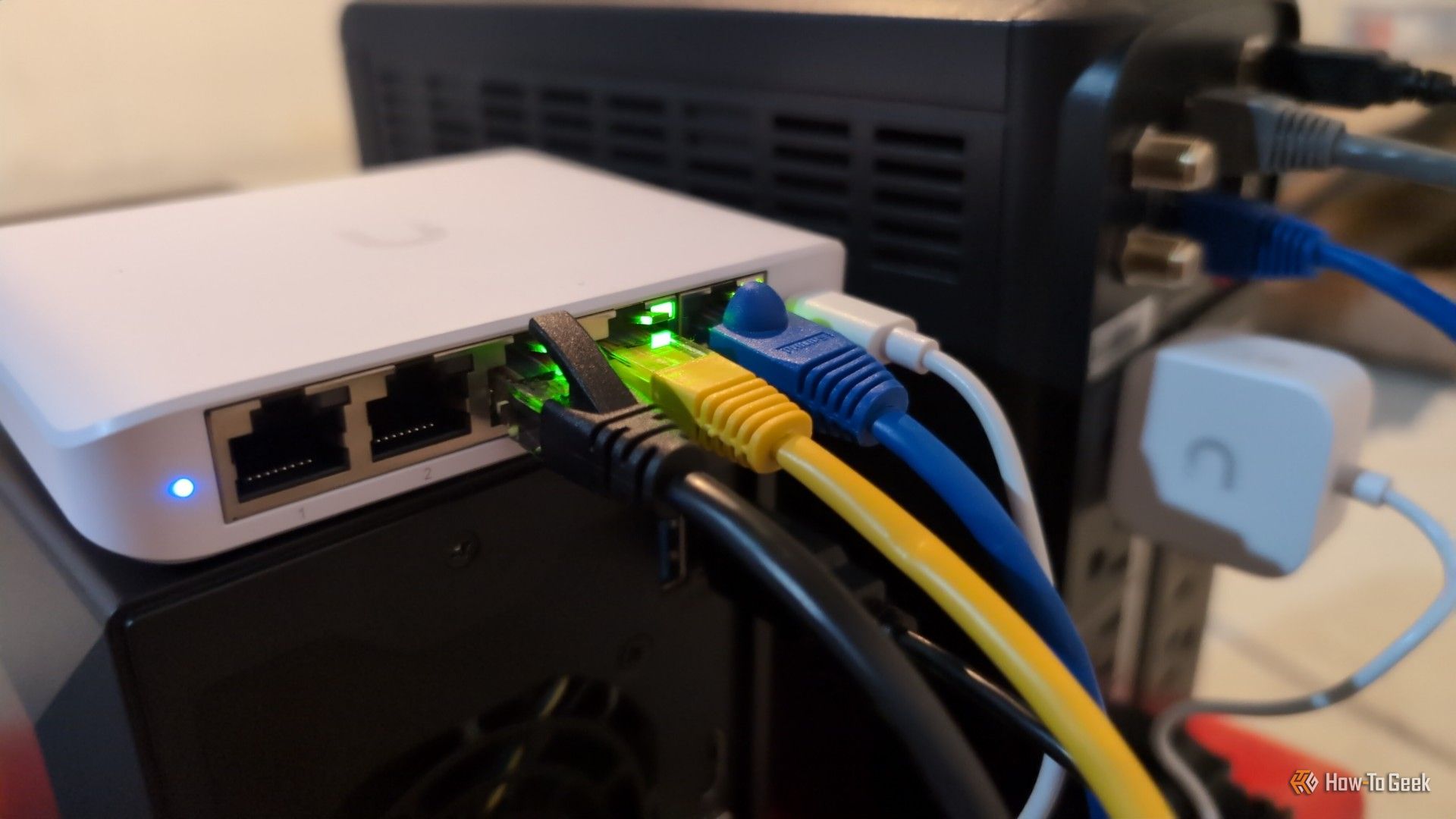
Learn how to securely access your home server and other devices remotely without using dangerous port forwarding. This guide explains the risks of open ports and provides step-by-step instructions on utilizing safer VPNs and overlay networks like Tailscale for robust home network security.

Apple's iOS 27 introduces Trust Insights, a vital, privacy-focused system for real-time scam detection during calls, texts, and emails. It monitors behavioral cues, not content, and intervenes with warnings or verification steps, marking a significant win for user security.

Cargo thefts targeting AI data center components, including copper wire and specialized equipment, highlight escalating supply chain risks. While $1.3 million was recovered near Chicago, these incidents underscore the lucrative, yet challenging, market for stolen high-tech gear.

Tesla's Nevada Gigafactory has become the target of an "epidemic" of battery thefts, with millions of dollars worth of car and home batteries stolen directly from loading docks. Sheriff's records detail at least 11 incidents since December, nine of which occurred in January, involving sophisticated "strategic thefts" by organized groups exploiting security vulnerabilities. Tesla has since tightened protocols, and law enforcement has made arrests, but the broader issue of rising cargo theft continues to challenge the industry.

F5, the Seattle-based tech veteran, marks its 30th anniversary by unveiling a significant pivot into AI security, highlighted by its recent acquisition of SurePath AI. CEO François Locoh-Donou discusses the company's journey from early internet load-balancing to a modern enterprise security platform addressing the complex challenges of AI visibility and governance.

Anthropic's advanced AI model, Mythos 5, is partially reinstated for select cybersecurity and infrastructure providers after two weeks of negotiations with the Trump administration. The public-facing Fable 5 remains restricted. This limited return is an exception to an export control directive, similar to a deal granted to OpenAI's GPT-5.6, highlighting evolving US AI regulation.
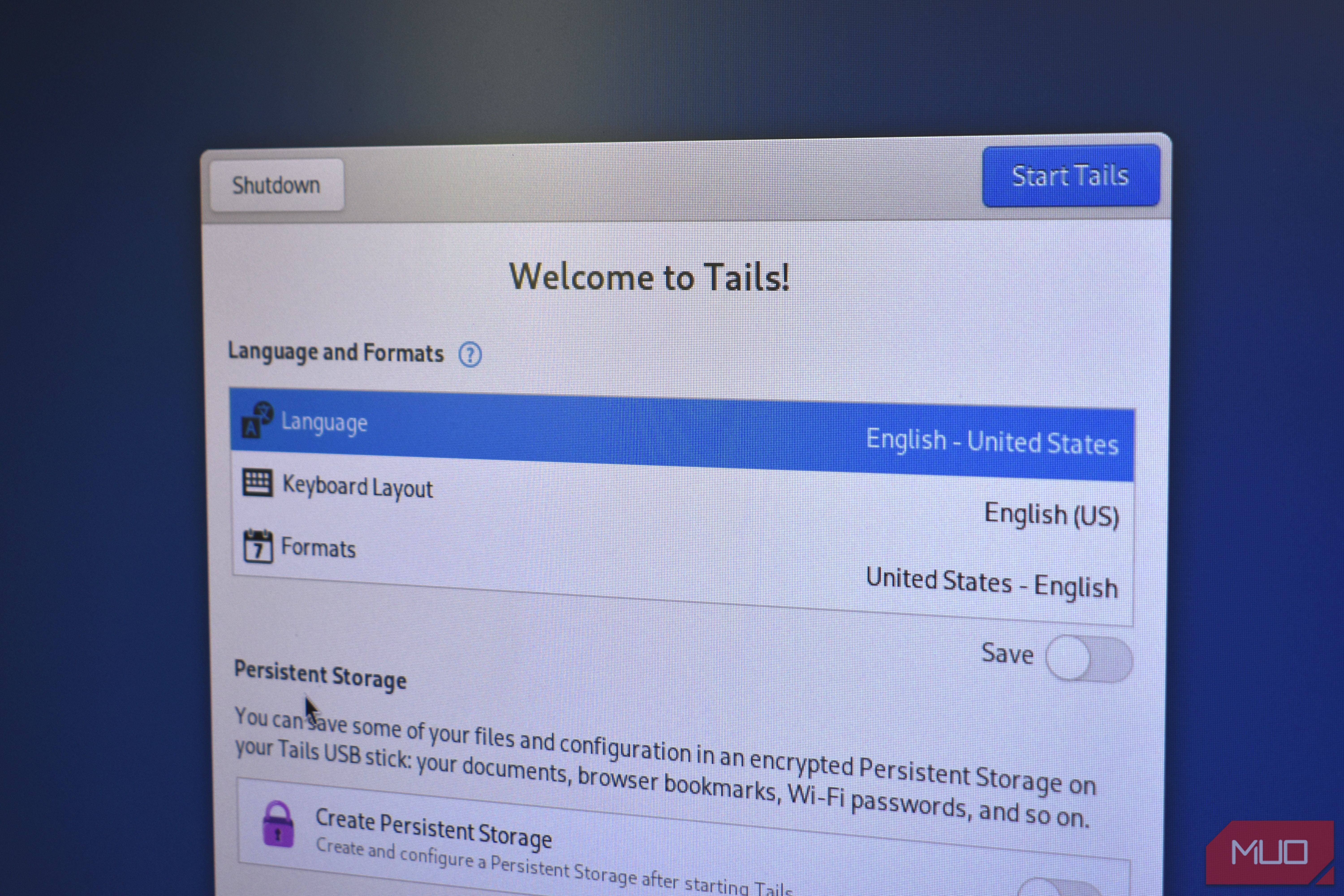
Most people believe that using a browser's "Incognito Mode" or "Private Browsing" will hide their online activity. The truth is, these modes only clear your local history and cookies; your internet service provider

Botslab Home Security: Smart, Subscription-Free Peace of Mind Verdict: Botslab offers a compelling suite of home security devices — including a versatile outdoor camera and two feature-rich video doorbells — that stand

The Trump administration has ordered Anthropic to take its advanced AI models, Fable 5 and Mythos 5, offline due to unspecified “national security concerns.” This move follows reports of Amazon researchers bypassing Fable 5's guardrails. While cybersecurity experts deem the ban dangerous, some speculate it could inadvertently boost Anthropic's image, positioning its models as uniquely powerful.

Quick Verdict ZDNet's advice on managing phone privacy settings isn't just a suggestion; it's a critical blueprint for anyone serious about digital security. By highlighting seven core areas, the article provides

The White House last Friday ordered AI giant Anthropic to immediately restrict the export of its powerful AI models, Fable and Mythos, citing unspecified national security concerns. This directive led Anthropic to
Nearly 100 prominent cybersecurity experts have signed an open letter condemning the US government's ban on Anthropic's Fable 5 and Mythos 5 AI models. They argue the move disarms defenders, creates market uncertainty, and risks America's AI leadership without justifiable cause, potentially benefiting adversaries more than protecting national security.
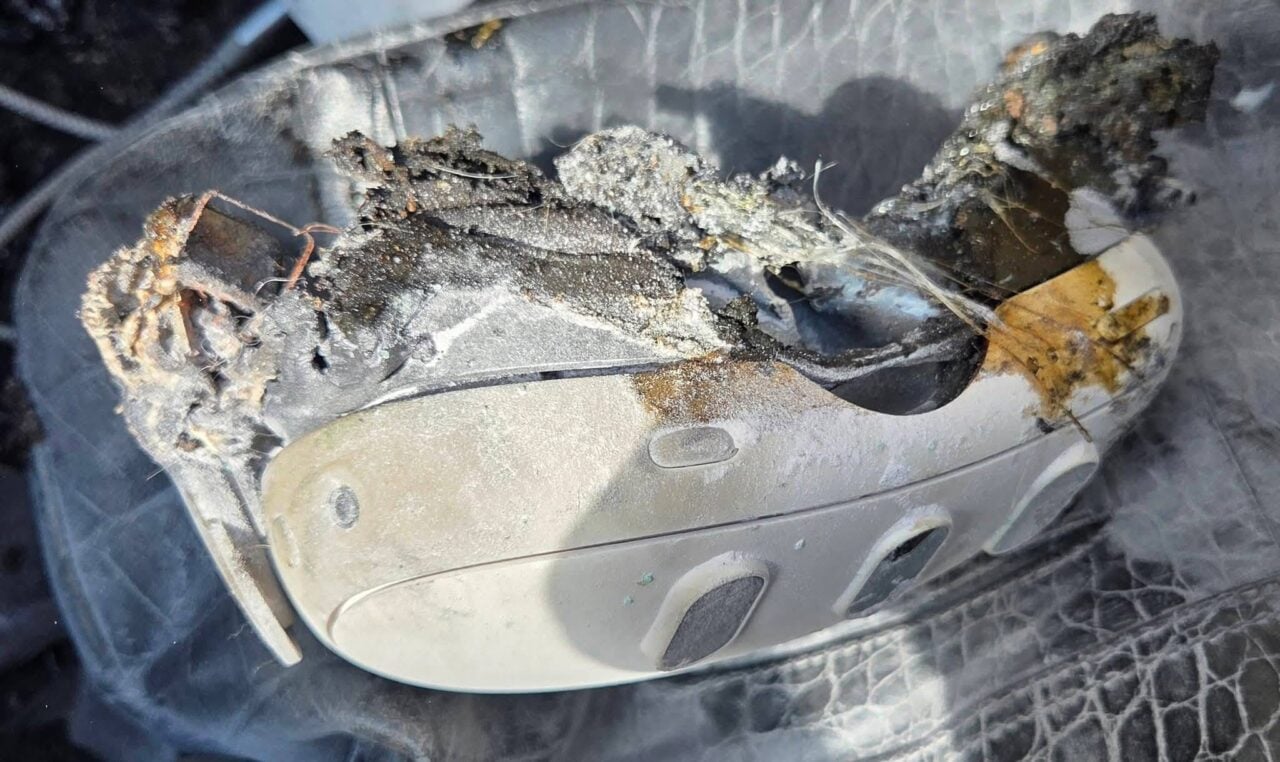
A Meta Quest 3 external battery explosion in a Maine home caused a small fire, with security footage capturing the aftermath including panicked dogs and flaming debris. Thankfully, no one was directly injured, but the incident highlights the inherent dangers of rechargeable batteries in consumer electronics. The Frankfort fire department is investigating and warns VR owners.
Anthropic's Fable 5 and Mythos 5 AI models were abruptly shut down by a US Commerce Department directive over national security concerns regarding a potential 'jailbreak.' Anthropic disputes the severity, warning of industry-wide impacts.
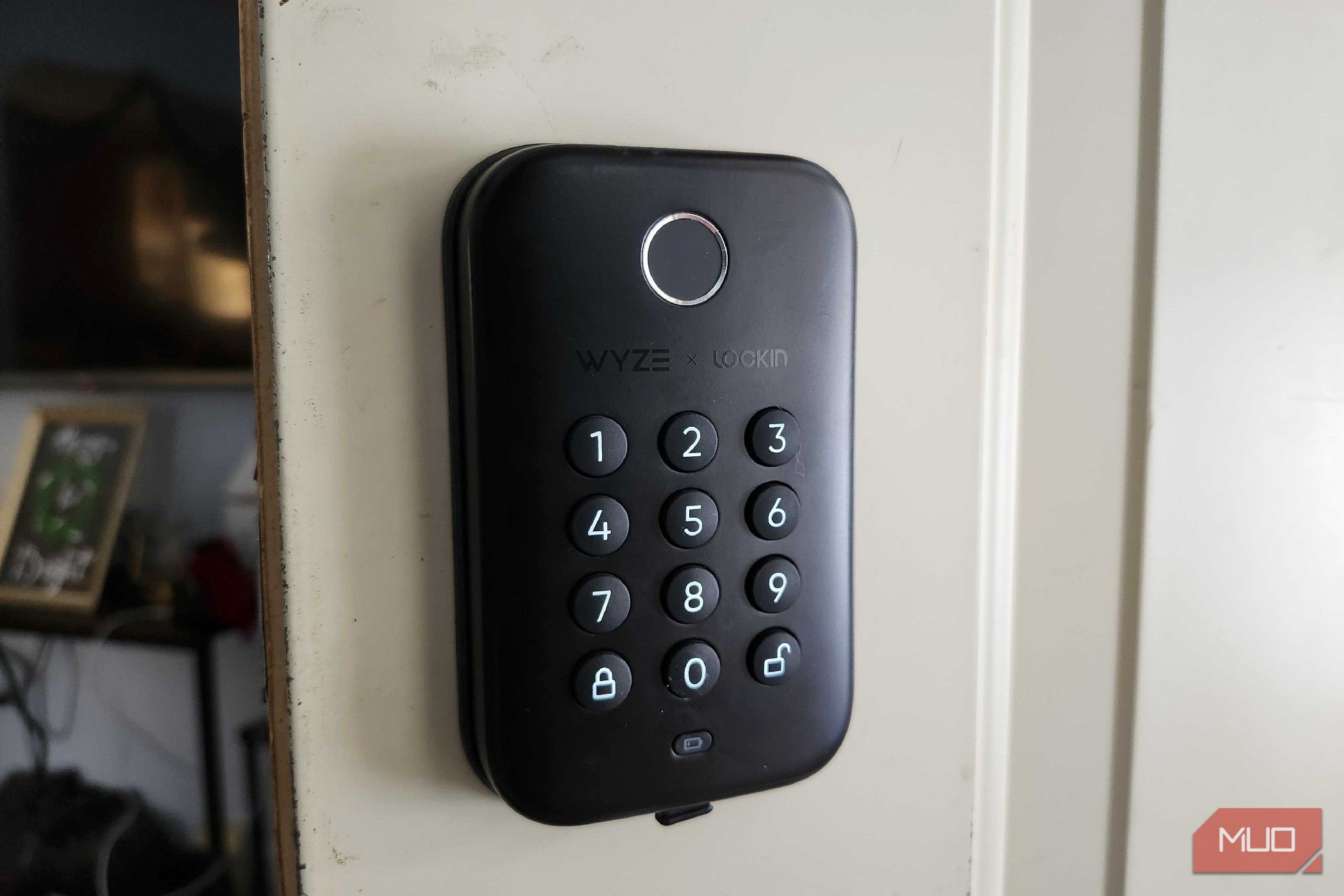
Discover how to enhance your smart home's reliability and efficiency by choosing Zigbee or Thread devices for critical functions like security sensors, smart locks, lighting, and motion detection. Reduce Wi-Fi congestion and battery drain.
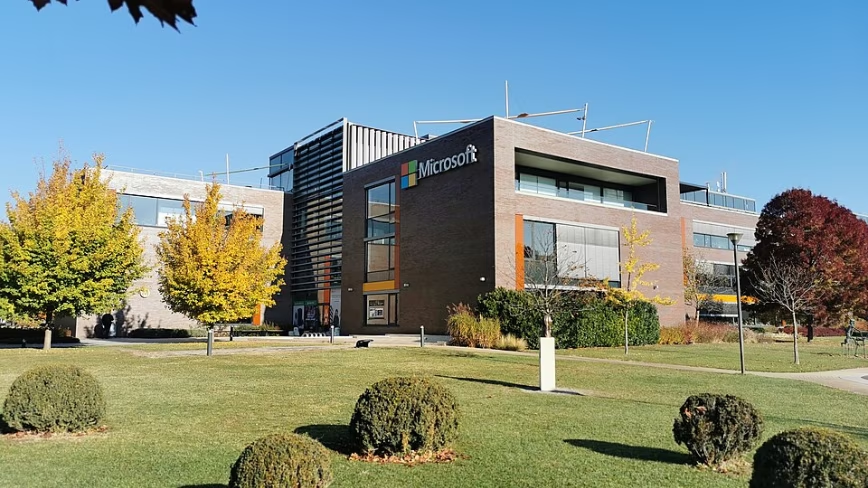
Security researcher Chaotic Eclipse has publicly released "RoguePlanet," a seventh Windows zero-day exploit, just hours after Microsoft's record-breaking June Patch Tuesday. This vulnerability grants SYSTEM privileges on fully patched Windows 10 and 11 systems, deepening a dispute with Microsoft over previous disclosures. The exploit leverages a race condition in Windows Defender.
Anthropic CEO Dario Amodei is pushing for FAA-style regulation of powerful AI models, citing public safety concerns amid rapidly advancing AI capabilities and potential misuses. This call for oversight, backed by new policy frameworks and $350 million in funding, suggests future operational, regulatory, and workforce constraints for enterprises. Key implications include potential deployment holds for frontier models, elevating AI cybersecurity to critical infrastructure status, and the need for proactive strategies to manage structural labor displacement.

On June 18, industry leaders, investors, and founders will gather at The Aerospace Corporation Campus in El Segundo for StrictlyVC Los Angeles. This exclusive event promises an evening of profound discussions,

Instagram is alerting users targeted by hackers who exploited Meta's AI support chatbot to take over accounts. The simple attack, involving asking the bot to link accounts to hacker-controlled emails, continued even after Meta claimed a fix. The incident highlights critical security flaws in AI-driven support systems.
President Trump signed an executive order Tuesday, establishing voluntary government oversight for new AI models. This reverses his prior hands-off approach, balancing innovation with national security by asking companies for a 30-day review.
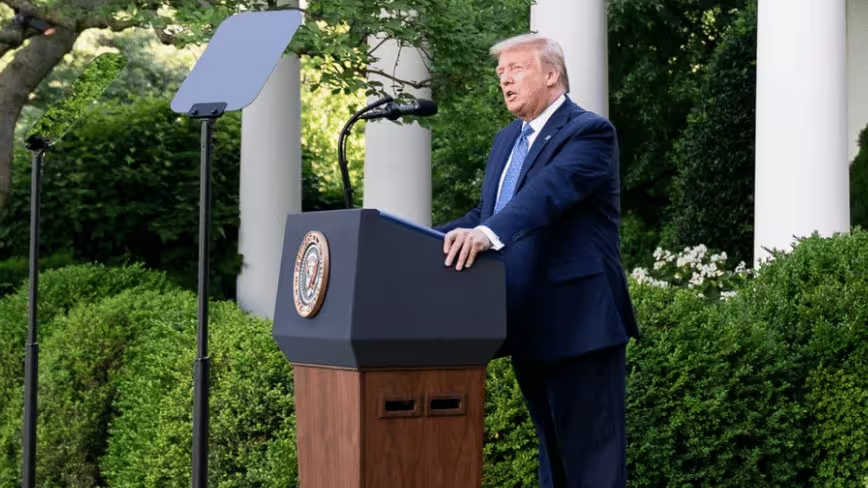
An intense internal power struggle within the Trump administration has stalled US federal AI regulation, leaving a policy vacuum after Anthropic's Mythos model revealed critical cybersecurity risks. Factions within the Commerce Department, intelligence agencies, and pro-industry groups are locked in a "knife fight" over who gets to evaluate and oversee advanced AI systems. This paralysis follows the abrupt cancellation of a landmark executive order and the unexplained withdrawal of AI testing announcements.

Discover how Samsung Galaxy phones are adopting an iPhone-like security feature, automatically disabling biometrics when accessing the power menu. Learn what this means for your phone's safety and how to experience it.
Reclaiming Privacy in Home Security with Secluso For many developers, the allure of smart home technology, including security cameras, is strong. Yet, the widespread reliance on cloud-based services for video storage
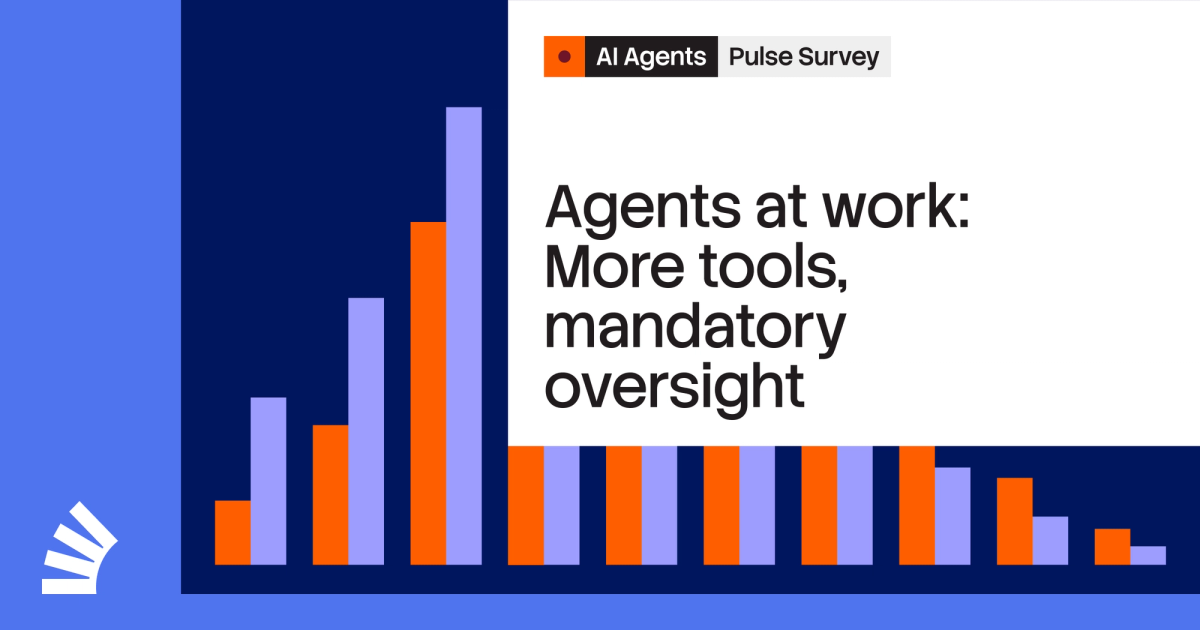
AI agent usage has nearly doubled, yet developers maintain a strong preference for human oversight. A recent survey reveals single-agent workflows are dominant, driven by concerns for accuracy and security, even as work quality improves. Fintech and media lead adoption, leveraging tools like GitHub Copilot and LangChain under careful monitoring.
