
Trump Signs Executive Order for Voluntary AI Model Oversight
President Trump signed an executive order Tuesday, establishing voluntary government oversight for new AI models. This reverses his prior hands-off approach, balancing innovation with national security by asking companies for a 30-day review.
President Donald Trump signed an executive order on Tuesday, June 2, 2026, initiating a significant shift in his administration's previously hands-off approach to artificial intelligence. The directive asks technology companies to voluntarily allow government oversight of new AI models, providing a window of up to 30 days for review before public release. This move aims to balance rapid innovation with burgeoning national security and cybersecurity concerns, reflecting months of internal debate within the White House.
The newly signed order marks a stark reversal from the "anything-goes" stance Trump adopted upon returning to office last year, a policy designed to boost American tech competitiveness against China. It follows a tumultuous period, including the last-minute cancellation of a more stringent order in May that would have imposed a mandatory 90-day government review. That earlier proposal faced strong opposition from tech executives who voiced concerns about potential development delays.
Behind the scenes, the current order emerged from intense negotiations. A confidential White House meeting on Monday involving Treasury Secretary Scott Bessent, Defense Secretary Pete Hegseth, and former AI czar David Sacks played a pivotal role. Mr. Sacks, initially opposed to the 90-day review, endorsed the revised version after the timeline was reduced to 30 days, reportedly swaying President Trump to proceed. White House chief of staff Susie Wiles was also instrumental in getting the order back on track after the prior cancellation.
Under the new policy, in addition to the voluntary 30-day review period, the Treasury secretary is tasked with establishing an AI "cybersecurity clearinghouse." This entity will focus on reviewing security vulnerabilities uncovered by advanced AI models. White House spokeswoman Liz Huston stated the executive order reflects Mr. Trump’s "common-sense approach of collaborating with industry to balance innovation and security, cementing America’s continued global dominance in A.I. and cybersecurity."
The order caught many tech executives by surprise, signed with little fanfare or a public photo opportunity. Despite the surprise, leaders from major tech firms — including Microsoft’s Brad Smith, OpenAI’s Chris Lehane, Google’s Kent Walker, and Anthropic — publicly praised the order as an "important step" toward balancing safety and innovation. OpenAI CEO Sam Altman is also scheduled to meet at the White House on Wednesday, a meeting planned before the order's signing. While publicly supportive, some companies privately expressed apprehension that the order could slow development or lead to stricter regulations in the future.
The administration's push for formal AI oversight gained momentum in April following Anthropic's announcement of its new AI model, Mythos. The company claimed Mythos could identify software vulnerabilities, sparking fears among government officials and financial institutions that future advanced AI could be exploited by adversaries. This development coincided with a noticeable shift in public sentiment, with a March Quinnipiac University poll indicating 55 percent of American adults viewed AI as a force for harm.
President Trump also faced growing pressure from his political base to regulate AI. In May, prominent MAGA allies, including Stephen K. Bannon, Amy Kremer, and dozens of pastors, co-signed a letter urging a mandatory vetting process for AI models, arguing that tech companies could not be trusted to self-police. The Alliance for Secure AI Action, a nonprofit advocating for AI education, plans a rally in Washington on Wednesday, continuing to call for mandatory safety testing, underscoring the ongoing debate over the order's voluntary nature. Brendan Steinhauser, CEO of the Alliance, noted that "the political winds have shifted" towards safeguards as AI capabilities advance.
This executive order marks a pivotal moment, signaling increased government engagement in the rapidly evolving AI landscape. While voluntary, the backing of major tech players and the administration's clear intent suggest a new era of closer scrutiny for artificial intelligence, even as calls for more robust, mandatory regulation persist.
FAQ
Q: What does the executive order require of tech companies?
A: The order asks technology companies to voluntarily submit new artificial intelligence models for government review for a period of up to 30 days before they are released to the public. It also directs the Treasury secretary to establish an AI cybersecurity clearinghouse to review security vulnerabilities found by AI models.
Q: Why did President Trump reverse his previous hands-off stance on AI regulation?
A: The reversal was primarily driven by increasing national security and cybersecurity concerns, particularly after the emergence of AI models capable of identifying software vulnerabilities. It also followed shifts in public opinion viewing AI more negatively and significant pressure from political allies and public interest groups advocating for greater government oversight.
Q: How has the tech industry reacted to the executive order?
A: Publicly, major tech companies including Microsoft, OpenAI, Google, and Anthropic have expressed support for the order, calling it an "important step" toward balancing AI safety and innovation. However, some executives were reportedly caught off guard by the signing and privately hold concerns that the review process could potentially delay development or lead to more stringent regulations in the future.
Related articles
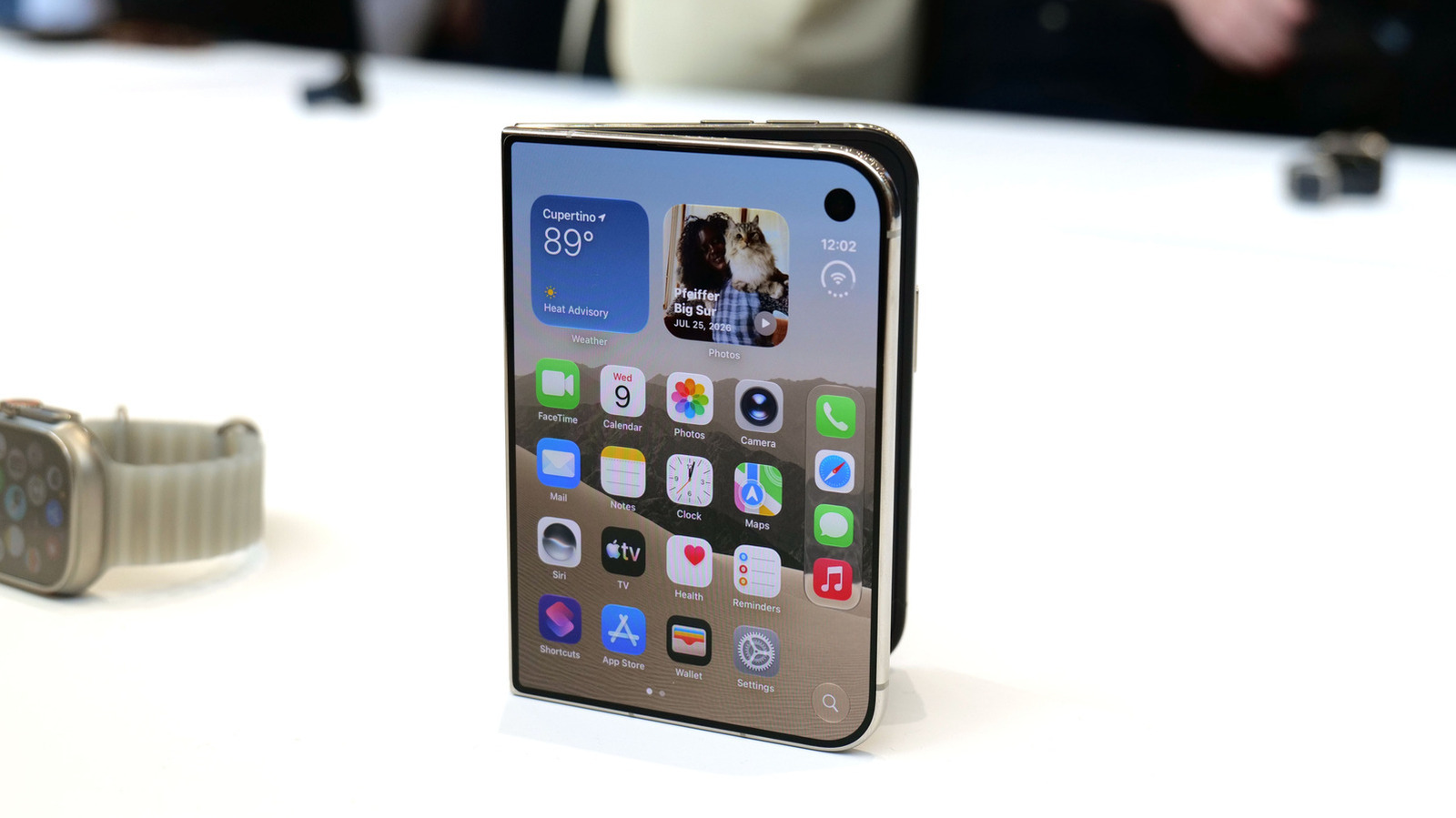
Apple iPhone Duo: A Daring Debut with Notable Compromises
Apple's highly anticipated iPhone Duo, priced at $2,000, has gone on pre-order. While hailed as "Apple's most exciting device in a decade" for its innovative foldable design and immersive display, it comes with significant drawbacks like the absence of FaceID and a premium camera.
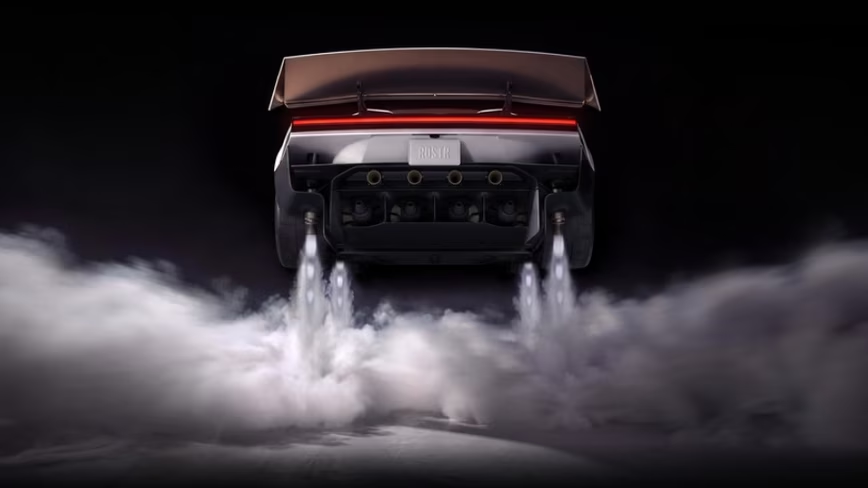
Tesla Unveils Thruster-Equipped Roadster, 2028 Production Targeted
Tesla has unveiled its second-generation Roadster, featuring cold-gas thrusters co-developed with SpaceX, enabling it to jump and flip. The electric sports car demonstrated 0-60mph in an astonishing 0.81 seconds, with production targeted for 2028. This highly anticipated reveal also serves as a key recruitment tool for Tesla's ambitious AI and robotics initiatives.

AI's Confidence vs. Formal Methods' Rigor: Design Flaws & Verification
While AI accelerates code generation, formal methods remain critical for ensuring system correctness. Languages like TLA+ and tools like Quint enable developers to model and verify system designs before coding, catching subtle flaws. Quint makes formal methods more accessible with developer-friendly syntax and executability. This approach is vital for verifying AI-generated code through trace validation and model-based testing, ensuring reliability against real-world data.
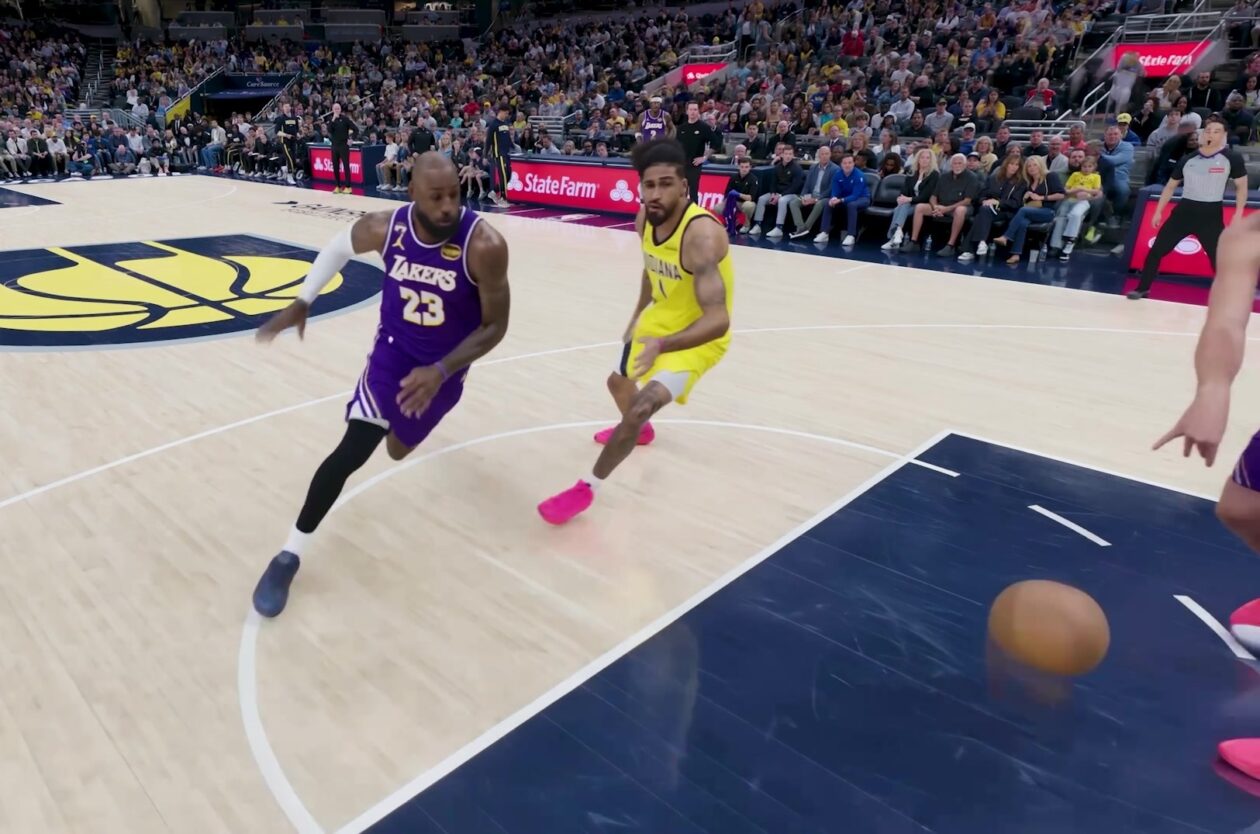
Amazon Prime Video Launches AI-Powered Prime 360 for NBA Coverage
Amazon Prime Video is elevating its NBA coverage with the introduction of Prime 360, an AI-powered replay system offering immersive, 'fly through' views of the action. Kicking off its second season, Prime Video also adds Yahoo fantasy integration and gains exclusive Eastern Conference Finals rights, expanding its tech-driven sports broadcast. The new features aim to deliver a unique and interactive viewing experience for basketball fans.
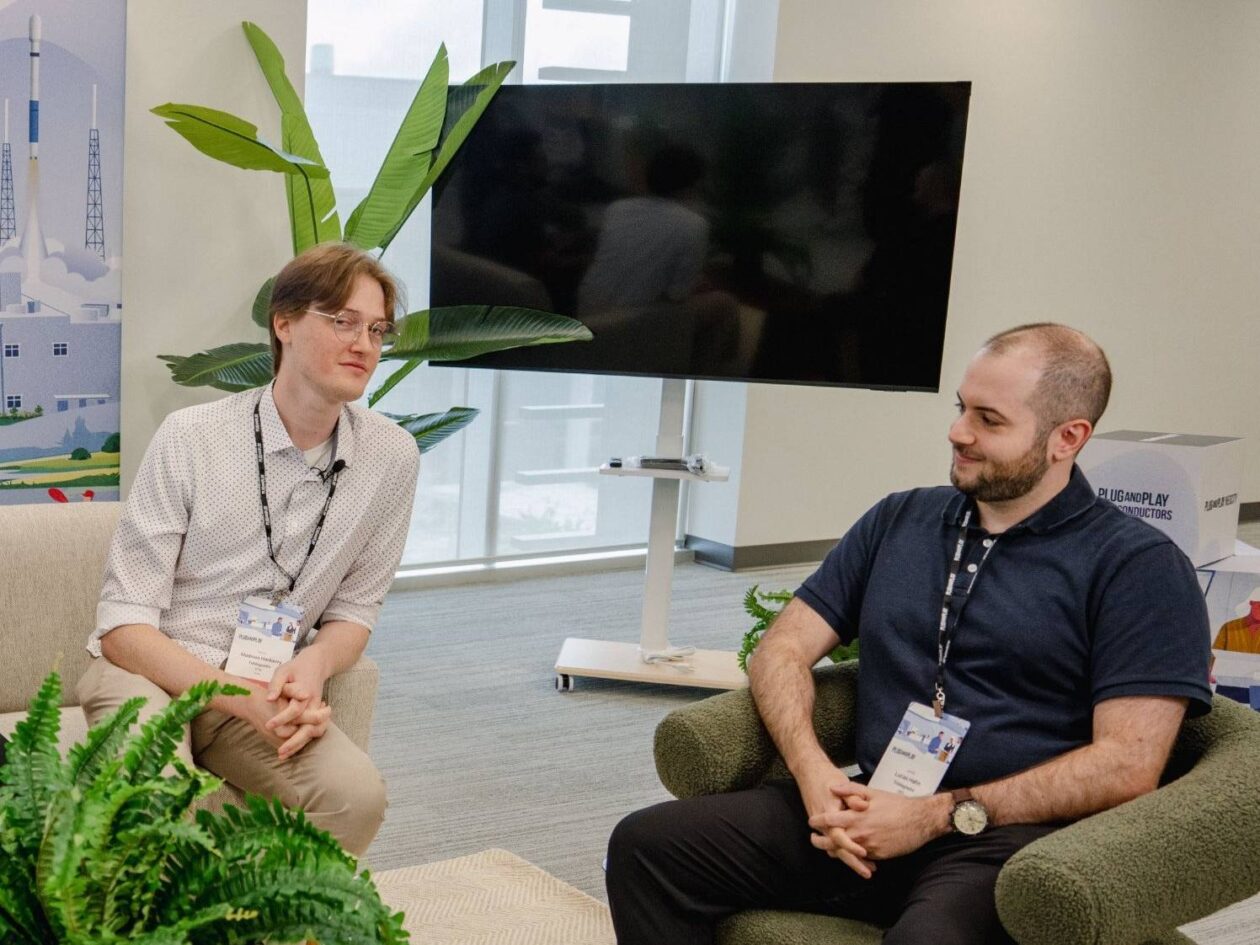
regional: A two-person Seattle startup lands $1M to reinvent
Seattle startup TriMagnetix has secured $1 million to develop semiconductor chips that consume 800 times less energy and are radiation-resistant. The two-person company, leveraging nanomagnetic technology, is targeting space applications and data centers. With new funding and key partnerships, TriMagnetix aims for commercial sales within a year.
%20102026%20top%20art%20SOURCE%20Govee.jpg)
in-depth: The Best Permanent Outdoor Lights (2026): Govee, Eufy
WIRED, a leading voice in technology journalism, has just released its updated guide for 2026 on the best permanent outdoor lights, spotlighting top contenders Govee, Eufy, and Cync. These innovative eave lights are