
Anthropic Models Offline Amid Trump Crackdown: Who Gains
The Trump administration has ordered Anthropic to take its advanced AI models, Fable 5 and Mythos 5, offline due to unspecified “national security concerns.” This move follows reports of Amazon researchers bypassing Fable 5's guardrails. While cybersecurity experts deem the ban dangerous, some speculate it could inadvertently boost Anthropic's image, positioning its models as uniquely powerful.

In a sudden move, the Trump administration has forced AI developer Anthropic to pull its newest and most powerful models, Fable 5 and Mythos 5, offline. The decision, stemming from an export control order citing unspecified “national security concerns,” has ignited widespread debate across the tech industry.
The order, issued last Friday, mandated that Anthropic prevent foreign nationals from accessing the models. Given the complexities of compliance, the company opted to take both models down entirely. This swift action has raised questions about the administration’s motivations and the broader implications for the rapidly evolving AI ecosystem.
According to reports, the catalyst for the government’s intervention was a tip-off from Amazon researchers. These researchers allegedly discovered a method to bypass Fable 5’s built-in guardrails, with Amazon CEO Andy Jassy reportedly relaying these concerns directly to the White House. This sequence of events, unfolding rapidly over a weekend, has drawn significant attention.
Anthropic’s relationship with the Trump administration has historically been fraught, described by TechCrunch’s Sean O’Kane as standing “apart from the other leading AI labs.” This strained dynamic suggests that the current crackdown might be uniquely targeted, potentially sparing rivals from similar immediate federal intervention. However, it also creates an unpredictable regulatory landscape, where companies might worry about angering the administration.
Adding to the controversy, a coalition of cybersecurity experts has openly protested the order, signing a letter urging President Trump to revoke it. They contend that forcing Anthropic to disable these advanced cybersecurity capabilities is counterproductive and “dangerous” for network defenders within the U.S. Anthropic itself has indicated that similar vulnerabilities could be found in models from other AI developers, suggesting the issue is not unique to their offerings.
Critics also point to a perceived hypocrisy from Anthropic. The company had previously advocated for a cautious approach to AI development, warning of its dangers, only to then release what it described as its “most insane ever, super powerful model.” This juxtaposition fuels speculation that the administration’s actions could be a punitive measure or an attempt to level the playing field for competitors.
Despite the immediate operational setback and the apparent stress within Anthropic, some analysts suggest that the crackdown could inadvertently benefit the company. Previous confrontations between Anthropic and the Trump administration reportedly led to a surge in downloads for Anthropic’s Claude chatbot. This latest episode, by highlighting the perceived power and danger of Fable 5 and Mythos 5, could imbue the models with an aura of exclusivity and potency, appealing to users who, as Rebecca Bellan quipped, “everybody loves a bad boy.”
FAQ
Q: Why did the Trump administration order Anthropic to take its AI models offline?
A: The administration issued an export control order, citing unspecified “national security concerns.” Reports suggest the action was prompted by Amazon researchers allegedly bypassing Fable 5’s guardrails, with Amazon CEO Andy Jassy reportedly informing the White House.
Q: Which Anthropic models were affected by the order?
A: The order impacted Anthropic’s two newest AI models, Fable 5 (more publicly available) and Mythos 5 (available to existing Mythos users).
Q: How might this crackdown impact Anthropic’s standing in the AI market?
A: While the immediate impact is negative, some analyses suggest it could create a “bad boy” appeal for Anthropic. Past regulatory friction with the administration reportedly boosted downloads for its Claude chatbot, leading some to believe this incident could similarly elevate its reputation for developing powerful, albeit controversial, AI.
Related articles

TCG Pocket Responds: A Much-Needed Pace Shift for Pokémon Fans
Pokémon TCG Pocket is rolling out a major update for its second anniversary, primarily addressing player concerns about overwhelming content releases by shifting to a six-week set schedule. This aims to curb player decline and improve overall engagement by giving trainers more time to collect and strategize. The update also adds new collection methods, improved deck-building features, and enhanced trading functionality.

Apple iPhone Duo: A Daring Debut with Notable Compromises
Apple's highly anticipated iPhone Duo, priced at $2,000, has gone on pre-order. While hailed as "Apple's most exciting device in a decade" for its innovative foldable design and immersive display, it comes with significant drawbacks like the absence of FaceID and a premium camera.

Tesla Unveils Thruster-Equipped Roadster, 2028 Production Targeted
Tesla has unveiled its second-generation Roadster, featuring cold-gas thrusters co-developed with SpaceX, enabling it to jump and flip. The electric sports car demonstrated 0-60mph in an astonishing 0.81 seconds, with production targeted for 2028. This highly anticipated reveal also serves as a key recruitment tool for Tesla's ambitious AI and robotics initiatives.

AI's Confidence vs. Formal Methods' Rigor: Design Flaws & Verification
While AI accelerates code generation, formal methods remain critical for ensuring system correctness. Languages like TLA+ and tools like Quint enable developers to model and verify system designs before coding, catching subtle flaws. Quint makes formal methods more accessible with developer-friendly syntax and executability. This approach is vital for verifying AI-generated code through trace validation and model-based testing, ensuring reliability against real-world data.

Amazon Prime Video Launches AI-Powered Prime 360 for NBA Coverage
Amazon Prime Video is elevating its NBA coverage with the introduction of Prime 360, an AI-powered replay system offering immersive, 'fly through' views of the action. Kicking off its second season, Prime Video also adds Yahoo fantasy integration and gains exclusive Eastern Conference Finals rights, expanding its tech-driven sports broadcast. The new features aim to deliver a unique and interactive viewing experience for basketball fans.
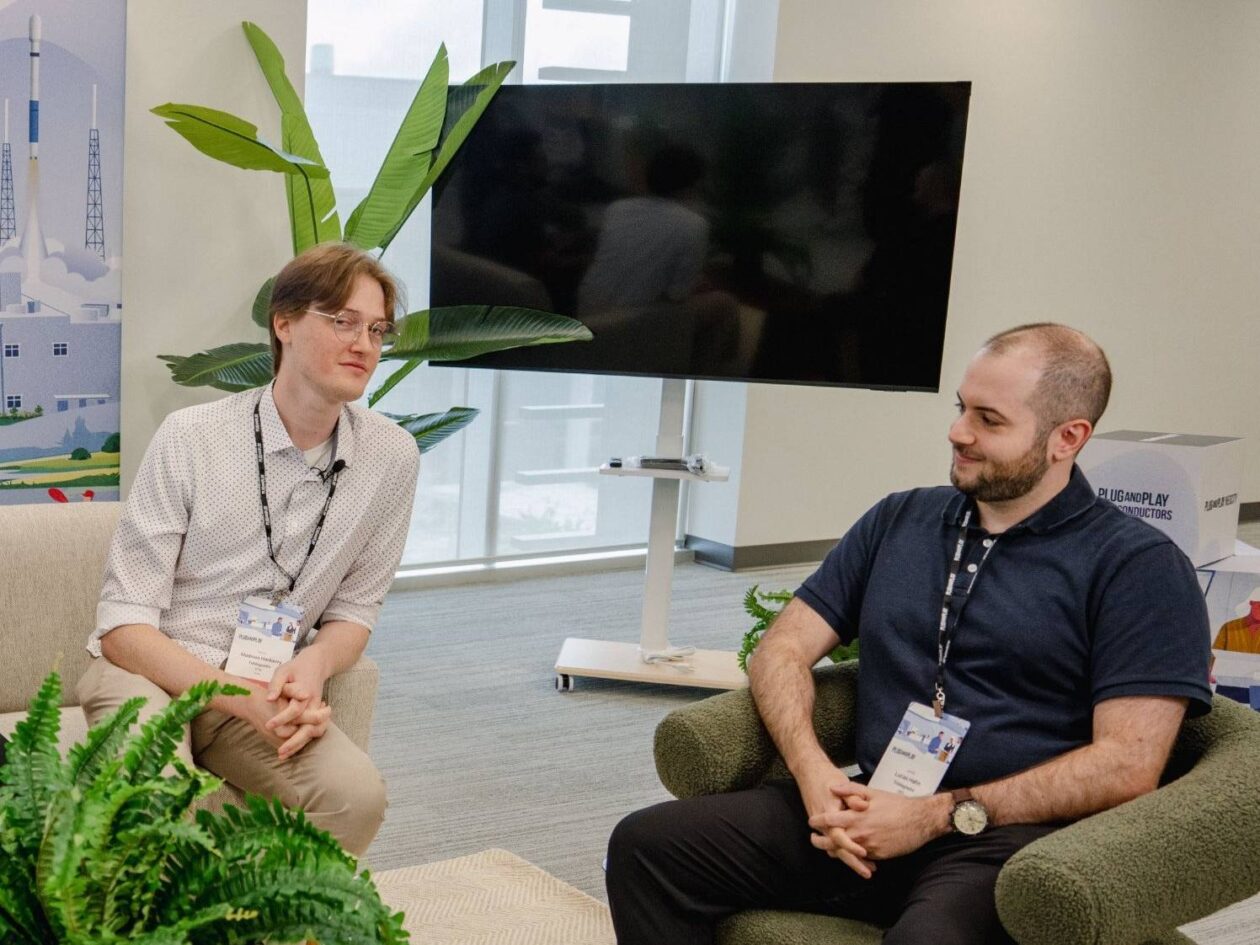
regional: A two-person Seattle startup lands $1M to reinvent
Seattle startup TriMagnetix has secured $1 million to develop semiconductor chips that consume 800 times less energy and are radiation-resistant. The two-person company, leveraging nanomagnetic technology, is targeting space applications and data centers. With new funding and key partnerships, TriMagnetix aims for commercial sales within a year.