
Tesla Battling "Epidemic" of Battery Thefts at Nevada Factory
Tesla's Nevada Gigafactory has become the target of an "epidemic" of battery thefts, with millions of dollars worth of car and home batteries stolen directly from loading docks. Sheriff's records detail at least 11 incidents since December, nine of which occurred in January, involving sophisticated "strategic thefts" by organized groups exploiting security vulnerabilities. Tesla has since tightened protocols, and law enforcement has made arrests, but the broader issue of rising cargo theft continues to challenge the industry.

Truckloads of Tesla car and home batteries, valued at millions of dollars, have been repeatedly stolen directly from loading docks at the company’s Nevada facilities. Storey County Sheriff’s Detective Sam Hatley, who is investigating the incidents, describes the situation as an “epidemic.” Sheriff’s records obtained by WIRED reveal at least 11 alleged cargo thefts since last December, with a significant nine occurring in January alone.
These are not opportunistic thefts but highly organized “strategic thefts,” according to law enforcement and industry experts. Criminal groups are reportedly exploiting vulnerabilities in Tesla’s security protocols, including using forged IDs and leveraging loose relationships with the independent truckers who transport the valuable products from the Gigafactory, which employs an estimated 12,000 people in Storey County.
Initial incidents in December included the disappearance of two trailers, each loaded with over $475,000 worth of Powerwall 3 residential battery systems. Authorities later recovered these trailers empty about 500 miles away in Southern California. Tesla’s security team subsequently found some of the stolen Powerwalls advertised for sale online, though investigators note these units cannot be activated once marked as stolen.
The surge in January saw multiple thefts. One incident involved a trailer carrying 123 Powerwalls, which never reached its destination in Hayward, California. Investigators discovered that a freight broker had unknowingly awarded the transportation contract to an illegitimate carrier whose semi-truck and driver were not licensed for interstate operations, highlighting a critical weak point in the logistics chain.
Several other trailers, some equipped with GPS trackers, were also targeted. While some trackers were deactivated by thieves, others remained active, aiding law enforcement. In a notable event, detectives placed their own GPS tracking device on a recovered trailer after Tesla employees prematurely retrieved it. This led to a police operation on January 30, resulting in the arrest of three suspects—Arashdeep Singh, Deepindeer Singh, and Harman Pal Singh. Prosecutors allege the trio traveled from California with a forged commercial driver’s license. Their trial is set for October.
An associate manager at Tesla acknowledged to investigators that some early thefts stemmed from a failure to adhere to basic security protocols. In response, Tesla has since implemented stricter measures, including verifying the identity of drivers at the factory gate. Detective Hatley confirms these changes are proving effective, noting that thefts are “happening, but not as prolifically” now.
The issue of cargo theft extends beyond Tesla, affecting other businesses like battery recycler Redwood Materials in Storey County. Transportation industry researchers reported last year that shipping thefts across the US nearly doubled between 2022 and 2024, collectively costing companies almost $18 million daily. These escalating costs can often lead to higher prices for consumers.
In a broader effort to combat this growing problem, the US House of Representatives recently passed a bipartisan bill aimed at simplifying the prosecution of retail and cargo theft and enhancing coordination among law enforcement agencies. The measure is currently awaiting action in the Senate, with Nevada Senator Catherine Cortez Masto advocating for its passage, emphasizing the economic disruption these crimes cause.
Detective Hatley commended Tesla’s current cooperation, noting a positive shift from a 2018 incident where the company reportedly declined to assist with a copper wire theft investigation. He stressed that overcoming this “epidemic” will require a “concerted effort” involving carriers, brokers, victims, and law enforcement working together.
FAQ
Q: How many battery theft incidents has Tesla experienced at its Nevada factory?
A: Sheriff's records indicate at least 11 alleged cargo thefts since December, with a significant nine occurring in January alone, involving millions of dollars in stolen batteries.
Q: What types of batteries were primarily targeted in these thefts?
A: The thefts mainly involved Tesla Powerwall 3 residential battery systems and car batteries, with individual trailers sometimes containing over $475,000 worth of Powerwalls.
Q: What measures has Tesla implemented to address these thefts?
A: Tesla has tightened its security protocols, including verifying driver identities at the factory gate, a measure that law enforcement officials credit with reducing the frequency of new incidents.
Related articles

Apple Unveils iPhone Duo: Pricey Foldable Sees Soaring Demand
Apple has officially entered the foldable smartphone arena with the long-anticipated launch of the iPhone Duo. Priced starting at a hefty $1,999, the device features a 5.4-inch outer display and a larger 7.6-inch inner

in-depth: Chicago-Area Cops Helped HSI Spy on Minnesota Anti-ICE
Chicago-area law enforcement, including local police and HSI agents, conducted undercover surveillance on Minnesota anti-ICE activists at an April 2, 2022, talk in Chicago. This operation was part of a federal conspiracy probe into 15 Minnesota activists facing felony charges related to immigration enforcement resistance. Civil liberties advocates have condemned the surveillance as a troubling intrusion into protected political activity.

Mark Wahlberg on using AI in film ‘the right way’ and being open to
Actor Mark Wahlberg believes AI has a place in filmmaking if used responsibly for enhancement, not script generation or actor replacement. At TechCrunch Disrupt, he expressed openness to an AI likeness carrying on his legacy, managed by his family, and emphasized storytelling.
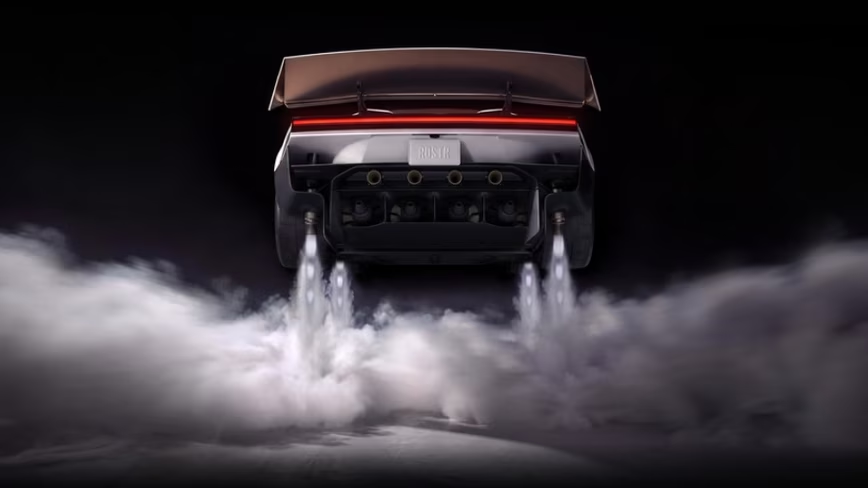
Tesla Unveils Thruster-Equipped Roadster, 2028 Production Targeted
Tesla has unveiled its second-generation Roadster, featuring cold-gas thrusters co-developed with SpaceX, enabling it to jump and flip. The electric sports car demonstrated 0-60mph in an astonishing 0.81 seconds, with production targeted for 2028. This highly anticipated reveal also serves as a key recruitment tool for Tesla's ambitious AI and robotics initiatives.
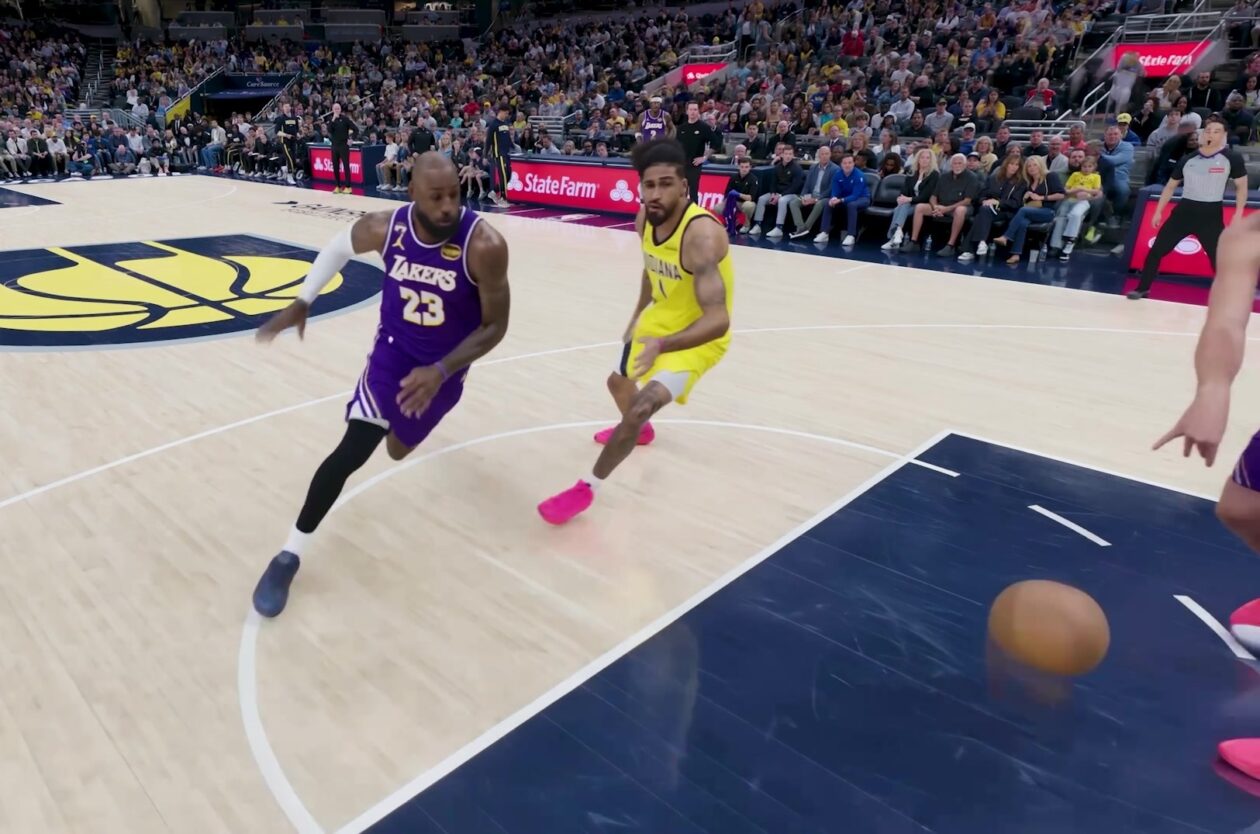
Amazon Prime Video Launches AI-Powered Prime 360 for NBA Coverage
Amazon Prime Video is elevating its NBA coverage with the introduction of Prime 360, an AI-powered replay system offering immersive, 'fly through' views of the action. Kicking off its second season, Prime Video also adds Yahoo fantasy integration and gains exclusive Eastern Conference Finals rights, expanding its tech-driven sports broadcast. The new features aim to deliver a unique and interactive viewing experience for basketball fans.
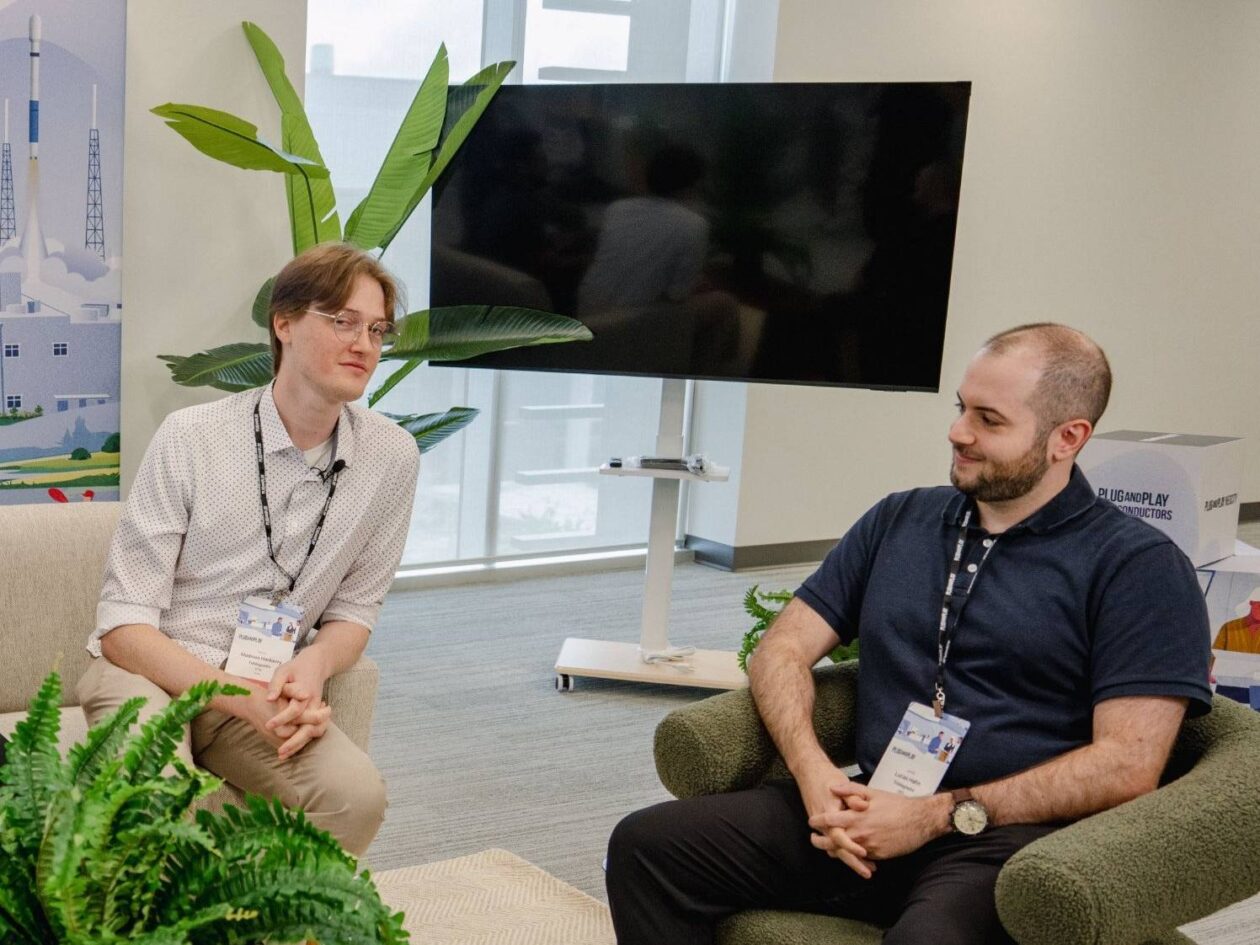
regional: A two-person Seattle startup lands $1M to reinvent
Seattle startup TriMagnetix has secured $1 million to develop semiconductor chips that consume 800 times less energy and are radiation-resistant. The two-person company, leveraging nanomagnetic technology, is targeting space applications and data centers. With new funding and key partnerships, TriMagnetix aims for commercial sales within a year.