54 results found
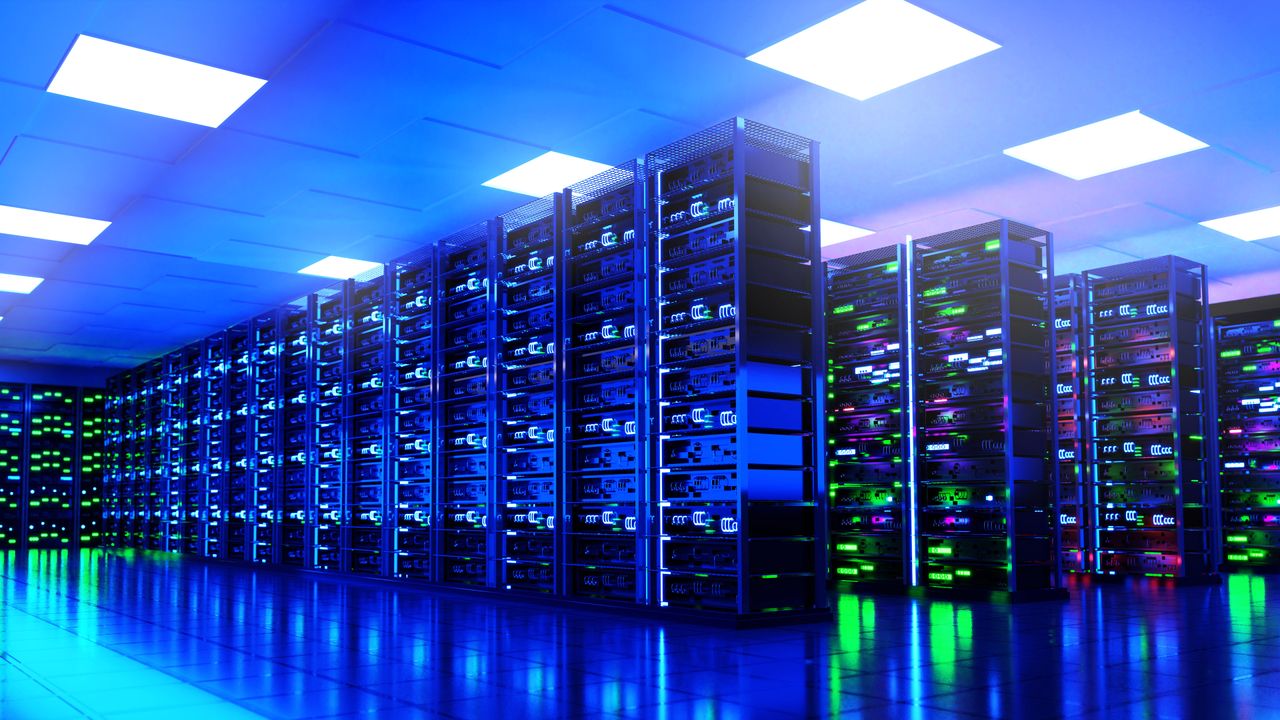
Australia's Data Center Boom: A Complex Balancing Act Verdict: Australia is experiencing an unprecedented surge in data center development, fueled by the insatiable demand for AI and cloud services. While this expansion

Verdict: Amazon's Efficiency Drive Meets Local Realities Amazon is making significant strides in improving the water efficiency of its data centers, claiming innovations that reduce consumption and position it as a
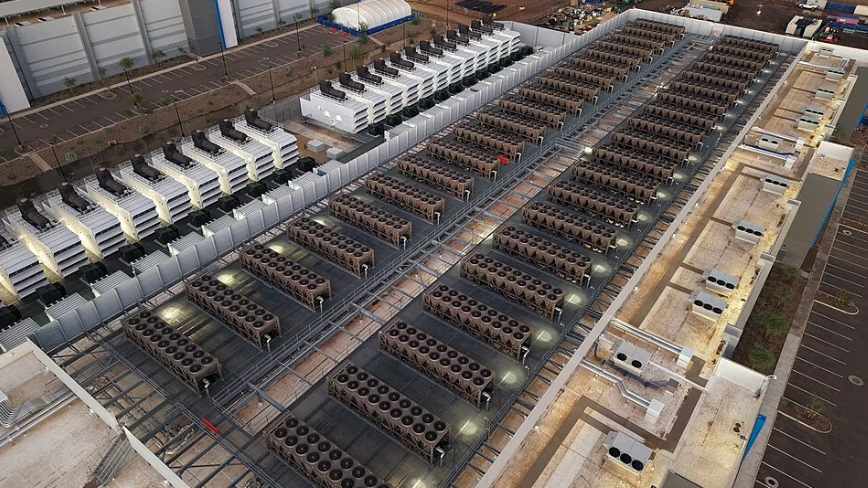
Grassroots opposition groups successfully blocked or delayed 75 data center projects worth $130 billion across the US in Q1 2026, matching the total disruptions for all of 2025. Driven by concerns over electricity, water, and noise, the number of anti-data center groups has doubled to 833 nationwide, profoundly impacting the AI industry's expansion plans amid shifting public opinion and legislative action.

GeekWire co-founder John Cook and angel investor Charles Fitzgerald offer lessons from Cleveland's comeback for Seattle's tech scene. They also critique Seattle's data center moratorium as 'political theater' and discuss the SpaceX IPO.

Nashville finds itself at a critical juncture, wrestling with a contentious proposal for a data center adjacent to its beloved zoo, a dispute that has rapidly escalated into a broader debate about the future of tech
Intel, Foxconn, and SambaNova Systems have partnered to build rackscale AI infrastructure, unveiled at Computex 2026. This collaboration targets the shift from AI training to inference, aiming to re-establish Intel Xeon CPUs at the core of data centers by pairing them with SambaNova's SN-50 RDUs for efficient, cost-effective performance. Foxconn will handle system integration and develop CPU-dense variants.
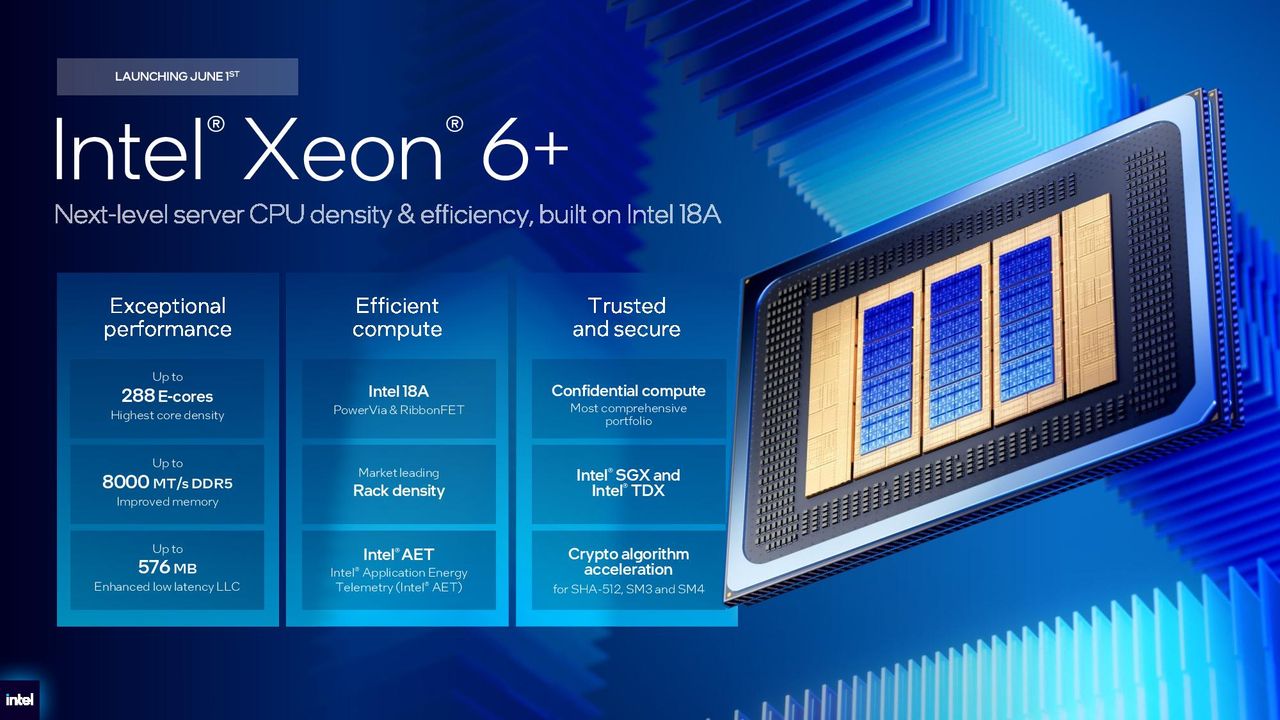
Intel's Xeon 6+ 'Clearwater Forest' pushes data center compute density with up to 288 E-cores on 18A. While claiming significant per-thread gains over AMD and generational uplifts, its focused benchmarks and higher TDP warrant careful consideration.

Environmental activist Erin Brockovich, renowned for her past legal battles against corporate pollution, has launched a significant new initiative targeting the burgeoning data center industry. Her mission aims to shine

The narrative around AI capital expenditure (capex) often feels monolithic: NVIDIA, hyperscalers, data centers, power demand—all bundled into a single "AI infrastructure" idea. As fellow developers, we know real-world

Billionaire Kevin O’Leary and the Trump administration claim that widespread U.S. protests against data center construction are orchestrated by China and foreign propaganda, despite a lack of conclusive evidence. This narrative is being met with skepticism from a broad range of allies and critics who point to legitimate local concerns and widespread public opposition to AI infrastructure.

When most people picture AI chatbots, they envision powerful systems housed in distant data centers, constantly pinging servers to process requests. While cloud-based AI like ChatGPT and Gemini dominate the narrative,

AI's explosive demand for high-bandwidth memory (HBM) is causing an unprecedented reallocation of DRAM production from consumer devices to data centers, leading to massive price surges for smartphone memory. This crisis is pushing affordable smartphones out of reach for millions, particularly in developing nations, and impacting premium brands as memory makers prioritize highly profitable AI chips.

Anthropic will pay xAI $1.25 billion monthly for compute, securing 300 megawatts from xAI’s Colossus 1 data center. Revealed in a SpaceX SEC filing, this $40+ billion deal through May 2029 helps xAI monetize overbuilt capacity, likely due to Grok's declining usage, and positions it as a 'neocloud' provider in the competitive AI market.

Osaurus, an open-source Mac application, has emerged to bridge the gap between local and cloud AI models, enabling users to choose their preferred AI while keeping data on their own hardware. Founded by Terence Pae, the app originated from a need to offer AI without continuous token costs, prioritizing user control and privacy. It supports numerous models and tools, offering a user-friendly interface and security through a virtual sandbox, aiming to shift AI reliance from data centers to local machines.
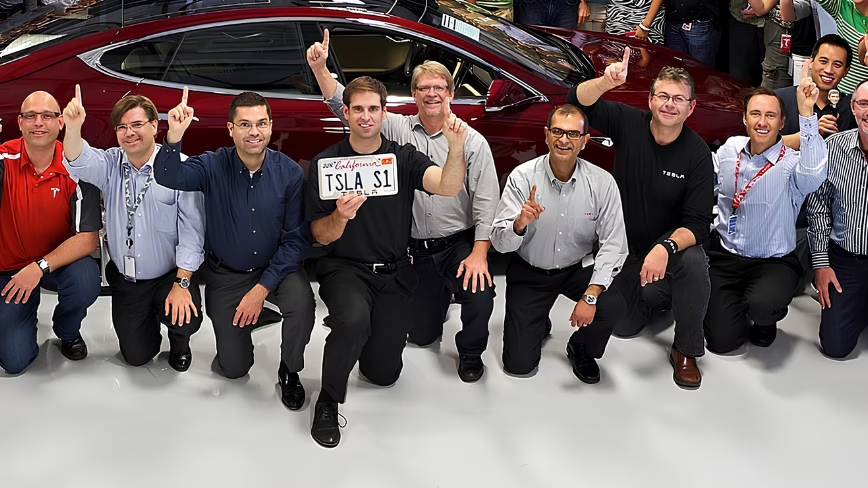
Former Tesla CFO Deepak Ahuja joins JB Straubel’s Redwood Materials as CFO, strongly signaling an IPO. The company is pivoting from battery recycling to providing energy infrastructure for AI data centers using repurposed EV batteries, linking two major tech revolutions.

A San Francisco-based startup, Armada, is significantly expanding its engineering footprint in Bellevue, Washington, growing its local team to approximately 120 people. The company specializes in developing rugged,
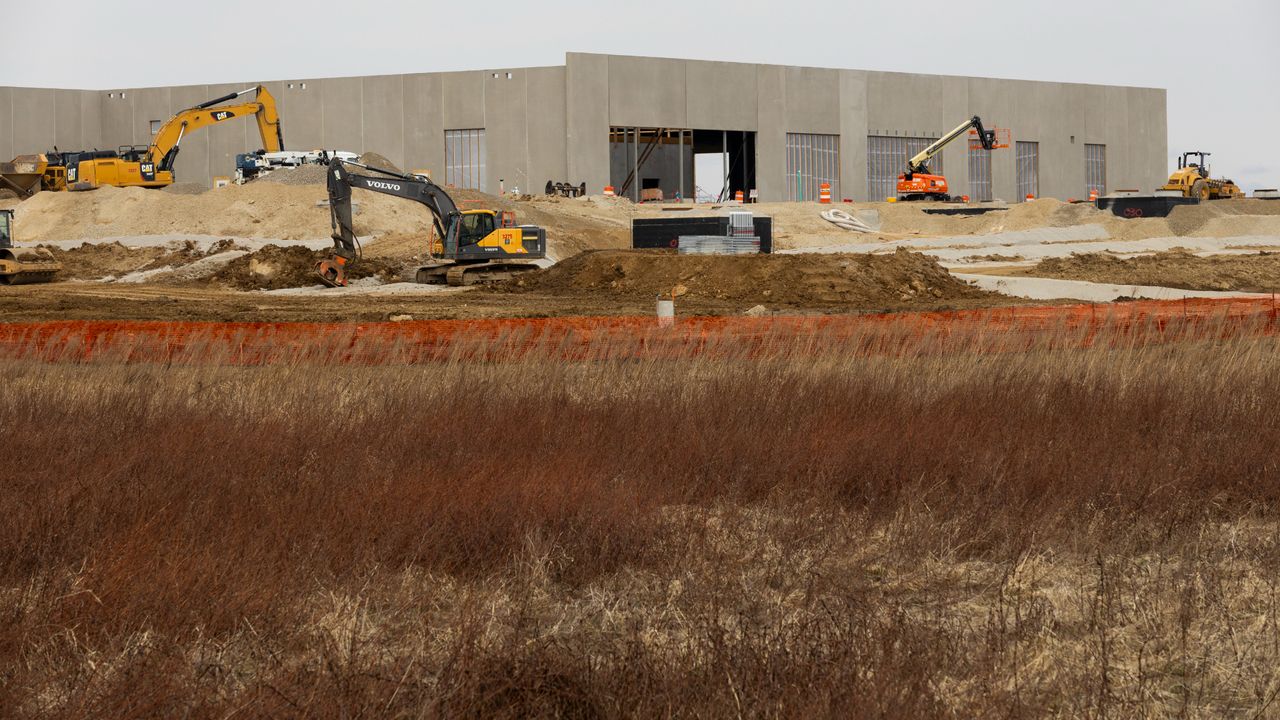
Quick Verdict: AI's Infrastructure Hit by Reality Checks Independent analysis, backed by satellite imagery and on-the-ground reports, suggests that nearly half of crucial AI data center projects in the U.S. are facing
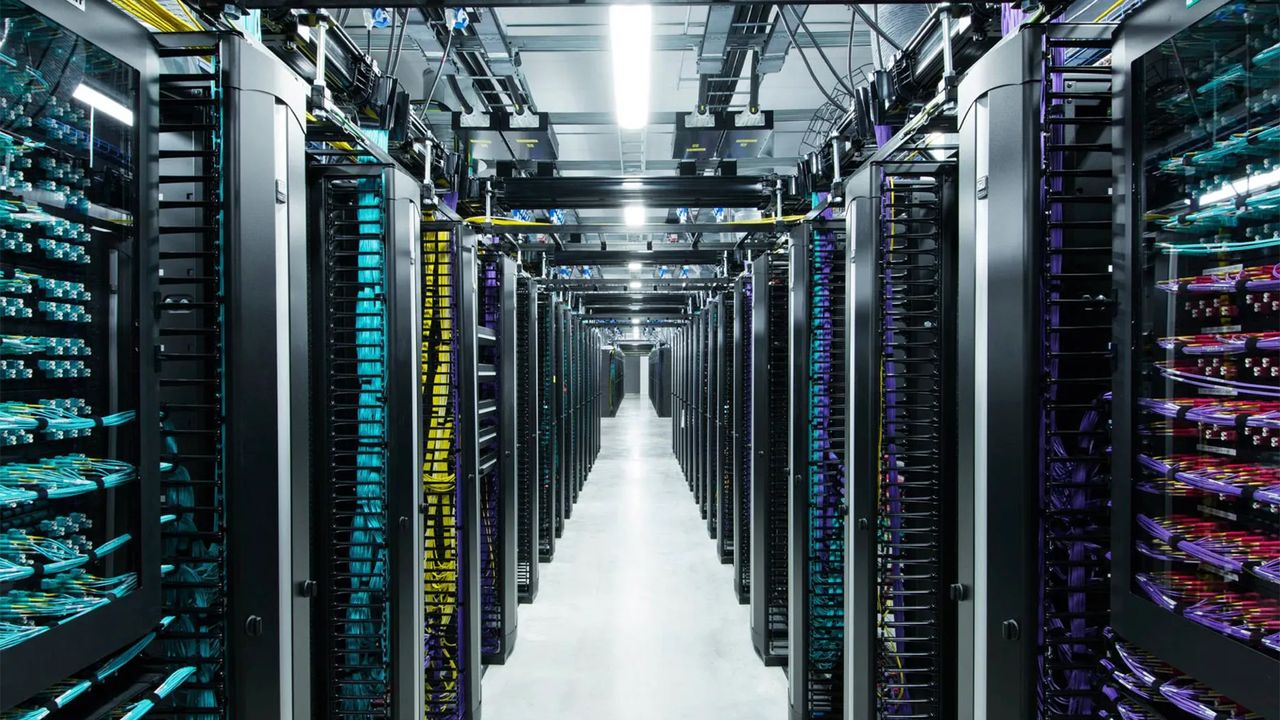
Intel and SambaNova's new heterogeneous AI inference platform combines GPUs/AI accelerators, SambaNova RDUs, and Intel Xeon 6 processors. Targeting a broad range of agentic workloads for H2 2026, it promises easy data center integration and competitive performance, aiming to challenge market leaders.

Aetherflux, founded by Robinhood co-founder Baiju Bhatt, is reportedly raising a Series B round of $250M-$350M at a $2 billion valuation, with Index Ventures leading. The startup has strategically pivoted from space solar power to developing space data centers for AI, aiming to launch its first orbital data center by 2027. This move places Aetherflux in a competitive emerging market alongside other major space companies.

Blue Origin has filed with the FCC for Project Sunrise, a constellation of up to 51,600 data center satellites, intensifying the space data race. This initiative aims to address terrestrial power and cooling limits for AI, complementing Blue Origin's TeraWave network. The move immediately sparked an objection from competitor SpaceX, highlighting the escalating rivalry between Jeff Bezos and Elon Musk in orbital infrastructure.

Cloudflare CEO Matthew Prince predicts that AI bot traffic will surpass human internet usage by 2027, driven by the insatiable data needs of generative AI. This significant platform shift demands new infrastructure, like adaptable "sandboxes," and places immense strain on existing data centers globally.
Nscale, a London-based AI data center company, has secured $2 billion in funding from investors including Nvidia, boosting its valuation to $14.6 billion. Adding to its momentum, former Meta COO Sheryl Sandberg will join Nscale's board as an adviser. Led by former coal miner Josh Payne, Nscale is rapidly expanding its infrastructure to meet the surging demand for AI computing power from clients like Microsoft and OpenAI.

Target Hospitality, a company known for operating an ICE detention facility, is rapidly expanding into the burgeoning market of "man camps" to house workers building massive AI data centers. The firm has secured over $132 million in contracts to construct and manage temporary villages, including one for a 1.6-gigawatt data center in Texas, signaling a significant pivot to capitalize on the AI infrastructure boom. This move highlights a new lucrative opportunity for companies with expertise in large-scale, remote housing solutions.

WASHINGTON D.C. – Major technology companies, including industry giants like Microsoft, Meta, OpenAI, Google, Oracle, Amazon, and xAI, gathered at the White House on Wednesday to sign a nonbinding pledge championed by

Washington state's House Bill 2515, aimed at regulating data centers for environmental and ratepayer protection, has failed to pass. The bill's demise followed significant lobbying efforts and public opposition from major tech companies like Microsoft and Amazon, despite support from environmental groups and consumer advocates.
