368 results found
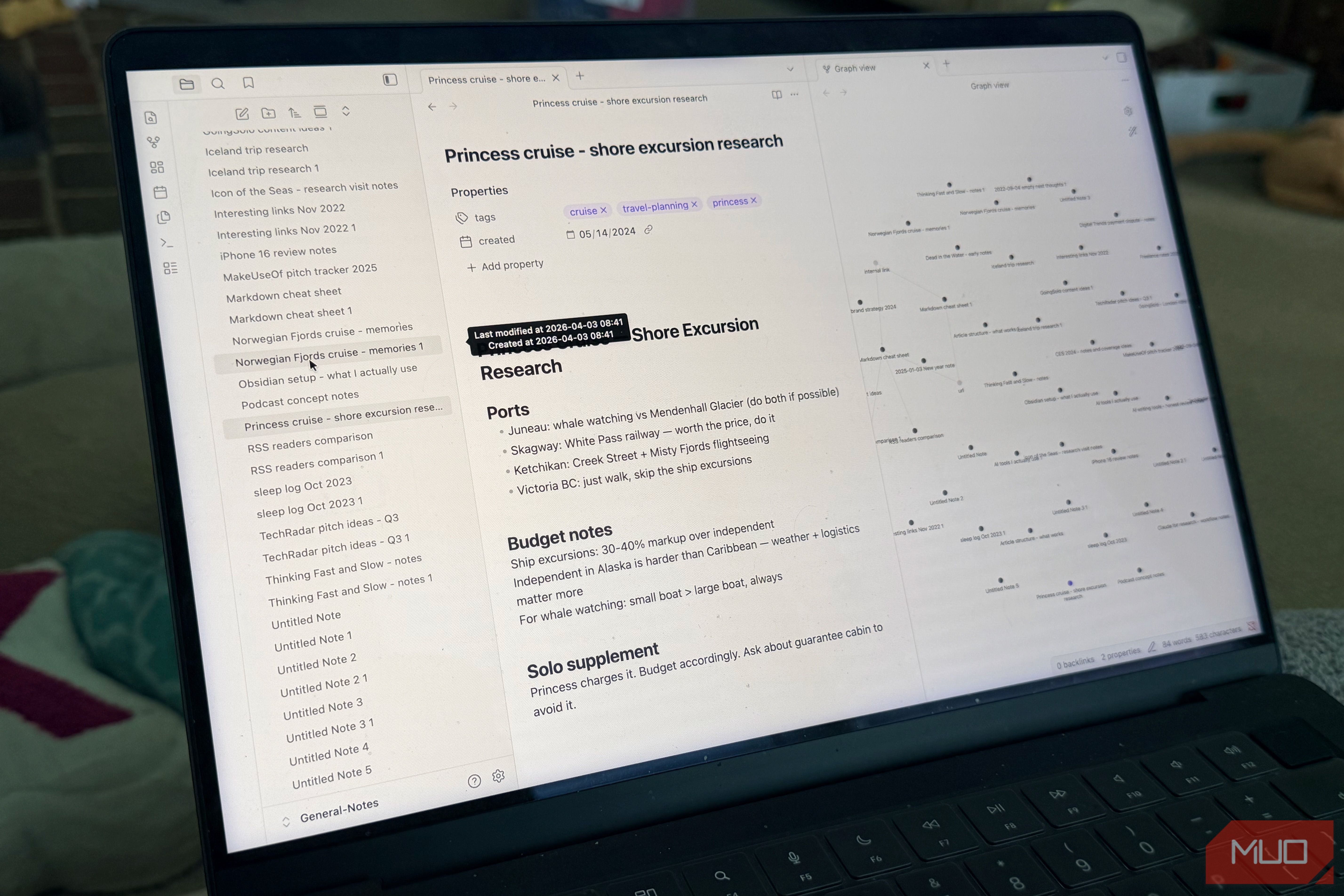
Are years of accumulated notes in Obsidian starting to feel less like a second brain and more like a digital junk drawer? You're not alone. Many long-term Obsidian users find their vaults growing into a chaotic mess of

Europe's tech sector saw substantial funding from March 30-April 5, led by Mistral AI's $830M debt for AI compute. The week highlighted a strategic European focus on building foundational infrastructure across AI, quantum, and deep tech, aiming for increased technological autonomy and global influence.

OCSF, an open-source framework, is rapidly standardizing cybersecurity data across vendors, streamlining threat detection and investigation. Its adoption is critical for managing AI's increasing complexities in security operations.

As generative AI makes distinguishing human from machine-made content increasingly difficult, creators are urgently seeking a unified "AI-free" label. Current efforts are fragmented, facing challenges in definition and verification, while blockchain offers a promising path to secure human authorship.

Meta has indefinitely paused its collaboration with data vendor Mercor due to a significant security breach that could expose proprietary AI training data. The incident, confirmed by Mercor on March 31, is linked to the TeamPCP hacking group and impacts crucial information for major AI labs like OpenAI and Anthropic. This supply chain attack highlights the vulnerabilities in the AI ecosystem and the sensitive nature of data used for model development.

The MSI Pro MP243W 24-inch monitor is a standout among cheap displays, offering solid performance and a 144Hz refresh rate for just $80. Ideal for budget-conscious users, students, or as a secondary office display, it provides great value despite trade-offs in brightness and viewing angles.

Gateway Capital, founded by Dana Guthrie, has completed the first close of its $25 million target Fund II, enabling immediate investment operations. The Milwaukee-based firm plans to back at least 20 Midwest-focused companies with average checks between $500,000 and $600,000, targeting sectors like supply chain, logistics, and manufacturing AI.

Charlie Day, the voice of Luigi in *The Super Mario Galaxy Movie*, caused a stir by humorously ranking alleged murderer Luigi Mangione as his second favorite Luigi during a press tour. This unexpected moment, in a usually controlled Nintendo environment, has generated significant online buzz and likely a PR headache for the gaming giant. Day's unfiltered personality shone through, creating a memorable, albeit controversial, interview highlight.

Anthropic's Claude Code AI agent source code, comprising 512,000 lines of TypeScript, was accidentally leaked, revealing critical architectural details, security validators, and unreleased features. This breach creates new attack paths and forces enterprise security leaders to take immediate actions to protect their AI-assisted development environments.

Discovering hidden features within your favorite apps can be a delightful surprise, and TikTok is no exception! Beyond endless scrolls of short-form videos, there's a charmingly simple game tucked away in your direct
Intel's Binary Optimization Tool (BOT) significantly boosts Geekbench 6.3 scores by up to 30%, primarily through aggressive instruction vectorization. However, BOT is opaque, supports only a handful of applications, and introduces a startup delay. This leads to concerns about fair benchmarking, as it measures peak rather than typical performance, creating an unrealistic advantage for Intel CPUs against competitors.

Nomadic secures $8.4 million in seed funding, valuing the AI startup at $50 million. Its platform transforms vast autonomous vehicle and robot video data into structured, searchable datasets, critical for AI training and identifying crucial edge cases.

Quick Verdict: Steer Clear of The White House App In the world of government digital outreach, the official "The White House" app stands out for all the wrong reasons. Promising "Unparalleled access to the Trump

Mantis Biotech has secured $7.4 million in seed funding to advance its platform for creating 'digital twins' of humans. These physics-based, predictive models aim to solve the critical data availability issues in biomedical research, especially for rare diseases, by generating synthetic datasets. Currently, Mantis is applying its technology in professional sports to predict athlete performance and injury, with plans to expand into preventative healthcare and pharmaceutical research.
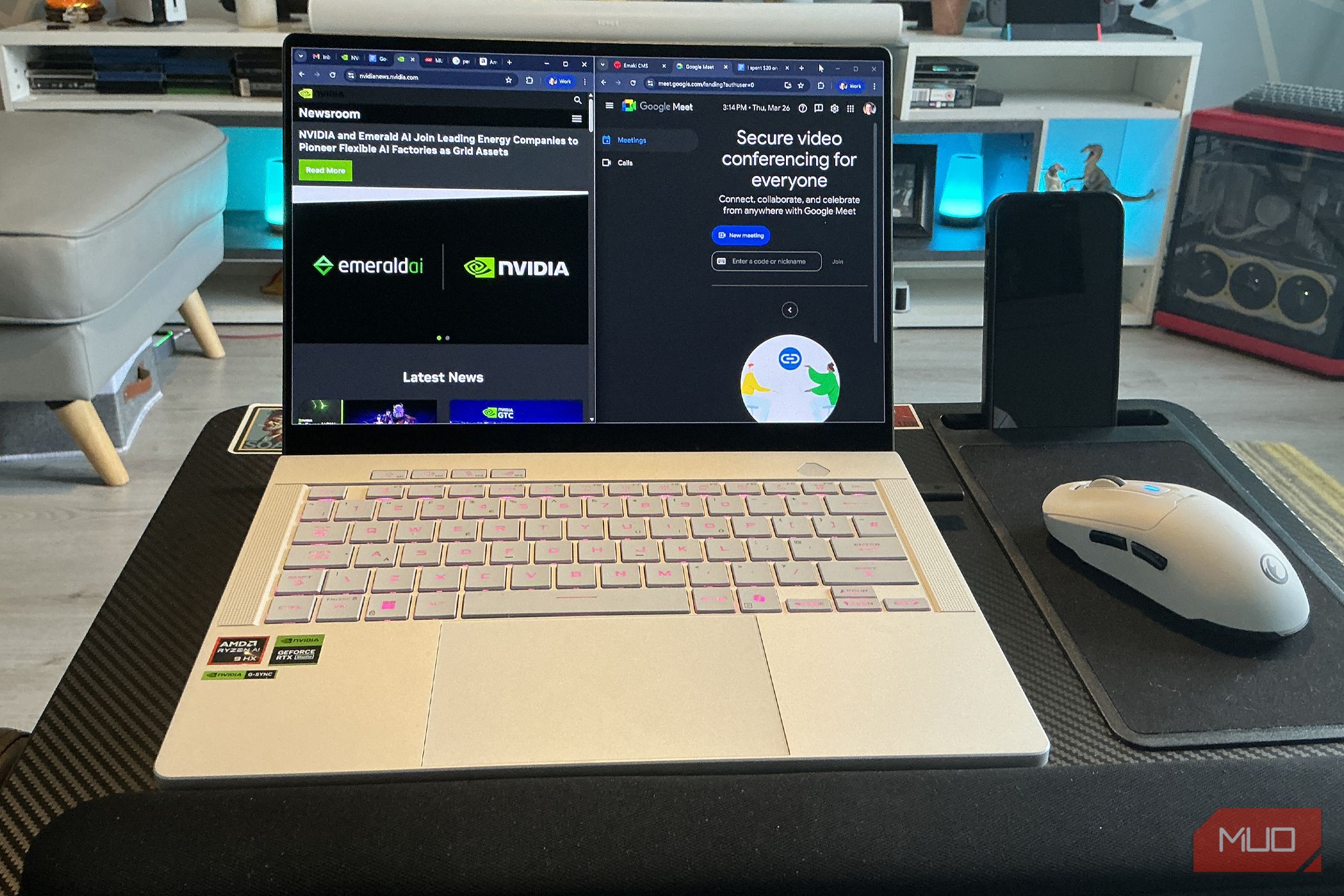
Have you ever considered that your powerful gaming laptop might be secretly yearning to tackle your workday tasks? Many high-performance gaming machines possess the robust internal components and visual fidelity that

Europe's tech sector saw over $1.1 billion in funding and fund closes from March 23-29, with significant investments flowing into deep tech, AI infrastructure, and a diverse range of sectors including biotech, space, and defense. This highlights a strategic continental focus on foundational innovations and long-term technological advancements.

Polygraphs are an outdated and scientifically unreliable technology for lie detection. Despite ongoing use in law enforcement and security, they are prone to false positives, can be coercive, and are vulnerable to countermeasures. While machine learning offers minor improvements to interpretation, fundamental flaws remain, making their continued reliance problematic.

Learn how to quickly resolve common issues where your VPN prevents local network devices like printers and Chromecasts from connecting, all in under a minute with a simple setting change.

Ars Technica's review of new research debunks the long-accepted 'oxygen constraint hypothesis' for ancient giant insects. The study shows insect breathing systems were not a limiting factor for size, shifting focus to predation, thermoregulation, and molting as new potential explanations.

Quick Verdict: A Troubling Lapse in Digital Fortress EU In the ever-evolving landscape of digital security, a data breach isn't just an inconvenience; for an entity as pivotal as the European Commission, it's a stark

Super Micro is facing a shareholder lawsuit alleging securities fraud due to its undisclosed dependence on illegal AI chip sales to China, which reportedly inflated its stock price. Employee charges related to a sophisticated smuggling operation led to a 33% stock drop, wiping out over $6 billion in investor value.

A new TIGA report reveals the UK games development sector is facing its "most severe downturn on record," with a 4.5% year-on-year employment fall and a significant drop in new studio formation. Larger studios were hit hardest, while mobile and PC development saw substantial declines. TIGA attributes this to weak global sales and poor financing, urging government intervention like enhancing the Video Games Expenditure Credit to stimulate recovery and prevent further job losses.

Norwegian startup Lace has secured $40 million in Series A funding to advance its groundbreaking chip-making technology. The company plans to replace traditional light-based lithography with helium atom beams, promising chip features up to ten times smaller than current capabilities. This investment, led by Atomico and including Microsoft's M12, highlights a strategic push to diversify the semiconductor supply chain and meet growing AI demand.

Multi-stage attacks are complex, multi-phased cybersecurity campaigns, much like boss battles in a video game, that evolve over time to achieve their objectives. They pose significant detection challenges due to their stealth and ability to blend with legitimate activities. AI plays a dual role, enhancing defense through advanced anomaly detection while also empowering attackers with more sophisticated methods.

Optimize your Ring device's settings to enhance privacy, reduce annoying alerts, and get the most out of its features. This guide provides 10 essential hacks for a smarter, more secure Ring experience.
