
10 Ring Hacks to Enhance Privacy and User Experience
Optimize your Ring device's settings to enhance privacy, reduce annoying alerts, and get the most out of its features. This guide provides 10 essential hacks for a smarter, more secure Ring experience.

Your Ring camera or doorbell is a valuable tool for home security, but are you using it optimally while safeguarding your privacy? Default settings often lead to frequent, unnecessary alerts and potential security vulnerabilities. This guide will walk you through 10 essential adjustments every Ring user should know. By following these simple, actionable steps, you can significantly minimize annoyances, boost your privacy, and ensure your devices work smarter for you, providing a more tailored and secure experience.
Prerequisites
Before you begin optimizing your Ring setup, make sure you have the following:
- A Ring camera or doorbell device.
- The Ring app installed on your mobile device.
- An active internet connection.
- Note: Certain advanced features like Smart Alerts, End-to-End Encryption, and local storage via Ring Edge require a paid Ring Protect subscription.
1. Snooze Motion Alerts to Minimize Distractions
Motion alerts are crucial, but constant notifications when you're active around your property (like doing yard work or hosting a party) can be disruptive. Temporarily pausing these alerts allows you to stay focused without missing important events.
How to do it:
- Open the Ring app.
- For a Global Snooze (pauses alerts for all cameras and doorbells): Tap the motion icon.
- For an Alerts Snooze (pauses notifications from a specific device): Tap the "More" icon on that camera, then tap the bell icon to toggle the snooze.
- Choose your desired snooze duration.
- Tap "Start Snooze" or confirm your selection.
Tip: Even when snoozed, Doorbell Rings and Priority Alerts will still come through. If you use Virtual Security Guard, you can also enable Motion Snooze for enrolled devices to temporarily pause that service.
2. Optimize Motion Zones for Relevant Alerts
Customize your camera's motion detection to focus only on areas that matter, effectively reducing alerts from irrelevant sources like busy streets or private zones you don't need to monitor. This ensures you're notified about actual activity on your property.
How to do it:
- In the Ring app, go to your device's Settings.
- Navigate to Motion Settings, then Camera Motion Zones.
- Tap Add Zone.
- Drag the zone boundaries to outline the specific area you want to monitor within your camera's field of view.
- Tap Save.
Tip: You can set up to three distinct motion zones per device for precise monitoring, helping to curate your alerts effectively.
3. Set Up Smart Alerts for Targeted Notifications
Go beyond basic motion detection by choosing to receive alerts and recordings specifically for people, vehicles, or packages. This feature significantly reduces unnecessary notifications triggered by general movement, making your alerts more meaningful.
Prerequisite: This feature requires a Ring Protect subscription.
How to do it:
- Go to your device's Settings.
- Tap Motion Settings, then Smart Alerts.
- Tap Enable Feature, then Continue.
- Choose your preferred alert categories (e.g., People, Vehicles, Packages).
Note: Not all Ring devices are compatible with all three Smart Alert categories.
4. Customize Your Neighborhood Area for Local Updates
Neighbors is an online community where Ring users can share information. By customizing your neighborhood area, you ensure you receive relevant local updates, such as fire or safety alerts, without needing to make your own camera content public. This is especially useful in active communities.
How to do it:
- In the Ring app, go to Menu.
- Tap Neighbors, then Settings.
- Select Customize Neighborhood.
- Adjust the boundaries of your alert area to receive updates specific to your vicinity.
Tip: This allows you to stay informed about local issues without broadly sharing your camera's content.
5. Opt Out of Community Requests for Enhanced Privacy
Ring's Community Requests feature allows law enforcement to ask users to share video footage. While Ring states footage isn't automatically shared, many users have privacy concerns. You can completely opt out of these requests to maintain control over your content.
How to do it:
- In the Ring app, navigate to Neighborhood Settings.
- Tap Feed Settings.
- Deselect the Community Requests option.
- Tap Apply.
Alternative: You can also simply ignore Community Requests if they appear in your Neighbors feed without turning them off entirely.
6. Disable Search Party Surveillance for Pet & People Privacy
Ring's Search Party feature uses AI to identify pets in your camera's view and pools this footage with other cameras to help find lost animals. However, this functionality comes with significant privacy concerns regarding how footage might be used for surveillance beyond pets.
How to do it:
- In the Ring app, go to Control Center.
- Tap Search Party.
- Tap the blue Pet icon next to each camera for which you want to disable this feature.
Context: This feature, introduced via a Super Bowl ad, raises questions about broader AI-powered surveillance and data pooling.
7. Disconnect from Amazon Sidewalk's Mesh Network
Amazon Sidewalk utilizes your Ring device and others in your neighborhood to create a shared mesh network, aiming to keep devices connected even if your Wi-Fi is weak. While Amazon touts benefits like extended range for smart devices, you might prefer not to use your bandwidth for this purpose or introduce potential privacy considerations to your home network.
How to do it:
- Open the Ring app.
- Go to the Control Center.
- Locate and disable the Amazon Sidewalk setting.
8. Disable Third-Party Provider Sharing for Your Data
Like many online services, Ring shares specific information with third parties for purposes such as personalized advertising. While Ring states it does not sell personal data, previous research indicated the app contained third-party trackers sharing personally identifiable information. Ring has since added an opt-out feature to protect your data.
How to do it:
- In the Ring app, go to Menu.
- Tap Control Center.
- Select Cookies and Third Party Service Providers.
- Turn off both Third-Party Web and App Analytics Cookies and Personalized Advertising.
9. Enable End-to-End Encryption (E2EE) for Ultimate Footage Privacy
For the highest level of privacy for your Ring footage, enable End-to-End Encryption. This prevents anyone except you from accessing your recordings, adding a robust layer of protection against hackers and even Ring itself, as videos are secured behind a passphrase and viewable only on your enrolled mobile device.
Prerequisite: Requires a paid Ring Protect subscription.
How to do it:
- Go to your Control Center.
- Tap Video Encryption.
- Select End-to-End Encryption.
- Follow the in-app prompts to complete the setup.
Important Note: Enabling E2EE means you will lose access to several features, including 24/7 video recording and Person Detection. This trade-off is essential to consider for maximum privacy.
10. Set Up Local Storage for Greater Control and Privacy
While a Ring Protect subscription stores your videos in the cloud, setting up local storage provides more control, increased space, and enhanced privacy for your recordings. This is an excellent alternative, especially if you want to keep footage off cloud servers entirely.
Prerequisite: Requires an investment in a Ring Alarm Pro Base Station and a MicroSD card.
How to do it:
- Acquire a Ring Alarm Pro Base Station.
- Insert a MicroSD card into the Base Station to enable local storage via Ring Edge. (Specific setup details for Ring Edge are typically found within the Ring app after hardware installation).
Alternative: If you don't have a Ring Protect subscription, local storage via Ring Edge is a primary option for saving videos. With a Ring Protect subscription, you can also adjust cloud video retention to as short as one day for privacy if E2EE isn't active.
Conclusion
By implementing these 10 practical hacks, you've significantly enhanced your Ring experience, making it more private, secure, and tailored to your preferences. Remember to periodically review your device settings, as Ring's features and your personal security needs may evolve. Staying informed and proactive is key to maintaining a smart, secure, and private home environment.
FAQ
Q: Do I need a Ring Protect subscription for all these features? A: No, many of these hacks, such as snoozing alerts, optimizing motion zones, and opting out of data sharing, are available to all users without a subscription. However, features like Smart Alerts, End-to-End Encryption, and the Ring Edge local storage option do require a paid Ring Protect subscription.
Q: Will turning off features like Amazon Sidewalk or third-party sharing affect my device's functionality? A: Disabling Amazon Sidewalk means your device won't contribute to the neighborhood mesh network. While this might slightly reduce the range for some smart home devices, your core Ring functionality should remain unaffected. Turning off third-party sharing safeguards your data and personalized advertising preferences without compromising the essential security features of your Ring device.
Q: If I enable End-to-End Encryption, what features will I lose? A: The source content indicates that enabling End-to-End Encryption comes with a trade-off. You will lose access to a considerable list of features, specifically including 24/7 video recording and Person Detection. Additionally, your encrypted videos will only be viewable on your enrolled mobile device.
Related articles

Apple Unveils iPhone Duo: Pricey Foldable Sees Soaring Demand
Apple has officially entered the foldable smartphone arena with the long-anticipated launch of the iPhone Duo. Priced starting at a hefty $1,999, the device features a 5.4-inch outer display and a larger 7.6-inch inner
Android 17 QPR2 Beta 7.1: The Performance Relief You've Been Waiting
Android 17 QPR2 Beta 7.1: Finally Fixing the QPR1 Performance Woes Verdict: Android 17 QPR2 Beta 7.1 is a crucial and highly anticipated software update for Google Pixel users, specifically targeting and resolving the

DJI Solo Video Setups: Smart Choices for Lone Creators
This review delves into DJI's recommended solo video setups, highlighting the Osmo Pocket 3 Creator Combo as a top pick for its integrated camera, gimbal, and mic. It also covers stabilizers like the Osmo Mobile 8 and RS 4, and the DJI Mic Mini series for enhanced audio, providing honest pros, cons, and clear buying advice.

TCG Pocket Responds: A Much-Needed Pace Shift for Pokémon Fans
Pokémon TCG Pocket is rolling out a major update for its second anniversary, primarily addressing player concerns about overwhelming content releases by shifting to a six-week set schedule. This aims to curb player decline and improve overall engagement by giving trainers more time to collect and strategize. The update also adds new collection methods, improved deck-building features, and enhanced trading functionality.
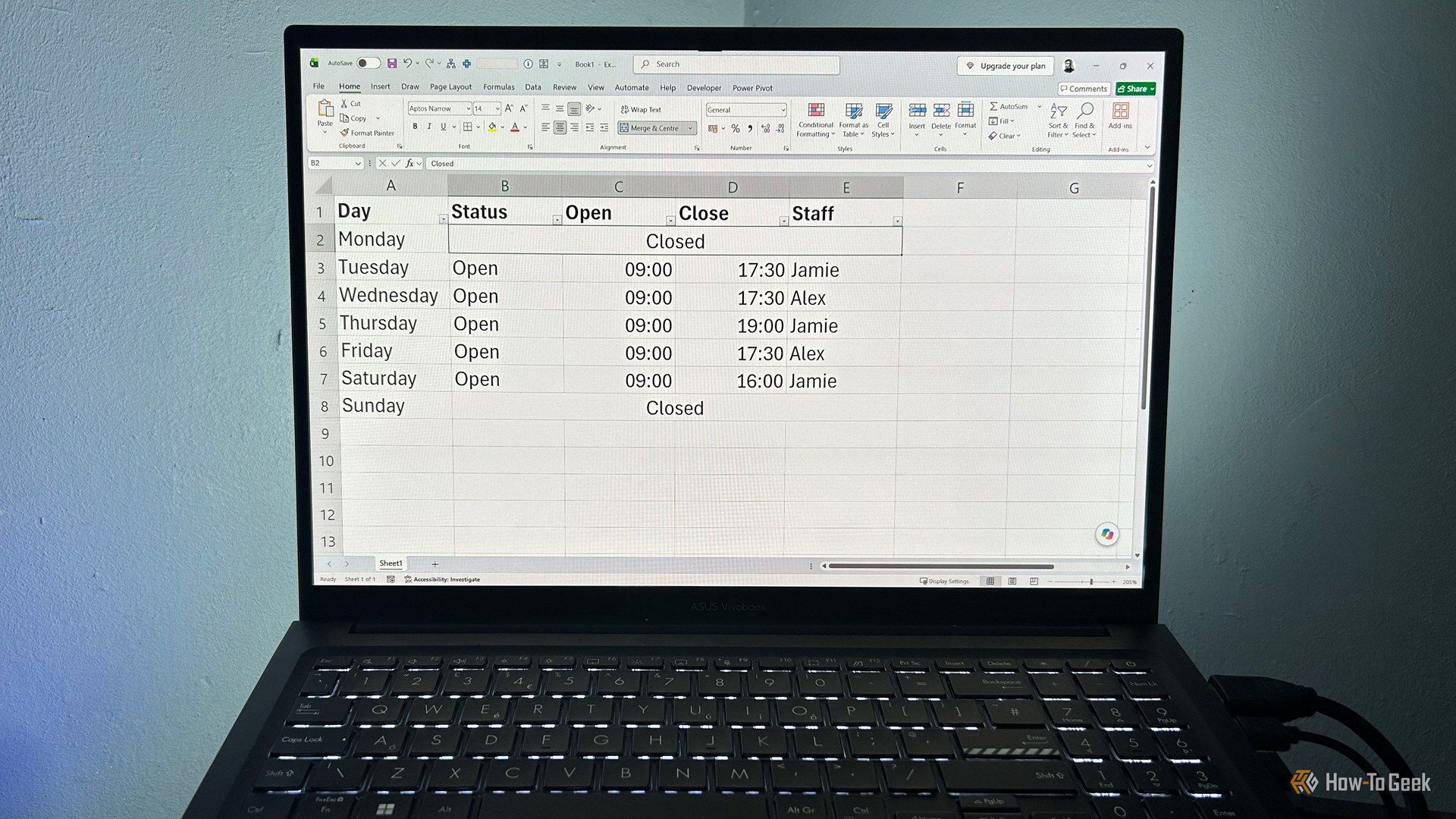
Ditch Merge & Center: The Better Way to Align Text in Excel
Learn to use Excel's "Center Across Selection" to align text across cells without merging, avoiding common data manipulation issues. This guide provides steps to utilize this newly accessible feature and add it to your Quick Access Toolbar.

Mark Wahlberg on using AI in film ‘the right way’ and being open to
Actor Mark Wahlberg believes AI has a place in filmmaking if used responsibly for enhancement, not script generation or actor replacement. At TechCrunch Disrupt, he expressed openness to an AI likeness carrying on his legacy, managed by his family, and emphasized storytelling.