
Polygraphs: Flawed & Outdated Tech in the Quest for Truth
Polygraphs are an outdated and scientifically unreliable technology for lie detection. Despite ongoing use in law enforcement and security, they are prone to false positives, can be coercive, and are vulnerable to countermeasures. While machine learning offers minor improvements to interpretation, fundamental flaws remain, making their continued reliance problematic.
Verdict: A Legacy of Doubt
Polygraphs, often colloquially known as "lie detectors," represent an antiquated technology with deep-seated flaws that render them scientifically unreliable for their intended purpose. Despite a century of use, particularly in sensitive government and law enforcement contexts, extensive research and real-world examples consistently highlight their inability to accurately discern truth from deception. While the pursuit of reliable lie detection continues, the polygraph's foundation is too shaky to recommend its continued reliance, especially when human liberty and national security are at stake.
Unpacking the "Truth Machine": How it's Supposed to Work
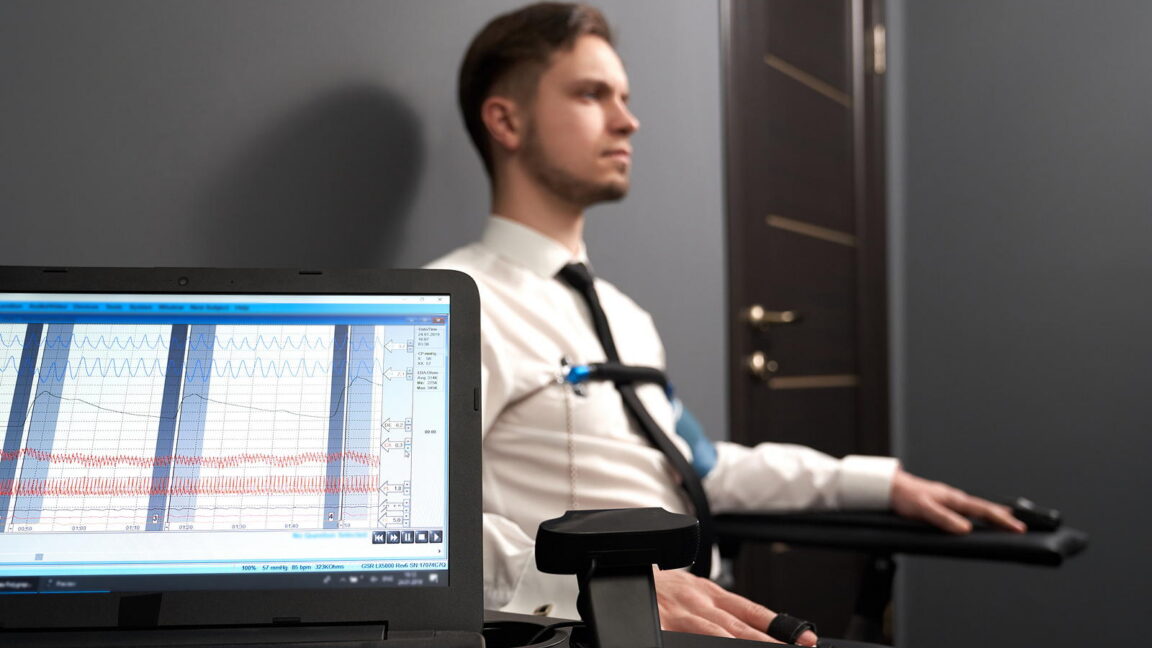
The polygraph's origins trace back to 1921, with John Augustus Larson, a police officer with a doctorate in physiology, building upon earlier concepts by psychologist William Moulton Marston (the creator of Wonder Woman and her Lasso of Truth). The core idea is deceptively simple: measure physiological responses to detect stress associated with lying. Historically, and even in modern iterations, this involves monitoring a subject's pulse, blood pressure, and respiration. Newer machines also incorporate skin conductivity measurements, acting as a proxy for sweating.
The examination process typically begins with an examiner establishing a baseline of the subject's normal physiological responses. During the actual test, subjects are asked a series of "innocuous" control questions (e.g., their name) alongside "charged" questions directly relevant to the investigation (e.g., "Did you murder Sally?"). The theory posits that a deceptive response to a charged question will cause a measurable spike in these physiological metrics—an elevated heart rate, increased sweating, higher blood pressure, or faster breathing—compared to truthful responses. An examiner then interprets these graphical spikes to determine if deception occurred. This basic methodology has remained largely unchanged for over a century, earning it the moniker of a "zombie thing" that persists despite its limitations.
The User Experience: More Stress, Less Truth
For anyone undergoing a polygraph, the experience is fraught with potential for misinterpretation and severe consequences. While their scientific validity is widely questioned, and they are generally inadmissible in most US courts and cannot be used for private sector hiring, polygraphs remain entrenched in law enforcement investigations and security clearance applications. This continued usage exposes subjects to a system where the odds can be stacked against them.
Research has consistently shown that polygraphs are prone to false positives, meaning innocent individuals are incorrectly identified as deceptive. A landmark 2003 report by the National Academies of Sciences, Engineering, and Medicine criticized the low quality of polygraph research, the inadequate theoretical basis for how it supposedly detects lies, and its unacceptably high rates of false positives and risky false negatives. Recent studies, cited by William G. Iacono and Ben Denkinger, experts who consult for the Innocence Project, highlight that polygraphs can identify only about 75 percent of guilty individuals, but struggle significantly with truth-tellers, accurately identifying them only around 57 percent of the time. This means innocent people are at a considerable disadvantage, facing a nearly 50/50 chance of being wrongly accused of lying.
Furthermore, the "user experience" is often tainted by coercive tactics. Law enforcement is permitted to mislead subjects, telling them they are failing the polygraph even if they are not. This practice is a major contributor to false confessions, as documented in 56 cases from the National Registry of Exonerations where polygraphs were part of the interrogation leading to wrongful confessions. Even high-profile espionage cases, like that of Aldrich Ames, who passed two polygraphs while actively spying for the KGB, demonstrate the device's vulnerability to countermeasures and the inadequacy of examiner interpretation.
Alternatives: A Glimmer of Hope or Persistent Complexity?
Given the polygraph's profound drawbacks, the search for more scientifically robust deception detection methods is ongoing. Researchers are exploring various avenues, including monitoring involuntary eye behaviors and analyzing brain activity. However, many experts, like legal scholar Kyriakos Kotsoglou, question whether true, quantifiable lie detection is even possible, citing the inherent complexity of human thought and behavior.
One interesting development aims not to replace the polygraph entirely, but to improve its interpretation. A 2023 paper in Nature's Scientific Reports described the development of machine-learning models designed to provide a secondary, less subjective opinion on human polygraph examiners' conclusions. These models showed promise in detecting human errors in real-life screening data, potentially reducing the subjectivity inherent in traditional polygraph analysis. However, critics like Kotsoglou argue that simply automating the interpretation of an already flawed methodology doesn't address the fundamental scientific and ethical concerns.
Polygraph vs. Machine Learning Enhanced Polygraph
| Feature | Traditional Polygraph | ML Enhanced Polygraph |
|---|---|---|
| Mechanism | Human examiner interprets physiological responses | ML models analyze polygraph data, provide a second opinion |
| Reliability | Low, highly subjective, prone to human error | Potentially reduces human interpretive error, improves objectivity |
| Scientific Validity | Widely questioned, inadequate theoretical basis | Still reliant on polygraph's underlying flawed premises |
| Admissibility | Not generally in most US courts | Legal and ethical concerns persist, not a standalone solution |
| Coercion Risk | High due to examiner misrepresentation of results | Addresses interpretive error, but underlying issues of coercion remain |
| Countermeasures | Vulnerable to deliberate manipulation (e.g., KGB advice) | Doesn't inherently solve the problem of countermeasures |
The Verdict: Proceed with Extreme Caution
From an honest reviewer's perspective, the traditional polygraph is a piece of technology whose time has long passed. Its scientific unreliability, propensity for false positives, vulnerability to countermeasures, and potential for coercive misuse make it unsuitable for high-stakes applications like criminal investigations and security clearances. The National Center for Credibility Assessment's (NCCA) justification for its use – deterring information withholding and eliciting admissions – underscores its role as an interrogation tool rather than a truth-finding instrument.
While advancements like machine learning models offer a glimmer of hope for reducing human error in interpreting polygraph data, they do not resolve the fundamental scientific invalidity of the polygraph itself. Investing in the development of genuinely new, evidence-based methods based on brain activity or other physiological markers might eventually yield better results, but these are still in early stages. For now, the polygraph should be relegated to the history books, or at best, used with extreme caution and a full understanding of its severe limitations. Its continued widespread use is a disservice to justice and potentially a risk to national security.
FAQ
Q: Are polygraph results admissible in US courts? A: Generally, no. Most US courts do not admit polygraph results as evidence due to their scientific unreliability. However, confessions obtained as a result of a polygraph examination can sometimes be used in court, even if the polygraph itself is not.
Q: Why do government agencies still use polygraphs if they are unreliable? A: According to the Defense Counterintelligence and Security Agency, polygraphs are used as an aid to focus security and investigative resources. They believe polygraphs deter applicants from withholding critical information and often elicit admissions vital to managing national security risks, despite acknowledging the scientific community's concerns.
Q: Can a truthful person fail a polygraph test? A: Yes, absolutely. Research indicates that polygraphs only accurately identify truth-tellers around 57% of the time, meaning innocent individuals are at a significant disadvantage and can easily fail the test due to nervousness, anxiety, or the test's inherent flaws. Polygraph examiners can also misrepresent results, falsely telling a truthful person they have failed.
Related articles
Android 17 QPR2 Beta 7.1: The Performance Relief You've Been Waiting
Android 17 QPR2 Beta 7.1: Finally Fixing the QPR1 Performance Woes Verdict: Android 17 QPR2 Beta 7.1 is a crucial and highly anticipated software update for Google Pixel users, specifically targeting and resolving the

DJI Solo Video Setups: Smart Choices for Lone Creators
This review delves into DJI's recommended solo video setups, highlighting the Osmo Pocket 3 Creator Combo as a top pick for its integrated camera, gimbal, and mic. It also covers stabilizers like the Osmo Mobile 8 and RS 4, and the DJI Mic Mini series for enhanced audio, providing honest pros, cons, and clear buying advice.

Mark Wahlberg on using AI in film ‘the right way’ and being open to
Actor Mark Wahlberg believes AI has a place in filmmaking if used responsibly for enhancement, not script generation or actor replacement. At TechCrunch Disrupt, he expressed openness to an AI likeness carrying on his legacy, managed by his family, and emphasized storytelling.

Ars Technica's Rocket Report: Your Essential Space Industry Briefing
Quick Verdict Ars Technica's Rocket Report, presented by veteran space reporter Stephen Clark, offers an invaluable and meticulously organized weekly (or similar frequency, implied by "Edition 9.15") digest of the most

Apple iPhone Duo: A Daring Debut with Notable Compromises
Apple's highly anticipated iPhone Duo, priced at $2,000, has gone on pre-order. While hailed as "Apple's most exciting device in a decade" for its innovative foldable design and immersive display, it comes with significant drawbacks like the absence of FaceID and a premium camera.
Amazon Prime Video Launches AI-Powered Prime 360 for NBA Coverage
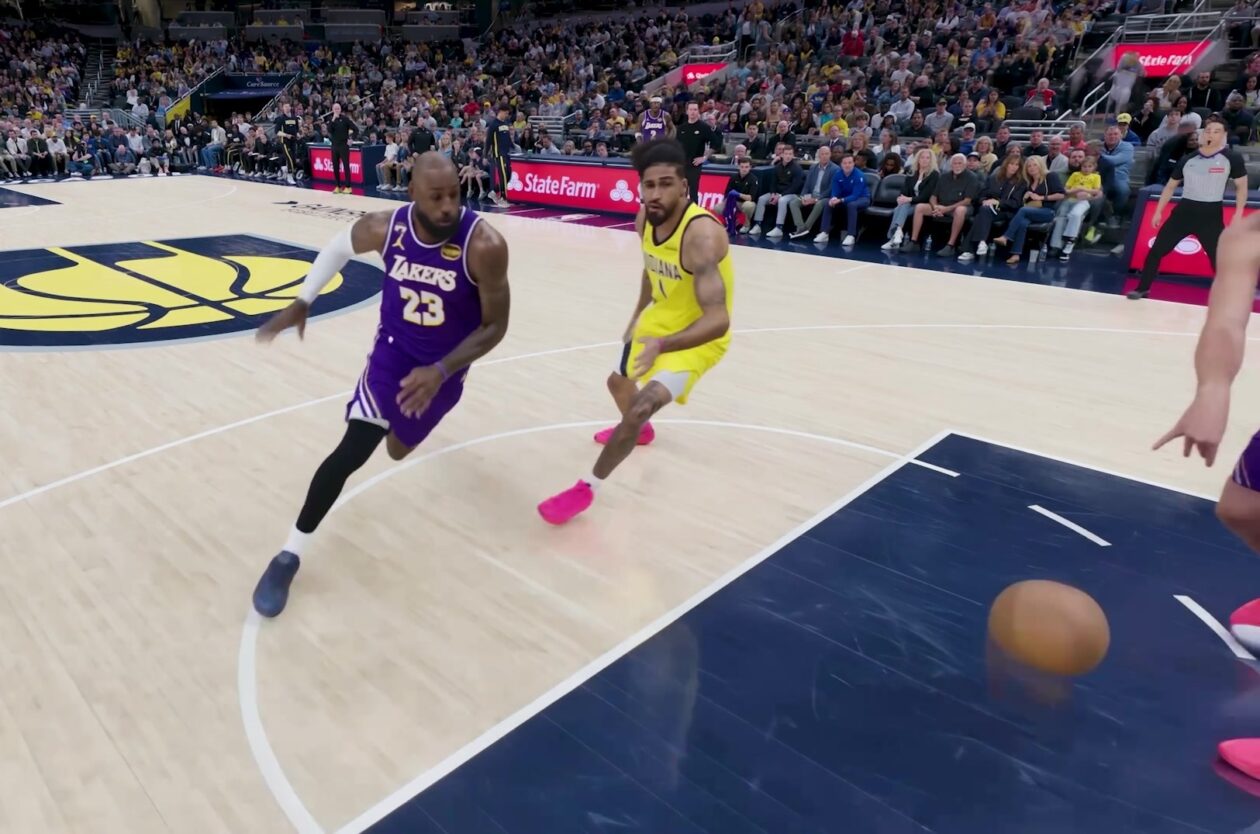
Amazon Prime Video is elevating its NBA coverage with the introduction of Prime 360, an AI-powered replay system offering immersive, 'fly through' views of the action. Kicking off its second season, Prime Video also adds Yahoo fantasy integration and gains exclusive Eastern Conference Finals rights, expanding its tech-driven sports broadcast. The new features aim to deliver a unique and interactive viewing experience for basketball fans.