
The White House App: A Hot Mess of Privacy & Security Risks
Quick Verdict: Steer Clear of The White House App In the world of government digital outreach, the official "The White House" app stands out for all the wrong reasons. Promising "Unparalleled access to the Trump

Quick Verdict: Steer Clear of The White House App
In the world of government digital outreach, the official "The White House" app stands out for all the wrong reasons. Promising "Unparalleled access to the Trump administration," what it actually delivers is a labyrinth of privacy and security vulnerabilities that should alarm any user. After a brief download and swift deletion, my verdict is unequivocal: this app is a cybersecurity disaster waiting to happen, and you're far better off without it.
An Overview: What the App Tries to Be
Launched with the intention of bringing the Trump administration closer to the public, "The White House" app is available for both Android and iOS devices. Its stated goal is admirable: to offer a direct conduit to White House content. Upon opening, users are greeted with a short video collage featuring President Donald Trump, accompanied by music, setting a distinct tone. The app then navigates through various sections, aiming to inform and engage.
Key content includes pages dedicated to "affordability," showcasing prices of common goods like eggs and milk (though notably omitting gas prices). There's an overtime calculator, a practical tool perhaps designed to appeal to a broad audience. The app also serves as a news aggregator, linking directly to articles from news outlets favored by the Trump administration, such as Fox News and Newsmax, alongside official White House press releases. For those interested in real-time updates, it offers livestreams and videos of press briefings, connects to the White House's social media feeds, and features numerous photos of the president.
On the surface, these features present a straightforward, albeit curated, portal to government information and perspectives. However, it's what lies beneath this façade that raises grave concerns, turning what could be a helpful tool into a significant risk.
Design, User Experience, and Underlying Flaws
The app's design appears functional for its purpose, guiding users through different content categories. The inclusion of multimedia like videos and livestreams suggests an effort to provide dynamic engagement. However, the user experience is overshadowed by foundational issues that compromise its integrity and safety.
The core problem isn't the user interface or content presentation, but rather the deeply embedded privacy and security concerns that have experts sounding the alarm. This isn't just about a glitchy feature; it's about the very framework upon which the app is built, which exhibits a startling lack of modern security protocols and a disregard for user data protection.
The Alarming Security & Privacy Nightmare
The most significant drawbacks of The White House app are its glaring security and privacy vulnerabilities, which were quickly identified by independent researchers. These issues transform a seemingly innocuous information portal into a potential data harvesting and cyberattack vector.
Location Tracking & Data Sharing: One of the most egregious findings comes from X user @Thereallo1026, who decompiled the Android version of the app. Their analysis revealed that the app is designed to track a user's location as frequently as every 4.5 minutes. Even more concerning, this location data, along with notifications and potentially even the user's phone number, is shared with a third-party server. This level of granular tracking and third-party sharing, without clear user consent or robust protection, is a massive red flag.
Discrepancies in iOS Data Collection: Cybersecurity firm Atomic Computer Services uncovered similar issues with the iOS version. Despite the app reporting to the App Store that it does not collect location data, researchers found code within the app's framework capable of GPS tracking. While it's not definitively clear if this tracking is actively performed, the mere presence of the code, contradicting the app's stated policies, erodes trust and signals a potential privacy breach.
Vulnerable Code Sources: Another critical security flaw identified by Thereallo involves the source of YouTube embeds within the app. The code for these embeds reportedly originates from a personal GitHub account. This is a severe vulnerability: if that specific GitHub account were to be compromised, every user of The White House app could be affected, potentially exposing them to malicious code or data theft. Relying on a personal, rather than an institutional and highly secured, account for such critical components is a fundamental security oversight.
Minimal Security Protections: Atomic Computer Services further highlighted the app's generally lax security posture, noting the removal of privacy consent banners from third-party content viewed within the app. They candidly stated, "We've audited apps for startups with three employees that had better security than this." This stark assessment underscores the app's woefully inadequate protections, making it an easy target for cyber threats.
Pros and Cons
Given the severity of its security flaws, presenting traditional 'pros' for The White House app is challenging, as any potential benefits are overwhelmingly negated by its risks.
Pros (or Stated Intentions):
- Accessible Information: Aims to provide a direct channel to White House news, press releases, and administration perspectives.
- Multimedia Content: Offers livestreams, videos, and photos for dynamic engagement.
- Practical Tools: Includes an overtime calculator and affordability pages, providing some utility.
Cons:
- Aggressive Location Tracking: Tracks user location frequently and shares it with third parties.
- Unwarranted Data Sharing: Shares personal data like notifications and potentially phone numbers without adequate safeguards.
- Deceptive Privacy Practices: iOS version contains GPS tracking code despite declaring no location data collection.
- Severe Security Vulnerabilities: Relies on a personal GitHub account for critical embeds, posing a significant risk if compromised.
- Lax Security Protocols: Features minimal security protections, described as worse than those of small startups.
- Lack of Privacy Consent: Removes consent banners for third-party content, reducing user control.
- High Risk of Cyberattack: Experts consider it a "nightmare of a historically dangerous cyberattack waiting to happen."
Comparison to Alternatives
The source material notes that "Government-sponsored apps to inform people are commonplace." While it doesn't name specific alternative applications, the implication is that well-designed government apps prioritize accessibility and user privacy. Unlike The White House app, which raises "more questions about what the federal government is doing with our personal data," many other government digital initiatives strive for transparency and adhere to stricter data protection standards. These often aim to make government more accessible without compromising citizen privacy, a stark contrast to the approach taken here. Therefore, while a direct feature-by-feature comparison table isn't possible with the provided information, it's clear that The White House app falls significantly short of industry and ethical standards for government digital platforms.
Final Verdict: A Hard Pass
As an experienced tech reviewer, my recommendation for "The White House" app is to avoid it entirely. I downloaded it, observed its alarming framework, and deleted it within 10 minutes. The unanimous outrage from security researchers and privacy advocates speaks volumes. This app represents a profound disregard for user privacy and fundamental cybersecurity principles. It's not just a poorly designed application; it's a potential gateway for data exploitation and a serious cyber risk. Until these critical vulnerabilities are addressed comprehensively, downloading this app is an unnecessary gamble with your personal data and online security.
FAQ
Q: Is The White House app safe to download?
A: No, based on extensive research by cybersecurity experts, the app has significant privacy and security flaws, including location tracking, data sharing with third parties, and minimal protections. It is not considered safe.
Q: What kind of data does The White House app collect?
A: Researchers found the Android app capable of tracking your location frequently and sharing it, along with notifications and potentially your phone number, with a third-party server. The iOS version also contains GPS tracking code despite reporting otherwise.
Q: Are there any benefits to downloading The White House app?
A: While the app aims to provide access to White House news and administration content, any informational benefits are heavily outweighed by the severe privacy and security risks. The potential cost to your personal data and online security makes it an ill-advised download.
Related articles
Android 17 QPR2 Beta 7.1: The Performance Relief You've Been Waiting
Android 17 QPR2 Beta 7.1: Finally Fixing the QPR1 Performance Woes Verdict: Android 17 QPR2 Beta 7.1 is a crucial and highly anticipated software update for Google Pixel users, specifically targeting and resolving the

DJI Solo Video Setups: Smart Choices for Lone Creators
This review delves into DJI's recommended solo video setups, highlighting the Osmo Pocket 3 Creator Combo as a top pick for its integrated camera, gimbal, and mic. It also covers stabilizers like the Osmo Mobile 8 and RS 4, and the DJI Mic Mini series for enhanced audio, providing honest pros, cons, and clear buying advice.

Ars Technica's Rocket Report: Your Essential Space Industry Briefing
Quick Verdict Ars Technica's Rocket Report, presented by veteran space reporter Stephen Clark, offers an invaluable and meticulously organized weekly (or similar frequency, implied by "Edition 9.15") digest of the most
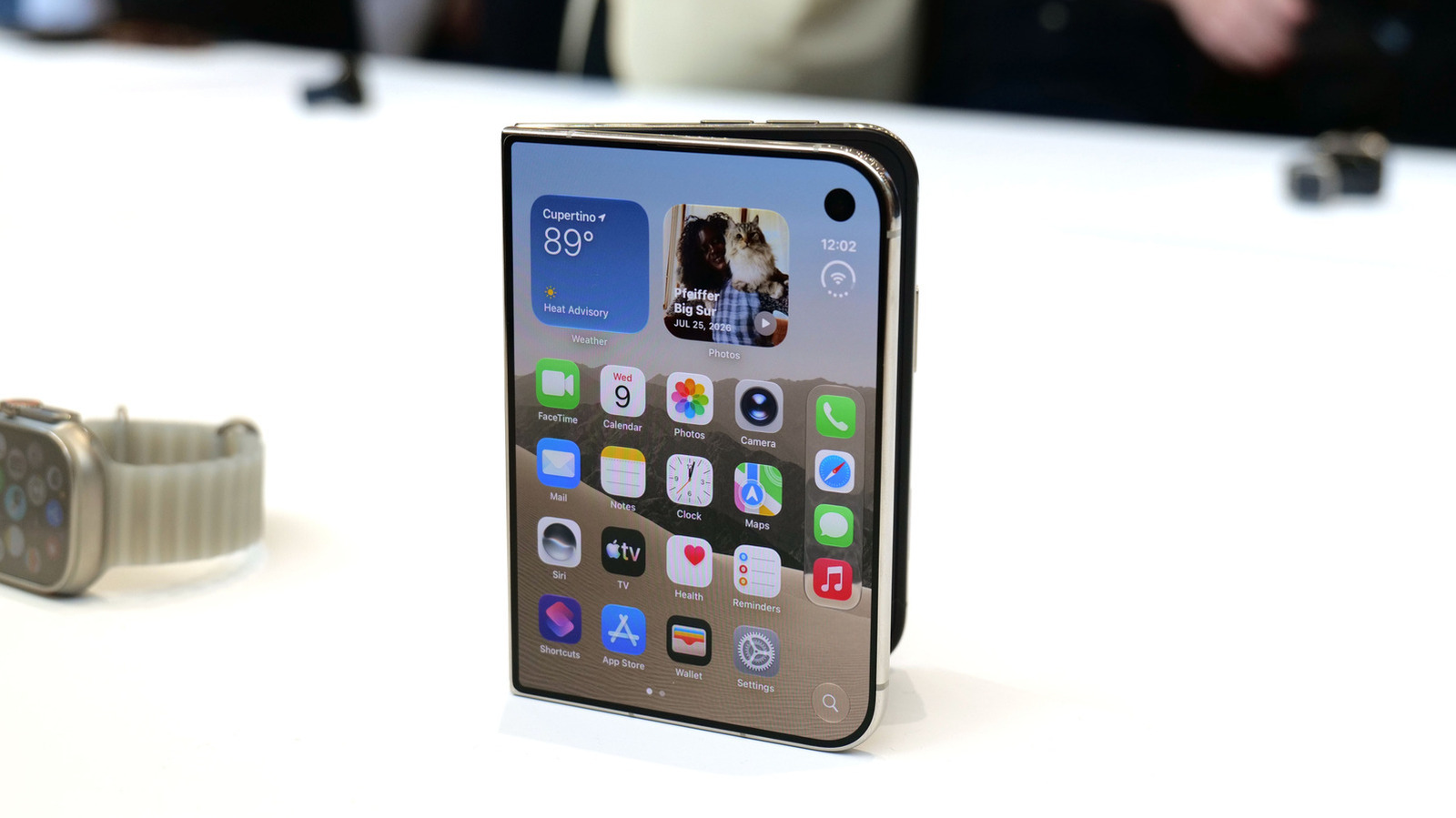
Apple iPhone Duo: A Daring Debut with Notable Compromises
Apple's highly anticipated iPhone Duo, priced at $2,000, has gone on pre-order. While hailed as "Apple's most exciting device in a decade" for its innovative foldable design and immersive display, it comes with significant drawbacks like the absence of FaceID and a premium camera.
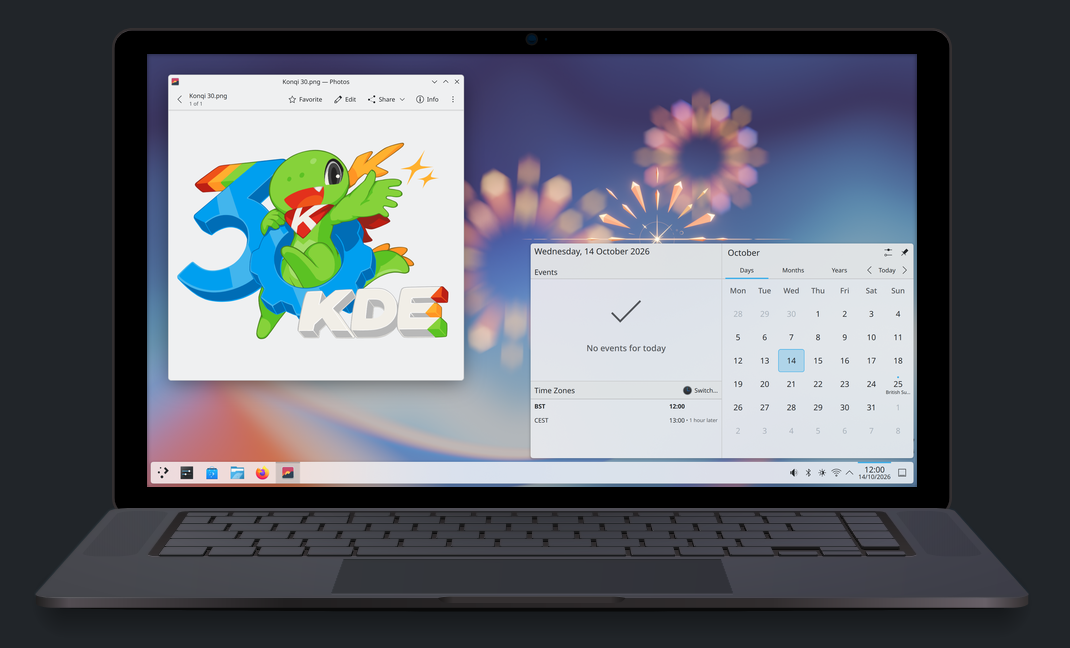
KDE Plasma 6.8: A Future-Focused 30th Anniversary Update
Quick Verdict KDE Plasma 6.8, arriving as the "30th Anniversary Edition," is a pivotal release that decisively pushes the desktop environment into the future. With a definitive farewell to native X11 sessions and a
Galaxy Watch One UI 9 Beta: Promising Progress, But Patience Needed
Galaxy Watch 8, Watch Ultra, and Watch 7 are receiving a new One UI 9 Watch beta build with bug fixes and a security patch. Active development signals progress, but a stable release date remains elusive.