35 results found

Seattle startup TriMagnetix has secured $1 million to develop semiconductor chips that consume 800 times less energy and are radiation-resistant. The two-person company, leveraging nanomagnetic technology, is targeting space applications and data centers. With new funding and key partnerships, TriMagnetix aims for commercial sales within a year.

As software developers, we're constantly pushing the boundaries of what automation can achieve. While connecting a couple of applications with basic triggers is straightforward, constructing AI-powered workflows that
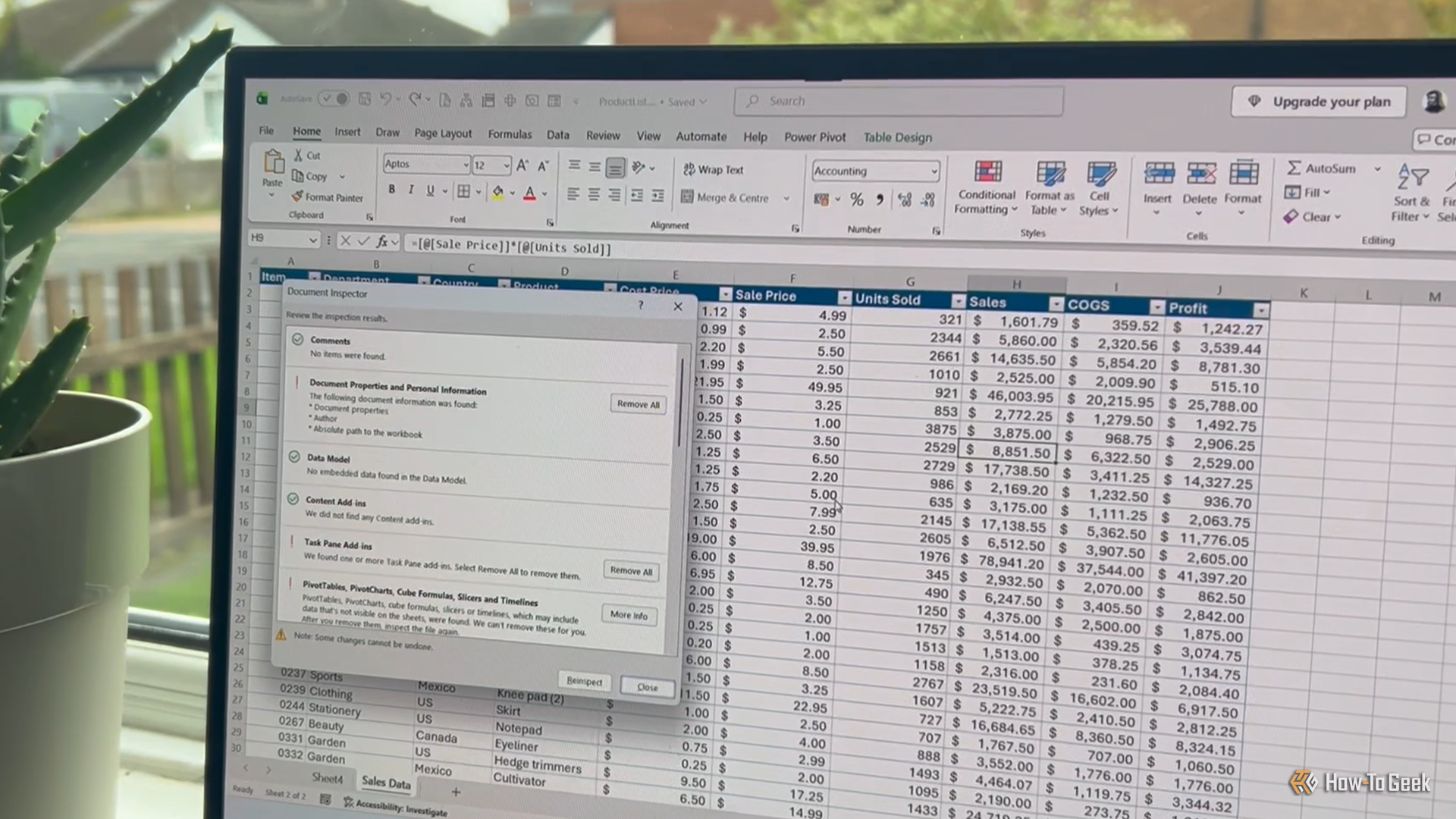
Sharing an Excel file might seem straightforward, but your workbook could be holding onto more information than you realize. Beyond the visible cells, Excel files often contain hidden worksheets, personal metadata,

Quick Verdict WatchOS 27’s dynamic app grid is a game-changer for the Apple Watch user experience. By intelligently surfacing your most-used applications and decluttering the app screen, Apple has transformed a
Managing vast, fast-growing time-series data often cripples standard PostgreSQL. This article introduces TimescaleDB, an extension that transforms PostgreSQL into a high-performance time-series database, optimizing query speeds, reducing storage, and enabling real-time analytics for applications like IoT and AI telemetry.
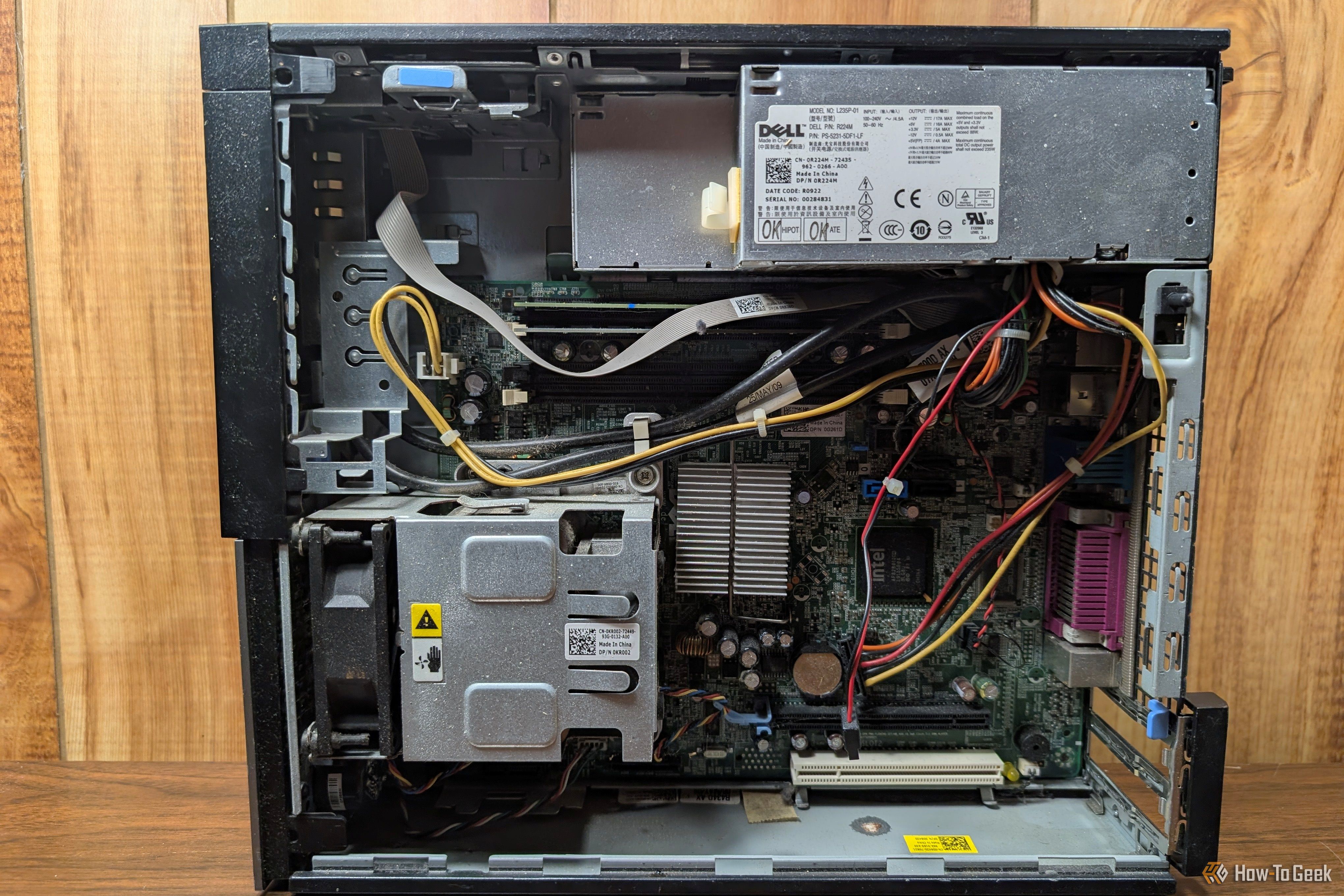
Breathe New Life into Your Old PC with Self-Hosting Don't let that dusty old laptop or desktop gather cobwebs! While it might not keep up with today's demanding software, an older PC often has more than enough power to
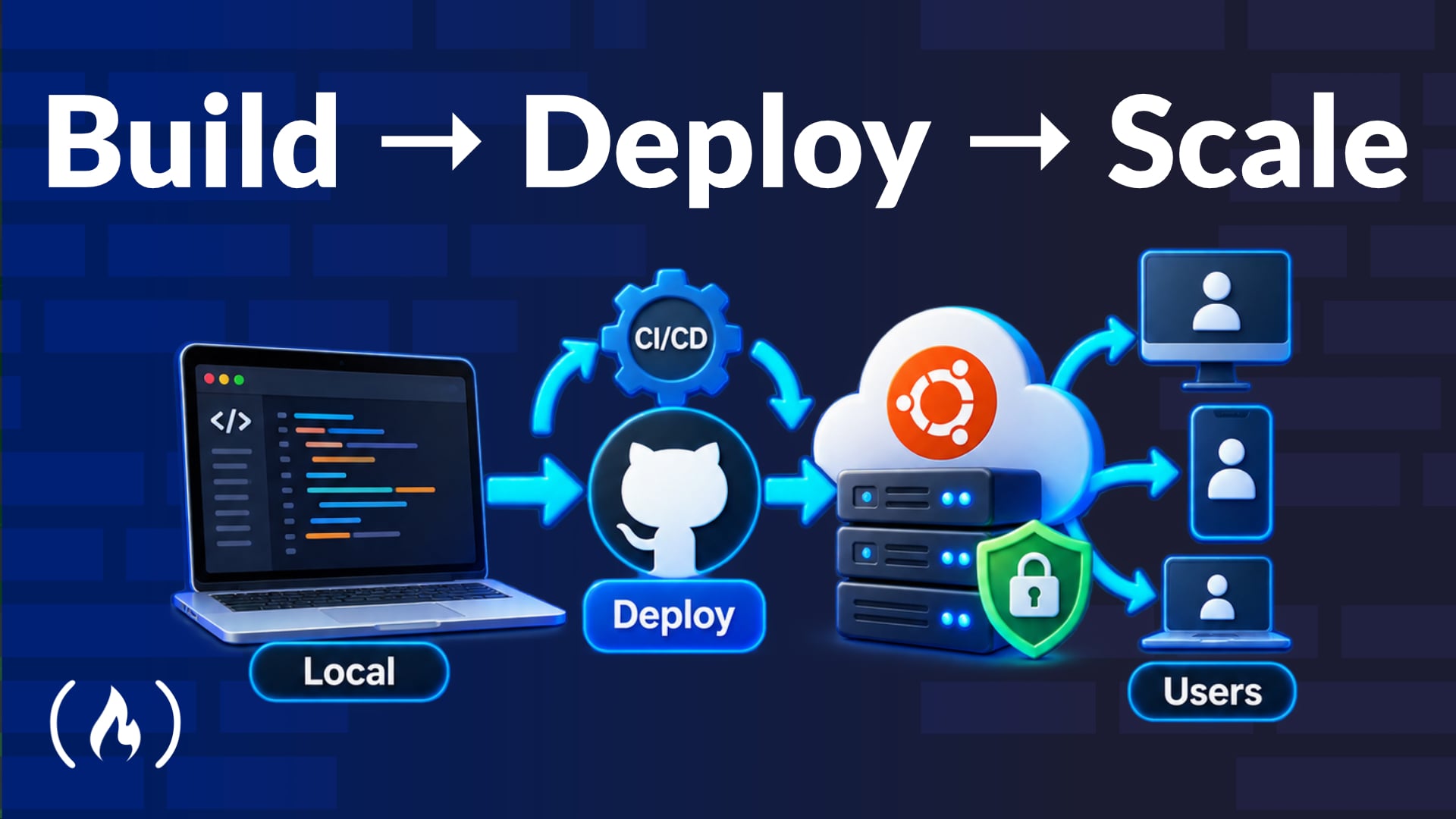
This article highlights a comprehensive freeCodeCamp.org course on deploying, securing, and automating full-stack web applications. It covers crucial steps from server provisioning and foundational security with UFW and Fail2Ban, to application runtime setup, data management, global access via Nginx and Cloudflare, and robust CI/CD pipelines with GitHub Actions. The course emphasizes a hands-on approach, integrating continuous security testing and observability, culminating in a production-ready application.

Nvidia has launched CUDA-Q Logical, an open-source orchestration layer for its quantum platform, dramatically reducing design time for complex quantum applications. Fermilab notably cut a five-month task to just three weeks, while other partners report significant efficiencies in fault-tolerant quantum computing simulations. The move strengthens Nvidia's role as a critical software provider in the burgeoning quantum ecosystem, albeit with initial claims awaiting external validation.

Java's extensive history is a key AI superpower, offering a stable foundation for agent-generated code and an unparalleled dataset for training AI models. Its mature ecosystem of libraries and agentic harnesses further enable developers to build robust, integrated AI applications. This positions Java as a powerful, reliable choice for future AI-driven software development.
As software developers, we're all too familiar with the evolving landscape of digital tools. While cloud-based applications offer undeniable convenience – instant access, cross-device compatibility, and seamless
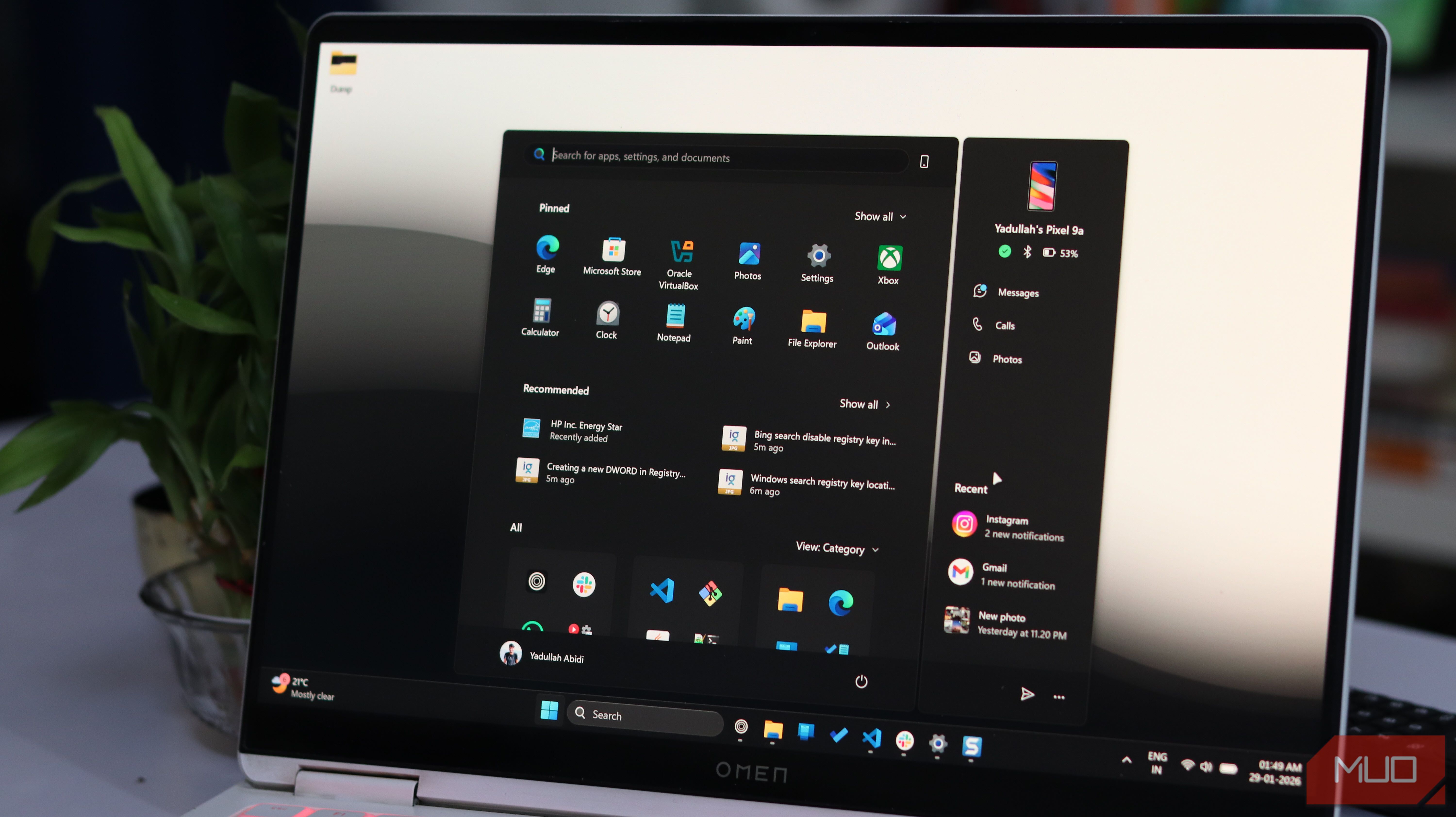
Learn how to disable all unwanted suggestions and recommendations in your Windows 11 Start menu in just a few steps. This guide helps you declutter your Start menu, creating a cleaner, more personalized space focused on your pinned applications.

As developers, we're rapidly integrating Large Language Models (LLMs) into AI agents, building powerful applications that can plan, execute tools, and generate complex responses. While a single-user prototype might run

Dive into low-level graphics with C by building a software renderer from scratch, moving beyond terminal applications to gain a deep understanding of CPU architecture, memory management, and game engine foundations. This hands-on approach, utilizing the cross-platform SDL3 library, teaches direct pixel manipulation, custom frame buffer management, event handling, and frame rate control. The course culminates in rendering effects like the iconic Doom fire using only CPU instructions, offering invaluable practical experience for any developer.

Are you ready to transform your Kindle reading experience? While the idea of adding AI to an e-reader might sound like unnecessary complexity, the free Assistant plugin for KOReader proves otherwise. For those with a
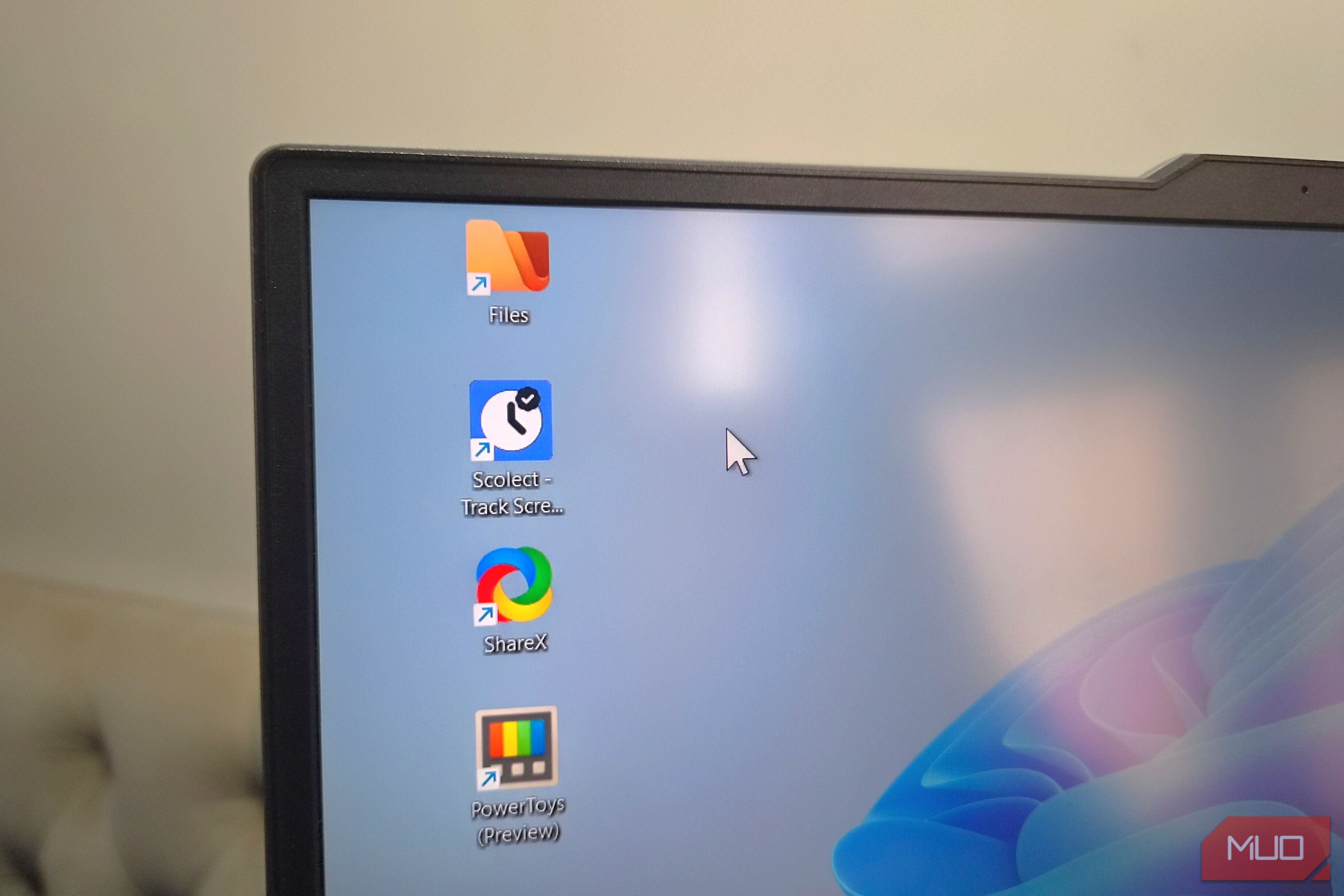
Linux is renowned for being a thriving hub for open-source software, often receiving new tools first or seeing existing ones ported over time. However, a select few open-source applications, despite their popularity and
The landscape of software development is undergoing a profound transformation, driven by the rapid advancements in artificial intelligence. As developers, we're not just integrating AI into our applications; we're
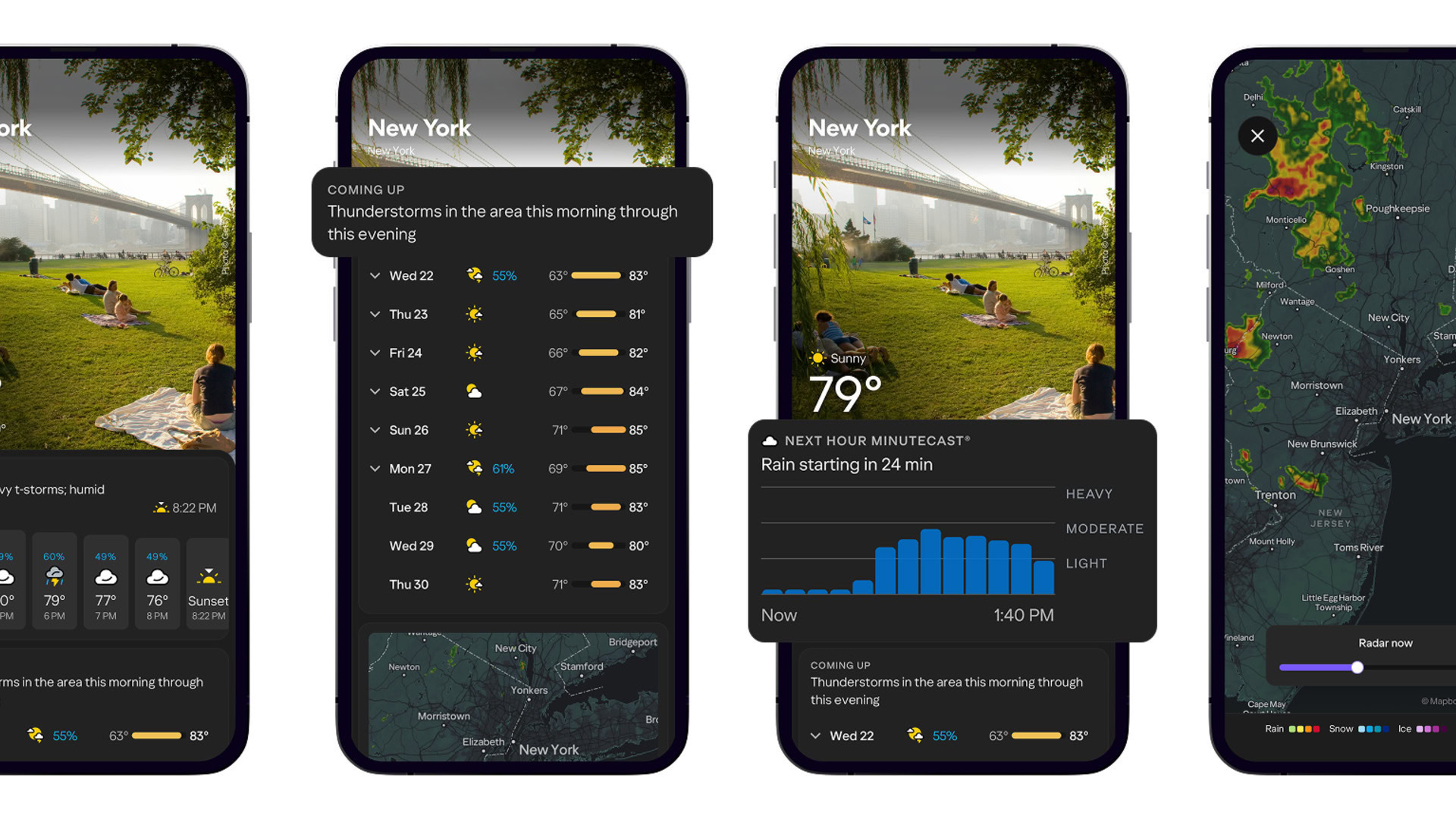
The digital landscape for weather information is famously crowded, with countless applications vying for attention on our smartphones. In an effort to carve out its own niche, Yahoo has recently unveiled a significant

Meta is leveraging AI, especially large language models (LLMs), to rapidly develop and launch new consumer applications, marking a strategic pivot. CEO Mark Zuckerberg announced more apps are coming soon, following recent launches for Facebook Groups, Marketplace, and Instagram. This AI-driven acceleration helps Meta test ideas faster and has significantly boosted apps like Threads.
For too long, geospatial data visualization and analysis have been associated with heavy desktop applications and intricate server setups. While powerful, traditional GIS tools often present steep learning curves,

Bank of England Governor Andrew Bailey has warned that artificial intelligence may soon require rationing due to its escalating energy demands outstripping available power supplies. He stated that governments face "very big social choices" in prioritizing AI applications, citing examples like healthcare versus defense. Evidence of grid strain is already emerging in the EU and US, underscoring the urgency of this infrastructural challenge.
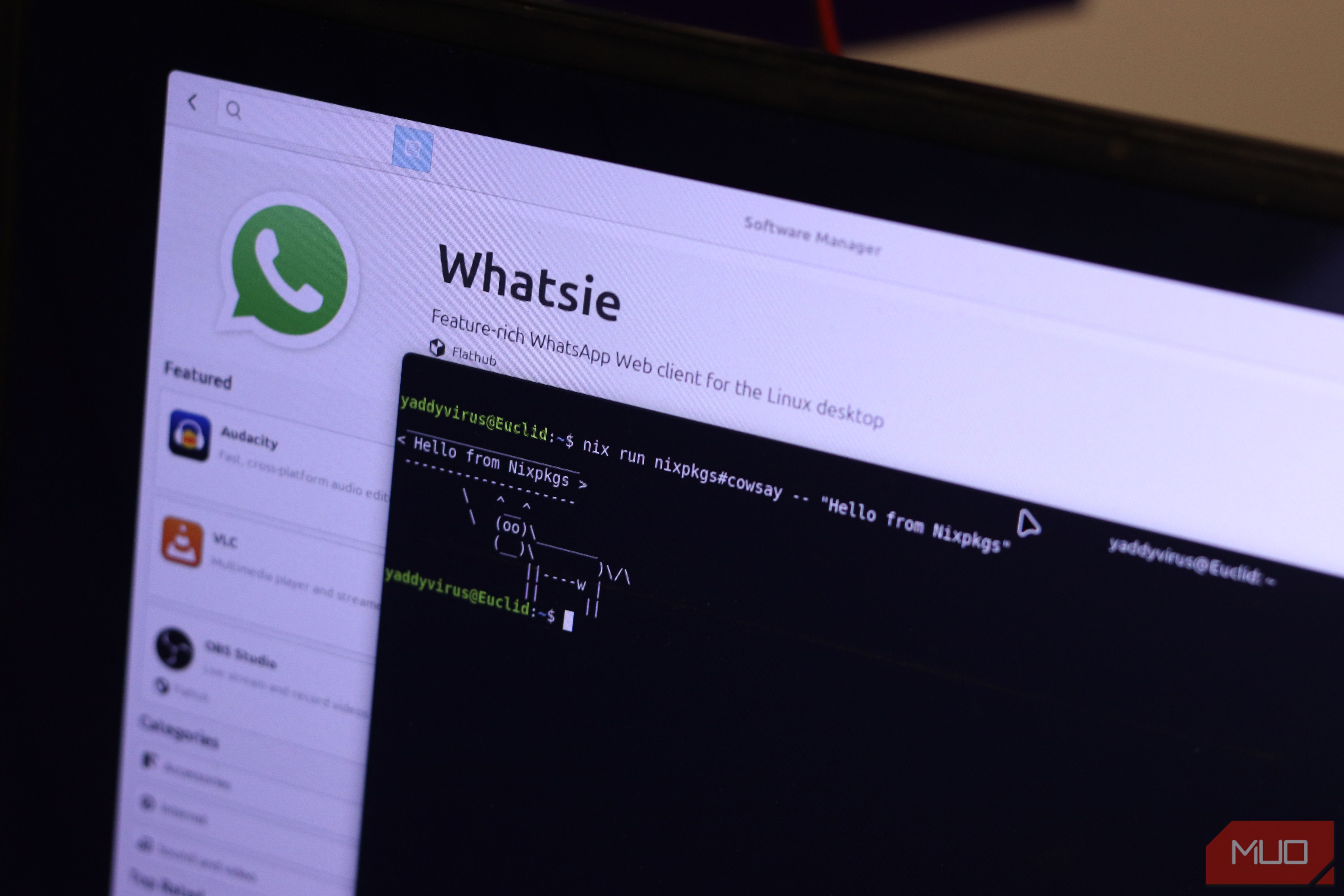
Linux users often turn to Flathub for a convenient app store experience, offering over 2,800 applications that work across many distributions. It's clean, simple, and widely adopted. However, there's a powerful,

ANSI escape codes, a standard nearly 50 years old, are the simple yet powerful backbone behind almost all modern terminal UIs, enabling everything from bold text and colors to interactive progress bars and full-screen applications. Understanding their basic structure – starting with the Escape character and followed by a Control Sequence Introducer – reveals how terminals interpret commands for text formatting, cursor control, and advanced coloring. These codes have adapted with modern libraries and continue to be a fundamental and enduring technology for developers.

This article dives into advanced error handling in Dart, moving beyond basic `try-catch` blocks to build robust, type-safe failure mechanisms. It covers Dart Records for lightweight results, sealed `AppResult` classes with monadic `map` and `flatMap` for enforced handling, integration with `dartz`'s `Either` for functional purity, and Freezed for creating exhaustive, typed exceptions. The goal is to make failures visible, compiler-enforced, and impossible to ignore in production applications.

Unlock a Better Media Experience: Move Beyond VLC For years, VLC has been the go-to media player for many, often installed without a second thought. However, a powerful, open-source alternative called MPV offers a

MCP (Model Context Protocol) is a new standard that acts as a standardized bridge, enabling secure and efficient connections between large language models (LLMs) and external, private enterprise data sources. It addresses the complexity of traditional API integrations by standardizing data formats for AI, making agentic workflows more scalable and effective. MCP ensures LLMs have the crucial internal context needed for practical enterprise applications.
