56 results found

While AI accelerates code generation, formal methods remain critical for ensuring system correctness. Languages like TLA+ and tools like Quint enable developers to model and verify system designs before coding, catching subtle flaws. Quint makes formal methods more accessible with developer-friendly syntax and executability. This approach is vital for verifying AI-generated code through trace validation and model-based testing, ensuring reliability against real-world data.

Efferon, a Startup Battlefield 200 participant, is combating pediatric sepsis with Efferon NEO, a blood purification device. It reduces organ failure and accelerates recovery in children by uniquely absorbing both endotoxins and cytokines. Already CE-marked and used in 30 countries, Efferon is now seeking FDA approval, aiming to save millions of young lives.

Seattle-based Overland AI has unveiled IBEX, a new fully autonomous ground vehicle chosen by the U.S. Marine Corps for critical missions like counter-drone defense and resupply. Built on a Polaris MRZR chassis, IBEX can carry 2,000 pounds and operates autonomously at speeds over 35 mph using proprietary software.

Xbox has launched a new XP division dedicated to expanding its gaming franchises into transmedia, including film, TV, and theme parks. Led by former Mojang President Kayleen Walters, this ambitious unit aims to leverage successful IPs like Fallout and Minecraft beyond games. While the Fallout TV series and Minecraft movie are early hits, the division operates amidst Xbox's broader "reset" and recent layoffs, highlighting both immense potential and significant challenges ahead.

AI expert Dessy Pavlova warns that AI cannot fix inherently broken business processes; it only accelerates existing inefficiencies. Despite 88% AI adoption, only 7% of organizations scale it effectively, largely due to a failure to redesign workflows first. She advocates for humans to architect systems, using AI as an operational engine with critical oversight points, enabling true productivity gains and sustainable growth.

Porchlight, a new AI-powered tool by Patrick Donahue, aims to bridge the gap between senior care residents and staff by capturing life stories. It generates 'Know Your Resident' briefings for caregivers and private audio feeds for families, fostering deeper human connection in assisted living and memory care communities. The platform uses AI to transcribe and summarize memories, ensuring personal histories are preserved and shared.
Governments worldwide are struggling to keep pace with the accelerating development of artificial intelligence, leading to a significant policy vacuum. The European Union, for instance, is debating whether to implement strict AI regulations to manage growing risks, or if such measures would carry economic and geopolitical costs if other nations don't follow suit. This indecision highlights a global challenge to govern rapidly evolving AI technology.

Google has launched a pilot in India enabling users to purchase directly from Walmart-owned Flipkart via Gemini AI. This strategic move aims to expand AI from product discovery to direct transactions, with a broader rollout planned for India's festive shopping season.

Seattle health-tech startup DexCare has acquired Mila Health, a local company specializing in AI agents for automated patient scheduling. The deal, announced September 21, 2026, integrates Mila's rapidly deployable AI communication tools into DexCare's patient-access platform, which serves 57 million patients nationwide. This move aims to enhance care coordination and address staffing challenges within the healthcare sector.

This guide helps you choose the best smart speaker in 2026 by evaluating your ecosystem, prioritizing features, and reviewing top Amazon, Google, Apple, and portable options. Learn to pick a device that integrates seamlessly and enhances your smart home.

This detailed analysis of the alarming Pennsylvania measles outbreak highlights four tragic fatalities, including an 18-year-old from severe neurological complications. It underscores critical public health challenges, including declining vaccination rates and federal data reporting controversies, while emphasizing the urgent need for reliable information and widespread vaccination.

AI is rapidly changing the game for software security, shrinking the window between vulnerability discovery and exploitation. This necessitates a shift from traditional patching based solely on severity scores to a more context-aware approach called exposure management. Developers need to understand how AI accelerates threats and learn to prioritize real risks by analyzing code reachability, dependency trees, and leveraging SBOMs, alongside implementing practical compensating controls and least privilege principles.

Hold onto your Poké Balls, trainers, because the Pokémon TCG market is once again proving that it operates on a different plane of reality. A 22-year-old Torchic ★ Star card, a relic from the 2004 EX Team Rocket Returns

Quick Verdict: Your Essential Guide to a Smooth Ride Android Auto, when it works, seamlessly integrates your smartphone into your car's infotainment system, putting navigation, messages, and media right at your

NASA's Nancy Grace Roman Space Telescope features a groundbreaking coronagraph designed to directly image exoplanets. This instrument incorporates adaptive optics and active deformable mirrors, marking a first for space missions. It's a critical step toward future telescopes capable of finding Earth-like worlds, overcoming immense challenges to reveal distant planets.

Skyfarer, a startup founded by Nick Tsang in Camas, Wash., is building an "Airbnb for aviation," a unified online marketplace connecting pilots with flight training, instructors, mechanics, and aircraft. Addressing a fragmented multi-billion dollar general aviation market, Skyfarer has rapidly grown to nearly 14,000 users and 8,500 listings by offering essential services and leveraging AI for swift development. The company's vision is to support pilots throughout their entire aviation journey, aiming to reduce dropout rates and foster a thriving flying community.

Google has launched a special-edition Fitbit Air that seamlessly integrates with the Pokémon Sleep app, merging health tracking with gaming. Announced for Pokémon's 30th anniversary, this wearable tracks daily activity and sleep metrics, making wellness more engaging for fans.

Vancouver-based AI startup Digs has secured $25.3 million in Series A funding, led by building products giant Builders FirstSource, and inked a five-year partnership. This collaboration integrates Digs' AI platform into Builders FirstSource's ecosystem, offering advanced tools to 140,000 builder clients. The technology aims to create "digital twins" of homes, streamlining construction and maintenance.

Google has launched a "Preferred Sources" button, allowing readers to designate favorite publishers to receive more prominence in Search, Discover, and Google News. This initiative aims to help publishers counter traffic losses caused by AI-powered search features. Google studies show favored sources see double the click-through rates.
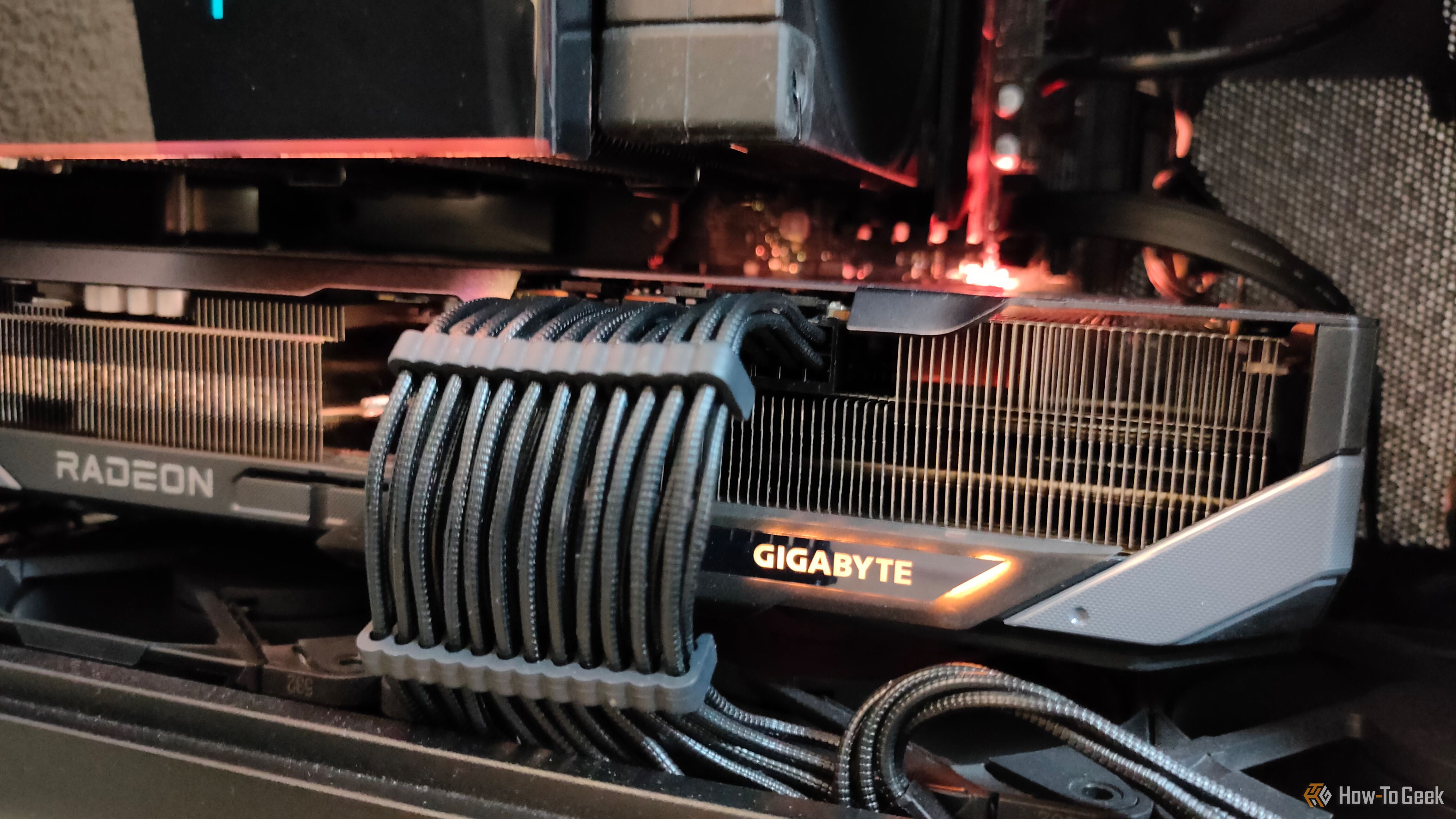
Your Graphics Processing Unit (GPU) is a powerhouse, but it often generates considerable heat and noise in its quest for maximum performance. While chasing the absolute highest frame rates, GPUs can become inefficient,

Snowflake's Cortex AI Gateway now features dynamic model routing, automatically selecting the most cost-effective AI model for each query. This innovation aims to reduce enterprise AI token costs by up to 3x by preventing simple tasks from being processed by expensive, high-capacity models. The system integrates deeply with Snowflake's existing data governance and access controls.

Ukraine's recent cruise missile strike on Russia's vital Progress Rocket Space Center demonstrates advanced long-range capabilities, hitting a critical military and civil space asset and potentially exacerbating Russia's rocket production shortages.

Bengaluru startup Dognosis is revolutionizing early cancer detection by integrating trained sniffer dogs with AI. The non-invasive method analyzes breath samples, showing promising results in early-stage cancer sensitivity and aiming to address low screening rates in India. While in trials and categorized as a prescreening tool, it offers a cost-effective path to widespread early detection.

Meta is piloting StoryKit, an AI app that generates personalized children's bedtime stories with custom characters, settings, and lessons, requiring no writing from parents. While offering convenience, the app has drawn criticism for potentially outsourcing human imagination and eroding meaningful parent-child connection. Its reception will highlight broader public sentiment towards AI in personal creative domains.

Meta has secured a patent for an AI system capable of continuously recording user voice, transcribing it, and analyzing it for emotional states. This technology, designed for "continuous emotional monitoring," integrates audio data with contextual factors like location and medication timing, raising significant privacy concerns. Amazon previously abandoned a similar product due to public backlash.
