
Pennsylvania Measles Outbreak: A Grim Warning on Vaccine Hesitancy
This detailed analysis of the alarming Pennsylvania measles outbreak highlights four tragic fatalities, including an 18-year-old from severe neurological complications. It underscores critical public health challenges, including declining vaccination rates and federal data reporting controversies, while emphasizing the urgent need for reliable information and widespread vaccination.
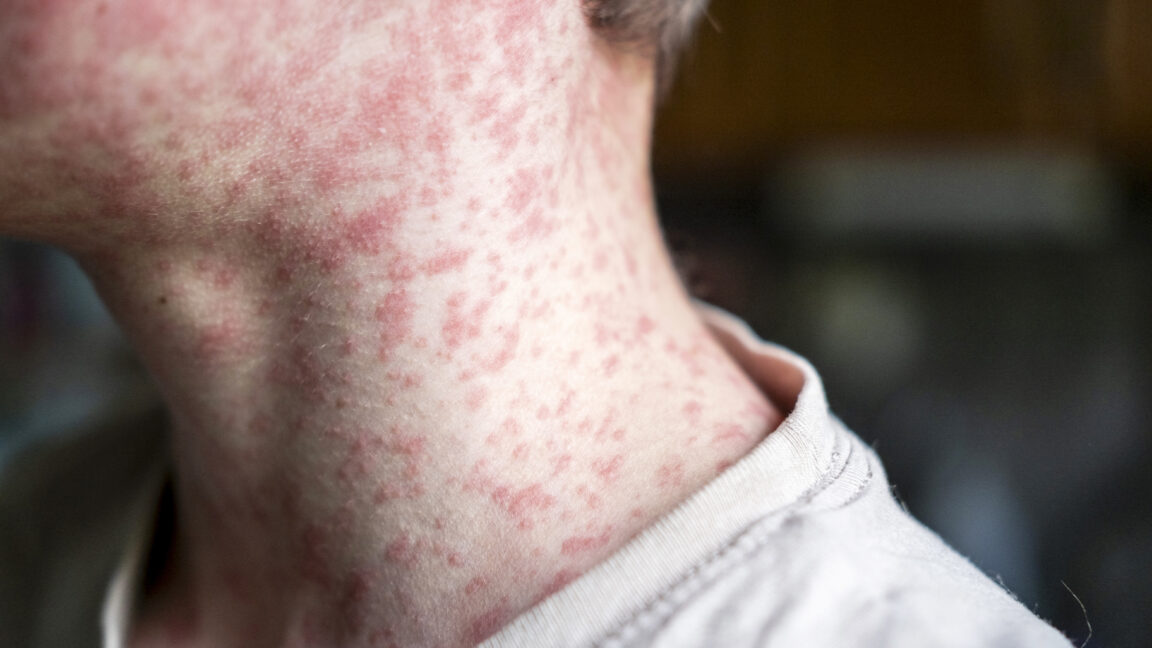
Quick Verdict
The ongoing measles outbreak in Pennsylvania serves as a stark and tragic reminder of the devastating impact of vaccine-preventable diseases. With the recent death of an unvaccinated 18-year-old from a severe neurological complication, and three other fatalities including two infants too young for vaccination, the situation underscores critical failures in public health protection and information dissemination. This severe resurgence highlights the urgent need for widespread vaccination and reliable health data.
Unpacking the Crisis: Key Details and Fatalities
The Ars Technica report details a distressing public health crisis unfolding in Pennsylvania. The state has now confirmed four measles-related deaths this year, marking a significant escalation in an outbreak that has seen 693 cases across 38 counties, with 133 hospitalizations. These figures represent the worst measles outbreak in Pennsylvania in over three decades, contributing to national totals that are on track to surpass previous records since 1991.
The latest reported fatality is an unvaccinated 18-year-old from Mifflin County. According to the county coroner, the cause of death was acute disseminated encephalomyelitis (ADEM), a rare but well-documented severe neurological complication of measles. ADEM involves a rapidly progressing autoimmune disorder where infection-induced inflammation damages the protective nerve coverings in the brain and spinal cord. Historically, before widespread measles vaccination, ADEM was a common and severe outcome of the disease.
This tragic death follows three other confirmed fatalities: an unvaccinated 40-year-old woman in Jefferson County, and two infants from Lancaster County—a newborn boy and a 6-week-old girl. Both infants were too young to receive the MMR vaccine, making them particularly vulnerable to the highly contagious virus. These cases collectively illustrate the indiscriminate danger of measles, affecting both the unvaccinated and those unable to receive protection due to age.
The Science of Measles and the MMR Vaccine
Measles is a highly contagious viral infection that can lead to severe health complications, including pneumonia, encephalitis, and, as tragically seen, ADEM. The MMR (measles, mumps, and rubella) vaccine is a cornerstone of preventative medicine, having effectively kept measles outbreaks at bay for decades. The United States notably declared measles eliminated in 2000, a status achieved through high vaccination rates that blocked domestic transmission over a 12-month period. The efficacy and safety of the MMR vaccine are widely established by public health authorities.
However, with vaccination rates now slipping below the target 95 percent threshold necessary for herd immunity, measles is making a significant comeback. The current outbreak serves as a stark indicator that the US is at risk of losing its hard-won elimination status, a regression with serious implications for public health and safety.
Challenges in Public Health Oversight and Reporting
The article sheds light on concerning discrepancies and challenges in national measles data reporting. While the Pennsylvania state health department has maintained transparent reporting, confirming deaths and cases after thorough investigations based on established epidemiological criteria, the national Centers for Disease Control and Prevention (CDC) has reportedly altered its reporting methodology.
Previously, the CDC relied on data from state and local health officials. However, under the alleged direction of Health Secretary Robert F. Kennedy Jr., the agency now states it will only report death records received by the National Center for Health Statistics (NCHS). This system is designed for tracking long-term death trends rather than monitoring ongoing outbreaks. The article notes reports that Kennedy Jr. has disputed measles deaths and allegedly ordered the CDC director to exclude reports of infant deaths from the national tally, coinciding with his promotion of anti-vaccine misinformation.
This shift in reporting creates a potential chasm between state-level, real-time outbreak data and the national picture, making it harder to accurately assess the scope and severity of outbreaks nationwide. The US Department of Health and Human Services, which oversees the CDC, reportedly did not respond to inquiries regarding these changes, fueling concerns about data transparency and the integrity of public health information at a critical juncture.
Analyzing the Current State: Strengths and Weaknesses of the Public Health Information Landscape
Strengths
- Clear State-Level Reporting: The Pennsylvania Department of Health is commended for its proactive and transparent reporting of measles cases, hospitalizations, and deaths, adhering to established epidemiological definitions.
- Accessible Information: The article itself, published by Ars Technica, serves as a crucial source of factual information, linking to relevant medical resources (e.g., NCBI for ADEM) and providing context for the crisis.
- Vaccine Availability: The MMR vaccine, a proven effective preventative measure, remains widely available.
Weaknesses
- Rising Death Toll and Complications: The increasing number of fatalities, including vulnerable infants and young adults, highlights the severe human cost of declining vaccination rates.
- Federal Data Transparency Issues: The reported changes in CDC's death reporting and alleged political interference raise significant concerns about the reliability and timeliness of national public health data.
- Spread of Misinformation: The article directly references the spread of anti-vaccine misinformation by high-profile officials, which contributes to vaccine hesitancy and exacerbates outbreaks.
- Loss of Measles Elimination Status: The trajectory of increasing cases puts the US at risk of losing its hard-won measles elimination status, signaling a major public health setback.
Recommendations for Engagement with Public Health Information
Given the severity of the outbreak and the challenges in information dissemination, it is crucial for individuals to:
- Prioritize Vaccination: Ensure timely vaccination for yourself and your family with the MMR vaccine, especially if you or loved ones are unvaccinated and eligible.
- Consult Reliable Sources: Rely on trusted state and local health departments and established scientific outlets for accurate information regarding measles and other public health concerns.
- Stay Informed: Monitor local health advisories and understand the current measles situation in your community.
FAQ
Q: What is acute disseminated encephalomyelitis (ADEM) and how is it related to measles? A: ADEM is a rare but severe neurological complication of measles, characterized by a rapidly progressing autoimmune disorder. It causes aberrant inflammation that strips away the protective coverings of nerve cells in the brain and spinal cord, leading to significant neurological damage. Before the widespread use of measles vaccines, ADEM was commonly associated with the disease.
Q: Why are measles cases rising if a vaccine is available? A: Measles cases are rising primarily due to declining vaccination rates. For decades, high rates of MMR vaccination ensured herd immunity, which prevented outbreaks and led to measles elimination in the U.S. in 2000. When vaccination rates fall below critical thresholds (around 95%), the virus can easily spread among unvaccinated individuals, leading to outbreaks.
Q: How do I know if the health information I'm receiving about measles is reliable? A: It's crucial to consult official state and local health department websites, such as the Pennsylvania Department of Health, and established public health organizations like the World Health Organization (WHO) or reputable scientific news outlets like Ars Technica. Be wary of information from unverified sources or individuals who promote anti-vaccine rhetoric, especially when it contradicts official health guidance. The article highlights concerns about inconsistencies in federal reporting, making state-level data particularly important.
Related articles

Community Fibre 8.5Gbps: UK's Fastest, But Pricey Fibre
Quick Verdict Community Fibre has just launched the UK's fastest residential internet connection, boasting an incredible 8.5Gbps (8,200Mbps) symmetrical full fibre service. It's a technical marvel, delivering speeds

Anthropic Claude Merger: Unified AI for Enhanced Productivity
Anthropic Claude Merger: The Verdict Anthropic is making a bold move, consolidating its previously distinct AI tools — Claude chat and Claude Cowork — into a single, more intuitive “all-powerful Claude.” This strategic

September Pixel Drop: Small Update, Big Convenience
Google's September 2026 Pixel Drop brings enhanced one-tap calling/messaging via VIPs widget and expanded on-device scam protection for text messages, making communication safer and faster for Pixel 6 and newer users.
Pixel 11 Pro: A Hidden Camera Gem Elevates Mobile Photography
The Pixel 11 Pro ($1,099) introduces redesigned Quick Access camera controls, offering intuitive, customizable on-the-fly adjustments like exposure and "Camera Looks." While powerful and user-friendly once enabled, Google hides them deep in settings and disables them by default, hindering discoverability. Despite this flaw, it's a significant upgrade for mobile photography enthusiasts.

US AI Data Centers: A Glimpse into Tomorrow's Power Demands
An in-depth analysis of US AI data centers' projected natural gas consumption, set to become the world's fifth-largest by 2035, highlighting environmental, economic, and infrastructure challenges.

Windows 11 Media Creation Tool: The Official Path to Bootable USBs
Verdict: Windows 11 Media Creation Tool - Your Gateway to a Fresh OS Install For anyone looking to install Windows 11, either on a brand-new PC or by performing a clean wipe on an existing one, Microsoft's official