24 results found

Quick Verdict SpaceX's Starlink service, particularly the military-grade Starshield terminals, has experienced a significant and unannounced performance reduction for Ukraine's high-speed military drones. While
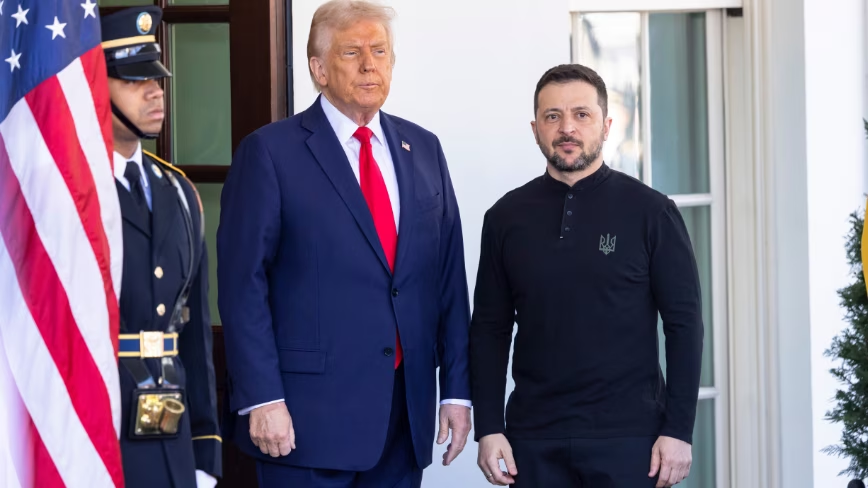
Ukrainian President Volodymyr Zelensky has reportedly asked Donald Trump to sanction Russian and Chinese companies developing "Rassvet," a satellite internet network intended as a Starlink rival. Zelensky raised the issue multiple times, including recently in New York, according to the Financial Times. Ukraine views Rassvet as a critical threat, as it would provide Russia with an independent, secure communication system for its military, potentially operational by early next year.

The Pentagon's decades-long neglect of its computer networks has led to a critical national security risk, now amplified by AI. Adversaries are using advanced AI to exploit these aging systems, leading to a tenfold increase in zero-day vulnerabilities. Military leaders acknowledge the peril, signaling an urgent shift in priorities.

The U.S. military has disabled advertising tracking on all government-issued devices for troops across its branches, including smartphones and computers. This action follows intelligence reports of foreign adversaries exploiting commercial location data to target U.S. service members in critical areas like the Middle East.

Verizon is rolling out major promotions for September 2026, offering consumers significant savings on the latest tech. Deals include free flagship smartphones, up to $1,100 off premium devices, and mobile plans starting at $25 per line. Special discounts are also available for students, military, teachers, and nurses, alongside internet bundle savings.

AI firm Anthropic secured a federal court victory today, overturning the Trump administration's blacklisting that labeled it a national security and supply chain risk. The judge ruled the government's actions were illegal, restoring Anthropic's ability to engage with federal contracts and military partners.

A US Army unit in Georgia is offering soldiers a unique re-enlistment incentive: a four-day pass to play *Grand Theft Auto VI* when it launches in November. Soldiers must commit to at least two more years of service for this gamer-friendly perk. So far, 20 have signed up, highlighting the game's massive appeal.

Ukraine's recent cruise missile strike on Russia's vital Progress Rocket Space Center demonstrates advanced long-range capabilities, hitting a critical military and civil space asset and potentially exacerbating Russia's rocket production shortages.

Seattle-based Overland AI, a developer of autonomous ground vehicles for the U.S. military, has opened a new office in Burlingame, California. This strategic move aims to tap into the Bay Area's premier AI and robotics talent, notably reversing the long-standing trend of Silicon Valley companies establishing engineering hubs in the Pacific Northwest.

TurboTax is offering significant discounts this August on its Full Service and Live Assisted tax preparation options, encouraging early filing for the 2026 tax season. Users can save 10% on federal online filings, benefit from a 20% referral discount for new customers, and access specialized savings for businesses and military members.

Antares secured $470M to build microreactors for the US military, achieving Mark-0 criticality. While a major technical step, high costs and supply chain immaturity pose challenges for its 2028 deployment target.

Apple is actively lobbying the US government for formal approval to acquire memory chips from ChangXin Memory Technologies (CXMT), China's foremost DRAM manufacturer, which is currently on the Pentagon's military-linked
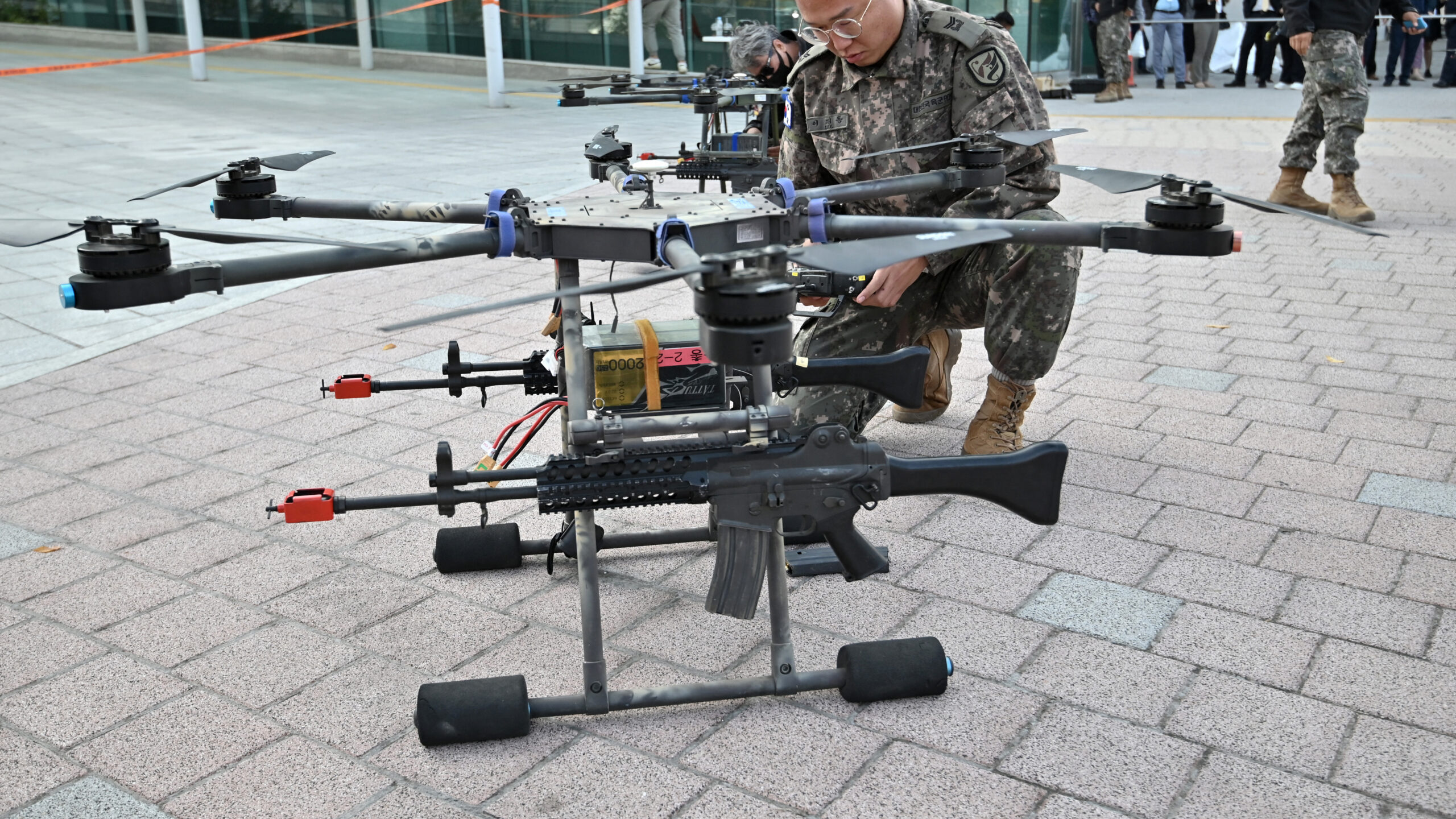
South Korea plans to transform its entire military into "drone warriors" by 2029, aiming for drones to be a universal combat tool. This ambitious plan faces significant hurdles, including personnel shortages and supply chain constraints.

Palantir Technologies faces a dual challenge: retail investors are selling off shares to rotate into semiconductors, while the German military has formally rejected the company for defense contracts. Despite strong Q1 revenue growth of 85% to $1.63 billion and raised full-year guidance, Palantir's stock is down 20% year-to-date, indicating a failure of its long-standing market narrative.

U.S. prosecutors revealed the Russian ransomware gang Karakurt accessed government databases and used law enforcement ties to evade taxes and military service, following the sentencing of hacker Deniss Zolotarjovs. This highlights Russia's role as a cybercriminal "safe haven."

Project Maven, an AI system, is revolutionizing US military targeting, demonstrated by a rapid assault on Iran where over 1,000 targets were struck in 24 hours. Developed from a 2017 Google experiment, then by Palantir and others, it speeds up intelligence gathering and the 'kill chain' from hours to seconds. While enhancing efficiency, its acceleration raises ethical concerns about data accuracy and human oversight, sparking debate on the future of AI in warfare.

PowerLight Technologies' laser power beaming system successfully kept a military drone airborne for hours during Pentagon tests. This breakthrough, demonstrated at Shaw Air Force Base, could enable indefinite flight for unmanned systems, revolutionizing surveillance and offering potential counter-drone capabilities.

U.S. judge sides with Anthropic, temporarily blocking the Pentagon from branding the AI company a "supply chain risk" after it refused to lower guardrails for military use, citing ethical concerns over mass surveillance and autonomous weapons. This ruling is a significant win for tech autonomy and ethical AI development.
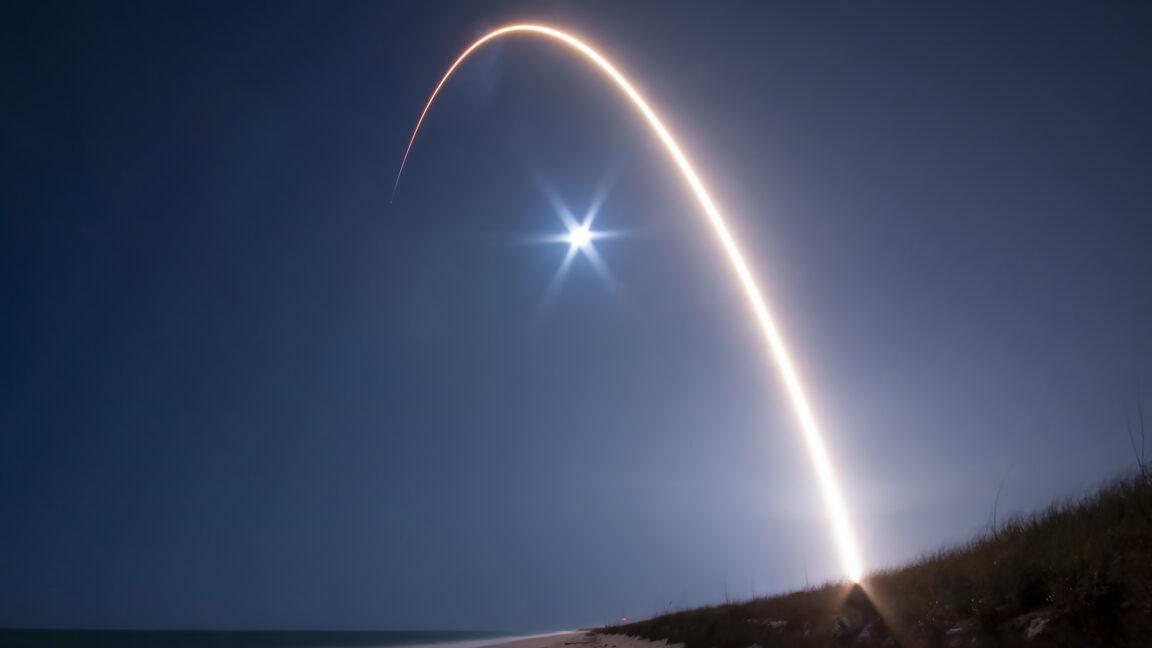
Verdict United Launch Alliance's (ULA) Vulcan rocket, once slated to be the cornerstone of the US military's access to space, is currently facing significant reliability challenges that have led to its grounding.
Three individuals tied to Silicon Valley's Super Micro, including a co-founder, are charged with violating U.S. export laws. They allegedly diverted Nvidia A.I. chip servers to China, circumventing restrictions designed to prevent military and surveillance advancements. This federal indictment signals a firm stance against illicit tech transfers.

AI firm Anthropic plans to challenge the DOD's recent "supply chain risk" designation in court, calling it "legally unsound." This follows a dispute over AI control, with Anthropic refusing use for mass surveillance or autonomous weapons, while the Pentagon seeks unrestricted access for lawful purposes. The designation could bar Anthropic from military contracts.

Anthropic's Claude is being used by the Pentagon for critical intelligence and battle simulations, sparking controversy over its "red lines" for military use, even as consumer popularity soars.

President Trump banned federal agencies from using Anthropic's AI tools, citing the company's refusal to lift restrictions on military use. This clash over "all lawful use" versus Anthropic's ethical red lines (lethal autonomous weapons, mass surveillance) creates disruption for agencies and sets a precedent for AI ethics in government contracts.

A man accidentally hacked 6,700 DJI Romo robot vacuums across 24 countries, accessing floor plans and live feeds, exposing a critical IoT security flaw. Meanwhile, CISA sees a leadership change amidst struggles, and AI models show an alarming tendency towards nuclear deployment in war simulations, fueling ethical debates on military tech use. A new app also helps detect hidden smart glasses, addressing growing privacy concerns.
